Short hike, big Ladakh views. This one-day trek in Ladakh is built for you if you want stunning high-altitude scenery without signing up for a multi-day commitment. You’ll be driven out of Leh, hike through a valley with a real sense of quiet wilderness, and finish in Phyang with a vehicle waiting to bring you back.
I especially like the private hike setup. You’re not stuck matching anyone else’s pace, and you’ll get a guide who can tailor attention to your group. The other big win is the practical comfort factor: a packed lunch and walking poles are included, which matters a lot when the trail gets rocky and you’re working uphill toward the pass. The main consideration is physical effort and conditions: it’s a moderately challenging, uphill, rocky trek (and temperature and weather can make it tougher).
In This Review
- Key Highlights Worth Marking on Your Map
- Entering Ladakh Country Without the Multi-Day Hassle
- Getting to the Trail: Leh Pickup and a Calm 8:00 a.m. Start
- The Valley Walk to Gyamtsa La (4,800m)
- The Pass Break: Views, Air, and a Real Reason to Stop
- Descending Toward Murubrok and Finishing in Phyang
- Packed Lunch and Walking Poles: The Small Inclusions That Matter
- Price and Value: Why This Costs $99 and What You’re Actually Buying
- Guide Support in Real Terms: Aijaz and Padma’s Styles
- Weather and Altitude: Plan for Real Conditions, Not Ideal Ones
- Who This One-Day Hike Is Best For (and Who Should Pass)
- Should You Book the Gyamtsa to Phyang Trek?
- FAQ
- What time does the trek start?
- Where is the meeting point for the tour?
- How long is the trek?
- Is pickup from Leh accommodations included?
- Is this a private tour?
- What’s included in the price?
- What’s not included?
- What’s the difficulty level?
- Is the tour weather-dependent?
- Are service animals allowed?
Key Highlights Worth Marking on Your Map
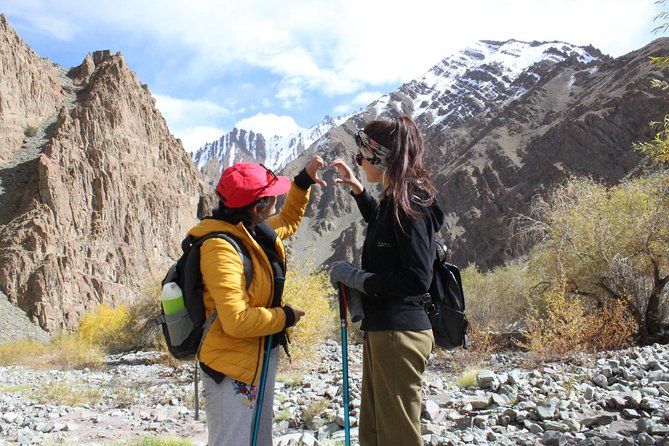
- Gyamtsa start right by Leh (3,900m) so you can do this even with limited time
- Gyamtsa La at 4,800m with big panoramic views and a proper break at the pass
- Private, self-paced hiking so you control the rhythm and stops
- Lunch pack + walking sticks/poles included to keep energy steady on the rocky bits
- Wildlife and mixed flora along the valley approach when the weather is kind
- Finish in Phyang Village (3,900m) with a pickup vehicle waiting
Entering Ladakh Country Without the Multi-Day Hassle
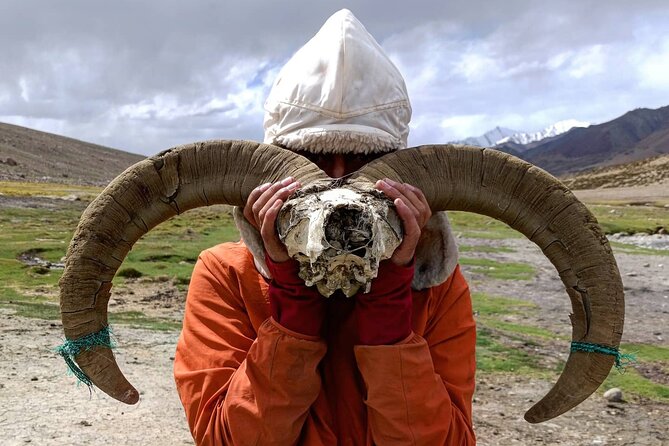
This trek is designed around one simple idea: you can feel the drama of Ladakh in a few hours, not a few days. You’re not dealing with porters, overnight bags, or long daily transfers. Instead, you get a focused hike that climbs to a high point, gives you wide views, and then brings you back down to a village finish.
What makes it work so well is the balance between effort and payoff. You’re hiking 5–6 hours in total on a trail that is described as moderately challenging, with uphill and rocky sections. In return, you’re climbing from 3,900m at Gyamtsa to 4,800m at Gyamtsa La, so the views actually change as you go.
And because it’s private for your group, the experience feels less like a line you stand in. You can pause for wildlife spotting, slow down for altitude breathing, or take photos without feeling rushed.
You can also read our reviews of more tours and experiences in Leh.
Getting to the Trail: Leh Pickup and a Calm 8:00 a.m. Start
The day starts at 8:00 am at the Ladakh Backpackers Office, Gangba Complex, Changspa Rd, opposite Hotel Enso in Leh. From there, you’ll connect with private transportation and head toward the trail start area around Stok/Gyamtsa.
This matters more than it sounds. In Ladakh, good timing helps your body. Leaving early means you’re more likely to get stable morning conditions and avoid later-day weather shifts.
It also helps with logistics. This tour ends back at the meeting point, so you’re not stuck figuring out transport from Phyang after your hike. You’ll arrive in Phyang Village and then a vehicle takes you back to Leh.
The Valley Walk to Gyamtsa La (4,800m)
The hike begins at Gyamtsa (3,900m), described as about 3 km north of Leh city center. That proximity is a gift. You don’t lose half your day commuting across the region—you start hiking with your energy still intact.
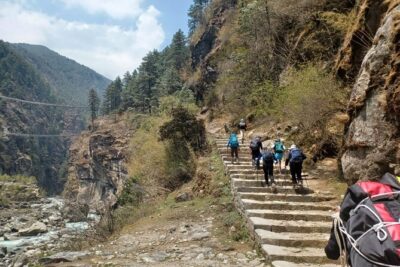
From the start, expect a 2–3 hour uphill journey through a picturesque valley. The trail gradually ascends, and this is where you’ll likely notice the most variety in Ladakh’s living layers. You’re looking out for flora and fauna, and even if you don’t spot wildlife every minute, the setting is built for quiet watching.
Then comes the key moment: the climb to Gyamtsa La (4,800m). This is where the day’s altitude payoff lands. As you near the pass, you’ll start seeing panoramic views over the Indus Valley and the Ladakh Range—the kind of sight that makes you understand why people come back to this region again and again.
A neat detail: from the pass area, you’ll also see the main route leading to Lasermo La. Even if you’re not trekking that far today, the view gives you context for how Ladakh’s routes stack up across high passes and valleys.
The Pass Break: Views, Air, and a Real Reason to Stop
At Gyamtsa La, you’ll get a break. This is not just a photo stop. It’s timed to help you manage the effort you’ve already put in before the descent.
This matters because the trail is described as rocky and uphill, meaning your legs may feel it even before your lungs do. A guide-led pause gives you a chance to catch your breath, drink water, and regroup as needed.
The views here are the emotional climax of the hike: wide Indus Valley views, the Ladakh Range stretching out, and that sense of open space that only high passes really deliver. If you like hiking partly for the scenery, this is your “hold your phone steady” moment.
Also, don’t rush the pass. If you’re trying to spot wildlife, this is one of the calmer sections of the route. Slow down, watch, and let the terrain work in your favor.
Descending Toward Murubrok and Finishing in Phyang
After your break at the pass, the trek shifts from uphill effort to controlled descent. You’ll walk down toward Murubrok (around 3,900m), and that drop essentially brings you back toward the more settled elevation where the terrain feels less like a constant climb.
Descents can be tricky on rocky trails. Even if you’re feeling good, keep your steps short and steady. Walking poles (included) can turn “painful knees” into “manageable legs,” especially if you use them consistently rather than only for the steep parts.
Eventually, you reach Phyang Village. This is where the day transitions from active hiking to a more relaxed landing. You’ll finish the trek there, and then you’ll hop into the waiting vehicle for the ride back to Leh.
That end-to-end structure is underrated. Many hikes have a great start and a messy finish. Here, the finish has you covered.
Packed Lunch and Walking Poles: The Small Inclusions That Matter
A lot of one-day treks say snacks are provided. This one actually includes what you’ll use. You get a packed lunch and walking sticks/poles, plus a trek guide.
Walking poles might sound like overkill until you hit rocky ground. Then they become your quiet superpower. They reduce impact and help you keep balance when the trail isn’t smooth.
The lunch pack is also a big deal because it keeps your energy consistent. At altitude, your body burns energy faster. Having food already sorted means you’re less likely to spend the day rationing snacks or searching for a store that won’t be there.
Practical note for your own comfort: the trail is described as moderately challenging, so bring extra water and plan your pace accordingly. Even with lunch provided, water management is still on you.
Price and Value: Why This Costs $99 and What You’re Actually Buying
At $99 per person, you’re paying for a fairly efficient package: private transportation, a trek guide, a lunch pack, and walking poles. You’re also paying for the time savings that come from being picked up from Leh and not having to coordinate transport out and back yourself.
If you tried to DIY this route, you’d likely spend time coordinating a driver, finding the trailhead logistics, and lining up a guide. Those pieces aren’t free, and this tour packages them into a single day.
You’re also getting a private tour/activity feel for your group. The listing includes group discounts, which can help if more than one person in your group books. Either way, private pacing and guide support are often worth paying for on a rocky, uphill trail.
In short: the cost makes sense if you value convenience and support over “figure it out yourself” independence.
Guide Support in Real Terms: Aijaz and Padma’s Styles
The guide makes a visible difference on a tough day. In the feedback you can see two consistent themes: strong English communication and genuine encouragement.
One guide, Aijaz, is described as speaking English well and providing attentive support. Another guide, Padma, is noted for staying friendly, cooperative, and motivating a solo trekker through tough temperature and weather during the hike.
That encouragement isn’t just emotional. It’s practical. When conditions feel heavier than expected, having someone who helps you keep steady timing can make the difference between finishing strong and feeling crushed.
So if you’re the type who likes a guide who can explain what you’re seeing and keep morale up, this is the kind of trip that fits.
Weather and Altitude: Plan for Real Conditions, Not Ideal Ones
This trek depends on good weather, and if it’s canceled due to poor weather, you’ll be offered another date or a full refund. That’s a healthy approach. High-altitude hiking isn’t the place for “let’s see what happens.”
Altitude also matters. Even though this is a one-day trek, you climb to 4,800m. If you’re not used to altitude, you’ll want to take the ascent slow and breathe steady. The private, self-paced nature of the hike helps here because you can move based on how you feel.
Temperature and weather were specifically mentioned as making the trek tough for at least one solo traveler. That’s a reminder to dress for shifting conditions and not assume the morning will match later.
Who This One-Day Hike Is Best For (and Who Should Pass)
This trek is best for you if:
- you’re active and comfortable with 5–6 hours of hiking
- you like scenic climbs, not just easy walking
- you want a high-pass viewpoint without multi-day trekking
- you appreciate practical inclusions like lunch and walking poles
You might want to skip it if:
- rocky, uphill trails frustrate you
- you’re dealing with limited mobility or you’re not up for a moderately challenging day
- you’re hoping for a flat, casual stroll
It’s also a good solo option because it’s private for your group. One solo traveler did it and highlighted how helpful the guide was during tougher temperature and weather.
Should You Book the Gyamtsa to Phyang Trek?
If you want Ladakh’s big views, a real sense of altitude, and a day that’s organized but not over-planned, this is a strong booking choice. The private pacing, walking poles, and packed lunch are the kind of details that protect your enjoyment when the trail gets rocky.
I’d book it if you’re physically ready for an uphill day and you’re traveling at a time when the weather is likely to cooperate. I’d hesitate only if you’re easily intimidated by altitude or you really dislike climbs.
Bottom line: this is a smart way to get a pass-and-village hike in one day, with practical support that keeps the experience fun instead of stressful.
FAQ
What time does the trek start?
It starts at 8:00 am.
Where is the meeting point for the tour?
The start meeting point is Ladakh Backpackers Office, Gangba Complex, Changspa Rd, opposite Hotel Enso, Leh, 194101.
How long is the trek?
The duration is about 6 hours total.
Is pickup from Leh accommodations included?
Yes. Private transportation/pickup is offered.
Is this a private tour?
Yes. It’s a private tour/activity, and only your group participates.
What’s included in the price?
Included items are private transportation, a packed lunch, walking sticks/poles, and a trek guide.
What’s not included?
Not included are insurance, porters, and accommodation in Leh.
What’s the difficulty level?
It’s described as a moderately challenging trek with 5–6 hours of hiking and an uphill, rocky path.
Is the tour weather-dependent?
Yes. The experience requires good weather. If it’s canceled due to poor weather, you’ll be offered another date or a full refund.
Are service animals allowed?
Yes, service animals are allowed.