REVIEW · LEH
Ladakh Sham Valley Trek
Book on Viator →Operated by Ladakh Backpackers · Bookable on Viator
Three days, two passes, and a lot of altitude. That’s the feel of the Ladakh Sham Valley Trek, a short 3-day warm-up trek that’s billed as a “baby trek” yet still asks you to respect the altitude. I love the combo of serious mountain views with homestays in small villages, plus the way the trip is run with a real trek guide and practical support. One thing to consider: even on gentler days, you’ll be trekking high and the first approach can feel hot and exposed, with limited shade and no water along the way.
What makes this experience work so well is how it keeps things short but not lazy. You get private transportation from Leh, guided walking, packed lunches, and walking sticks, so you’re not spending your time figuring logistics. You do need a moderate fitness level, and you’ll want to move steadily—because altitude doesn’t care that the itinerary is only 3 days.
In This Review
- Quick Hits: What Makes This Trek Worth Your Time
- A Beginner Trek That Still Demands Respect at High Altitude
- Day 1: Likir (3,650 m) to Yangthang via Phobe La and Chagatse La
- Day 2: Tsermangchen La (3,750 m) and Down to Hemis Shukpachen
- Day 3: Mebtak La Prayer Flags to Ang and Back to Leh
- Homestays in Yangthang and Hemis Shukpachen: Real Ladakh Nights
- Your Guide and the Small Things That Make the Trek Easier
- Price and Value: What $400 Buys You in Real Hiking Terms
- Fitness Level and Altitude Reality Check (No Shortcutting)
- What’s Missing From the Inclusions (Plan This Part Yourself)
- Weather and Timing: Good Conditions Make This Trek Way More Enjoyable
- Should You Book the Ladakh Sham Valley Trek?
- FAQ
- How long is the Ladakh Sham Valley Trek?
- Where does the experience start, and what time does it begin?
- Is pickup or transportation included?
- Where do you stay during the trek?
- What meals are included?
- Is a trek guide included, and are walking sticks provided?
- Are bottled water, porters, or ponies included?
- What fitness level do I need?
- What happens if the weather is bad or I cancel?
Quick Hits: What Makes This Trek Worth Your Time
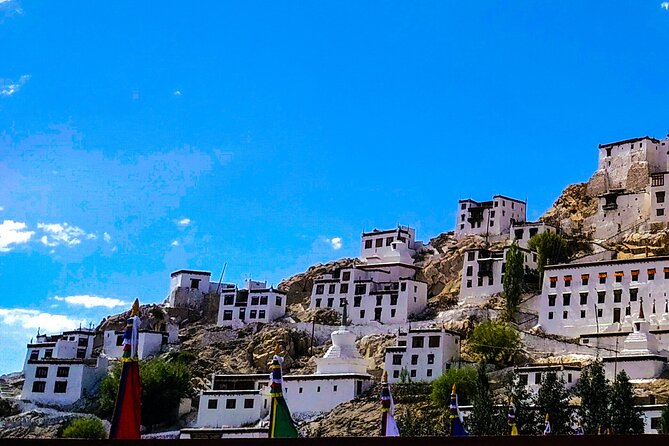
- Two night homestays in Yangthang and Hemis Shukpachen, with a more local pace than big hotels
- Pass crossings (Phobe La, Chagatse La, Tsermangchen La, Mebtak La) that make a “beginner” trek feel real
- Private transportation from Leh with a clear 8:00 am start from the airport area
- Packed meals and included dinners so you can focus on walking instead of hunting food
- Trek guide + walking sticks included, which helps a lot on uneven mountain trails
- You’re not paying for everything twice, since the core trek and homestay support are built in
A Beginner Trek That Still Demands Respect at High Altitude
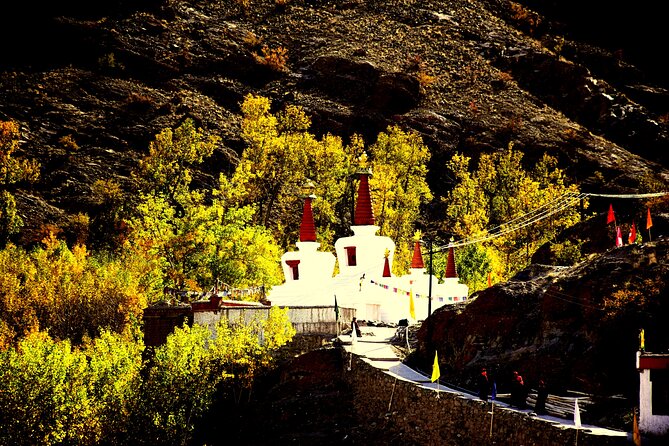
The Sham Valley trek earns its baby-trek label because the walking is short and the grades are often gentle. But Ladakh altitude turns any “easy” plan into a workout. You may be able to handle the distance fine, yet still feel tired, out of breath, and a bit slower than you expect.
That’s why I like this itinerary for first-timers and warm-ups: it gives you that reality check in a controlled package. You’ll build confidence crossing passes and descending gorges, and you’ll learn how your body reacts to thin air—without committing to a long expedition.
Also, the trek style is very practical. You’re not doing technical scrambling or requiring special gear beyond what you’d use on a guided hike. You’re simply walking in a landscape that’s stark, beautiful, and dry—plus high enough that you should hydrate and pace yourself.
You can also read our reviews of more tours and experiences in Leh.
Day 1: Likir (3,650 m) to Yangthang via Phobe La and Chagatse La
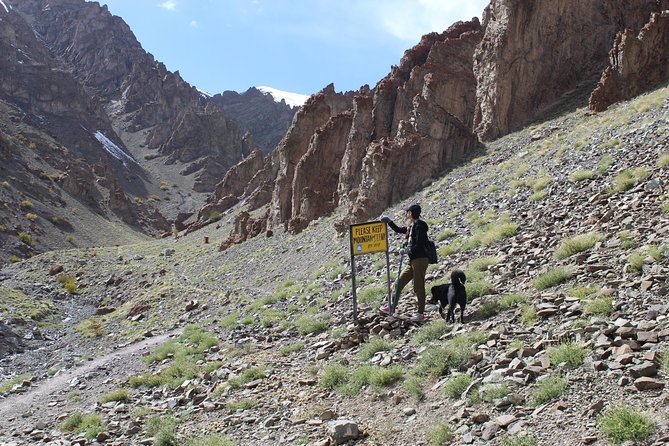
Day 1 starts with a taxi ride from Leh to Likir, about 58 km away, and then you begin walking at Likir village (around 3,650 m). Even though it’s a short day, the route is described as warm and exposed, with little shade and limited water. In other words: start early in the day, take it slow, and don’t treat it like a casual stroll.
The trail heads west up toward Phobe La (3,580 m), then continues onward past this pass toward Sumdo village, before rising again to Chagatse La (3,630 m). The key thing here is the steady uphill feel. You’re not just climbing once—you’re building effort gradually, pass after pass, until you reach the right overnight area.
Later in the day you’ll be walking toward Yangthang, with Ridzong Monastery mentioned about an hour south of Yangthang. You end the day with a homestay in Yangthang. That matters because it turns Day 1 from “just a hike” into an actual overnight rhythm—meeting the reality of village life at high altitude, not only passing through.
A practical drawback: Day 1’s warmth and exposure can feel tougher than the elevation numbers alone suggest. If you’re sensitive to heat or sun, you’ll want serious sun protection and a steady pace, especially on the uphill stretches.
Day 2: Tsermangchen La (3,750 m) and Down to Hemis Shukpachen
Day 2 is often the easier-feeling day because it includes an easy walk despite the pass crossing. The approach and descent are gentler, and the trail goes north with some down time, then crosses a stream, and then climbs again west to Tsermangchen La (3,750 m).
Reaching a higher pass on Day 2 is a mental game as much as a physical one. If you paced Day 1 well, you’ll probably feel steadier here. If you pushed too hard on Day 1, you might feel the difference on the later climb—altitude fatigue tends to show up when you least want it.
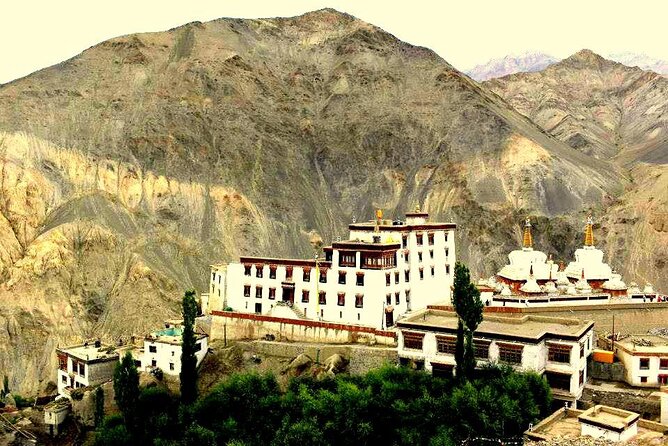
After a short rest at the pass, the trail drops down to Hemis Shukpachen. This village is named after a grove of cedars, and the description you’ll hear from guides focuses on streams, willows, and barley fields—patches of green and water that make the valley feel less barren than the surrounding mountains. Even if your day is mostly legs-and-breathing, it’s a nice payoff: a place where the valley softens a bit.
You sleep in a homestay in Hemis Shukpachen. This stop is one of the highlights because you spend the night in a village that feels pretty and lived-in, not just a waypoint.
What I liked about this day: the way it mixes altitude achievement (a pass) with gentler gradients and real water/stream scenery during the descent. That balance is what makes the trek feel like a journey instead of a grind.
Day 3: Mebtak La Prayer Flags to Ang and Back to Leh
Day 3 starts with another generally easy walk upward between hillocks west of the village, then the route veers south and climbs more steeply to Mebtak La (3,750 m), which is marked by prayer flags. That steep section is the part to treat seriously, not dramatically. Short steps and steady breathing will get you up more safely than trying to power through.
Once you’re at the pass, you head down through a gorge to Ang village. This descent is typically the final big stretch of the trek experience. It’s where you feel your legs after two full days, so it helps to have the walking support you get on this tour (walking sticks are included).
When you reach Ang, your driver meets you in And and takes you back to Leh. The tour ends back at the meeting point near the airport area. So you get closure that feels tidy: you hike, you finish, and then you’re quickly returned to the comfort of Leh logistics.
My practical note: Day 3 is often shorter in emotional weight because you know you’re close to the end. But your body still remembers yesterday. Plan for careful footing on the down portion.
Homestays in Yangthang and Hemis Shukpachen: Real Ladakh Nights
This trek includes accommodation at homestays—one night in Yangthang and one night in Hemis Shukpachen. Homestays aren’t the same as hotels. Expect simple comfort, local hospitality, and the chance to slow down in the valley’s rhythm.
From the feedback you can take seriously, the homestay standard is considered high for this type of route. People also highlight the welcoming feel and the sense of being supported by local families and community along the way.
What I think you’ll appreciate most is that homestays change the whole mood of a short trek. On a 3-day itinerary, it’s easy to imagine you’ll just see villages from the trail. Homestays make you part of the night routine—meals, warmth, and a calmer pace after the hiking work.
If you’re the type who likes small, human interactions during travel, you’re in the right place.
Your Guide and the Small Things That Make the Trek Easier
You’ll have a trek guide included, plus walking sticks. Those “small” items often matter more than people expect. Sticks take pressure off knees and help on uneven slopes. On pass days and descents, they can turn a stressful section into something manageable.
The guide quality shows up in the way the trek feels: patient, calm, and tuned to your pace. In one account, So-nam is specifically mentioned as experienced, kind, and patient. That’s the kind of guide you want on a short trek where you still need to take altitude seriously.
Also, the organization and communication are part of the value. Names come up from the team behind the scenes—Fida Hussain Tangrong is mentioned in responses, and one guest notes he had fluent German. Even if you don’t need that language, it hints at a team that pays attention to guest comfort and communication.
In real terms, it means you spend less time worrying and more time walking.
Price and Value: What $400 Buys You in Real Hiking Terms
At about $400 per person for 3 days, this trek is priced as a short guided package with core support included. You’re getting private transportation, a trek guide, walking sticks, homestay accommodation, and meals: breakfast, dinner, and a packed lunch each day.
Here’s what that means for your budget. You’re not just paying for “someone to walk with you.” You’re paying for the quiet infrastructure: transport to the trailhead, food planning, basic gear support, and a place to sleep in the valleys you can’t easily manage on your own as a visitor.
What’s not included matters for planning:
- Tips for guide/hosts
- Porters (so you’ll carry your own daypack)
- Bottled water
- Ponies
- Insurance and medical emergency coverage
If you already know you’ll buy bottled water and possibly pay tips, factor that into your total cost. But the core trek itself isn’t nickel-and-dimed. That’s why I consider it decent value for a guided, altitude-aware beginner trek.
Fitness Level and Altitude Reality Check (No Shortcutting)
The trip asks for a moderate physical fitness level. That matches the feel of a “baby trek” that still goes over passes near 3,580 to 3,750 meters. Your body may handle the effort, but altitude may still hit your breathing and energy.
This is why pacing is everything. Even when the gradients are described as gentle, you’re walking high. Take your time on ascents, don’t sprint to prove a point, and keep an eye on fatigue.
You’ll also want to be ready for a first day that’s warm and exposed, plus a third day that includes a steeper climb to the pass. The trek isn’t technical, but it’s not a flat easy hike either.
What’s Missing From the Inclusions (Plan This Part Yourself)
The tour includes walking sticks, meals, guide, and homestays, but a few key comfort items are on you.
Here’s what I’d plan for before you go:
- Bring your own water strategy since bottled water isn’t included.
- Carry essentials for sun and dryness, especially on the warmer, less shaded sections.
- Don’t assume a porter: porters aren’t included, so pack smart and keep your daypack manageable.
- Have your own insurance. The tour does not include it, and medical emergency coverage isn’t listed as included.
Ponies are also not included. That keeps the experience more traditional, but it means you’ll hike the whole way.
Weather and Timing: Good Conditions Make This Trek Way More Enjoyable
This experience requires good weather. That’s not just a fine print detail. When you’re hiking near passes in thin-air terrain, conditions can change quickly. Good weather keeps the trails manageable and helps with visibility.
The start time is 8:00 am from the meeting point near Kushok Bakula Rimpochee Airport area. That early start helps you beat heat on exposed stretches and gives you a wider margin if the day runs slowly due to altitude.
For day-to-day mindset: expect to move at a slower pace than you might on a similar hike at lower elevation.
Should You Book the Ladakh Sham Valley Trek?
If you want a short Ladakh trek that feels beginner-friendly but still gives you real pass crossings and meaningful village nights, I’d say yes. This is a strong fit if you:
- want a 3-day warm-up trek in Ladakh without committing to a longer journey
- like guided hikes with a calm, experienced approach
- enjoy homestay travel and want small-valley experiences rather than big-city tourism
Skip it or reconsider if you know you struggle with altitude or if you’re expecting shade-heavy, fully casual walking. Day 1’s warmth and the repeated pass days mean you’ll work, even if the route is described as easier in terms of gradients.
If you’re booking, take it seriously as a real high-altitude trek—even when it’s marketed as a baby trek. Pace well, pack smart, and you’ll finish Day 3 with the kind of accomplishment that feels earned, not rushed.
FAQ
How long is the Ladakh Sham Valley Trek?
The trek runs for approximately 3 days.
Where does the experience start, and what time does it begin?
The meeting point is near Kushok Bakula Rimpochee Airport in Leh, and the start time is 8:00 am.
Is pickup or transportation included?
Yes. Private transportation is included, and pickup is offered from Leh for the trek.
Where do you stay during the trek?
You stay in homestays, one night in Yangthang and one night in Hemis Shukpachen.
What meals are included?
Breakfast and dinner are included, and you also receive a packed lunch for the trekking days.
Is a trek guide included, and are walking sticks provided?
Yes. A trek guide and walking sticks are included.
Are bottled water, porters, or ponies included?
No. Bottled waters, porters, and ponies are not included.
What fitness level do I need?
The tour advises a moderate physical fitness level.
What happens if the weather is bad or I cancel?
This experience requires good weather. If it’s canceled due to poor weather, you’ll be offered a different date or a full refund. It also has free cancellation: you can cancel up to 24 hours in advance for a full refund.