REVIEW · KATHMANDU
Everest Base Camp trek- 11 days
Book on Viator →Operated by Mount Face Nepal · Bookable on Viator
There’s something electric about the Kathmandu to Lukla day—especially with the early flight and sunrise views. From there, this Everest Base Camp route strings together famous Khumbu stops, steady acclimatization, and the kind of scenery you can’t really get anywhere else.
What I like most is how the trip handles the big logistics for you: airport-style pickup and drop, air fare included for the Kathmandu–Lukla–Kathmandu flights, and full-board meals on the trek. I also appreciate the human touch built in—an experienced, government-licensed guide plus a porter system so you’re not dragging your life up to 5,000m+.
One consideration: this trek demands real altitude toughness and a moderate fitness baseline. If you’re hoping for an easy walk every day, the climb days can feel like work even when the views are doing their best to distract you.
In This Review
- Key highlights at a glance
- Day-by-day: what you’re really signing up for
- Day 1: Kathmandu to Lukla, then hike to Phadking
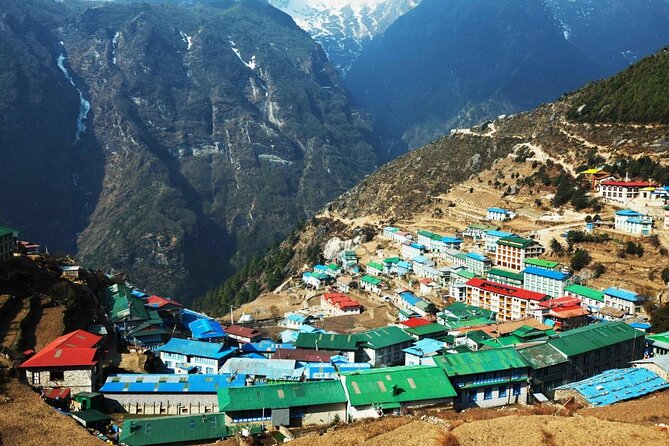
- Day 2: Phadking to Namche Bazaar (the gateway feeling)
- Day 3: Acclimatization day in Namche
- Day 4: Namche to Tengboche for monasteries and major views
- Day 5: Tengboche to Dingboche (higher, colder, focused)
- Day 6: Dingboche to Lobuche (nearing the “event” zone)
- Day 7: Lobuche to Gorakshep, then Everest Base Camp
- Day 8: Kalapathar at 5,545m, then down to Pheriche
- Day 9: Pheriche back to Namche
- Day 10: Namche to Phadking and Lukla
- Day 11: Lukla back to Kathmandu
- Logistics that actually matter: flights, permits, and porters
- Food and comfort: full board in the Everest region
- The real value of the price ($1,699) and what to budget beyond
- Who should do this trek (and who should consider a different plan)
- Final call: should you book Everest Base Camp with Mount Face Nepal?
- FAQ
- Where does the trek start and what time?
- Is airport pickup included?
- Are the flights included?
- What meals are included during the trek?
- Will I have a guide and porter?
- Are trekking permits and TIMS included?
- Is hotel and food in Kathmandu included?
- Do I need travel insurance?
- What extra costs should I plan for?
- Can I cancel for a full refund?
Key highlights at a glance
- Lukla flight with sunrise views to kick off the adventure in one dramatic motion
- Namche Bazaar acclimatization at 3,435m so you don’t rush your body
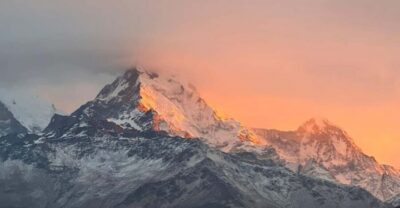
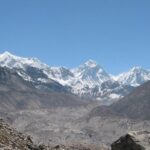
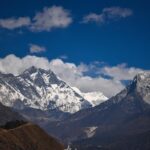
- Monasteries in Tengboche plus big Everest–Lhotse–Nuptse sightlines
- Khumbu Icefall and Everest Base Camp day where the effort finally clicks
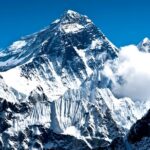
- Kalapathar viewpoint at 5,545m for the best look at the highest peak
- Dipu-led support and smooth planning noted in past trek experiences
Day-by-day: what you’re really signing up for
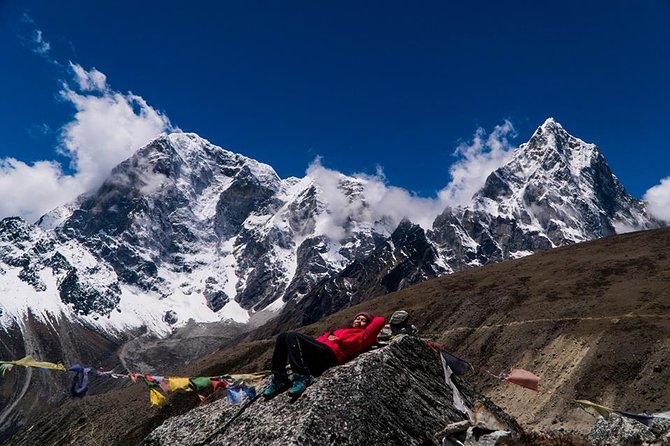
This is an 11-day, classic Everest Base Camp trek built around gradual altitude gains, a proper rest step, and enough back-and-forth altitude movement to help you adapt. The route is also designed so you’re not just staring at mountains—you pass through Sherpa towns, monasteries, and working trekking villages that feel lived-in.
The itinerary is also structured for practical trekking rhythms: walk days that get you higher, then days or partial days that lower strain. That matters because at this altitude, your body cares more about how fast you climb than how brave you feel on a flat road.
You can also read our reviews of more tours and experiences in Kathmandu.
Day 1: Kathmandu to Lukla, then hike to Phadking
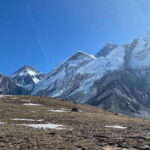
You start from Thamel, Kathmandu at 7:15am, then transfer to catch the early Lukla flight. The highlight here is the approach: sunrise over snowcapped peaks as you fly into Lukla (2,850m). For many people, this is the emotional switch from travel mode to real trekking mode.
After landing, you hike to Phadking (2,660m). That first walking day is a tone-setter. It’s not the hardest day on paper, but it helps you start moving at altitude without jumping too far too fast.
Day 2: Phadking to Namche Bazaar (the gateway feeling)
Today climbs you into Namche Bazaar (3,435m), often described as the gateway town to the Everest region. This is where the trek stops feeling like “just trails” and starts feeling like a network of places: lodges, viewpoints, and Sherpa-run shops.
Namche sits at a sweet spot for context. You’ll see how trekking culture works day to day—an important part of the experience if you care about the human side, not just the summit photo.
Day 3: Acclimatization day in Namche
Acclimatization is the secret sauce on this itinerary. You stay in Namche Bazaar (3,435m) rather than pushing straight higher. This is a day that usually feels slower, but it’s one of the most valuable parts of the trek.
Even if you feel okay on Day 2, Day 3 helps your body adjust to altitude breathing. It also gives you time to soak in the town and get comfortable with the “mountain routine”: slower pace, extra water attention, and warmer layers than you think you need.
Day 4: Namche to Tengboche for monasteries and major views
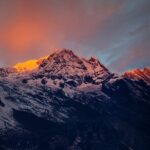
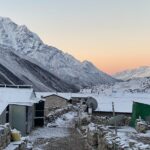
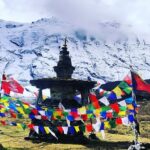
From Namche to Tengboche (3,890m), you get one of the best cultural stops on the route—Tengboche Monastery—plus the kind of mountain views that make people stop walking without meaning to.
This day matters because it connects two things you’ll care about at Everest altitude: spiritual place and physical panorama. You’re walking higher, but you’re also landing in a village setup where you can appreciate the region’s Sherpa culture and monastic traditions.
If you’re the type who likes viewpoints and photos, plan to take breaks just to stand still. The mountains don’t move, but your energy levels do.
Day 5: Tengboche to Dingboche (higher, colder, focused)
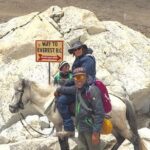
You climb again to Dingboche (4,400m). This is where many trekkers start feeling the altitude more clearly. The pace needs to stay calm. The trick is not pushing because you feel pressured by the schedule.
Dingboche is also one of those bases where you can look around and see why people come here: the wide-open sightlines, the high-altitude village life, and the sense of being deep in the Khumbu area.
Day 6: Dingboche to Lobuche (nearing the “event” zone)
Today takes you to Lobuche (4,910m). This is a serious jump in comfort level compared with lower elevations—not in distance only, but in how cold and thin the air can feel.
You’re now in the part of the trek where the terrain, weather, and your breathing rhythm all matter more. It’s also the stretch where the excitement builds because Everest Base Camp is finally close enough to be real, not theoretical.
Day 7: Lobuche to Gorakshep, then Everest Base Camp
This is the big day. You go from Lobuche to Gorakshep (around 5,380m), and then head on to Everest Base Camp before returning to Gorakshep (about 5,180m).
Why it’s so memorable:
- You’re walking in the altitude zone where the air feels thinner and your pace slows automatically.
- You’re in the region connected with the Khumbu Icefall—one of the most dramatic features people associate with this trek.
- When you reach Base Camp, the whole journey suddenly makes sense.
This isn’t a sprint day. I’d treat it as a controlled effort day: steady steps, frequent small rest stops, and clear hydration habits.
Day 8: Kalapathar at 5,545m, then down to Pheriche
Today starts with Kalapathar (5,545m)—the viewpoint many people aim for because it offers a strong look at the world’s highest peak. Then you descend to Pheriche (4,320m).
This day is basically two experiences:
1) A high-altitude viewpoint push where your legs and breathing matter.
2) A descent that helps you recover while still feeling like you’re going somewhere important.
If you manage your effort on Kalapathar, the afternoon descent can feel like a gift. If you overdo it early, you’ll pay later. Either way, you’ll remember this day.
Day 9: Pheriche back to Namche
You move back down to Namche (3,435m). This helps your body recover while keeping you in the trek flow. It also gives you time to revisit the feeling of Namche as a place where you can breathe easier and reflect on how far you’ve come.
Mentally, this day can be surprisingly meaningful. You’re not “arriving” yet, but you’re no longer climbing toward the unknown.
Day 10: Namche to Phadking and Lukla
You continue down to Phadking and then to Lukla (around 2,835m). This is the practical wrap-up stage. You’ll likely feel physically tired but also relieved—your legs are working less against altitude.
It’s a good day for simple trekking satisfaction: warm clothes, proper rest, and realizing that tomorrow isn’t another “big climb” day—it’s the return flight.
Day 11: Lukla back to Kathmandu
You fly from Lukla to Kathmandu to end the trek. After days at altitude, Kathmandu feels loud and close. It’s when you start thinking about food, shower comfort, and the quiet disbelief that you were just standing near Everest.
Logistics that actually matter: flights, permits, and porters
Everest Base Camp treks can fall apart on details: confusing paperwork, missed flights, and last-minute stress. This one tries hard to keep you focused on the trail.
Here’s what’s covered on the operational side:
- Pickup and drop to the local airport for your Lukla flights
- Air fare Kathmandu–Lukla–Kathmandu
- A government license holder guide
- Porter support to carry your baggage
- TIMS card included
- Trekking permits needed for restricted area trekking included
- First aid kit included
- Best available accommodations during the trek
- Farewell dinner prior to departure
A useful note: the operator normally provides 1 porter for 2 clients. That balance matters because it helps you travel without turning the trek into a weight-hauling contest. You still carry your day items, but your main bag isn’t a burden.
Also, the experience is listed as private, so your group stays together. That tends to make the pacing feel more natural, especially if you have different comfort levels.
Food and comfort: full board in the Everest region
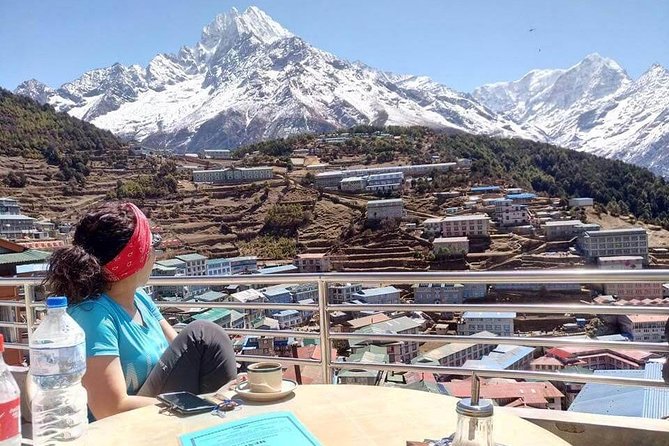
You get breakfast, lunch, and dinner during the trekking period. That’s a huge practical advantage. When you’re at high altitude, meal reliability saves energy—literal and mental.
Drinks are not included, and that’s worth planning for. Lodges often offer hot drinks and other options, but you should expect extra costs for beverages beyond what’s included. Pack your hydration habits early: small consistent sips tend to be easier than trying to catch up later.
Accommodations are described as “best available,” but the key takeaway is this: at these elevations, comfort is mostly about warmth, blankets, and clean routines—not luxury. If you know that going in, you’ll judge the trip fairly and enjoy it more.
The real value of the price ($1,699) and what to budget beyond
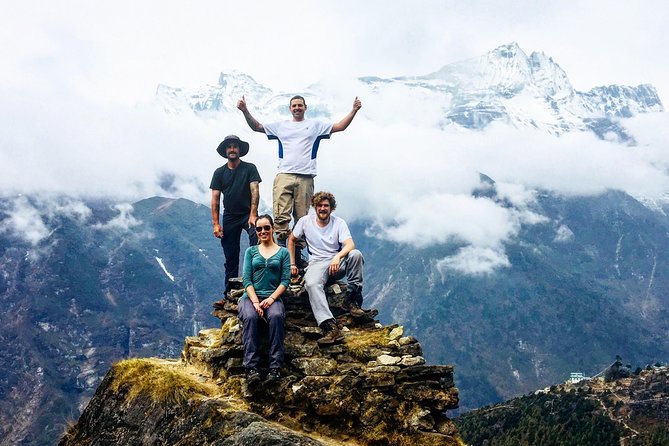
At $1,699 per person, the value depends on one question: what are you paying for besides the dream view?
This package includes:
- Flights: Kathmandu–Lukla–Kathmandu
- Airport transfers (pickup and drop to the local airport)
- Full-board meals on trek days
- Guide and porter support
- Trekking permits and required systems (TIMS)
- Ground transport back to Kathmandu from the trekking destination
- A farewell dinner
- Travel insurance for the trekking staff and the operational side of staffing, as listed
What you should budget extra for:
- Nepal entry visa fee
- International airfare and airport departure tax
- Travel insurance (for you)
- Tips for trekking staff
- Drinks (hot/soft/cold) and liquors
- Hotel in Kathmandu
- Lunch and dinner in Kathmandu
- Personal shopping, laundry (if any), and personal gear
In plain terms: you’re not paying just for scenery. You’re paying for a pre-arranged system that handles the high-friction parts—flights, permits, and daily logistics. For most people, that reduces risk and stress more than it increases cost.
Who should do this trek (and who should consider a different plan)
This trip asks for moderate physical fitness and mental patience. If you’re used to hiking a few days in a row, walking slower at altitude won’t surprise you. If you’re newer to multi-day elevation travel, take the acclimatization seriously and don’t treat the itinerary like a challenge run.
This is a great fit if you want:
- a classic Everest Base Camp experience with major cultural stops (Namche, Tengboche)
- a route that builds in acclimatization instead of skipping it
- guided support with porter assistance
- the “once-in-a-lifetime” combination of Everest panoramas and Khumbu community life
If you’re expecting zero cold, zero fatigue, or a fast pace to the goal, you might feel frustrated. High-altitude trekking rewards calm pacing and preparation.
Final call: should you book Everest Base Camp with Mount Face Nepal?
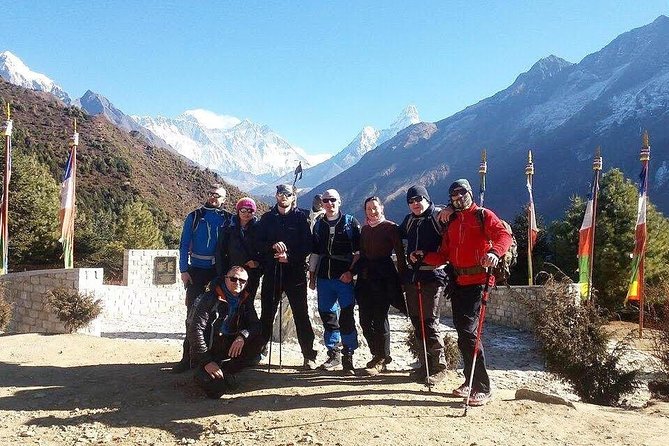
I’d recommend booking this trek if you want a well-structured Everest Base Camp plan where the big moving parts are handled for you—especially the Lukla flight coordination, permits/TIMS, guide support, and full-board meals. The inclusion of porter support (normally 1 porter for 2 clients) also helps keep the trekking experience focused on hiking, not hauling.
I’d hesitate if you’re unsure about altitude hiking or you’d be upset by extra costs for drinks, tips, and Kathmandu meals/hotel. Also, if flexibility is important to you, remember that costs can be recalculated if trekking days get modified.
If you like honest planning and you want your effort to go into the trail and the views, this is the kind of trek that fits.
FAQ
Where does the trek start and what time?
The trek starts in Thamel, Kathmandu (44600, Nepal) with a start time of 7:15am. The tour also ends back at the meeting point.
Is airport pickup included?
Yes. The package includes pickup and drop to the local airport for your Lukla flights.
Are the flights included?
Yes. The trek includes air fare for Kathmandu–Lukla–Kathmandu.
What meals are included during the trek?
You get full board meals during the trekking period, including breakfast, lunch, and dinner.
Will I have a guide and porter?
Yes. It includes a government license holder guide and a porter to carry your baggage.
Are trekking permits and TIMS included?
Yes. The package includes TIMS card and trekking permits needed for restricted area trekking.
Is hotel and food in Kathmandu included?
No. Hotel in Kathmandu and lunch and dinner in Kathmandu are not included.
Do I need travel insurance?
Travel insurance is not listed as included for you. The package notes travel insurance for guides and porters is covered, but travel insurance for the traveler is not included.
What extra costs should I plan for?
Not included items include Nepal entry visa fee, international airfare and airport departure tax, tips, drinks, personal shopping/laundry, and personal trekking equipment.
Can I cancel for a full refund?
Yes. You can cancel up to 24 hours in advance for a full refund.