REVIEW · KATHMANDU
Everest Base Camp Trek
Book on Viator →Operated by Adventure Blossom Treks and Expedition Pvt.Ltd · Bookable on Viator
Everest calls, and the trek answers. This guided Everest Base Camp experience in Nepal pairs a Kathmandu stay with a flight into the mountains, a full trekking support team, and basic tea house living so you can focus on one thing: moving toward the foothills of the world’s highest peak. You also get warm gear rental support and an English-speaking guide team to help you manage the route at altitude.
What I love is how practical the support feels on paper and in the care shown in the feedback: an experienced guide, an assistant guide, and porters are included based on group size. I also like that you’re not left scrambling for essentials—down jackets and sleeping gear are available on a rental basis, and your food plan includes 11 breakfasts, 11 lunches, and 11 dinners with tea or coffee tied to tea house overnight stays. The main drawback to weigh is altitude: this trek is hard in terms of elevation, and the operator explicitly asks for moderate physical fitness.
One more consideration: the route depends on weather. They call it a good-weather experience, and if conditions fail, you’ll be offered a different date or a full refund—but the trip itself is non-refundable once booked. If your timeline is tight or your health isn’t ready for sustained elevation, you’ll want to think hard before committing.
In This Review
- Key things that make this trek work
- Kathmandu First: The Comfort Setup You Want Before Altitude
- The Flight to Lukla: Where the Trek’s Mood Changes
- Your Trekking Team: Why the Names Matter (Sunita and Himal)
- Down Jacket and Sleeping Gear Rental: Cold Weather Without the Shopping
- Tea House Life: The Food Plan Is Simple, Not Fancy
- The Trek Toward Everest Base Camp: The Point Is the View and the Change
- Altitude Reality Check: This Trek Is for the Moderate-Fitness Crowd
- Price and Value: What $1,820 Covers (and Why It Can Be Fair)
- Weather and Timing: The One Risk You Should Not Ignore
- Trek or Helicopter Views: Choosing Based on Your Fitness
- Should You Book Everest Base Camp With Adventure Blossom Treks
- FAQ
- What’s included in the Kathmandu stay?
- Is airport pickup and drop-off included?
- Do I get help with trekking logistics?
- Are trekking warm layers included?
- Is food included during the trek?
- Are beverages included?
- Do I need international airfare and travel insurance?
- What happens if weather is bad?
Key things that make this trek work
- Private trekking team: an English-speaking guide plus an assistant guide and porters based on your group size.
- Lukla flight included: domestic flight cost to Lukla is part of the package, which cuts a lot of ground travel.
- Warmth support: down jacket and sleeping gear are available through rental (so you’re not stuck buying gear in a rush).
- Tea house meals planned: 11 breakfasts, 11 lunches, and 11 dinners, plus tea/coffee with overnight tea house stays.
- Kathmandu base organized: 3 nights in a standard twin-sharing room with breakfast, plus airport pickup and drop-off.
Kathmandu First: The Comfort Setup You Want Before Altitude
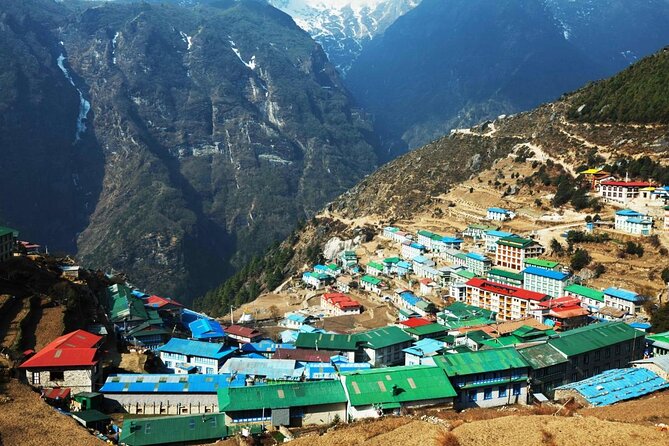
Most Everest trips go wrong in the days right before the mountains. This one starts in Kathmandu with structure, not chaos. You get three night tourist standard twin-sharing accommodation on a bed-and-breakfast basis, and the team includes airport pickup and drop-off by private vehicle based on your group size. That matters because Kathmandu arrival days are when jet lag and confusion hit hardest.
You’ll also have a mobile ticket for the experience. That sounds small, but it helps you reduce the number of times you need to hunt down details on paper or wait for last-minute confirmations. If you’re the kind of traveler who wants to keep things simple, this style of logistics helps.
Two practical notes I’d keep in mind. First, your room is twin-sharing and standard, not luxury. It’s there to get you sleep and reset your body before the trek. Second, beverages are not included, so if you plan on buying drinks or snacks in Kathmandu, you’ll want a little cash or card ready.
You can also read our reviews of more tours and experiences in Kathmandu.



The Flight to Lukla: Where the Trek’s Mood Changes
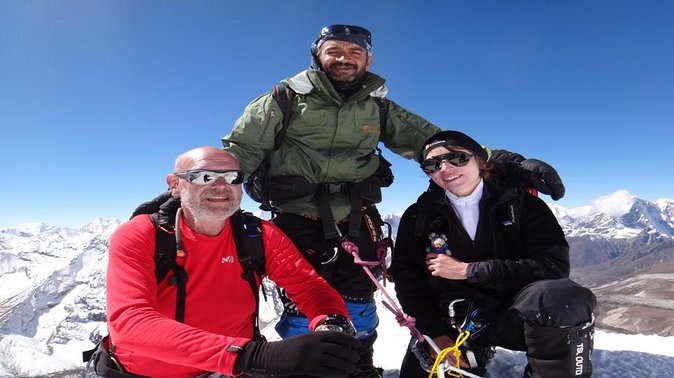
A major piece of your package is the domestic flight cost to Lukla. That short flight is doing real work: it gets you into the high-country approach quickly, and it also sets expectations. Once you’re near the trek start, you’re no longer thinking about big city comforts. You’re thinking about layers, walking time, and how your body reacts.
Since the experience is guided and includes an English-speaking trekking guide and assistant guide, you should expect help with day-to-day decision-making once you’re in motion. Guides typically help you pace properly at altitude, and with this trip that’s not a luxury. The trek is explicitly described as difficult due to altitude, which tells you the pace and acclimatization style matters.
If you’re feeling unsure about your fitness, don’t treat that as a minor concern. The operator says travelers should have moderate physical fitness level. That means you’ll want to be prepared for sustained trekking on mountain terrain, with cold temperatures and thinner air working against you.
Your Trekking Team: Why the Names Matter (Sunita and Himal)
Here’s where the human side shows up. The included team is not just a guide who hands you a map and waves. You get an English-speaking trekking guide, an assistant guide, and porters sized to your group.
In the feedback I saw, Sunita and Himal came up in a big way for going out of their way to look after people and make the experience feel safe and smooth. That’s exactly what you want on an Everest trek: someone who understands how the route behaves, how the group should move, and how to respond if plans shift.
Porters are included as part of the support structure. They don’t eliminate the effort of walking, but they can remove some weight from your body. Less load tends to mean better energy management when altitude starts draining you. And since the trek includes cold-weather support via down jacket and sleeping gear rental, the team’s job becomes easier: they can help you focus on travel decisions rather than gear emergencies.
Down Jacket and Sleeping Gear Rental: Cold Weather Without the Shopping
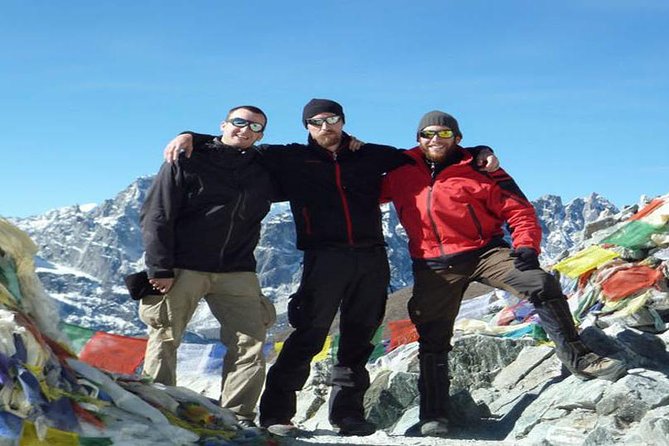
One smart part of this package is that down jacket and sleeping gear are included on a rental basis. Everest-area nights are cold, and cold nights drain you for the next day. Having a provided option is one less headache.
What you should do: plan to use the rental gear well. That means arriving ready to get sized correctly and take care of the clothing the way you would for your own gear. You may also find you’ll want a basic layering system under the rental jacket, since the rental jacket alone may not cover every temperature change.
This is also where practical packing pays off. Even if warmth items are rented, you’ll still need comfort and hygiene basics for tea house living. The trip’s meal plan is clear, but the comfort side is mostly on you.
Tea House Life: The Food Plan Is Simple, Not Fancy
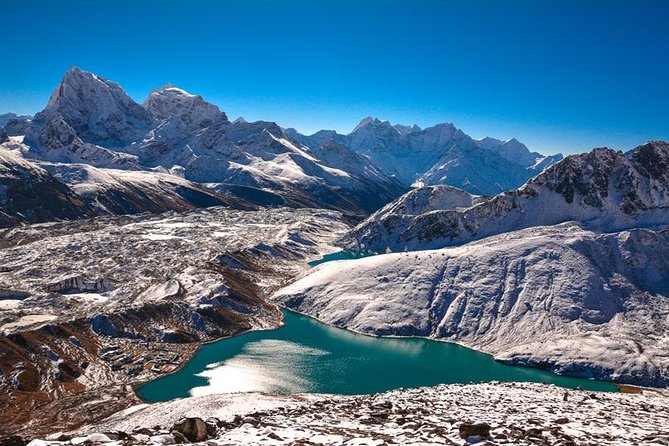
This is not a hotel-to-hotel luxury trip. Tea house trekking is a trade-off: you get real routes and real atmosphere, but you eat basic meals and live with simple facilities.
Your package includes 11 breakfasts, 11 lunches, and 11 dinners. You also get 1 cup of tea/coffee with overnight tea house stays, and your meals are described as single item food. Translation: expect a consistent, filling routine rather than gourmet variety.
Two things I like about this setup. First, it reduces decision fatigue. On a trek, when you’re tired, hunger decisions add stress. Second, it supports the pacing. When you know meals are planned, you can focus on walking and altitude.
One clear limitation: beverages aren’t included. So if you want more than the included tea/coffee, budget separately. If you’re someone who relies on extra drinks or snacks, bring a plan so you’re not surprised when the menu doesn’t match your expectations.




The Trek Toward Everest Base Camp: The Point Is the View and the Change
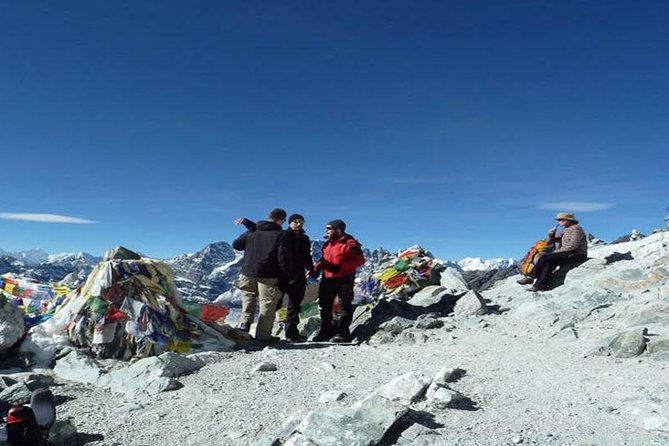
The goal here is the foothills of Mount Everest and the iconic destination people chase for a lifetime dream. The trekking experience is described as offering natural beauty and a chance to feel how Himalayan communities live and organize daily life.
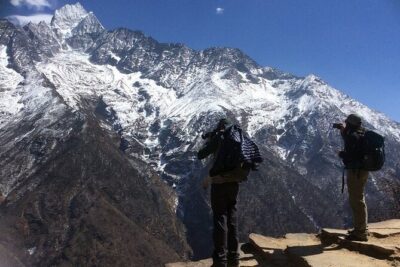
Why this matters beyond photos: the trek format changes you. You start seeing mountains not as a distant poster, but as part of your daily weather. Clouds move differently at altitude. Light hits ridgelines at angles that feel almost unreal. And each day of walking makes the summit story feel more personal, even if you never go higher than the Base Camp area itself.
The “worthwhile” factor in this experience is tied to effort. Because altitude is a key challenge, reaching the base camp region isn’t just a destination marker. It’s a physical and mental checkpoint. If you’re choosing this trek, you’re choosing the grind that makes the payoff real.
Altitude Reality Check: This Trek Is for the Moderate-Fitness Crowd
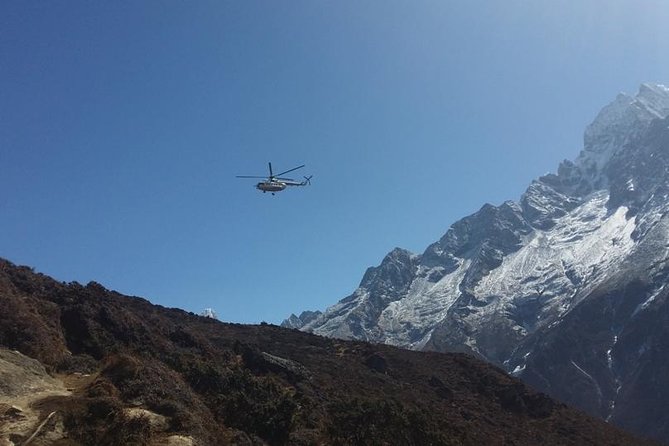
The trek is described as more difficult due to altitude. That line should guide your entire decision.
Altitude affects everything: breathing pace, sleep, appetite, and how quickly you recover. You can’t muscle your way through it with motivation alone. This is why having the guide and assistant guide is central to the trip’s value. Their role is to help you move in a way that makes sense for your body.
Here’s what I’d do before booking if you’re unsure: get honest about your current walking ability. The trek calls for moderate physical fitness, and that’s consistent with a route that demands real stamina. If you’re coming from a sedentary routine, you’ll need more lead time training than you think.
Also, altitude can make mild discomfort feel louder. That’s not a failure. It’s normal. The danger is ignoring the body’s signals. This is exactly why a guided trip is better than a self-planned push.
Price and Value: What $1,820 Covers (and Why It Can Be Fair)
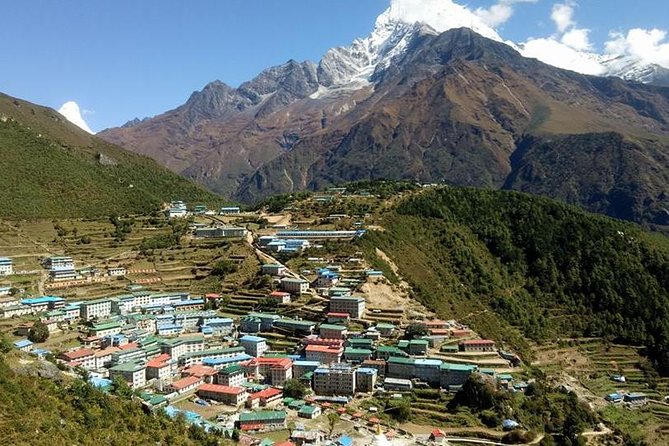
At $1,820 per person, this trek sits in the middle-to-upper range for Nepal trekking packages, and the value depends on what’s included.
From the data you’re getting:
- 3 nights in Kathmandu on bed-and-breakfast in a tourist standard twin-sharing room
- Airport pickup and drop-off by private vehicle
- Domestic flight cost to Lukla
- Down jacket and sleeping gear rental (not purchase)
- A full meal plan across multiple tea house days (11 breakfasts, 11 lunches, 11 dinners) plus tea/coffee with overnight stays
- English-speaking guide, assistant guide, and porters based on group size
That’s not just a guided walk. It’s logistics, food planning, and support staffing built into the price. If you tried to recreate that on your own, you’d spend a lot of time coordinating and you’d still need experienced leadership at altitude.
What’s not included matters too: beverages, international flight fare, and travel insurance, plus tips for guide and porter. So the true cost isn’t just the headline number. If you’re cost-sensitive, set aside extra budget for those gaps.
A fair way to view it: you’re paying for fewer unknowns and fewer last-minute gear problems. On Everest routes, fewer unknowns can be worth a lot.
Weather and Timing: The One Risk You Should Not Ignore
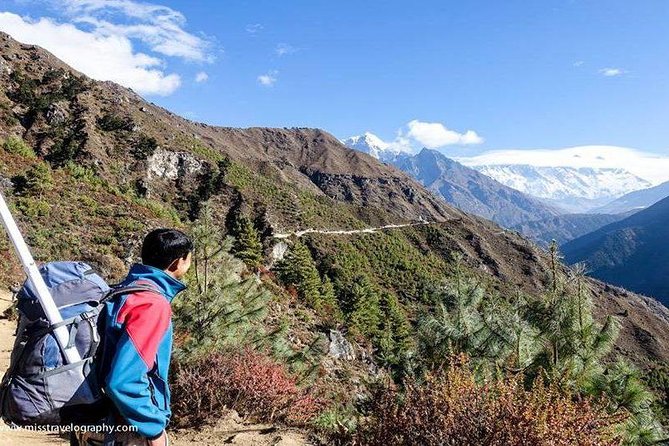
The experience is described as requiring good weather. That’s not marketing fluff. Mountain weather can change fast, and when weather is poor, plans can shift.
The cancellation terms also reflect this reality: if the trek is canceled due to poor weather, you’ll be offered a different date or a full refund. That’s reassuring if you’re flexible.
Still, there’s a trade-off: the experience is non-refundable and can’t be changed for any reason. If your life schedule is strict, you’ll want to treat this trek like a weather-dependent commitment, not a guaranteed calendar event.
Also note the support availability hours listed for the experience: operating windows run from 7:15 AM to 6:15 PM, Monday through Sunday. If you have questions during those hours, you’re more likely to get timely help.
Trek or Helicopter Views: Choosing Based on Your Fitness
Even though this is an Everest Base Camp trek experience, the overall offering highlights a big fork in the road: an Everest helicopter tour option for people who want dramatic views without the physical demands.
If you know you can’t handle altitude trekking or your training isn’t there yet, it’s worth considering that helicopter-style viewing is positioned as the comfort alternative. It’s also aimed at giving you big-picture sightlines over rivers, valleys, farm villages, terraces, and peaks like Lhotse, Makalu, Cho-Oyu, and Mt. Everest itself.
The key is honest self-assessment. If you can do moderate fitness trekking and you’re ready for altitude risk, Base Camp is the meaningful choice. If you’re not there yet, the helicopter option can still get you close to the awe without the strain.
Should You Book Everest Base Camp With Adventure Blossom Treks
Book this trek if you want a guided, structured Everest goal with support built in: an English-speaking guide, assistant guide, porters, gear rental for cold nights, Kathmandu lodging, and tea house meals planned. I especially think it’s a strong fit if you’d rather pay for coordination than spend your time negotiating logistics at altitude.
Skip or postpone if altitude is a question mark for you, or if your schedule can’t handle weather disruption. The experience requires good weather, and the package is non-refundable if you cancel outside weather-related changes.
If you do book, go in with realistic expectations: simple tea house living, basic meals, and lots of walking in thin air. That’s the deal, and that’s also why the destination hits so hard when you finally reach it.
FAQ
What’s included in the Kathmandu stay?
You get 3 night tourist standard twin-sharing rooms in Kathmandu with bed-and-breakfast service.
Is airport pickup and drop-off included?
Yes. Airport pickup and drop-off are included by private vehicle as per your group size.
Do I get help with trekking logistics?
Yes. The package includes an experienced English-speaking trekking guide, an assistant guide, and a number of porters based on group size.
Are trekking warm layers included?
Down jacket and sleeping gear are included on a rental basis.
Is food included during the trek?
Yes. The package includes 11 breakfasts, 11 lunches, and 11 dinners, plus 1 cup of tea/coffee with overnight tea house stays.
Are beverages included?
No. Any kind of beverage is not included (beyond the tea/coffee noted with overnight stays).
Do I need international airfare and travel insurance?
International flight fare and travel insurance are not included.
What happens if weather is bad?
The experience requires good weather. If it’s canceled due to poor weather, you’ll be offered a different date or a full refund.