REVIEW · KATHMANDU
Trek to Everest Base Camp
Book on Viator →Operated by Happyland Treks · Bookable on Viator
First, one word: altitude. This Everest Base Camp trek sends you deep into the Khumbu at real high-elevation levels, with time built in to acclimatize before you chase big views from Kalapathar and Everest Base Camp itself at 5,364m. I also like how the trip is organized so you’re not guessing day-to-day, especially with an English-speaking guide and a porter setup that helps keep your pace sane.
The one thing to keep in mind is the obvious one: you’re walking repeatedly at 3,000m+ and topping out around 5,364m, so you’ll want solid fitness and a calm attitude about moving slower than you might at sea level.
In This Review
- Key highlights you’ll feel on this Everest Base Camp trek
- Price and logistics: what $1,597 buys you (and what it doesn’t)
- Kathmandu warm-up: Day 1 sets your pace for the mountains
- From Kathmandu to Lukla: your first jolt in elevation
- Namche Bazaar: the acclimatization day that actually makes sense
- Tengboche: monastery views and a slower kind of magic
- Down into Debuche, up again: Pangboche and the Ama Dablam factor
- Dingboche rest day: a smart pause before the higher country
- Khumbu Glacier moraine: where your effort starts to feel real
- Gorakshep to Everest Base Camp: the 5,364m moment
- Kalapathar: sunrise views and a descending day that still matters
- The return: Namche and Lukla feel different after EBC
- Kathmandu again: last views, last meals, and a clean landing
- Guides and crew support: why this trip often gets praised
- Who should book this Everest Base Camp trek (and who should pause)
- Should you book this Everest Base Camp trek with Happyland Treks?
- FAQ
- What altitude challenges should I expect on this Everest Base Camp trek?
- How do I get to the trekking start point at Lukla?
- Are tea house stays included?
- Are trekking permits included?
- What food is included during the trek?
- Is there a guide and porter support?
- What should I budget for that is not included?
Key highlights you’ll feel on this Everest Base Camp trek
- English-speaking guide plus porter support (1 porter for 2 clients), so you can focus on your breathing and footing
- Lukla start with Dudh Koshi River scenery and stone villages, right from day one
- Namche Bazaar acclimatization plus an optional hike to Everest View Hotel for first major mountain panoramas
- Tengboche monastery stop where the trail gets quieter and more meaningful
- Gorakshep to Everest Base Camp (EBC) at 5,364m with a real, earned finish
- Kalapathar climb for wide Khumbu Glacier views and the classic Everest-area sightlines
Price and logistics: what $1,597 buys you (and what it doesn’t)
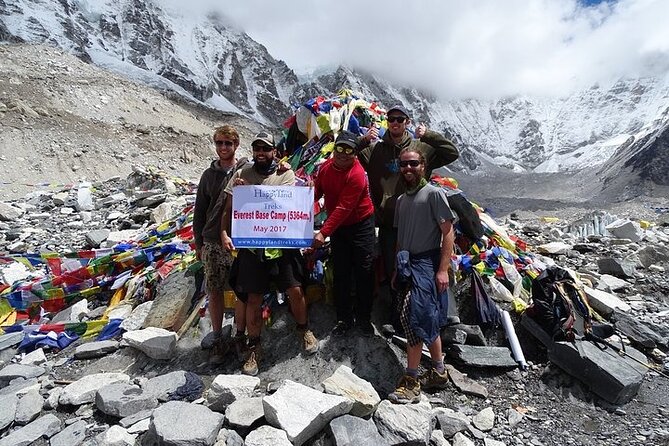
This trek runs about $1,597 per person for a ~14-day package from Kathmandu, with pickup and drop by private transport. The price is mostly paying for coordination that matters at altitude: permits and entry fees, a guide, porter support, and your Kathmandu and tea house lodging structure.
Here’s what you should expect is covered:
- 2 nights in Kathmandu with breakfast
- 11 nights in tea houses on the trekking route
- Trekking permits and entry fees
- English-speaking guide
- Porter: 1 for 2 clients
- Welcome drinks and farewell dinner
- A trip certificate for your Everest Base Camp achievement
And here’s what’s not included, so you can budget without surprises:
- Travel medical insurance and emergency evacuation costs
- International airfare and Nepal entry visa fee
- Food and drinks in the mountains (tea house stays are included, but you’ll still pay for meals and drinks)
- Tipping for your guide and porter (expected)
- Personal gear, hot showers, battery charging, and extra purchases
Value-wise, the biggest win is that you’re not organizing permits, routing, guide matching, and day timing yourself. With Everest Base Camp, that’s not just convenience; it’s how you reduce stress when your body already has enough to deal with.
You can also read our reviews of more tours and experiences in Kathmandu.
Kathmandu warm-up: Day 1 sets your pace for the mountains
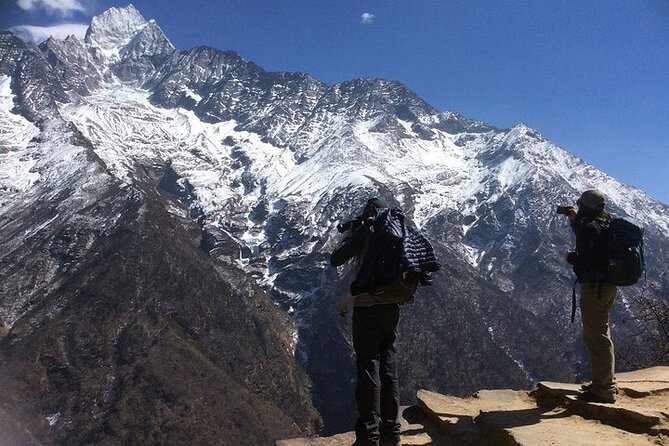
Your trek begins in Kathmandu at an elevation of about 1,350m, with a transfer to your hotel and an evening briefing. I like this format because it gives you a quick runway: you can ask questions, confirm what’s next, and get your kit organized before you jump toward the high Himalaya.
Also, Kathmandu is where the trip’s human part shows up. In past feedback connected to this organizer, people highlighted how Bimal is helpful and welcoming—sorting practical items like Kathmandu guidance for restaurants and lodging. That kind of local support matters if you’re arriving tired or if this is your first time in Nepal.
From Kathmandu to Lukla: your first jolt in elevation
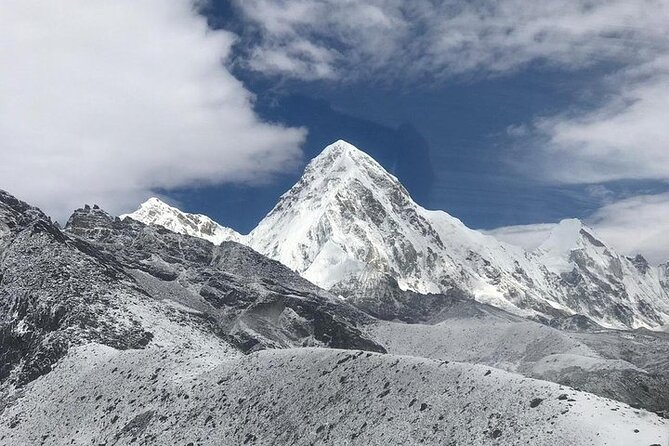
Day 2 is a major shift. You fly from Kathmandu to Lukla (around 35 minutes) and then start trekking down toward Phakding at about 2,652m. The walk is listed as 8 km and roughly 3–4 hours along the Dudh Koshi River, passing stone villages and snow-topped mountain views.
What I like about this start:
- You get mountain views immediately, so the trip feels real from the first morning
- The walk is short enough to help you test your legs without frying yourself
Possible consideration: your body is already adapting. Even when the trekking time is manageable, the altitude jump means you’ll want to keep your effort light, especially on the first day out of Lukla.
Namche Bazaar: the acclimatization day that actually makes sense
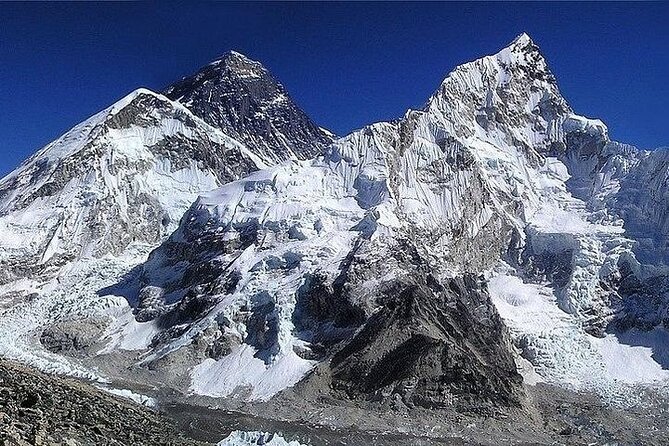
By Day 3, you’ll be heading into Sagarmatha National Park territory, where permits are handled. Then you continue with a steep ascent to Namche Bazaar, with the idea that you’ll get your first distant glimpse of Everest as you settle in.
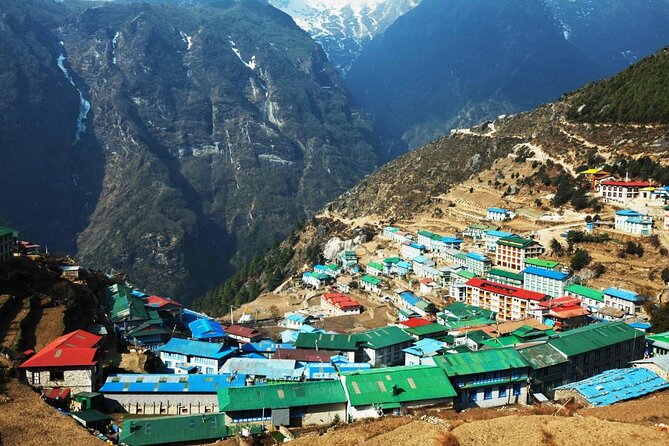
Namche is also where the trek starts to feel like a place, not a trail. On Day 4, the plan includes a rest and acclimatization day at around 3,440m. You can simply explore—this is a good time to take things slow and adjust. There’s also an optional hike (about 3–4 hours) to an Everest viewpoint hotel area, which helps you acclimatize while giving you big panoramic payoff.
Two practical tips I’d follow on a day like this:
- If you feel good, do the hike; if you feel off, keep it shorter and focus on rest
- Move steadily and drink water regularly, since you’re training your body to handle higher altitude
Tengboche: monastery views and a slower kind of magic
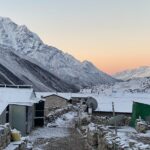
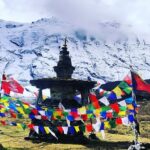
Day 5 brings you up to around 3,800m and ends at Tengboche after about 9.2 km (roughly 5–6 hours). This day is about more than mileage. Tengboche is known for its major Buddhist monastery in the Khumbu region, and that cultural stop changes the vibe of the trek.
It’s also a strong photo day. You’re walking into an area with frequent views of big peaks, and when the weather cooperates you get that clean, sharp Himalayan feeling.
A note on pacing: even though the route is set, you’ll still decide how quickly you climb between stops. At this altitude, consistency beats speed.
Down into Debuche, up again: Pangboche and the Ama Dablam factor
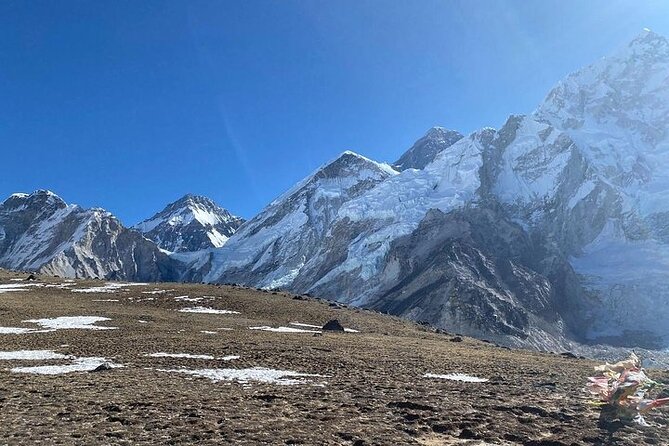
Day 6 drops from Tengboche through rhododendron forest to Debuche, then continues toward Pangboche at about 4,200m, with views along the way. You’ll cross the Imja Khola River and the plan calls out the chance to see Ama Dablam and other mountains.
This is one of those days where the scenery is the reward, but the trail still asks for steady effort. In practice, it helps to keep your breaks short and frequent. You’ll feel less drag than if you stop for long stretches.
Dingboche rest day: a smart pause before the higher country
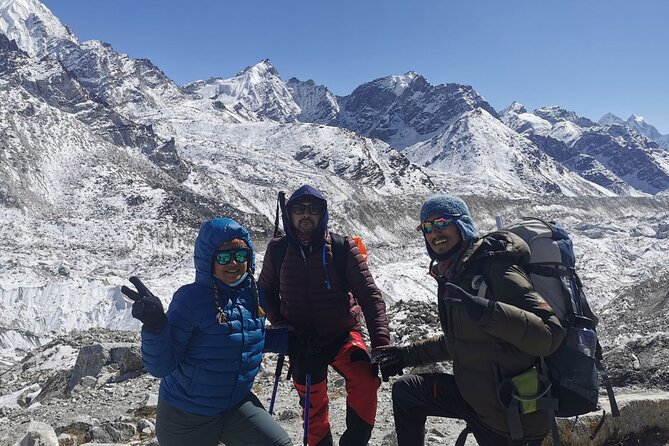
After several demanding days, Day 7 gives you a free day to rest in Dingboche (around 4,900m is later, but Dingboche itself sits at a high-altitude level). The plan includes an option for an acclimatization hike to Nangkhartshang Peak (5,083m) that could take 3–4 hours.
If you’re the type who likes structured goals, this is a great day to challenge yourself without committing to the hardest work. If you’re more cautious, you can skip the hike and just focus on sleep, hydration, and slow walking.
Khumbu Glacier moraine: where your effort starts to feel real
Day 8 goes up to about 4,900m and includes a walk around 11–12 km (roughly 6–7 hours). The highlight here is ascending steeply on the moraine of the Khumbu Glacier, described as the highest glacier in the world.
This is the stage where you’ll notice altitude not just in your breathing, but in your legs. The moraine terrain can feel uneven and demanding. I recommend treating this like a workday: small steps, steady rhythm, and no hero moves.
Gorakshep to Everest Base Camp: the 5,364m moment
Day 9 is the big push. You hike from Gorakshep (about 5,180m) to Everest Base Camp at 5,364m. The walking distance is listed as 15 km over about 6–8 hours, and it notes the terrain can be challenging due to rocky ground and icefall areas.
The reason this day is so important isn’t just that you reach EBC. It’s that you do it after acclimatizing properly—so when you arrive, it feels earned, not like luck.
When you get there, plan for time to take photos and absorb it. Base Camp is active: groups, prayer flags, and a sense of the mountaineering world. Even if you’re not into climbing culture, it hits.
Kalapathar: sunrise views and a descending day that still matters
Day 10 starts early with a climb of about 2–3 hours to Kalapathar (around 5,545m), meaning black rock. You then descend back to Gorakshep, and continue onward to Pangboche at about 4,320m.
I love Kalapathar because it’s more than a viewpoint. It’s a way to see the Khumbu Glacier below and connect the dots of the entire trek—Everest, Nuptse, Changtse, and Lhotse are specifically called out as visible from here.
Then comes the practical side: you’ll be descending and your legs will know it. Trekking downhill can be harder than you expect, so use your trekking poles and keep your steps controlled.
The return: Namche and Lukla feel different after EBC
The comeback route is mostly about legs, not emotions. Day 11 is Pangboche to Namche Bazaar about 13–15 km (roughly 7–8 hours), with a stop in Tengboche for lunch. The walk includes rhododendron and juniper trees and wildlife sightings in the broader sense.
Day 12 takes you back to Lukla, walking 16 km (about 6–7 hours) along the Dudh Koshi River and crossing suspension bridges. The plan includes a celebration with your trekking crew in the evening, which is a nice touch. You’ve worked as a small team for days, and sharing that moment helps it feel like more than just exercise.
Kathmandu again: last views, last meals, and a clean landing
Day 13 returns to Kathmandu after the flight (listed at about 35 minutes). You’ll then transfer to your hotel and have time to explore or relax.
Since the mountain portion includes tea house lodging, Kathmandu is also where you can appreciate real comfort: hot drinks, easier walking, and normal sleep patterns. Day 14 is your final day—stroll, souvenir shopping, then you’ll be driven to the airport.
Guides and crew support: why this trip often gets praised
A clear theme in the feedback connected to this trek is the strength of the human team. Bimal shows up repeatedly as welcoming and helpful—especially with Kathmandu support before the trek. On the mountain side, names like Ngawang and Pramish/Promise appear in traveler notes as supportive, cooperative, and good company.
There’s also praise for hygiene and food handling. Even though meals in the mountains are not included in the package price, a good guide matters because they can help you choose safe, practical options from tea houses along the route.
If you’re doing Everest Base Camp for the first time, pick a trip where you trust the people running it. This one leans that way.
Who should book this Everest Base Camp trek (and who should pause)
This trek is listed for travelers with moderate physical fitness. That’s encouraging, but it doesn’t mean it’s easy. You’re still walking long days at altitude, and the route includes steep sections and a major glacier-zone trek.
You’ll likely enjoy it most if:
- You want the classic Everest Base Camp experience with major checkpoints (Namche, Tengboche, Dingboche, Gorakshep)
- You’re okay spending more time acclimatizing rather than rushing
- You prefer structured logistics with a guide and porter support
You might pause if:
- You’re dealing with health issues that altitude could worsen (this is where medical advice matters)
- You don’t want to handle extra costs on the mountain for meals and drinks
- You’d be unhappy walking 6–8 hours on multiple days
Should you book this Everest Base Camp trek with Happyland Treks?
If your goal is to reach Everest Base Camp at 5,364m with a plan that includes acclimatization days, strong route support, and porter help, this trek is a solid choice. For the money, you’re paying for permits, guidance, lodging structure, and the kind of day-to-day coordination that keeps Everest Base Camp from becoming a stressful logistics project.
My main reason to recommend it: the itinerary gives your body a chance to adapt, and the human support seems to be a real strength—people specifically credit Bimal and mountain guides like Ngawang and Pramish/Promise for making the experience smoother and more comfortable.
If you’re budgeting, just be sure you plan for meals and drinks during the trek, plus tipping. Do that, and you’ll be free to focus on what you actually came for: mountain air, ridge views, monastery moments, and the hard-earned walk into Everest Base Camp.
FAQ
What altitude challenges should I expect on this Everest Base Camp trek?
You’ll start around 1,350m in Kathmandu, trek through multiple high-altitude stages, and reach Everest Base Camp at about 5,364m. The route includes nights in high tea houses and a higher viewpoint day at Kalapathar around 5,545m.
How do I get to the trekking start point at Lukla?
You fly from Kathmandu to Lukla, which is listed as about 35 minutes, then begin trekking from there. You also fly back to Kathmandu at the end of the trek with a flight time listed as 35 minutes.
Are tea house stays included?
Yes. The trip includes 11 nights in tea houses during the trekking portion, plus 2 nights in Kathmandu with breakfast.
Are trekking permits included?
Yes. The package includes all your trekking permits and entry fees, along with relevant government and local taxes.
What food is included during the trek?
Your package includes dinner, plus breakfast during your Kathmandu nights. It also states that any food and drinks in the mountains are not included, so you’ll pay for meals and drinks along the trail.
Is there a guide and porter support?
Yes. The trip includes an English-speaking guide and a porter setup of 1 porter for 2 clients.
What should I budget for that is not included?
Not included items list travel medical insurance and emergency evacuation cost, Nepal entry visa and international airfare, personal equipment, tips for guide and porter, and personal expenses like alcohol, hot showers, battery charging, and water bottle/cold drinks.