REVIEW · KATHMANDU
Langtang Valley Trek
Book on Viator →Operated by Asian Heritage Treks and Travels · Bookable on Viator
Langtang has quiet drama you feel fast. This trek earns its nickname, the Valley of Glaciers, because you spend days watching glaciers and high peaks while also walking through working Tamang villages. I love the mountain views that show up again and again, from ridges on the drive to open grasslands near Nagthali. I also love the English-speaking guides named Hari and Norris, praised for making the trip easier to follow and more meaningful.
Still, you should plan for a real trekking rhythm. Expect long driving days, hikes that range from easy-to-moderate to genuinely tough climbs, and food is not included—only a few breakfasts are covered. You’ll also want a moderate fitness level because some days include steep uphill (including a climb with about 1000 meters of gain).
In This Review
- Key highlights worth your attention
- Getting from Kathmandu to the trails without losing a day
- The long drive to Gatlang and the permits check you must not forget
- Gatlang to Nagthali: thick forest to open grassland views
- Thuman and Briddhim: Tibetan culture markers on the trail
- Sherpa Gaun and Khanjum: prayer walls, terraced fields, and a moderate climb
- Sherpa Gaun to Langtang Village: the tough day with a payoff
- Langtang to Kyanjin Gompa: rivers, big prayer walls, and yak-milk comfort food
- The rest day you can actually use: optional Tserko Ri and monastery time
- Lama Hotel to Syabrubesi: downhill trekking that still takes effort
- Kathmandu free day: use it for real city time, not just dust and shops
- Price and value: what $715.59 covers (and what it doesn’t)
- Who should book this Langtang Valley Trek
- Should you book it?
- FAQ
- How many days is the Langtang Valley Trek?
- What does the tour include for transportation?
- Are permits included?
- Is a guide included?
- Are meals included?
- Do you provide porter support?
- What kind of accommodations do you get?
- What optional activity is available on the rest day at Kyanjin Gompa?
- What is the cancellation window for a full refund?
Key highlights worth your attention
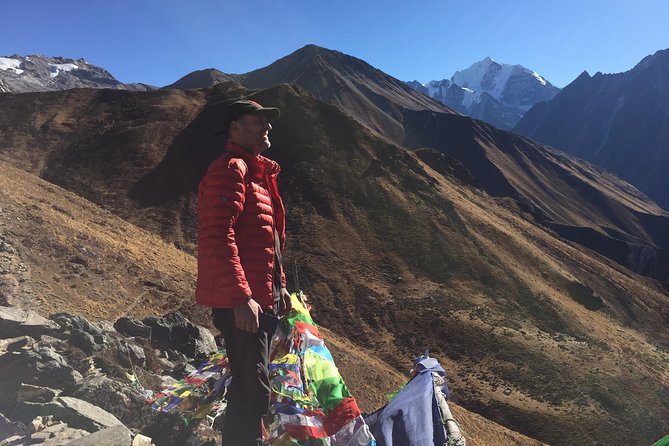
- Valley of Glaciers scenery: glacier-and-peak views without cutting corners on villages.
- Tamang + Tibetan-influenced stops like Thuman, Briddhim, and Kyanjin Gompa, where prayers and daily life mix.
- Langtang National Park walking through rhododendron forests, open grassland, and river crossings.
- Kyanjin Gompa altitude day with an optional hike up to Tserko Ri at about 5,000m.
- Yak-milk food reality check: you can try yak cheese and curd made from yak milk at the Gompa.
- A small group (up to 10) plus porter support (2 trekkers per porter), which helps the workload feel sane.
Getting from Kathmandu to the trails without losing a day
Most Nepal “trek starts tomorrow” packages feel vague on day one. This one gives you a clear landing plan. You arrive in Kathmandu, get met at the airport with your name sign, then drive to a Kathmandu hotel in a private vehicle. On the way, you pass major landmarks like Pashupatinath Temple (UNESCO) and you can spot Narayanhity Royal Palace Museum from outside. You also roll past Garden of Dreams as you approach Thamel—handy for getting your bearings fast.
You’ve got a practical advantage here: the trek actually begins on day two with an organized move out of the city. That matters because the Langtang region is farther than many short hikes, and travel time eats energy if it’s chaotic.
One more Kathmandu note: you might notice pollution in the city, but it tends to feel less noticeable once you’re moving into quieter areas and getting out of the core.
You can also read our reviews of more tours and experiences in Kathmandu.
The long drive to Gatlang and the permits check you must not forget
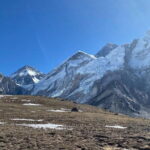
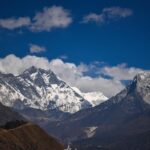
Day two is your biggest “sit and watch” block: an 8–9 hour drive from Kathmandu to Gatlang. The route climbs and you’ll see big-name mountains from the road, including Ganesh Himal, Manaslu, and Annapurna along the way. Even if you’re tired, this drive sets expectations for what you’ll see on foot.
Here’s the thing to treat seriously: you’ll need your TIMS and Langtang National Park permit handy. You show them at the park gate before reaching Dhunche. The trek package includes permits, but you still want them easy to reach in your day bag so you’re not fumbling at the wrong moment.
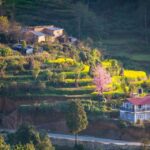
After the drive, you settle into Gatlang, a Tamang village with terraced hills and warm hospitality. This is a good place to start because it doesn’t feel like a tourist staging area. You’ll notice that settlements thin out as altitude increases, and you’ll start feeling the “Valley of Glaciers” idea in the air even before the hiking days stack up.
Gatlang to Nagthali: thick forest to open grassland views
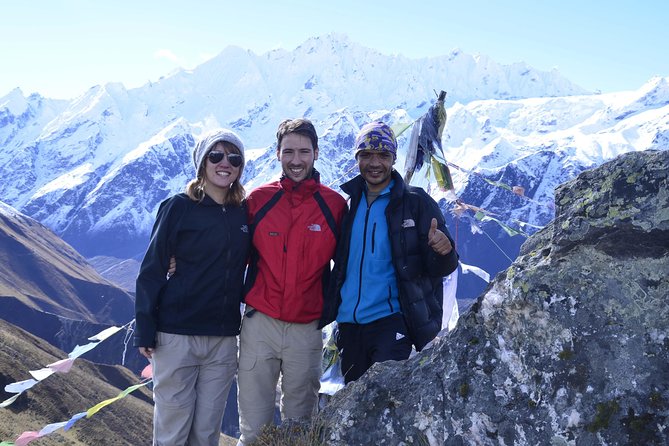
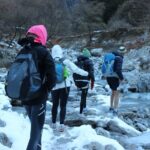
Day three shifts you into walking, starting from a path via Chilime toward Nagthali. The day’s pacing is built around variety: thick forest first, then a transition into open grassland where the views hit harder.
In the forest, you might spot animals such as Nepal gray langur (there’s a chance, not a guarantee), and you’ll be moving through a darker green world that feels calmer than the roadside approach from earlier days. Then you step into a wide opening where you get framed views of the Ganesh Himal, Langtang Range, and Sanjen Ranges.
Nagthali itself has a quieter, older vibe. It used to be a meditation center for local monks and priests, which gives the place a sense of stillness. Even if you’re just passing through, it’s the kind of stop that makes you slow down.
Practical tip: this is the kind of day where you want layers. Forest air can feel cooler and then the open grassland can bring sudden sun.
Thuman and Briddhim: Tibetan culture markers on the trail
Day four is a gentle cultural day mixed with trekking. You start by walking downhill about an hour to Thuman, then continue through rhododendron forests and meadows toward Briddhim.
Thuman is known for Tibetan-influenced culture. That shows in how the village feels and how people move through the landscape. You’ll also keep seeing the Langtang Himalayan range as you go—one of those slow-reveal days where the mountains feel closer with every turn.
Briddhim is another Tamang community with Tibetan influences. This is where you should pay attention to how communities live: people sing and dance, and your guide’s job here is to connect the scenery to daily life. If you like a trek that’s not only about elevation gain, this is one of the days that helps it feel real.
Drawback to consider: this day still includes walking time (about 7 hours), so it’s not a full recovery day. “Cultural” doesn’t mean “easy.”
Sherpa Gaun and Khanjum: prayer walls, terraced fields, and a moderate climb
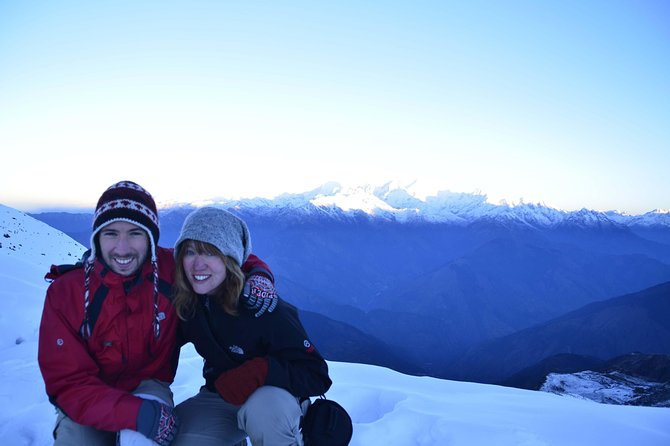
Day five starts from Briddhim and works through forests, terraced fields, and villages. One highlight is Sherpa Gaun, where you’re higher up and the mountain views feel bigger.
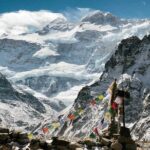
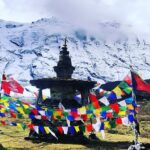
The route climbs toward Khanjum village and you pass through religious trail markers like chortens, mani walls, and prayer flags. If you’ve never walked near these before, it’s a different kind of sight: not just decoration, but a moving, living road of beliefs.
The hike is described as generally moderate, but that’s not the same as flat. The terrain can still feel tiring, especially after a few trekking days. The upside is that this is another “you get multiple views for your effort” day, with sightlines toward Langtang Lirung, Langtang II, and Ganesh Himal.
Also keep an eye on nature—birds and possible Himalayan monkeys are mentioned along the way. Again, you shouldn’t count on sightings, but the trail has the right kind of habitat.
Sherpa Gaun to Langtang Village: the tough day with a payoff
Day six is one of the more challenging days in the whole plan. You trek from Sherpa Gaun to Langtang Village, about 6–7 hours, with a steep forested slope and roughly 1000 meters of total ascent.
This is where you’ll want a steady pace. The description notes the sound of the Langtang River as a companion through parts of the walk, and that’s a real comfort on steep days: you can focus on cadence while the river keeps your bearings.
You also cross a refreshing stream and you’ll see water-driven prayer wheels, which are an important part of local culture. The prayer wheel detail matters because it gives the trek more texture than just “pretty views.” It’s a sign that even the physical mechanics of the village are shaped by belief.
Then you reach Langtang Village, described as an ancient settlement with history and strong mountain views. This is a good place to appreciate that the trek is really about people living here, not only visiting for photos.
Langtang to Kyanjin Gompa: rivers, big prayer walls, and yak-milk comfort food
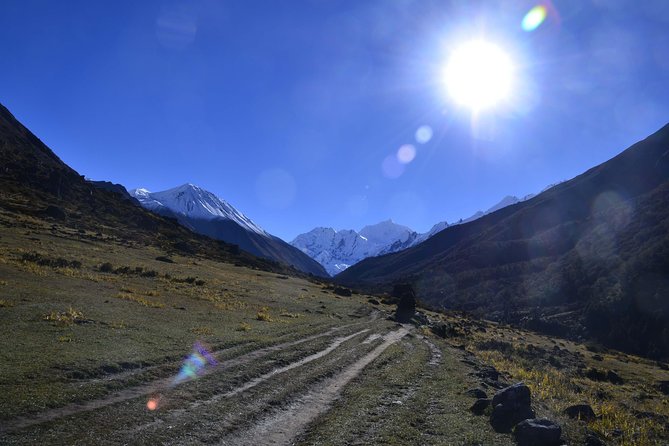
Day seven is a classic highlight day: Langtang to Kyanjin Gompa. You’ll trek with Langtang Lirung in view and pass through prayer-stone features—especially a big wall covered in prayers and writings. It’s the kind of landmark that makes the trail feel like a conversation between faith and geography.
You’ll cross several rivers, which adds energy to the day. Each crossing is different, and that variety can break up fatigue.
When you finally reach Kyanjin Gompa, it’s described as a peaceful village. Then comes one of the best practical rewards: you can try cheese and curd made from yak milk. For a lot of trekkers, this becomes the “I’m tired but I’m happy” moment—warm dairy and a view that makes the effort feel justified.
The rest day you can actually use: optional Tserko Ri and monastery time
Day eight is a rest day, but it’s not dead time. You’ll get used to altitude and you can explore around Kyanjin Gompa.
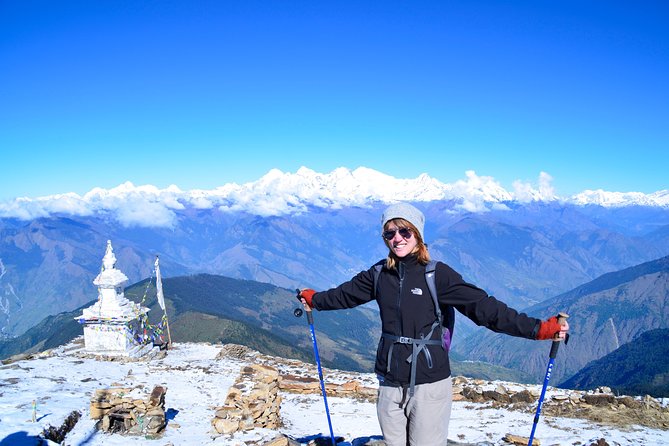
If you want a proper payoff hike, you can go up to Tserko Ri, described as the highest point of the trek at about 5,000m above sea level. From there, you get views of the mountains, glaciers, and the Langtang Valley.
If you’d rather take it slower, you can visit the village ancient monastery, and there’s mention of a cheese factory and glacier visit as well. These are optional activities with no extra cost mentioned in the plan.
How to choose: if you’re feeling good and your breathing is steady, do Tserko Ri early enough to avoid afternoon fatigue. If not, a monastery and cheese stop is still a meaningful way to spend time at altitude without forcing your body.
Lama Hotel to Syabrubesi: downhill trekking that still takes effort
Day nine brings the downhill to Lama Hotel, about 6–7 hours through dense forest. The trek continues with Tamang settlements influenced by Tibetan religion and cultural practices. This is a day where you can feel the change in scenery mood: more shaded trails, more consistent walking, and fewer “big reveal” peaks than on earlier days.
Downhill seems easy on paper, but it can be rough on knees. Take shorter steps and trust your guide’s pace.
Day ten is your final hiking day: from Lama Hotel down to Syabrubesi in about 3–4 hours. It’s described as downhill through a lush green forest, which gives you a gentler finish. Once you arrive in Syabrubesi, you shift to transport back toward Kathmandu. The drive is about 6–7 hours and is a chance to reflect—also a chance to eat something you’ve been thinking about since day one.
Kathmandu free day: use it for real city time, not just dust and shops
Day eleven is free time in Kathmandu. You can rest, stroll Thamel, or do optional activities like a full-day sightseeing plan, a Nepal food cooking workshop, a momo cooking workshop, a handicraft tour, or even a Mountain Flight (Everest Flight).
This is also where your Kathmandu priorities should match your energy. If you’re tired from trekking, don’t over-schedule. If you’re feeling strong, a guided sightseeing day can be a smart way to see key monuments efficiently.
And yes, if you noticed pollution earlier, keep expectations realistic. Getting away from the busiest areas tends to feel calmer.
Price and value: what $715.59 covers (and what it doesn’t)
At $715.59 per person for a roughly 12-day trip, the value mostly comes from the “structure” you get: private jeep transport for the Kathmandu–Gatlang and Syabrubeshi–Kathmandu legs, a government-licensed English-speaking guide, 8 nights in local lodges on the trek, and 3 hotel nights in Kathmandu (Hotel Yatri Suites & Spa or similar) with breakfast.
It also includes porter service (2 trekkers to 1 porter), and the plan says staff costs are covered, including insurance, equipment, and accommodation. Permits are included as well: Langtang National park permits and TIMS plus other necessary permits.
What’s not included is important for budgeting. The big one is food and drinks during the trip. The package lists breakfast (3), but it does not include all meals. There are also no international flights, no tourist visa, and no travel insurance. Tipping for guide, driver, and others isn’t included either.
So the real question for value is this: do you want a guided, supported trek where you don’t have to organize permits, guides, lodge nights, or porters? If yes, the price feels more reasonable. If you already have a plan for food and prefer total independence, you’ll feel the “extra structure” cost.
Who should book this Langtang Valley Trek
This tour fits best if you want:
- A guided trail with a small group (max 10) and porter support
- Tamang and Tibetan-influenced culture in real villages like Thuman, Briddhim, and Kyanjin Gompa
- Glacier-and-peak views across multiple days, not just at one viewpoint
- A trek that includes both easy-to-moderate days and one or two tougher climbs
It’s not ideal if you’re looking for a purely leisurely walk with zero steep sections. It’s also not a great match if you hate managing your own food budget, because meals and drinks are on you.
Should you book it?
I think you should book this Langtang Valley Trek if you want that specific mix of mountain views plus cultural walking—and you like the comfort of having permits, guides, and porters handled. The optional day to Tserko Ri is a strong reason to choose this route over a more basic trek, and the yak-milk cheese and curd at Kyanjin Gompa is a concrete “you’ll remember this” detail.
If you go, go smart: keep your permits handy for the park gate, pack layers for forest-to-open changes, and plan for food costs on your own. Do those three things and you’ll get more than a hike. You’ll get a real sense of how people live in the Valley of Glaciers.
FAQ
How many days is the Langtang Valley Trek?
It’s listed as 12 days (approx.), including Kathmandu arrival time, trekking days, and the return to Kathmandu.
What does the tour include for transportation?
The package includes private jeep transfers from Kathmandu to Gatlang and from Syabrubeshi back to Kathmandu, plus private vehicle transfer to the airport at the end.
Are permits included?
Yes. The tour includes Langtang National Park permits and TIMS (and other necessary permits). You still need to keep them handy for checking at the park gate.
Is a guide included?
Yes. You get an experienced, English-speaking, government-licensed trekking guide.
Are meals included?
The tour includes breakfast (3). It also states that all food, drinks, and beverage bills are not included, so you’ll budget for meals during the rest of the trek.
Do you provide porter support?
Yes. Porter service is included, with a ratio of 2 trekkers to 1 porter.
What kind of accommodations do you get?
You’ll have 8 nights’ accommodation in local lodges during the trek, plus 3 nights in Kathmandu at Hotel Yatri Suites & Spa or similar, on a breakfast basis.
What optional activity is available on the rest day at Kyanjin Gompa?
On day eight, you can hike to Tserko Ri (described as about 5,000m, the highest point of the trek). You can also visit the monastery, a cheese factory, and the glacier area. These options are listed as no extra cost.
What is the cancellation window for a full refund?
You can cancel up to 6 days in advance for a full refund. Changes made less than 6 full days before the experience start time are not accepted, based on the stated policy rules.