REVIEW · MARRAKECH
Mount Toubkal Trek-2 day
Book on Viator →Operated by Omar Adventures · Bookable on Viator
If you want a summit feeling without rope-work, this fits. This 2-day Mount Toubkal trek from Marrakech is built for all skill levels, and you’ll still get that North Africa high-peak payoff at 4167m. What makes it work is the structure: a guided walk through the Imlil Valley area, an overnight at the Toubkal refuge, then an early push for the top.
I love the practical combo here: pickup and private transportation out of Marrakech plus an official mountain guide who keeps the route and pace sensible. I also like that you pass through real places on the way—Asni, then the Asni-to-Toubkal countryside—so the trek doesn’t feel like one long waiting game before the mountain.
One thing to consider: this is not a hike you can do in street shoes and shorts only. Even though there’s no climbing, the scree and altitude on Day 2 can feel tough, and in winter you’ll need gear that the tour doesn’t provide (sleeping bag and crampons).
In This Review
- Quick hits on the Mount Toubkal 2-day trek
- Jebel Toubkal in two days: what you’re really signing up for
- From Marrakech to Imlil: Asni and the road that sets the tone
- Day 1 walk: Mizane Valley, Aremd, and the refuge rhythm
- Overnight at the Toubkal refuge: meals, rest, and the reality check
- Day 2 summit attempt: scree fields, altitude, and the payoff
- Pace, guides, and why the group stays manageable
- Price and logistics: does $170 feel fair?
- What to pack for a non-technical summit hike
- Weather and route changes: how to think about possible cancellations
- Should you book the Mount Toubkal 2-day trek?
- FAQ
- What time does the trek start?
- How long is the Mount Toubkal trek?
- Is pickup from Marrakech included?
- What meals are included?
- Does the tour include an overnight stay?
- Do I need a sleeping bag or crampons?
- What fitness level is needed?
- How many people are in the group?
Quick hits on the Mount Toubkal 2-day trek
- All-skill trekking setup with an official mountain guide and no climbing experience required
- Mule support to carry your luggage while you focus on your footing
- Lunch at the shrine of Sidi Chamarouch gives the day a real cultural waypoint
- Overnight at the Toubkal refuge, with dining included (and sometimes an alternate sleeping setup if capacity is tight)
- Small group size (max 14) makes it easier to match pace
- Early summit attempt aims you toward the kind of sunrise/sunset view you came for
Jebel Toubkal in two days: what you’re really signing up for
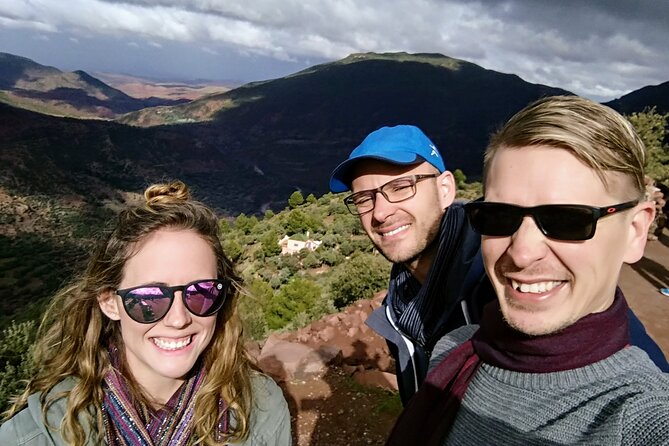
This trek is for people who want altitude drama without technical climbing. The route is mostly hiking, with a clear difference between Day 1 and Day 2: Day 1 builds you up through valleys and villages, while Day 2 asks you to handle rocks, loose ground, and the higher elevation.
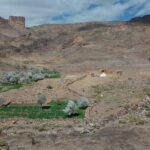
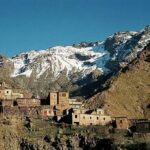
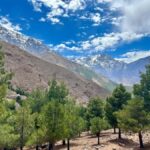
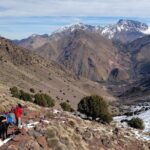
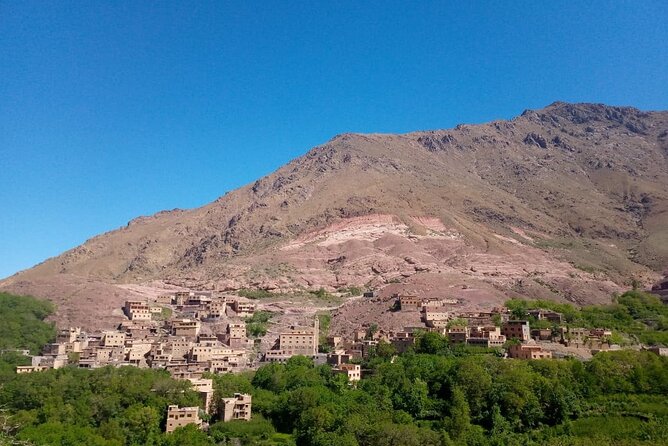
You’ll also be treated to that classic Atlas feel: strong contrast between green-ish valley paths and the harsher high ground. Even when the walking is straightforward, the air and the slope change the experience. You’ll see why guides stress pace on the summit day.
The tour also targets a true “mountain moment” rather than just a long nature walk. Getting to the top of Jebel Toubkal is the centerpiece, and the timing is built around an early start so you’re not hiking the summit under harsh late-day conditions.
You can also read our reviews of more tours and experiences in Marrakech.

From Marrakech to Imlil: Asni and the road that sets the tone
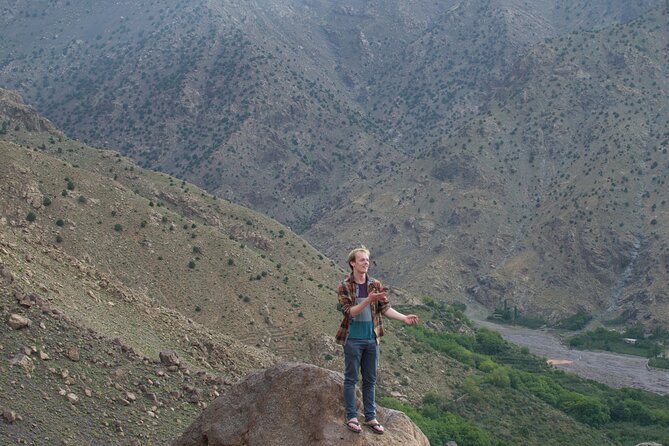
Most value here starts before you even lace up your boots. You’ll leave Marrakech by car and head south toward the Toubkal massif. The drive crosses the Haouz Plain, then you pass through Asni, a small stop that matters because it signals you’re transitioning from city Morocco to mountain Morocco fast.
This matters for two reasons. First, it reduces the “where am I supposed to go” stress. Second, you arrive in the Imlil area ready to walk, not still mentally stuck in travel mode.
The tour also keeps the transfer simple with private transportation (pickup offered, mobile ticket). That combination is especially helpful if you’re coming from a hostel or riad and don’t want to figure out bus timing at the start of a big hike.
Day 1 walk: Mizane Valley, Aremd, and the refuge rhythm
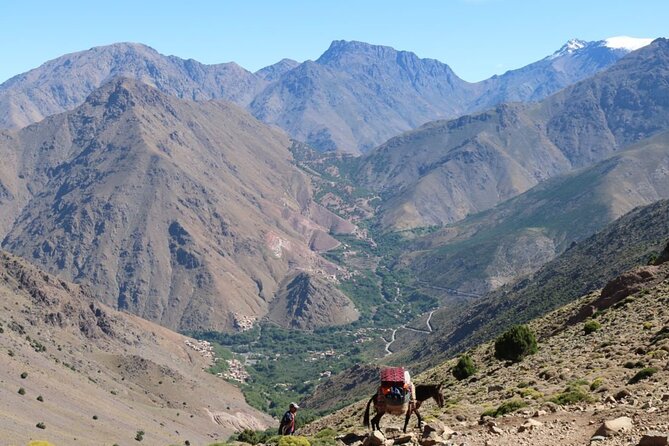
Day 1 is about getting your legs used to the terrain while you watch the scenery sharpen. After meeting your guide, you start trekking along the Mizane Valley, first toward Aremd, and then onward toward the Toubkal refuge.
This day is typically around 6 hours of walking, but the more important detail is what that time includes: steady valley hiking, gradual changes in elevation, and plenty of chances to stop and look. The route goes through the kind of mountain villages and paths where you feel the Atlas culture instead of just passing through it.
Lunch is timed for a meaningful break: the trek includes a stop at the shrine of Sidi Chamarouch. Stops like this do more than kill hunger. They help you slow down, regroup, and understand that these trails aren’t only for hikers—they’re part of local life and geography.
You’ll end Day 1 at the overnight refuge in Toubkal. This is the part that makes the whole trek realistic: you’re not trying to summit from Marrakech in one go. An overnight stay gives you the chance to sleep, eat a proper dinner, and start the next day with energy.
Overnight at the Toubkal refuge: meals, rest, and the reality check
Overnight is included: dinner and breakfast are part of your package, plus mule support for luggage. That mule detail sounds small until you’re carrying a bulky bag and you realize how much it helps.
About sleeping conditions: refuges in this region can have limited capacity at certain times. In at least some situations, you might be placed in a tent if the refuge is full instead of sleeping inside. The key for you is mindset and planning: pack to stay comfortable in cool mountain air and be ready for basic—but functional—mountain accommodation.
What I like about the way this tour handles the night is that it keeps the focus on the hike. You’re not stuck arranging transfers, buying food separately, or hauling everything yourself.
You may also notice differences in how groups are hosted. Some departures can include a dedicated chef experience for dinner, which makes the meal feel less like a last-minute camp snack and more like a real Moroccan evening after a hard walk.
Day 2 summit attempt: scree fields, altitude, and the payoff
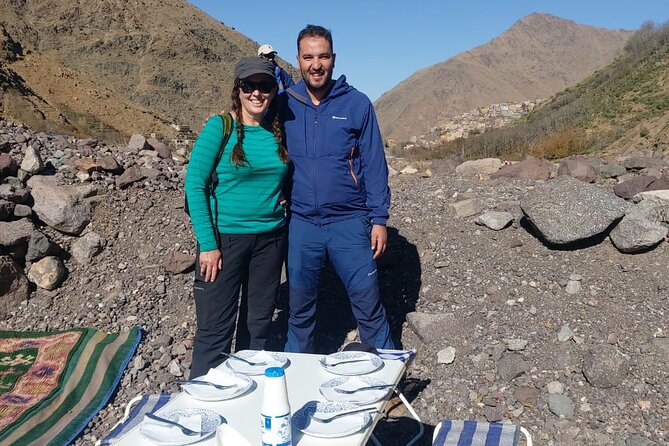
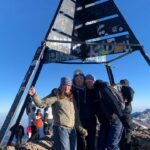
Day 2 is the workday. You set out early for the summit of Jebel Toubkal (4167m), then you return to Imlil and drive back to Marrakech.
The route details matter because they tell you how the summit feels:
- You go up the south cirque
- You cross the stream above the refuge
- You work your way across one of the mountain’s scree fields—that “endless carpet” of boulders and rocks
The walking is described as relatively straightforward, but your legs still get tested. Scree changes your footing every few steps. It’s not technical like climbing, but it’s tiring because you’re constantly adjusting balance and traction. Altitude also adds a layer: even if you’re fit, breathing can slow you down and make the same pace feel harder.
Time-wise, this day is longer—around 9 hours of trekking. That’s normal for summit-style hikes, and it’s the reason the tour includes an overnight the night before. Trying to do this as a day trip would be a different kind of suffering.
The upside is obvious once you’re moving near the top. The ridgeline and plateau moments are where the hike turns into a view you’ll remember. People time this sort of summit attempt for sunrise or late light, and the tour’s early start gives you the best shot at a dramatic sky.

Pace, guides, and why the group stays manageable
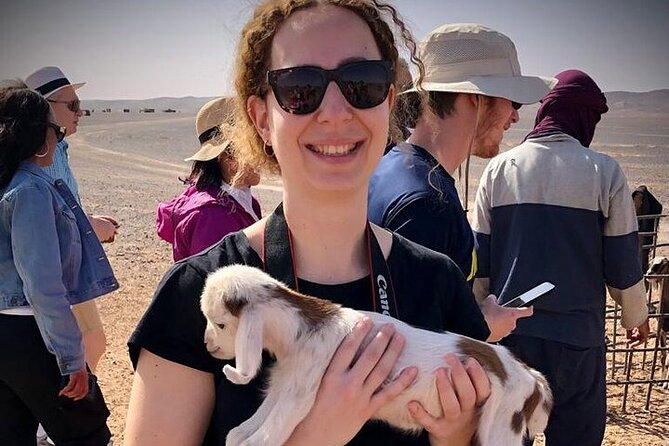
This tour caps at 14 travelers, which is a sweet spot. Big enough to meet people, small enough to keep pace and logistics from turning chaotic. It also means your guide can actually manage the group rather than just herding a crowd.
Guide quality is a big theme in the experience. Names that show up include Yasin/Yassin, Hamid, and Samir. What you want from a guide on a mountain like this is simple: good judgment and a steady pace. The tour is set up with that in mind, and the best guides adjust for comfort and walking rhythm instead of pushing everyone into the same speed.
If you’re a solo traveler, this small-group size tends to work well. You’ll have companionship without losing the structure you need on Day 2.
Price and logistics: does $170 feel fair?
At $170 per person for about 2 days, this can feel like good value if you compare what’s actually included.
You get:
- Private transportation from Marrakech area (pickup offered)
- Official mountain guide
- Night at the refuge
- Breakfast and dinner
- Lunch (2)
- Mule to carry luggage
That package is the real deal. On a trek like this, the expensive parts are usually guide time, transport, and the overnight plan. You’re also not paying separately for meals that are hard to arrange at the mountain level.
What’s not included is also important:
- Sleeping bag and crampons in winter (so plan for seasonal gear)
- Soft drinks
- Tips
So the value equation is straightforward: if you’re traveling light and you match the season’s gear needs, the price is usually reasonable for what you’re getting. If you need to rent or buy winter equipment last minute, that can change the math.
What to pack for a non-technical summit hike
Even though no climbing is required, you should pack for rocky walking and cold mountain nights.
Bring:
- Solid hiking shoes with grip for scree and boulder fields
- Warm layers for early mornings and the top
- A rain/wind layer, because weather at elevation can change quickly
- A headlamp if you’re out early or moving before full daylight
For winter specifically, plan that sleeping bag and crampons aren’t included. In other seasons, you might still want a warm sleep layer, but the tour clearly calls out those winter items as your responsibility.
Also remember the tour includes a mule for luggage, so you don’t need to carry everything on your back. You’ll still want a day pack for essentials during the hikes.
Weather and route changes: how to think about possible cancellations
This experience requires good weather. If conditions are poor, the operator offers a different date or a full refund.
That’s the right approach for a summit attempt. It also affects your planning: build flexibility into your Marrakech schedule, and don’t stack a train or flight right at the end of your hiking window without buffer.
Should you book the Mount Toubkal 2-day trek?
Yes—if you want a real summit goal, you’re fine with long days, and you want structure handled for you. This trek is a strong choice for first-time Atlas hikers because it’s designed for moderate fitness and doesn’t require climbing experience.
Skip it or reconsider if:
- You hate rock-strewn footing and long uphill days
- You’re not prepared for cold mountain nights
- You’re traveling with very limited flexibility on your schedule
If you like guided travel that still feels authentic—village trails, a shrine stop, a mountain refuge, then a top view—this is exactly the kind of trip that pays off.
FAQ
What time does the trek start?
The start time is 8:00 am.
How long is the Mount Toubkal trek?
It’s a 2-day experience (approximately).
Is pickup from Marrakech included?
Yes. Pickup is offered, and the tour includes private transportation.
What meals are included?
You’ll have breakfast and dinner, plus lunch (2) during the trek.
Does the tour include an overnight stay?
Yes. You’ll spend the night at an overnight refuge in Toubkal.
Do I need a sleeping bag or crampons?
Not included. The tour notes that sleeping bag and crampons are not provided in winter, so plan to bring them if traveling in winter.
What fitness level is needed?
The tour is listed for travelers with moderate physical fitness.
How many people are in the group?
The group has a maximum size of 14 travelers.