REVIEW · MARRAKECH
3 Days Desert trip from Marrakech to Merzouga Dunes & Camel Trek
Book on Viator →Operated by Caravane Du Grand Erg · Bookable on Viator
A Sahara trip starts with a mountain road. This 3-day Marrakech to Merzouga desert journey feels extra special because you go by private vehicle with plenty of photo stops, and you also get the big-ticket moments: camel trekking in Erg Chebbi and a night sleeping in a traditional desert camp. One thing to consider: one guide named Edea was reported driving recklessly with a tire issue that wasn’t resolved as expected, so it’s worth being alert about ride safety and vehicle condition from the start.
I like how the route builds momentum. You don’t just “get to the dunes and leave”—you pass Tizi-n-Tichka (2260m) over the High Atlas, see the UNESCO mud-brick beauty of Ait Ben Haddou, then work your way through valleys like Dades and Todra before the sand finally takes over. If you hate long days in the car, this may feel like a lot, but the itinerary is designed to keep you stopping for views rather than sitting in silence.
In This Review
- Key points to know before you go
- Day 1: Marrakech to Ait Ben Haddou via Tizi-n-Tichka Pass and Telouet Kasbah
- Day 2: Dades Valley to Todra Gorge, then the turn from stone to sand at Erg Chebbi
- Camel trek in Erg Chebbi: choosing comfort, timing, and the right vibe
- Desert camp night: what the overnight includes and how to get the most out of it
- Day 3 sunrise and the return via Saghrou and Draa Valley oases
- Price and value check: what you’re paying for at $562.28 per person
- Private tour comfort: why photo stops and routing really matter
- Safety and guide quality: the one concern you should not ignore
- Who this 3-day Marrakech to Merzouga trip fits best
- Should you book this desert tour?
- FAQ
- What time does the tour start in Marrakech?
- Is pickup available in Marrakech?
- Is this a private tour or shared group?
- How long is the trip?
- What does the tour include for driving and guiding?
- Where do you ride camels?
- What kind of overnight stay is included in the desert?
- What meals are included?
- Are UNESCO and major sights part of the route?
- What is the cancellation policy?
Key points to know before you go
- Private vehicle from Marrakech: you can pause often for photos instead of rushing on a fixed schedule.
- High Atlas highlights: Tizi-n-Tichka pass gives huge panoramic views over Berber villages.
- UNESCO stop at Ait Ben Haddou: mud-brick kasbah + lunch time in a place that photographers love.
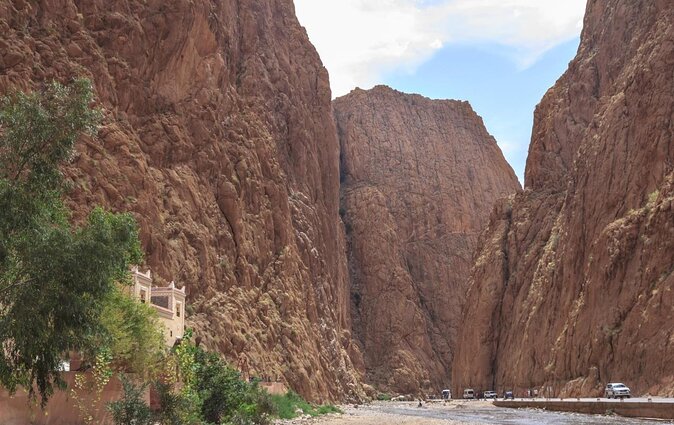
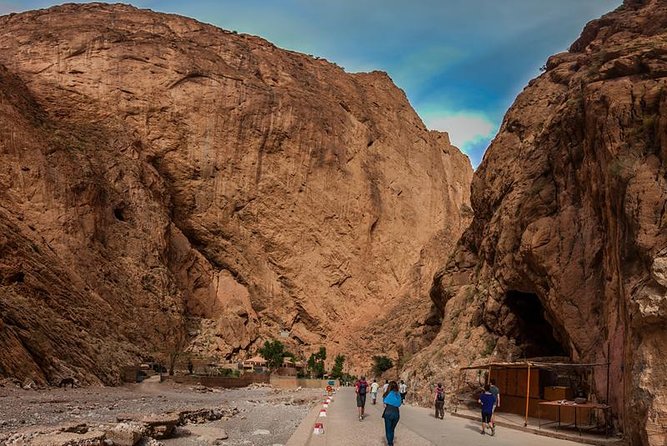
- Todra Gorge walk: a short stretch through a dramatic canyon before you head for sand.
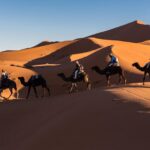
- Erg Chebbi camel trek: you trade your vehicle for camels and move through the dunes.
- Desert night in a nomad tent: breakfast and dinner included so you don’t scramble for food.
Day 1: Marrakech to Ait Ben Haddou via Tizi-n-Tichka Pass and Telouet Kasbah
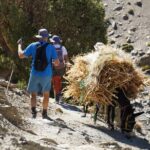
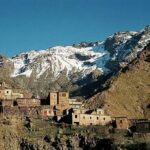
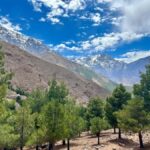
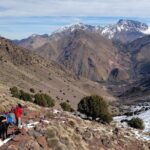
Day 1 starts early, with pickup at 8:00 am from your riad or hotel in Marrakech. The big promise here is mountain scenery. You drive over the High Atlas via Tizi-n-Tichka Pass (2260m), which is one of Africa’s highest road passes, and you’ll get breaks specifically for photos of Berber villages and wide-open views.
As the altitude changes, the trip keeps swapping scenery types instead of repeating the same highway look. You move through the Ounila Valley and stop to visit the Kasbah of Telouet, which is a great “in-between” stop—important enough to stretch your legs, but not so long that it breaks the flow of the day.
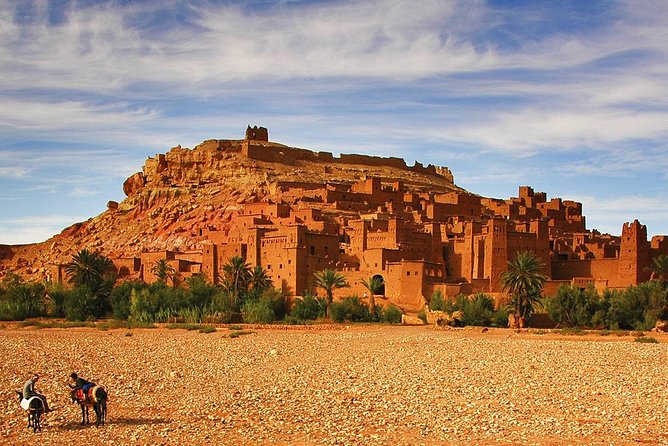
Then comes the UNESCO highlight: Ait Ben Haddou. You’ll stop for lunch there and visit the mud-brick kasbah (listed as a World Heritage site). This is the moment where the trip shifts from natural scenery to a place shaped by human history and desert trade routes—thick walls, compact alleys, and the feeling that the buildings were made to survive heat and time.
Practical note: lunch is included, but you may want extra snacks and water for the drive. The itinerary includes meals, yet long road days can make you hungry at odd times, especially if you’re constantly stopping for pictures.
You can also read our reviews of more tours and experiences in Marrakech.
Day 2: Dades Valley to Todra Gorge, then the turn from stone to sand at Erg Chebbi
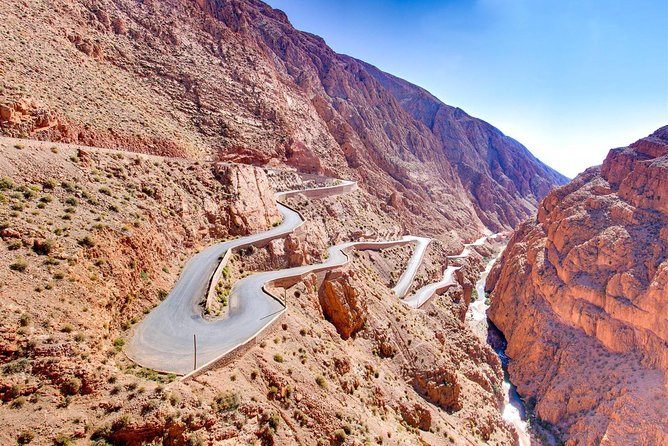
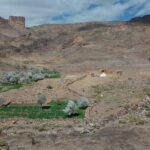
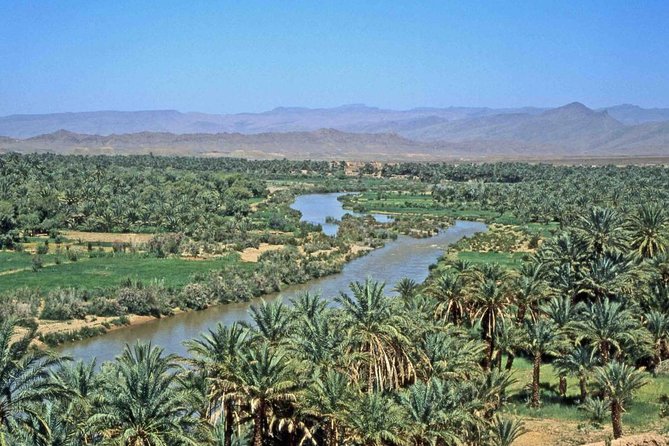
After breakfast, you head toward the Dades Valley, and the day starts with views over the gorge. From there, you continue toward Todra via Tinghir, which is described as a contrasting valley—rocky canyons plus huge palm trees. This mix is a nice mental reset: instead of just “mountains again,” you get a greener, more lived-in feeling before the canyon action begins.
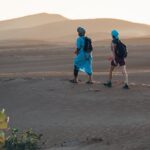
Then you reach Todra Gorge, where altitude is listed at 400m. You’ll have time to walk through the gorge, which is one of those rare moments on a drive day where you’re not just looking from the car window. It’s also a good stretch break before the desert portion takes over your schedule.
Lunch is near Tinjedad, and then you begin the long approach toward the sand dunes. You pass through the Jorf, described as an ancient irrigation system with “1000 wales.” That’s the kind of detail you remember later, because it hints at how people engineered water in a harsh region—an important context for why oases exist where they do.
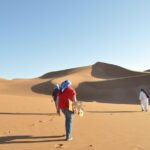
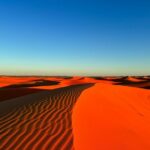
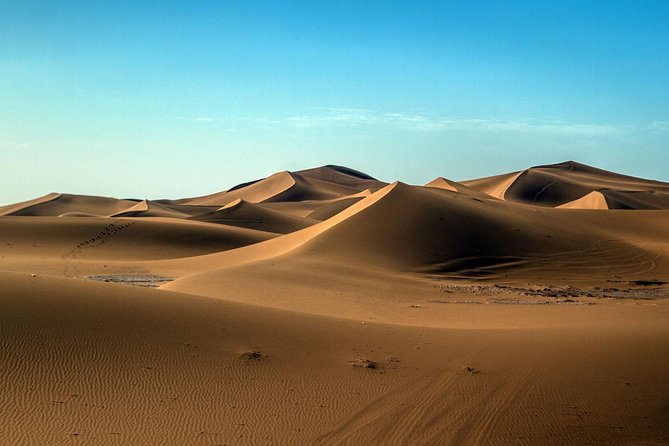
Finally, you roll into Erfoud, where you get your first serious sight of the sand. Then the tour does something you’ll feel immediately: you trade the vehicle for camels and start the dunes portion with your camel guide. Since the tour notes that Erg Chebbi is home to Morocco’s highest dunes, the switch to camel travel makes sense. You’re not just traveling; you’re changing pace, and the dunes stop being a view and start being your path.
Camel trek in Erg Chebbi: choosing comfort, timing, and the right vibe
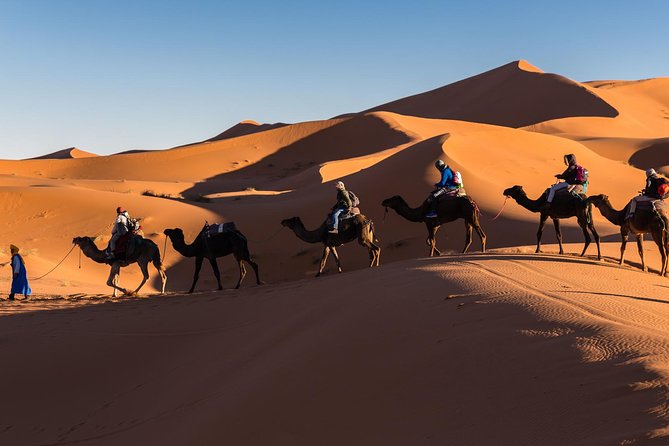
The camel trek is the signature moment on this trip. The tour is built around the idea that you should experience Erg Chebbi from ground level, not just from a distant overlook. When you get onto the camels, the pace slows down, and you start noticing how light moves across the sand ripples.
You can also use this section to plan your comfort. Wear breathable layers, because desert days can get hot, then cool off quickly as the evening approaches. Even if your camp includes breakfast and dinner, you’ll still want a small stash of basics you can reach easily during the trek—like lip balm, sunscreen, and a light layer for nighttime.
One more reality check: camels are part of the experience, but they’re not a city taxi. If you have mobility concerns, you’ll want to tell the driver or guide early so the team can help you prepare.
Desert camp night: what the overnight includes and how to get the most out of it
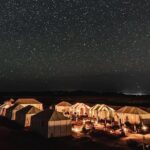
You’ll spend the night at a traditional desert camp in a nomad tent, and the package includes breakfast and dinner. That’s practical value, because it means your evening doesn’t turn into a scavenger hunt for food after a day of driving and dunes.
The highlights also call out sleeping beneath the stars, and even with a lack of extra details about what the camp does beyond that, you can expect the desert sky to be a big deal once you’re away from Marrakech lights. This is where the emotional payoff usually happens—the moment when you stop feeling like you’re “in transit” and start feeling like you’re actually in the Sahara.
If you’re the kind of person who loves small rituals, bring a simple routine. For example: a quick change into something warmer, a phone-less hour for sky viewing, then an early rest so sunrise doesn’t feel like punishment.
Day 3 sunrise and the return via Saghrou and Draa Valley oases
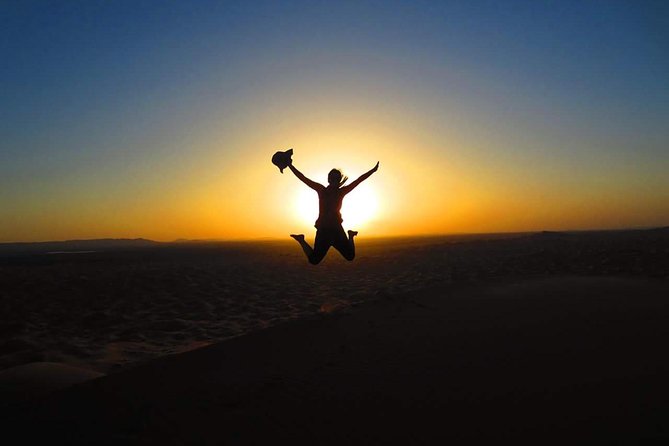
Day 3 starts with an early morning for sunrise, and you’ll be guided to assist in catching that view from the dunes. The tour specifically mentions going to the top of the dunes for sunrise, which is a smart choice—higher ground gives you a clearer horizon line and better sun-angle light.
After breakfast, you leave the dunes and start the return to Marrakech. This time, the route changes so you get a different kind of scenery on the drive back: along the Saghrou Mountains with volcanic rock formations, plus the green oasis feel of the Draa Valley.
Lunch is in Ouarzazate, and then you continue back over the High Atlas. The schedule indicates arrival in Marrakech around 6:30 pm, and the experience ends at your riad or hotel.
In plain terms, Day 3 is a “decompression drive.” It doesn’t have the same physical excitement as the camel trek, but the scenery differences—volcanic rock versus oasis greenery—help keep you mentally engaged rather than bored.
Price and value check: what you’re paying for at $562.28 per person
At $562.28 per person for about three days, you’re paying for transportation comfort, guided dune time, and two distinct lodging experiences (Dades Valley plus the desert night). This isn’t a back-to-back bus shuffle—it’s a structured private road trip with meals handled and an English-speaking driver included.
Here’s the value logic I’d use if I were choosing:
- Private car matters in Morocco long-distance driving. It reduces stress, and it makes photo stops realistic.
- Camel trek + camel guide is a real add-on cost compared to tours that stop at a viewpoint.
- Meals included (multiple breakfasts, dinners, and lunches) reduces the “daily budgeting anxiety.” The listing notes food and drinks aren’t included unless specified, so you’ll still spend some money on water and extras.
What you should budget separately: snacks and drinks during drives, plus any personal purchases at stops. If you’re traveling with a taste for tea stops and extra photography breaks, having a little extra cash helps.
Private tour comfort: why photo stops and routing really matter
This trip is built around a private vehicle, and that changes the vibe immediately. Instead of feeling like you’re being dragged through a checklist, you can stop as many times as you like for photos—especially on the mountain sections and gorge areas.
Day 1 and Day 2 both feature “look, stop, walk a bit” rhythm:
- Day 1 gives you dramatic pass views and a kasbah visit.
- Day 2 gives you valleys, a canyon walk, and then the final shift toward dunes.
This routing also matters for pacing. Erg Chebbi is far enough from Marrakech that a full-day drive is normal, but this itinerary prevents the day from feeling monotonous by stacking variety: UNESCO architecture, palm-lined valley contrasts, and steep canyon walls.
Safety and guide quality: the one concern you should not ignore
Let’s talk about the elephant in the room. One concern tied to guide performance is from a report involving a guide named Edea, where the criticism included reckless driving and a tire problem noticed by other drivers. The key point for you is not to panic—it’s to be prepared to protect your own comfort and safety.
What I’d do, practical and simple:
- During the first drive, pay attention to driving style on mountain roads and passes. If it feels out of line for you, ask for clarification or support early rather than waiting.
- Use stops to visually check that the vehicle looks properly maintained. If there’s a tire issue, you want it handled before you get stuck on a long stretch.
- Pack a small layer and water so you’re not stuck “waiting around” feeling unprepared if the schedule shifts.
If a tour handles these things calmly and quickly, you’ll barely notice them. If not, it can color the whole trip.
Who this 3-day Marrakech to Merzouga trip fits best
This tour fits you best if you want:
- A true Marrakech-to-Sahara experience without the chaos of shared tours.
- Big scenery variety: High Atlas passes, Ait Ben Haddou, Todra Gorge, then Erg Chebbi dunes.
- Camel trekking and a desert overnight handled for you, including meals.
It may not fit you as well if:
- You dislike long days on the road (even with stops).
- You’re extremely sensitive to changes in temperature and sleeping conditions at night.
- You want a fully hand-holding, all-day walking itinerary; this one is more about driving viewpoints plus guided dune time.
Should you book this desert tour?
Yes, I’d consider booking it if you want the classic Morocco desert arc, and you care about comfort and logistics being handled. The private vehicle, the UNESCO stop at Ait Ben Haddou, the walk in Todra Gorge, and the Erg Chebbi camel trek are the heart of the value here.
Book with eyes open. Make sure you’re comfortable with long drives, and be proactive about ride safety and vehicle condition from the start—especially after the reported concerns involving guide Edea. If everything feels well-run once you’re actually on the road, this is the kind of trip that leaves you with real sensory memories: mountain air, canyon stone, then sand under a star-filled sky.
FAQ
What time does the tour start in Marrakech?
The start time is listed as 8:00 am from your accommodation (riad or hotel).
Is pickup available in Marrakech?
Yes. Pickup is offered from your Riad/Hotel in Marrakech.
Is this a private tour or shared group?
It’s listed as a private tour/activity, meaning only your group participates.
How long is the trip?
It’s a 3-day experience (approximately).
What does the tour include for driving and guiding?
You get an English-speaking driver, and the tour also includes camel support with a guide for the dune trek.
Where do you ride camels?
Camels are used for the trek in Erg Chebbi after you arrive in the area (and after vehicle-to-camel switching).
What kind of overnight stay is included in the desert?
You spend the night in a nomad tent at a traditional desert camp, with breakfast and dinner included.
What meals are included?
The tour includes breakfasts (2) and dinners (2), plus lunches (3). Food and drinks are not included unless specified.
Are UNESCO and major sights part of the route?
Yes. The route includes Ait Ben Haddou (UNESCO-listed) and passes through notable valleys and landmarks on the way to Erg Chebbi.
What is the cancellation policy?
The experience offers free cancellation up to 24 hours in advance for a full refund.