REVIEW · KATHMANDU
POON HILL HOT SPRING – 10 Days Trek
Book on Viator →Operated by Overland Trek Nepal · Bookable on Viator
A single sunrise can change your whole trip. This 10-day Poon Hill trek is built for big views without a super-hard timeline, threading through classic Annapurna villages and ending with a soak at Jhinu Danda hot springs. I like how the route hits the famous Poon Hill viewpoint early enough to chase the cleanest mountain light.
You’ll also appreciate the organization. Pickup and drop, TIMS card support, Annapurna Conservation Area permits (including the Poon Hill park area), plus a porter setup for luggage are all part of the package, so you can focus on walking and seeing Ulleri, Ghorepani, Tadapani, and Ghandruk instead of logistics.
One drawback to plan for: this trek depends on weather. If clouds roll in, sunrise views can get hazy, and the experience provider may shift dates or offer a refund—so keep flexibility in your schedule.
In This Review
- Key things I’d pack on your shortlist
- Kathmandu to Pokhara: set up your trek with zero drama
- Day-by-day trek flow: what each stage feels like
- Ulleri (2010m): first uphill stretch after Nayapul
- Ghorepani (2874m): where altitude starts to feel real
- Poon Hill sunrise (3210m): the big payoff day
- Tadapani (2630m) to Jhinu Danda (1780m): hot spring recovery
- Jhinu Danda to Ghandruk (1940m): village life and culture on foot
- Ghandruk to Nayapul (1070m) and back to Pokhara (820m)
- Pokhara to Kathmandu: the travel day finish
- Price and logistics: where your $1,099 is actually going
- Guides and how the trip gets better than a route on paper
- What you’ll love most at each peak moment
- Downsides to plan for before you go
- Who this trek suits best
- Should you book Poon Hill Hot Spring for 10 days?
- FAQ
- Where do we meet and what time does the tour start?
- Does the tour include airport pickup and drop?
- What permits are included for the trek?
- Is a porter included?
- What transport is included during the trip?
- What are the main trekking highlights?
- What meals are included?
- What is not included in the price?
- What happens if weather is poor?
Key things I’d pack on your shortlist
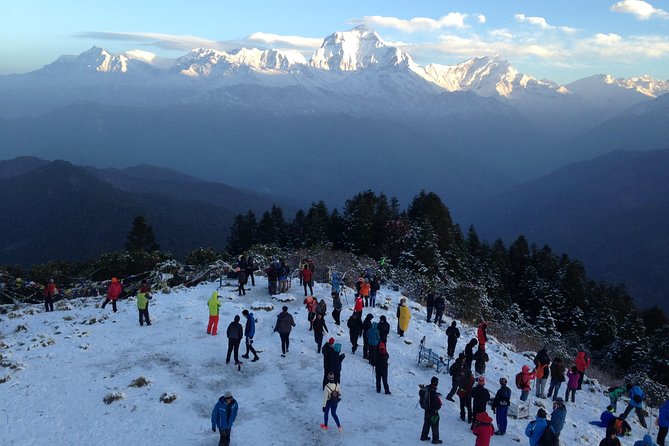
- Sunrise at Poon Hill: early uphill hike for a dramatic view across the Annapurna range, with Dhaulagiri listed at 8167m
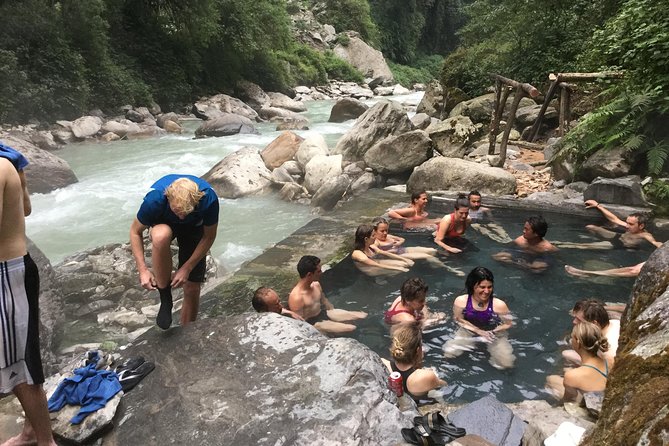
- Hot spring recovery day: trek into Jhinu Danda and then unwind at the hot springs
- Village-to-viewpoint pacing: a “fast and smooth” route that still climbs enough to feel like a real trek
- Permits and trek admin handled: TIMS card and Annapurna Conservation Area entry permits included
- Porter support for shared load: 1 porter between 2 people for basic service, plus a medical kit and trip certificate
- Ground transport included: Kathmandu to Pokhara and back by tourist bus, with private transfers to/from the trailhead areas
Kathmandu to Pokhara: set up your trek with zero drama
Your trek starts in Kathmandu, with an evening meeting in the Thamel area (meeting time: 8:15 pm at Thamel, Kathmandu). Expect a hotel transfer and time to get ready—this matters because trekking in Nepal is easier when you’re organized the night before, not hunting for gear at the last minute.
Next comes the long but straightforward move to Pokhara by tourist bus (about 12 hours). Pokhara sits at 820m, so it’s a helpful “lower altitude base” before you start climbing. You also get two nights in Pokhara with breakfast, which is great for easing in: eat well, hydrate, and let your body adapt.
A small but real value here is the rhythm. The trip doesn’t throw you straight onto steep trails on Day 1. Instead, you get that Kathmandu-to-Pokhara reset first, then begin the trek from Nayapul via private transport (about 1.5 hours).
You can also read our reviews of more tours and experiences in Kathmandu.



Day-by-day trek flow: what each stage feels like
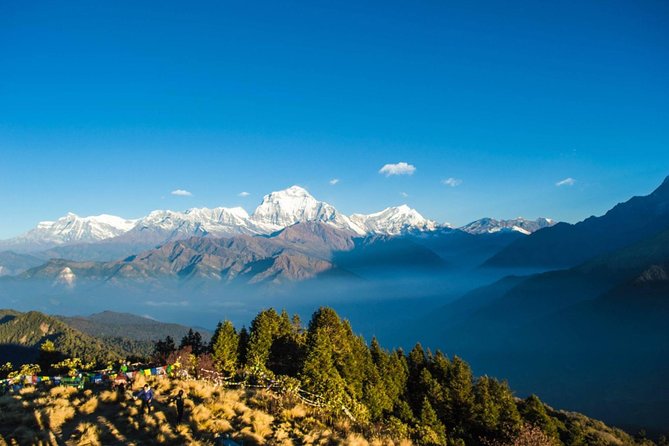
This trek has a classic shape: build altitude to the viewpoint day, then descend toward warmer, more human-scale villages, finishing with a village walk and transport back to Pokhara.
Ulleri (2010m): first uphill stretch after Nayapul
On Day 3, you transfer to Nayapul, then hike to Ulleri (2010m). This is the “start your trekking engine” day. Even if you’re not going extremely high yet, it’s the first test of steady uphill walking, and it helps your legs learn the rhythm.
Ghorepani (2874m): where altitude starts to feel real
Day 4 goes from Ulleri to Ghorepani (2874m). Ghorepani is your jump point for the big sunrise morning. By now, you’ll likely notice the air feels thinner and cooler, especially in the evening. If you tend to get cold easily, plan layers early—don’t wait until the cold is already biting.
Poon Hill sunrise (3210m): the big payoff day
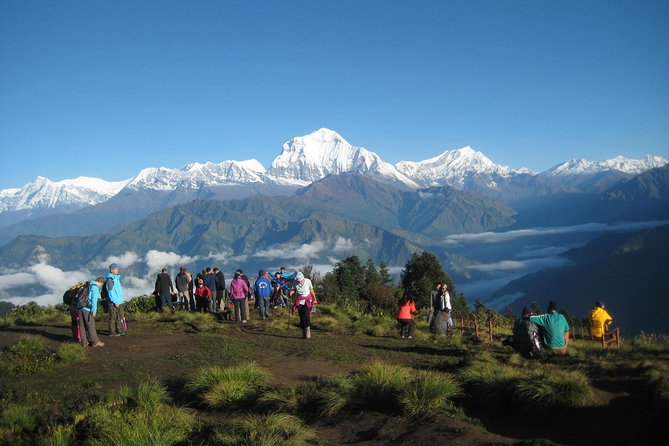
Day 5 is the highlight: an early morning hike uphill to Poon Hill (3210m) for sunrise, then time for a downhill reset back to Ghorepani and breakfast. The view is described as the Annapurna Himalayan range with Dhaulagiri (8167m) included in what you might see. In plain terms, you’re chasing mountain light—warm sun on white peaks—before clouds can steal it.
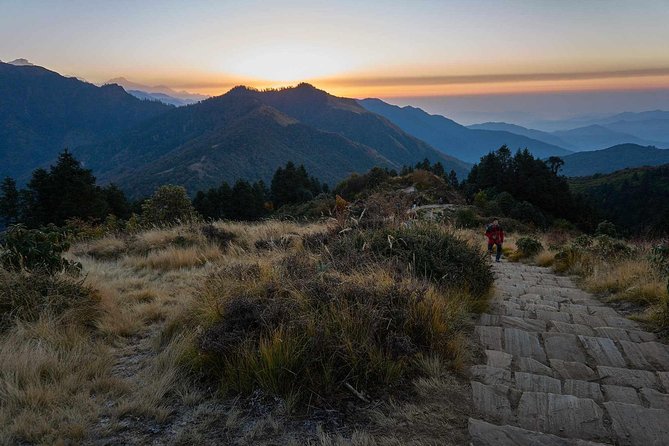
Here’s how to make this day work in real life. Start the hike with enough warm layers for pre-dawn air, but avoid heavy clothing you’ll regret halfway up. After you come down, you’ll eat, then continue trekking to Tadapani (2630m). That downhill-after-viewpoint pattern is smart: it keeps the day exciting but not wrecking.




Tadapani (2630m) to Jhinu Danda (1780m): hot spring recovery
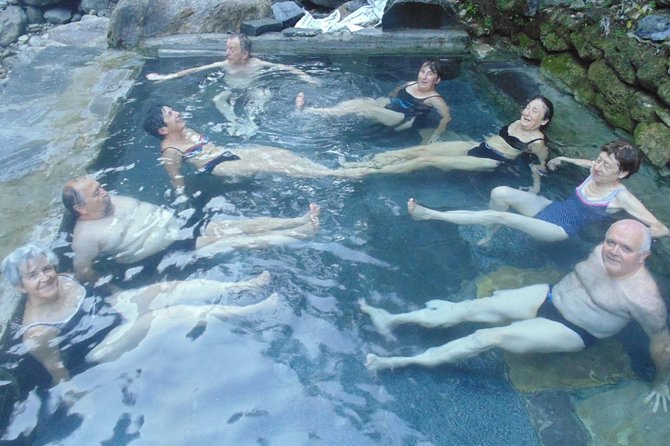
Day 6 is a drop in altitude, moving from Tadapani to Jhinu Danda (1780m). That matters because you’re walking after the highest viewpoint day, and your body will appreciate the descent. Once at Jhinu Danda, the trek includes the hot-spring stop—your legs get a well-earned break.
Jhinu Danda to Ghandruk (1940m): village life and culture on foot
Day 7 walks from Jhinu Danda to Ghandruk (1940m). Ghandruk is where the trekking becomes more than scenery. You’re moving through historic ethnic village areas, the kind of places where you slow down naturally because life is right there in front of you.
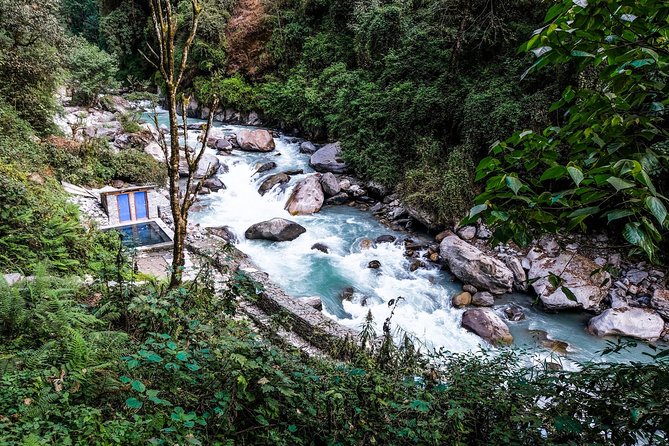
This segment also connects to one of the trek’s defining travel stories: the path passes alongside Modi Khola from Kyumi and leads toward Ghandruk. Even if you don’t think about it while you walk, it explains why the valley feels alive—there’s water, movement, and a clear reason people settled here.
Ghandruk to Nayapul (1070m) and back to Pokhara (820m)
Day 8 is the exit day: trek from Ghandruk down to Nayapul (1070m), then private transport to Pokhara (820m). It’s a long-feeling day because downhill can be deceptively tiring on knees, even when it feels easier than the uphill parts. Take it steady and protect your joints—your future self in Kathmandu will thank you.
Pokhara to Kathmandu: the travel day finish
Day 9 returns to Kathmandu by tourist bus (Pokhara 820m to Kathmandu 1336m). This part is mostly sitting, so it’s a good time to review photos, stretch, and plan what you’ll do the next day.
Day 10 is departure time, or extra time in Kathmandu if you have it. The tour doesn’t push you into a packed schedule—think chill, shopping, or sightseeing at your own pace.
Price and logistics: where your $1,099 is actually going
At $1,099 per person, this trek isn’t the cheapest way to do Poon Hill—but it’s not random either. The value shows up in the “stuff that slows you down” if you trek independently.
Here’s what’s included that matters day-to-day:
- TIMS card and Annapurna Conservation Area trekking permits (including Poon Hill park)
- Porter service: 1 porter between 2 people for basic service, plus a medical kit and trip certificate
- Airport pickup and drop by car/van/bus
- Ground transport: Kathmandu–Pokhara–Kathmandu by tourist bus, plus private transport to/from Nayapul
- Meals: breakfasts (10), lunches (6), dinners (5)
- Pokhara lodging: two nights of accommodation with breakfast
- A company duffel bag and t-shirt
What’s not included (and you should plan for):
- Nepal visa fee, international airfare
- Travel medical insurance and emergency evacuation costs
- Personal equipment, tips for guide/porter
- Personal expenses like alcohol and hot showers
So the real question isn’t just price. It’s whether you want to trade “DIY uncertainty” for handled permits, transport, and a smoother handoff into the trek. If you prefer to spend energy on your walking and the views, this package fits.
Also note: it’s listed as a private tour/activity, meaning your group is just your group. That’s a big deal for comfort, pace, and communication.
Guides and how the trip gets better than a route on paper
The best trekking days usually come down to the human parts: a guide who keeps you calm on hard moments, explains what you’re seeing, and handles small plan shifts without drama.
One past customer shared that they worked with Nikesh Dhakal on an Annapurna Circuit trek and described him as amazing, including pickup support when they returned in a later trip. While that doesn’t guarantee the same guide for every departure, it does hint at a real strength: this operator builds continuity with experienced guides, not just ticketing.
Even with a structured itinerary, your guide’s job is still practical:
- keeping you on pace without rushing
- watching weather conditions for sunrise planning
- helping you interpret mountain views when visibility is good (or reminding you to enjoy the trek if it isn’t)
If you like your travel to feel cared for, this is the right kind of setup.
What you’ll love most at each peak moment
Let’s be honest: most people sign up for two things—views and a story.
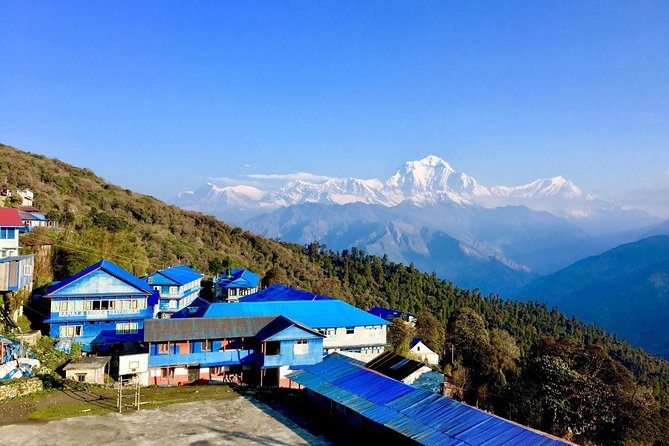
At Poon Hill, the story is sunrise. That early climb and the wait for light create the emotional climax. When skies cooperate, you’re rewarded with the Annapurna range view and a shot at Dhaulagiri (8167m). If skies don’t cooperate, you still get a memorable morning hike and a chance to reset with breakfast at Ghorepani.
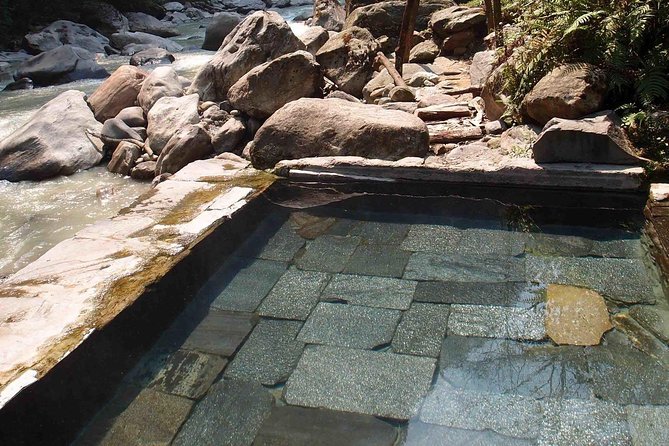
At Jhinu Danda, the story becomes recovery. The hot springs turn the trek from pure effort into something you can feel in your body. It’s not just a feature—it’s the moment you realize you’re on a real itinerary built for more than summit photos.
And across the villages—Ulleri, Ghorepani, Tadapani, Ghandruk—you get that steady sense of Himalayan subculture on foot, not a fast bus tour. The trek is famous for being a relatively fast and smooth trek, but you still spend time where people live.
Downsides to plan for before you go
Every trek has tradeoffs, and Poon Hill has a few you should think about:
- Weather is king: this experience requires good weather. If clouds ruin sunrise, your best move is to stay flexible and trust the plan to shift dates or refund if canceled.
- Early mornings are real: sunrise at Poon Hill means you’ll be moving before the day feels awake.
- Downhill can punish knees: the long descent toward Nayapul on Day 8 can feel easier than climbing, but it can still wear you out.
- Hot spring timing and costs: the trek includes the hot-spring stop, but the listing only notes personal expenses like hot showers as not included—so confirm what’s covered if you care about facilities.
Also keep in mind the fitness note: the tour says you should have moderate physical fitness. That’s a good fit for many first-timers, but you shouldn’t treat it as a flat walk.
Who this trek suits best
This is a strong match if:
- you want a shorter, classic Himalayan trek focused on one of the best viewpoint days
- you prefer a route that moves smoothly through villages without long, brutal stretches
- you like the idea of included permits, transport, and porter support
- you want the payoff of Poon Hill sunrise plus a real recovery moment at Jhinu Danda hot springs
You might consider another style of trek if you’re chasing long high-altitude camping days, extreme technical challenges, or you want zero early starts.
Should you book Poon Hill Hot Spring for 10 days?
I’d book if you want a well-run, reasonably paced trek with the core highlights in place: Poon Hill sunrise, village walking, and hot springs to balance the physical work. The permit support, transport, and porter setup make it easier to travel smart, especially if you don’t want to spend your energy on paperwork and logistics.
Don’t book if you only travel when sunrise is guaranteed or if your schedule can’t handle a weather-driven adjustment. Nepal rewards patience, and this route depends on it more than on effort.
If you’re ready for early mornings and you want a classic Annapurna trek experience without overcomplicating the trip, this one makes sense.
FAQ
Where do we meet and what time does the tour start?
The meeting point is Thamel, Kathmandu 44600, Nepal, with a start time of 8:15 pm.
Does the tour include airport pickup and drop?
Yes. Airport pickup and drop are included by car/van/bus.
What permits are included for the trek?
The tour includes TIMS card support and Annapurna Conservation Area trekking entry permits, including the Poon Hill park.
Is a porter included?
Yes. Porter service is included with the basic setup of 1 porter between 2 people.
What transport is included during the trip?
Kathmandu to Pokhara and back is included by tourist bus. Private transport is included for transfers such as Pokhara to Nayapul and Nayapul back to Pokhara.
What are the main trekking highlights?
You’ll hike to Poon Hill early for sunrise views, continue through villages like Ghorepani and Tadapani, and include a hot-spring stop at Jhinu Danda. You’ll also walk through Ghandruk.
What meals are included?
Breakfast is included for 10 days, lunch is included for 6 days, and dinner is included for 5 days.
What is not included in the price?
Not included are travel medical insurance and emergency evacuation costs, Nepal entry visa fee, international airfare, personal equipment, and tips for guide and porter. Personal expenses like alcohol and hot showers are also not included.
What happens if weather is poor?
This experience requires good weather. If canceled due to poor weather, you’ll be offered a different date or a full refund.