REVIEW · KATHMANDU
Makalu Base Camp Trek
Book on Viator →Operated by Bodhi Tree Tours Travel and Treks · Bookable on Viator
Makalu Base Camp feels remote on purpose. This 15-day trek takes you deep into Makalu-Barun National Park, far from the jam of Nepal’s biggest routes. You follow river valleys and forest paths, then head toward Mt. Makalu with sightlines that also catch Everest, Lhotse, and Baruntse.
I love how the days stay quiet and nature-forward. You’ll move through rhododendron forests, medicinal-plant country, and farmland stretches, with the real bonus of living wildlife like red pandas and Himalayan thars in the broader ecosystem. I also like the human side: an English-speaking guide and a team that includes Raj, Pujan, and David, which matters when you’re tired, busy, or just trying to understand what you’re seeing.
One drawback to consider: the trek package covers a lot, but you still budget for what’s not included, like bottled water, coffee, and tea. Also, some gear is only provided in request—so make sure you ask early about crampons and other essentials, especially with a very early start from Tribhuvan Airport.
In This Review
- Key things I’d plan around before you go
- Why this Makalu Base Camp trek feels different from Nepal’s busier routes
- Getting there from Kathmandu: early flights, off-road driving, and why it sets the tone
- Days 1–3: from the park entrance to the Arun River climb
- Days 4–5: uphill forest and meadows, then acclimatization ridges
- Day 6: the hard day with Shipton La and Keke La passes
- Days 7–8: rhododendron forests, river valleys, and gradual ascent views
- Day 9: climbing to Makalu Base Camp and what that night really means
- Day 10: side hikes toward Barun Glacier (optional, so choose based on energy)
- Days 11–14: retracing steps, long descents, and keeping your knees happy
- Day 15: the last trek hour, then the Tumlingtar route back to Kathmandu
- What the $1,750 covers: value beyond the guidebook number
- Teahouses, basic lodges, and the real comfort trade
- The trek crew: why Raj, Pujan, and David matter
- Weather and safety reality: plan for good conditions, but don’t assume them
- Who should book this Makalu Base Camp trek
- Should you book this Makalu Base Camp trek?
- FAQ
- What is the duration of the Makalu Base Camp trek?
- How much does the tour cost?
- Where does the trek start and what time?
- Is pickup included?
- Are flights included in the package?
- What type of accommodation will I have during the trek?
- Are meals included?
- Is bottled water included?
- What trekking gear is provided?
- What is the cancellation policy?
Key things I’d plan around before you go
- Remote Makalu-Barun National Park trekking with fewer people and a calm pace most days
- High pass days crossing Shipton La (4,170m) and Keke La (4,150m), including one hard-but-beautiful trek day
- Base Camp nights in basic lodge or tented camp, not a full hotel setup
- Optional Barun Glacier side hikes so you can tailor your energy at the peak area
- Meal coverage plus flights (Kathmandu to Tumlingtar and back) that add real value to the $1,750 price
Why this Makalu Base Camp trek feels different from Nepal’s busier routes
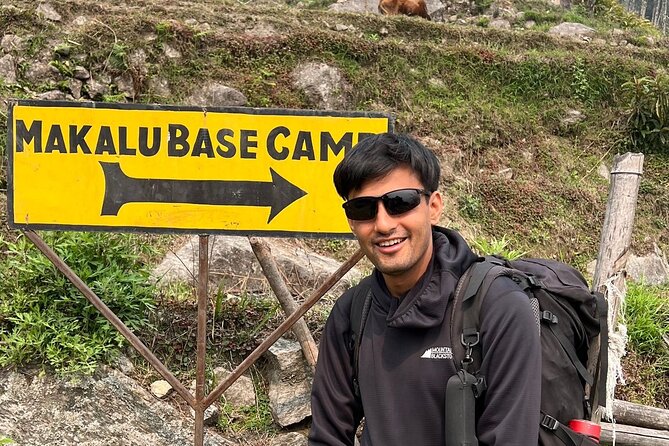
Makalu Base Camp is for people who want mountains without crowds stealing the moment. Instead of following the well-worn foot traffic of Everest or Annapurna, this route moves through the Makalu-Barun National Park area, where the trail feels more like a working path than a tourist conveyor belt.
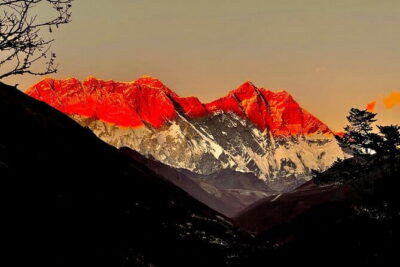
The big payoff is not just the destination. It’s how you get there. You start in greener country, then shift into higher, wilder zones with waterfalls, alpine valleys, and glacier country moving closer as the days pass. And because the region sits in a dramatic part of the Himalaya, you’re not stuck with a single view. You can get unique angles on Mt. Makalu (the fifth highest in the world) and also see Everest, Lhotse, and Baruntse from surprising directions.
That matters if you care about being a small part of the landscape rather than the main event.
You can also read our reviews of more tours and experiences in Kathmandu.



Getting there from Kathmandu: early flights, off-road driving, and why it sets the tone
Your trek begins at Tribhuvan Airport in Kathmandu, with a start time listed as 12:15am. If you’re planning your schedule around this, treat it like a real start line, not a casual suggestion.
Day 1 is built like this:
- A short 45-minute flight
- Then a 4–5 hour off-road drive
- Overnight in a teahouse
This combo is part of the experience. The flight gets you into eastern Nepal quickly, and the off-road drive makes you feel the trek taking over. You’ll also likely arrive already thinking in logistics: where you’ll store things, how you’ll manage layers, and how much energy you have for that first walking day tomorrow.
Because this is a private tour, you’re not sharing the ride with strangers. Only your group participates, which can make the pacing and timing feel more comfortable.
Days 1–3: from the park entrance to the Arun River climb
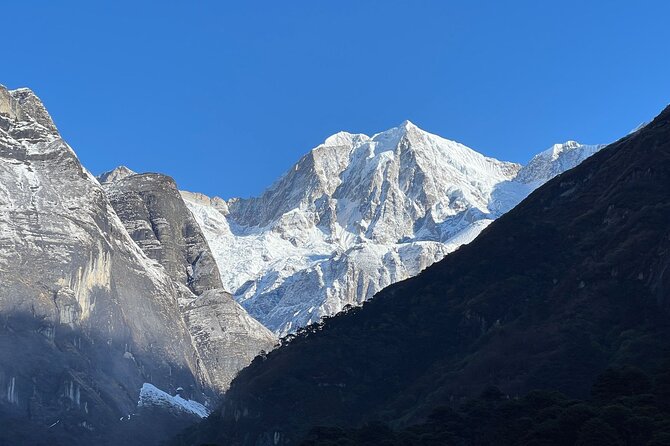
Days 1–3 are about transition. They don’t rush you to the toughest altitude right away. Instead, you move from transport into trail, and from lower-elevation walking into the rhythm your body will need.
Day 1 (teahouse night): after the flight and off-road drive, you settle in at a teahouse. This is where you get your bearings fast: water planning, snack strategy, and making sure you know how the next day’s trek hours feel for you.
Day 2 (Arun River to Seduwa): you do a steep descent to the Arun River, then a steep climb up to Seduwa. The trek is listed at 5–6 hours, and that mix matters. Steep downhills can be rough on your knees, and steep uphills can feel deceptive when you’re fresh. If you tend to go too fast early, this is where you’ll want to keep your effort smooth.
Day 3 (farms and forests): you get a more gradual walk through farms and forests for 4–5 hours. This is a good day to focus on foot placement and breathing, because your next few days start building intensity.
Over these first days, you’re getting a taste of the route’s character: a mix of green areas, human land use (farms), and then the forested edges of the national park.
Days 4–5: uphill forest and meadows, then acclimatization ridges
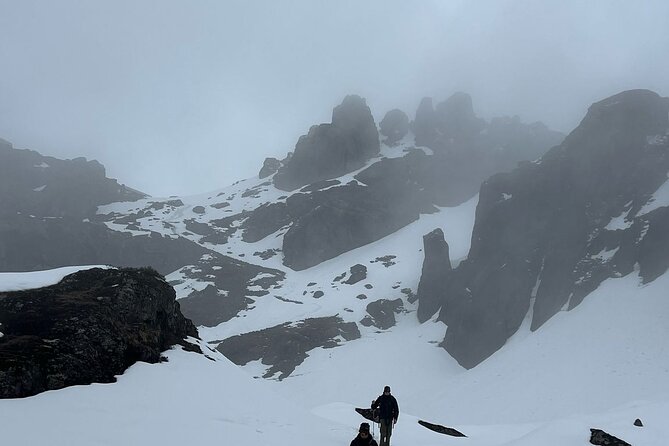
By Day 4, the trail is longer and more uphill: 6–7 hours through forest and meadows. Overnight stays are in a basic lodge or teahouse. That’s a key reality check for Makalu Base Camp: comfort is simple. You’re paying for access and experience more than room amenities.
Then Day 5 is your acclimatization day. The plan calls for short hikes to nearby ridges. These hikes don’t have to be huge to matter. They help you adjust your pace and your expectations before the big pass day.
If you’re the type who likes to judge a trek by how hard it feels, here’s a practical way to think about Day 5: it’s not just a breather, it’s training your body to function when you’re higher than you were yesterday.
Day 6: the hard day with Shipton La and Keke La passes
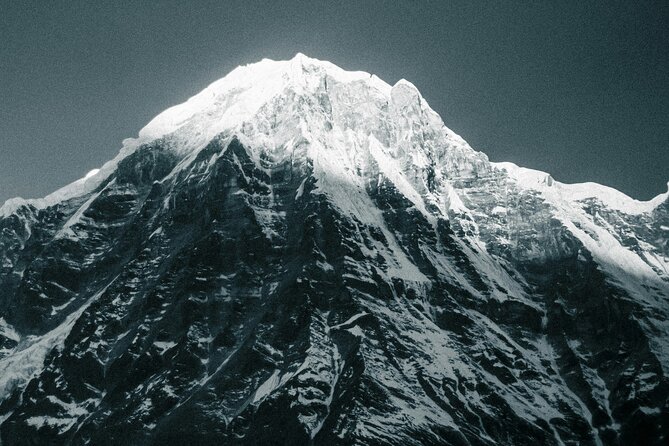
Day 6 is the signature big-effort day: crossing Shipton La at 4,170m and Keke La at 4,150m. The trek is listed at 6–7 hours, and the wording around it is clear: hard day but beautiful.
This is the day you’ll remember most vividly on the walk back down the valley later. Pass days change your perspective. Even when you feel tired, you’re moving across a “high point” experience. You also tend to get more dramatic sightlines when the trail opens up.
Practical tip from the setup of this trek: make sure you’re not relying on improvisation for cold-weather comfort. The package notes sleeping bags, trekking poles, and crampons can be provided in request. That means you should confirm what you’re bringing versus what you’re expecting them to handle.




Days 7–8: rhododendron forests, river valleys, and gradual ascent views
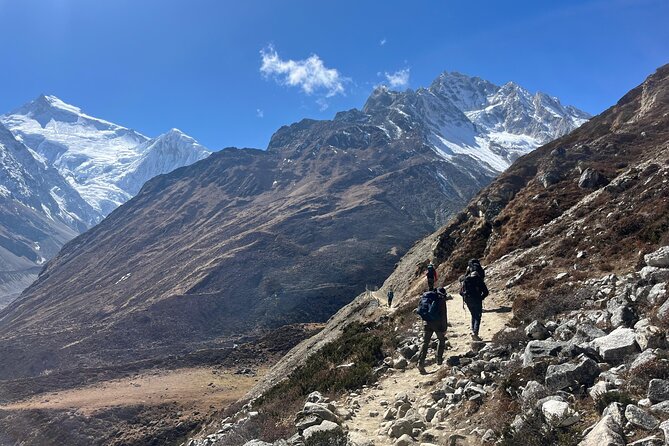
After the pass crossing, the trail leans back into scenic trekking rather than constant steep drama.
- Day 7: rhododendron forests and river valleys, 5–6 hours, teahouse overnight
- Day 8: gradual ascent with stunning valley views, 5–6 hours, teahouse overnight
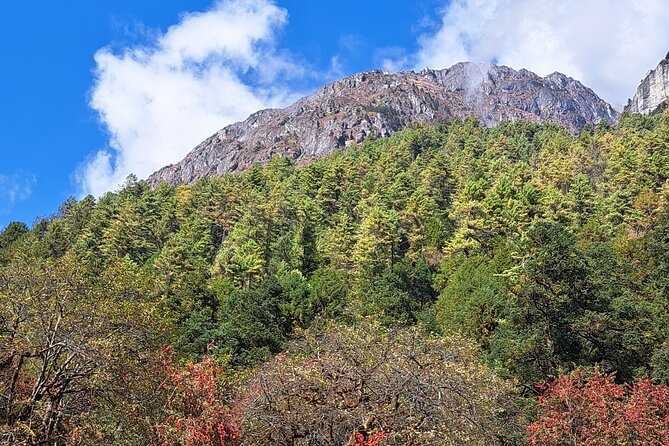
Rhododendrons are a big deal in this region’s ecosystem, and it’s exactly the kind of visual detail that makes you look up instead of staring at your feet. The river-valley stretches also make walking feel more natural and less like a constant push.
Day 8’s gradual ascent matters because it helps you settle into altitude without the same shock as a steep climb to a pass. It’s not a free day, but it’s a steadier day before you commit to the Base Camp push.
Day 9: climbing to Makalu Base Camp and what that night really means
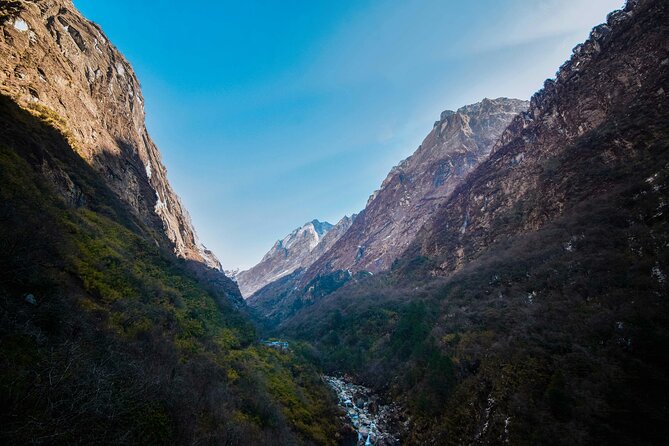
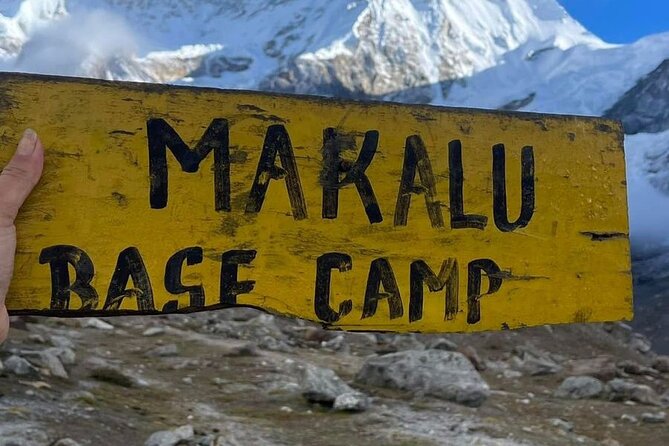
Day 9 is the pay-off: a climb to base camp in 6–7 hours with incredible Himalayan views. Overnight is either a basic lodge or tented setup.
This is where your expectations have to match the reality. You’re in remote country. The goal isn’t luxury. The goal is being in the right place, at the right time, after earning it with your own footsteps.
If you want the most value here, plan your energy for the day:
- Move steadily on the climb
- Save the big photo breaks for moments when you have stable footing
- Accept that weather can change your view windows quickly, so don’t assume clear skies all day
The trek’s remote nature is what makes Base Camp special. You’re not just visiting a dot on a map. You’re spending a night in the high Himalaya, with the surrounding peaks close enough to feel unreal.
Day 10: side hikes toward Barun Glacier (optional, so choose based on energy)
On Day 10, you have optional side hikes toward the Barun Glacier, with overnight in teahouse or tented camp.
This optional nature is a smart design. Some people feel great at Base Camp and want more. Others need to conserve for the descent and for the physical cost of being at altitude.
My advice for choosing: don’t let ambition bully your body. If you’re already feeling slowed, take the softer option. You’ll still get the core Base Camp experience without forcing an extra day hike.
Days 11–14: retracing steps, long descents, and keeping your knees happy
The return days start with a deliberate retracing pattern.
- Day 11: retrace steps down, about 7 hours, teahouse overnight
- Day 12: 6–7 hours, teahouse overnight
- Day 13: 5–6 hours, teahouse overnight
- Day 14: long descent, 6–7 hours, teahouse overnight
A long descent is the hidden challenge on treks like this. You’ve got gravity doing most of the work, but that can wreck your joints if you step too fast. The best strategy is controlled speed and careful foot placement. Think smooth, not heroic.
Also, the return is where you’ll notice the trail again in a new way. When you came up, you were focused on forward progress. Now you’re reading the path: where the terrain shifts, where you felt strained yesterday, and what the day feels like when your body is tired but not climbing.
Day 15: the last trek hour, then the Tumlingtar route back to Kathmandu
Day 15 is a split day:
- Trek around 4 hours
- Then 4–5 hours drive
- And a flight option from Tumlingtar to Kathmandu the same day or the next morning, depending on timing
This is a practical detail that matters. Some treks leave you stuck with awkward last-day logistics. This one builds in a flight option if the schedule lines up.
If you’re trying to connect to onward travel, give yourself buffer time for that flight decision. Day 15 is when weather and timing can affect how quickly you’re back in Kathmandu.
What the $1,750 covers: value beyond the guidebook number
At $1,750 per person, this isn’t a budget trek. But you’re not paying only for someone to walk beside you.
Here’s what’s included:
- Meals: breakfast, lunch, and dinner (one item from the menu), with a total meal count provided for the trek days
- All fees and taxes
- Transportation: two-way Kathmandu to Tumlingtar flights (public transportation)
- An English-speaking guide, plus guide and porter daily allowances
- Guide and porter insurance
- First aid kits
- Maps
- Sleeping bag, trekking poles, and crampons can be provided in request
- Pickup is offered
To judge value honestly, focus on what would cost you separately:
- The international-style logistics of flying to the trek region and coordinating return
- Having insured support and on-route first aid supplies
- Getting core trekking gear options arranged rather than buying rentals last minute
What’s not included (so you should plan for it):
- Bottled water (you can buy along the trail or refill at teahouses)
- Coffee and tea
- Alcoholic beverages
- Excess baggage porter service (extra porter available on request)
- Personal insurance
- Private transportation
- Visa fee
For many trekkers, those add-ons aren’t huge. They do add up if you never stop buying snacks, tea, and convenience water. The trekking style here is simple by design, so pack and budget accordingly.
Teahouses, basic lodges, and the real comfort trade
This trek uses teahouses most nights, with occasional basic lodge and at least one tented camp possibility near Base Camp.
That sounds rough if you’re used to comfort travel. But it’s also why the route feels “real.” If you want perfectly heated hotel rooms, this trek is the wrong tool.
A smarter approach is to treat the overnight as part of the schedule:
- You sleep, you eat, you reset
- You don’t expect amenities
- You keep your gear organized so the next day is faster to start
If your package includes any pre or post arrangements with their Bodhi Boutique Hotel setup (one traveler specifically mentioned very nice rooms), that can be a nice contrast: real comfort before you go rustic.
The trek crew: why Raj, Pujan, and David matter
In this kind of remote trekking, the crew is more than a footnote. You spend long days walking, and then you deal with decisions at altitude and in changing weather.
Based on what’s been shared about this team, you’ll meet and work with a group that can include Raj, Pujan, and David, and you’ll have an English-speaking guide plus porters. Having that support means you can focus on walking and seeing, not on sorting logistics every evening.
It also helps if anything feels confusing in the moment. With a guide who’s guiding language and pace, you reduce the stress load when your legs are already carrying most of the effort.
Weather and safety reality: plan for good conditions, but don’t assume them
The trek requires good weather. If conditions aren’t right, the experience can be canceled due to poor weather, and you’ll be offered a different date or a full refund.
That’s not a dealbreaker, it’s how Himalaya itineraries work. The practical move is to book with some flexibility in your overall travel plans so a weather change doesn’t derail everything.
On the safety side, you’ll have first aid kits with the group, and your guide and porter insurance is included. That doesn’t eliminate risk, but it shows the trek is run with basic preparedness in mind.
Who should book this Makalu Base Camp trek
This trek is best for you if:
- You want a calmer, more remote route than the big-name Everest/Annapurna trails
- You’re comfortable with moderate physical fitness and long trekking days
- You like the idea of high passes like Shipton La and Keke La
- You want Base Camp plus the option of a Barun Glacier side hike
Think twice if:
- You strongly need luxury lodging every night
- You can’t handle a very early airport start from Kathmandu
- You prefer having coffee, tea, and bottled water included without managing your own choices
Should you book this Makalu Base Camp trek?
Yes, if your priority is authentic, quiet Himalaya walking with real support built into the price. The included flights to Tumlingtar, the meal plan, and the insured guide/porter setup make it feel more complete than “just trekking.”
I’d only hold back if you’re not ready for simple teahouse nights, possible tented/Base Camp sleeping, and the fact that you’ll manage some essentials yourself like water purchases and warm drinks.
If you book, do one thing right away: confirm in advance what gear you’re getting versus what you need to pack, especially if crampons are part of your plan.
FAQ
What is the duration of the Makalu Base Camp trek?
The trek is listed as 15 days (approximately).
How much does the tour cost?
The price is $1,750.00 per person.
Where does the trek start and what time?
The start is at Tribhuvan Airport in Kathmandu, Nepal, with a start time of 12:15 am.
Is pickup included?
Yes, pickup is offered.
Are flights included in the package?
Yes. Two-way flight tickets from Kathmandu to Tumlingtar are included.
What type of accommodation will I have during the trek?
You’ll sleep in teahouses most nights, with some nights in basic lodges, and tented camp is possible around Base Camp.
Are meals included?
Yes. Breakfast, lunch, and dinner are included, with one item from the menu for each meal.
Is bottled water included?
No. Bottled water is not included. You can purchase it along the trail or refill at teahouses.
What trekking gear is provided?
Sleeping bags, trekking poles, and crampons can be provided in request. Maps are also included.
What is the cancellation policy?
Free cancellation is available up to 24 hours in advance for a full refund. The experience requires good weather, and if it is canceled due to poor weather you’ll be offered a different date or a full refund.