REVIEW · KATHMANDU
14 Days Everest Base Camp Trekking
Book on Viator →Operated by Hiking Himalayas Trek and Expedition Private Day Tours · Bookable on Viator
This trek starts with a real-life wow moment. On a clear day, you fly into Kathmandu with snow peaks stretching below, then you roll right into Lukla’s steep runway landing that feels like the start of something serious. I love that this trip is guided end-to-end by an in-person English-speaking guide, and the team has included pros like Hari and Kapil, with porters such as Ram and Mongol showing up again and again in past bookings.
What keeps it practical is the support setup. You get a best-available twin-share lodge stay during the trek, seasonal fruits along the way, and the route is paced with acclimatization days in Namche and Dingboche, plus a big summit-style effort at Kala Pathar. I also like that the trek handles a lot of the paperwork for you, including permits, so you spend energy on walking instead of forms.
One drawback to plan for: the trip cost does not cover your Kathmandu stay/food (listed at $45 per day), and you’ll also pay for items like drinks, hot showers, and travel insurance. If you’re not strong on uphill endurance and high-altitude mornings, this will feel harder than the photos.
In This Review
- Key highlights I’d plan around
- Starting in Kathmandu: the 6:15 am logistics that actually help
- Your support team: guide, porter ratio, and the calm factor
- Day 2 to Day 3: Lukla to Phakding and into Sagarmatha National Park
- Namche rest day and Everest View Point: acclimatization with purpose
- Tyangboche to Pangboche: your first real taste of Khumbu classics
- Dingboche rest day: Tshola Tsho and the numbers behind altitude
- Lobuche, Gorakshep, and the Everest Base Camp approach
- Kala Pathar at dawn: the viewpoint that earns its early start
- Back toward civilization: Tengboche, Lukla, and your last Himalayan night
- Cost and value: what $1,420 covers and what you must budget
- Who should choose this trek (and who should think twice)
- Should you book this Everest Base Camp trek?
- FAQ
- Where does the trek start, and what time?
- Are flights between Kathmandu and Lukla included?
- What accommodation is included during the trek?
- Is meals included while trekking?
- Do I need permits for the trek, and are they included?
- Is travel insurance included in the price?
- How much is the Nepal entry visa and how do I get it?
- What costs are added for Kathmandu?
- Is a hot shower included during the trek?
- Cancellation
- Can I cancel and get a full refund?
Key highlights I’d plan around
- Lukla flight timing starts your acclimatization early with a steep-runway launch into the Khumbu.
- English guide + porter support (2 trekkers per porter) helps you keep moving without burning out.
- Acclimatization built into the schedule with rest in Namche and Dingboche and a Kala Pathar morning.
- A proper Everest Base Camp push from Gorakshep, including ice pinnacles and glacier crevasse views.
- Small “culture stops” that matter like Sagarmatha National Park entry at Monjo and the Tengboche/Pangboche area gompa atmosphere.
- Optional upgrades are clearly priced like hot showers (USD 5 per person), so there are no mystery costs mid-trek.
Starting in Kathmandu: the 6:15 am logistics that actually help
You start in Kathmandu at Tribhuvan Airport, with a 6:15 am start time. If you’re staying in the city, you’ll also get private-vehicle pickup for the ground transfers that connect your hotel to the domestic airport and later back again. That matters because early departures in Nepal are not the time to be improvising.
Day 1 is your orientation into the mountains. The experience begins with a panoramic flight approach over the Himalaya if the weather cooperates, which is exactly the kind of mood-setter that makes the next days feel earned. Then the program moves you toward Lukla quickly, so you’re not spending extra time in the city once you’re already mentally ready for the trail.
Practical tip: keep your daypack simple and your clothing easy to layer. Early in the day, you’ll often start cool and then heat up fast once walking begins. Tight packing helps when you’re changing altitude and temperatures all week.
You can also read our reviews of more tours and experiences in Kathmandu.
Your support team: guide, porter ratio, and the calm factor
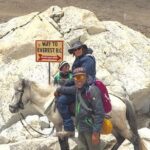
This is a private trek for your group, and it’s run with an in-person professional English-speaking certified guide plus an essential porter system: 2 trekkers share 1 porter. That ratio is a big deal on an EBC trek. Even if you can carry your own pack, offloading the heavy stuff means you arrive at the next tea house with more energy for the acclimatization routine.
In real-world terms, a good guide does three jobs at once:
- pacing you so you don’t get wrecked early,
- watching how you’re doing physically and mentally,
- and making sure logistics stay smooth.
The names that show up in past experiences with this operator include guides like Hari and Kapil, and also Namo on family trips. Those guides have been described as calm, professional, and observant—exactly what you want when altitude makes you feel “off” for reasons that are both normal and temporary.
If you’re traveling with kids or teens, this kind of team support matters even more. A guide who can turn a hard day into a manageable one (without pretending it’s easy) keeps everyone calmer.
Day 2 to Day 3: Lukla to Phakding and into Sagarmatha National Park
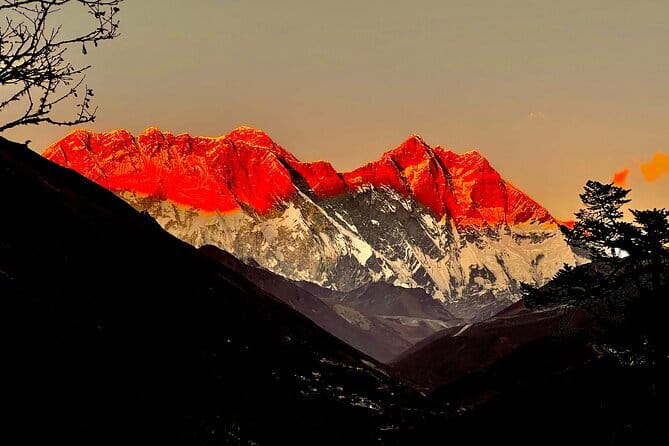
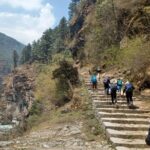
Day 2 starts at Lukla (around 2,850 m) after that dramatic flight and a steep runway landing. Then you walk up the Dudh Koshi Valley on a well-marked trail, with overnight in Phakding (about 2,656 m). Expect long views and lots of “this is real” moments. The walking is gradual compared to later days, which is how the trek earns its reputation as doable—if you respect the pace.
Day 3 pushes you toward Namche Bazar (and you’ll pass Monjo, at about 2,845 m). You’ll cross and re-cross the river on high suspension bridges, and that’s not just scenic. Bridges create that constant rhythm of stepping, stopping, checking your footing, and moving again.
You also enter Sagarmatha National Park around Monjo. That’s your reminder that this trek isn’t just about peak photos. The park exists to protect the environment, and the whole trip has that conservation tone built into the experience.
Small consideration: suspension bridges mean wind and dangling side-to-side motion. If you’re sensitive to heights, take it slow, look at the path, and keep your breathing steady. It becomes easier once you stop fighting the movement.
Namche rest day and Everest View Point: acclimatization with purpose
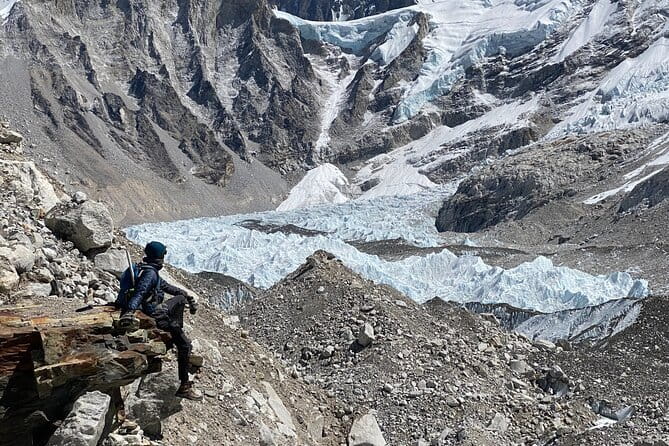
On Day 4, you rest in Namche to acclimatize. Namche sits between two ridges with plenty of lodges, tea shops, and souvenir shops, so it’s not an empty “sit and suffer” day. This is where you get practical altitude training: you stay at a moderate altitude, then move with intention and come back feeling steadier.
The route also includes an Everest View Point stop. The goal here isn’t to sprint toward the horizon; it’s to give your body a controlled challenge while letting you see what you’re working for. If you do nothing else on a rest day, you should take a short walk, drink water, and keep your pace gentle.
If you’re the type who wants to cram in extra hikes, be careful. The mountains punish ego. Acclimatization works when you stay patient, not when you prove something.
Tyangboche to Pangboche: your first real taste of Khumbu classics
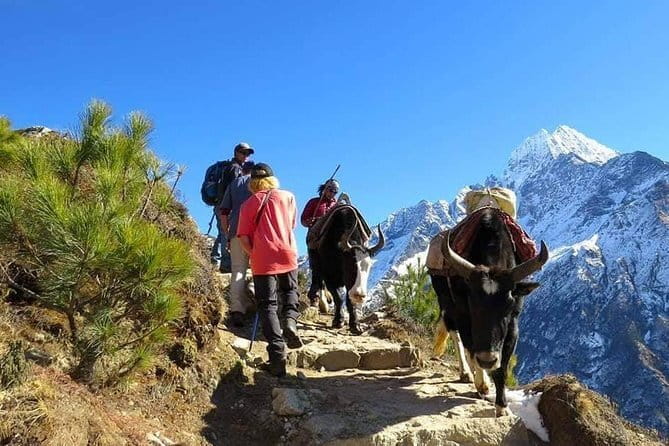
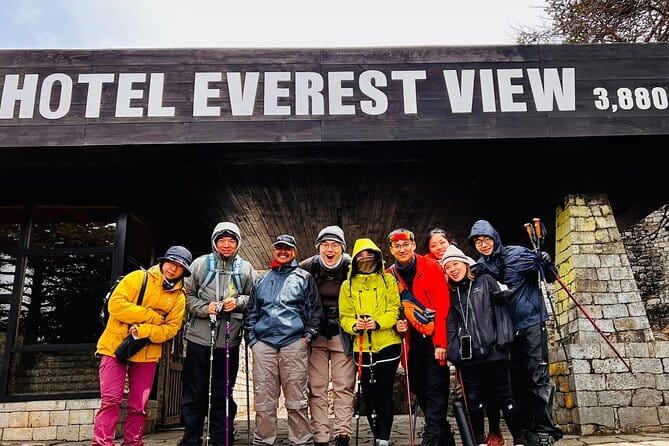
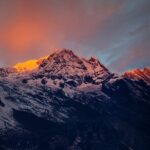
From Namche, Day 5 contours along the valley side above the Dudh Kosi. You’ll pass villages and eventually reach Tyangboche, with big views of peaks in the Khumbu area, including Everest plus Lhotse, Nuptse, and Ama Dablam. This is often the day where you start noticing the Khumbu’s “pattern”: wide valleys, steep side trails, and those sudden peak reveals that make you stop without meaning to.
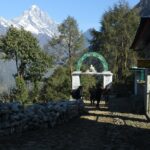
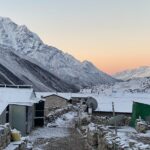
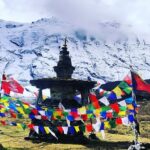
Day 6 continues upward and shifts toward the Pangboche area (listed around 3,985 m), with a key river crossing at Imja Khola and a steady climb. Pangboche is known for its temple-gompa feel and Mani walls, plus excellent mountain framing, including Ama Dablam again.
This section is where you’ll feel the trek turning from valley walking into more serious mountain effort. The upside is that the views get more dramatic, and the culture stops feel more meaningful because you’re moving through places people live—not just passing through zones on a map.
Practical note: mornings can be crisp. Pack a warm layer even if the day starts sunny.
Dingboche rest day: Tshola Tsho and the numbers behind altitude
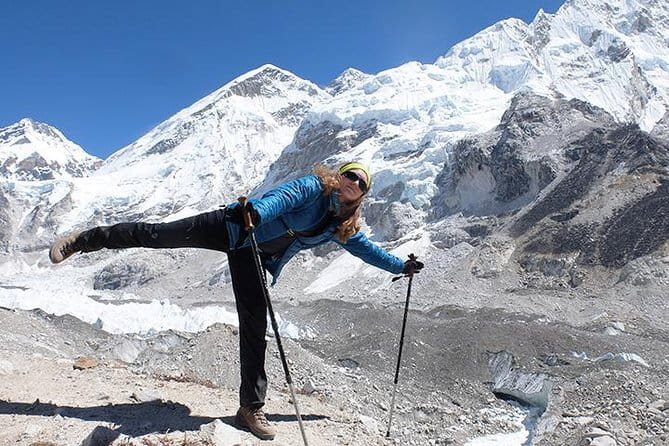
Day 7 is another acclimatization day, centered around Dingboche. You’ll get time to wander up the valley, including a walk toward Tshola Tsho at 4,510 m. You’ll also see the steep wall profile of big peaks like Cholatse and Taboche (the program lists higher altitudes in the area).
There’s also an optional climb up to about 5,100 m, described as Nagarjun. Even if you don’t hit the maximum, the point is this: you move up enough to help your body adapt, then you return to your sleeping altitude. That pattern is the foundation of feeling better later, including on the Base Camp push.
If you want to understand high-altitude trekking fast, watch how you feel during this day. Are you getting stronger as the day goes on, or do you feel worse? Your guide can help interpret that and adjust your pace.
Lobuche, Gorakshep, and the Everest Base Camp approach
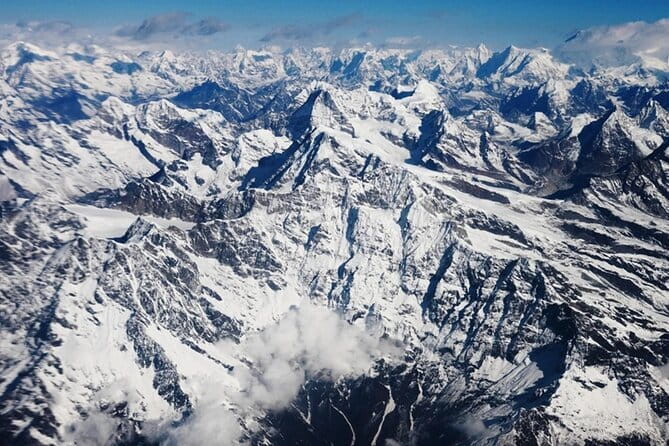
Day 8 takes you onward to Lobuche. The route moves beneath peaks like Cholatse and Tawache, then turns for a steep climb toward the foot of the Khumbu Glacier. You’ll stop for lunch around Duglha (about 4,620 m), which is one of those tea house pauses that keeps your day human.
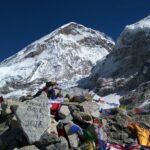
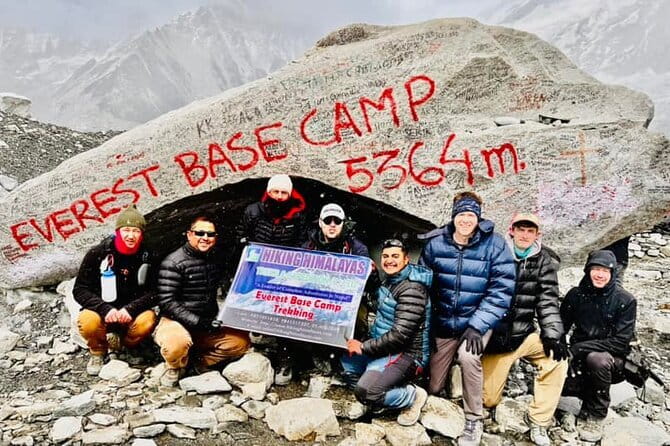
Day 9 is the big one. You go to Gorakshep (about 5,164 m) for lunch, and the trail includes glacier terrain and tributary glacier crossings. Later in the afternoon, you walk on to Everest Base Camp (about 5,364 m). The program states it takes around 5 hours to get there, weaving through ice pinnacles and past glacier crevasses.
This is where the expedition feels most “myth meets reality.” You’ll also get a view-focused return route option, described as going higher for a spectacular perspective on the way back.
Two practical thoughts for this day:
- Bring snacks you genuinely like. Your appetite can change at altitude, and you don’t want to be stuck with only boring trail food.
- Go slower than you think. The glacier terrain is not the place to force speed.
Kala Pathar at dawn: the viewpoint that earns its early start
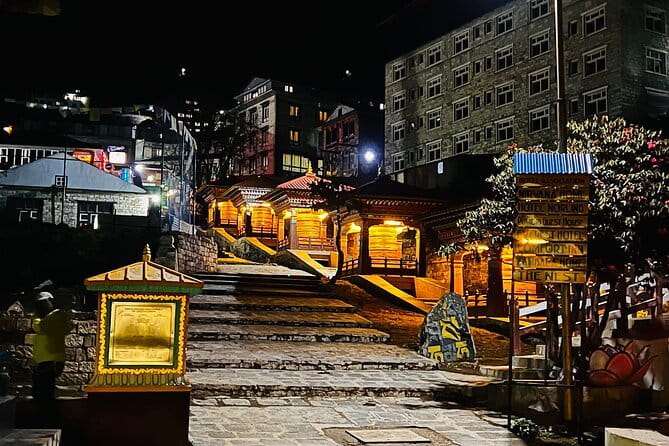
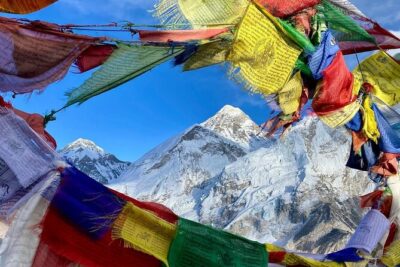
On Day 10, you start early to hike to Kala Pathar (around 5,565 m). This is one of the finest viewpoint areas for Mt Everest, and the program lists sweeping views including Nuptse, Amadablam (spelled in the itinerary), Pumari, Lola, Lhumbute, and more.
Then you descend. Today’s trek is mostly downhill, retracing your steps back toward Duglha and continuing to Pheriche.
This “go high, then go down” rhythm is useful. It gives you the dramatic skyline payoff without stacking more altitude gains that day. Still, even downhill can be tough on knees, so use trekking poles if you have them.
Back toward civilization: Tengboche, Lukla, and your last Himalayan night
Day 11 follows the river and climbs back up through birch and rhododendron forest toward Tengboche (listed around 3,860 m). The trek text calls out mountain views again, including Kantega and Thamserku along with Everest, Nuptse, Lhotse, and Ama Dablam.
Day 12 follows the Dudh Kosi down all the way to Lukla (about 2,800 m). This final evening is treated like a celebration. The program mentions a party with your Sherpa guide, which is a nice touch because it turns the finish into a shared moment instead of just “we got down.”
On Day 13, you fly back to Kathmandu. After landing, you’re left with the rest of the day free—use it for last-minute shopping, packing, postcards, or just sitting somewhere warm and processing what you did.
Cost and value: what $1,420 covers and what you must budget
The price is $1,420 for the 14-day experience. What makes that number more reasonable is what’s included:
- Round-trip flights between Kathmandu and Lukla (including departure taxes)
- private vehicle ground transport from your Kathmandu hotel to the domestic airport and back
- best-available twin-share lodge accommodation during the trek
- a certified English-speaking guide
- an essential porter setup (2 trekkers: 1 porter), with porter foods, accommodation, and insurance handled
- meals on the trek: breakfast (13), lunch (11), dinner (11)
- seasonal fruits
- permits and government taxes/office service charges
- map and an achievement certificate
- a first aid medical kit
What’s not included (and you should plan cash for):
- Kathmandu foods and accommodation at $45 per day
- travel insurance
- international flights to Nepal
- Nepal entry visa: USD 40 for 30 days, obtained at arrival
- drinks/snacks and personal expenses
- hot shower during the trek: USD 5 per person
- personal trekking equipment
- tips for trekking staff and drivers
My take on value: this price can feel strong if you already know your Kathmandu stay will add cost and you don’t want to manage logistics yourself. If you’re trying to keep everything ultra-budget, the add-ons can start to matter quickly—especially Kathmandu lodging, insurance, and daily snacks/drinks.
Who should choose this trek (and who should think twice)
This trek is built for people with strong physical fitness. You’ll be walking many hours across varied terrain at rising altitude, with glacier-adjacent effort on the way to Base Camp. If you’re training consistently and can handle long hikes, you’ll get more joy out of the experience.
This is also a good fit if you want:
- an organized plan with acclimatization built in (Namche and Dingboche)
- an English guide and porter support so you can focus on walking
- a route with cultural stops like Sagarmatha National Park entry and monastery-area atmosphere around Tengboche/Pangboche
It might not fit if you want maximum freedom to change routes day-to-day. This program follows a structured schedule with defined trekking days and overnights.
Pack advice you can count on (since the program expects personal gear): bring your own tough trekking shoes, layers for cold mornings, and anything you need for altitude comfort. Also plan for the fact that you’ll likely pay for a hot shower if you want one.
Should you book this Everest Base Camp trek?
Yes—if you want a well-supported, structured EBC journey with guide-and-porter logistics handled and a schedule that respects acclimatization. The strongest selling points for me are the inclusion of your internal flights, permits, and trek meals, plus the “calm professional” leadership that keeps the pace realistic.
Before you book, do a quick reality check on your budget for Kathmandu ($45/day), visa ($40), travel insurance, and extras like hot showers and drinks. If you can handle those costs and you’re ready for long days on your feet, this is an excellent way to earn Everest Base Camp with fewer stress points.
If you want flexibility, the operator offers free cancellation up to 24 hours before the experience starts.
FAQ
Where does the trek start, and what time?
The start is Tribhuvan Airport in Kathmandu, Nepal, with a start time of 6:15 am.
Are flights between Kathmandu and Lukla included?
Yes. The package includes round trip flights Kathmandu to Lukla and Lukla to Kathmandu, including departure taxes.
What accommodation is included during the trek?
You get twin sharing lodge-to-lodge accommodation using the best available lodges on the trek.
Is meals included while trekking?
Yes. The package includes breakfast (13), lunch (11), and dinner (11). Seasonal fruits are also included during the trek.
Do I need permits for the trek, and are they included?
Yes, permits are required, and the package includes all required permits for the trek.
Is travel insurance included in the price?
No. Travel insurance is not included.
How much is the Nepal entry visa and how do I get it?
The Nepal entry visa is USD 40 for 30 days and can be obtained at the airport upon arrival.
What costs are added for Kathmandu?
Foods and accommodation in Kathmandu are not included and are listed at $45 per day.
Is a hot shower included during the trek?
Hot shower access is not included. It’s listed as USD 5 per person.
Cancellation
Can I cancel and get a full refund?
Yes. You can cancel up to 24 hours in advance for a full refund.