REVIEW · USHUAIA
Ushuaia: Ojo del Albino – Full day trekking
Book on GetYourGuide →Operated by PATAGON MOUNTAIN AGENCY · Bookable on GetYourGuide
If you like your hiking days with a finish line, this one delivers. In just 8 hours, you’ll move from forest and valley terrain up toward Esmeralda Lagoon and the Ojo del Albino glacier, seeing Fuegian Andes scenery that shifts constantly under your boots.
I love how the route stacks different ecosystems in one outing, so the day feels like more than a single long climb. I also like that the pace is built around real trekking: 18 km total with a solid 810 meters of elevation gain, not a stroll. The main drawback is straightforward: this is very demanding on muddy, rocky ground, and it’s not a fit if you have low fitness or any mobility limits.
In This Review
- Key points before you go
- Ushuaia to the glacier: what this 18 km day really feels like
- The hike stages: lagoon forests to rocky climb to Ojo del Albino
- From pickup to trailhead (7:30 to 8:00)
- The easy start: forest and the Esmeralda Lagoon
- Above the vegetation limit: rocks, boulders, and the glacier approach
- Arriving at the glacier lagoon area (around 12:00)
- The return (back by about 17:30)
- At the glacier and lagoon: why this stop is more than a photo break
- Weather, footing, and gear: pack like you mean it
- Guide, group size, and safety on mixed terrain
- Price and value: is $200 worth it?
- Who should choose this trek (and who should skip it)
- Should you book the Ojo del Albino full-day trek?
- FAQ
- How long is the Ojo del Albino full-day trekking?
- What’s the hike distance and elevation gain?
- When do you start hiking and when do you end?
- What terrain should I expect?
- What does the tour include?
- What languages are available with the guide?
- Is it suitable for children?
- What items are required or not allowed?
Key points before you go
- 18 km and 810 m up: a serious day even if the first miles feel easier.
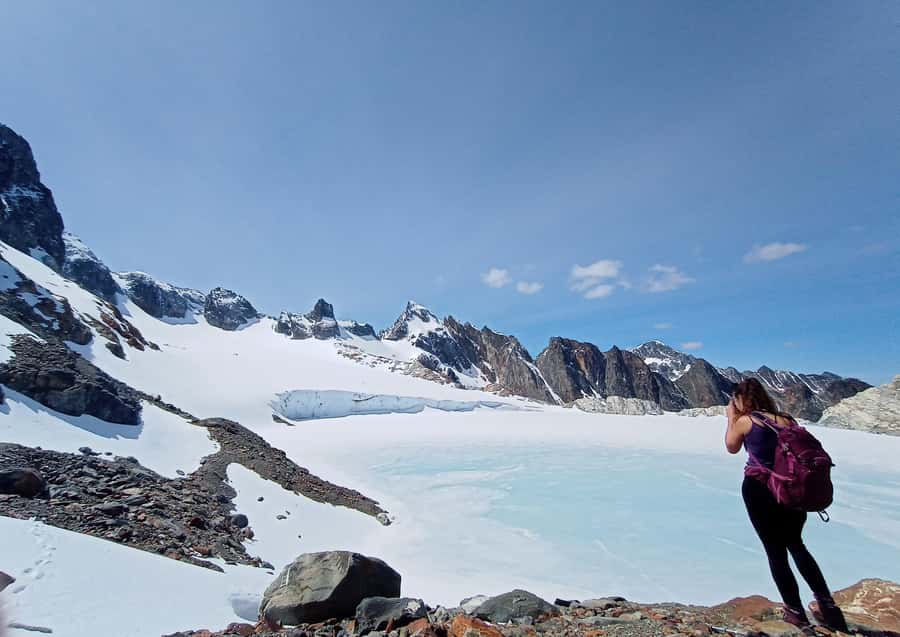
- Two big stops in one: the Esmeralda Lagoon plus the Ojo del Albino glacier lagoon area.
- Rain or shine: expect damp trail and changing footing.
- Small group (up to 5): you’re not lost in a crowd; the guide can manage pace and safety.
- Hot drink and lunch box included: built for long effort, not just sightseeing.
Ushuaia to the glacier: what this 18 km day really feels like
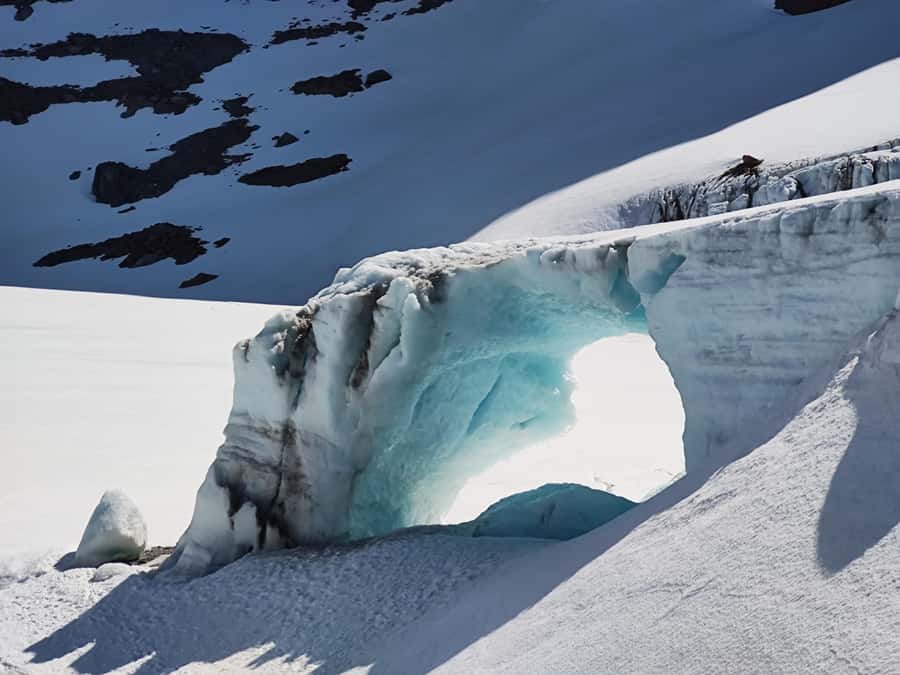
This is a full-day Ushuaia trekking that targets one of the most dramatic glacier areas in Tierra del Fuego: Ojo del Albino, paired with the Esmeralda Lagoon. The day starts early, with a hotel pickup at 7:30, and you begin hiking at 8:00—so you’re already moving before the weather has time to make up its mind.
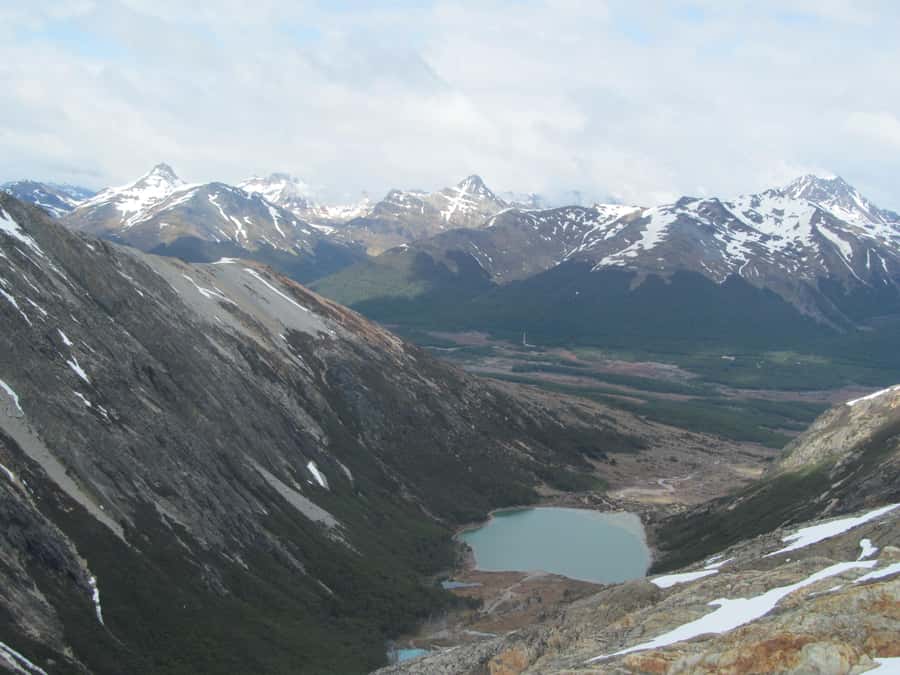
The terrain is the story. The first stretch runs through humid forest where you’ll deal with mud, then it gradually sets you up for the harder part: rocky ground beyond the vegetation line and an ascent toward the glacier area. Think of it like a hike with two moods—easier walking up to the lagoon and then a tougher climb once the trail turns more technical.
If you’re the type who enjoys the work as much as the views, you’ll like this. If you want an easy photo safari, you’ll likely feel rushed or uncomfortable as the rocky climb ramps up.
You can also read our reviews of more tours and experiences in Ushuaia.
The hike stages: lagoon forests to rocky climb to Ojo del Albino
From pickup to trailhead (7:30 to 8:00)
You’ll meet the guide and transfer out of Ushuaia at 7:30, with a short coach ride (about 25 minutes) before you start the hike. This is useful because it gets you away from the city quickly, and it also means less time coordinating logistics on your own.
The easy start: forest and the Esmeralda Lagoon
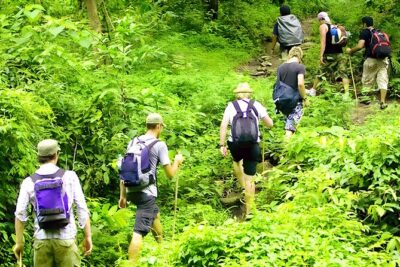
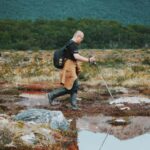
The route begins with easier hiking up to the lagoon and the forest that follows. The guidance here matters: in humid forest, even when the trail feels manageable, your footing depends on how wet the ground is. This is where you’ll want to settle into rhythm—short steps, controlled breathing, and frequent pauses to check the ground before you commit.
The Esmeralda Lagoon segment is also a mental checkpoint. It’s not the end goal, but it helps you understand the landscape scale you’re heading toward. You’re transitioning from valley walking into the bigger effort that comes later.
Above the vegetation limit: rocks, boulders, and the glacier approach
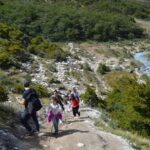
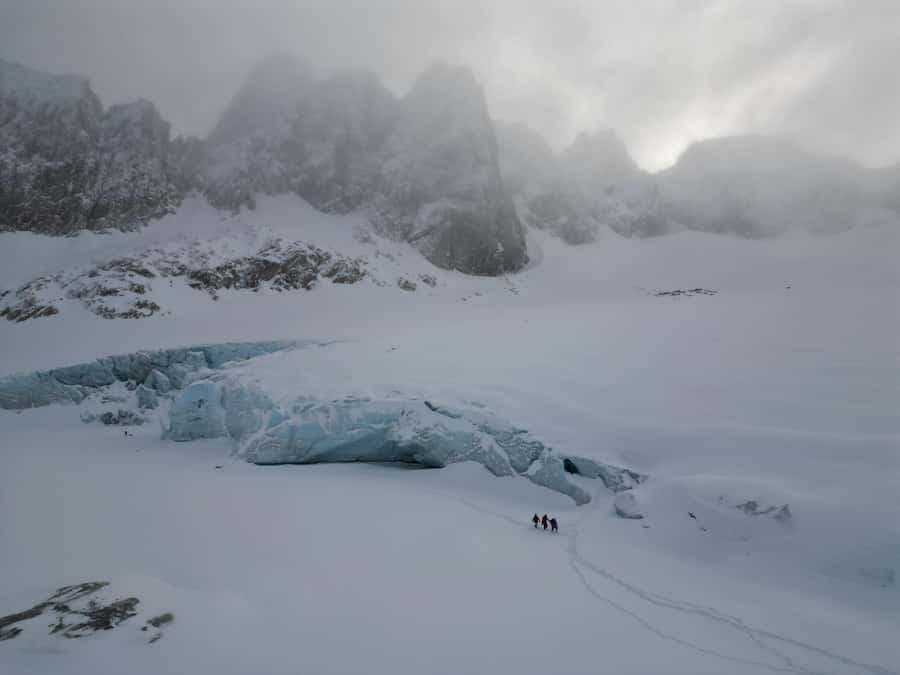
Once you reach the area outside the vegetation limit, the hike turns into the main event. You enter a rocky zone where the ascent toward the glacier begins. Expect to cross boulders of different sizes, which means careful foot placement and steady balance—especially if there’s any snow on the trail.
One good signal: the guide’s job here isn’t just pointing the way. It’s managing how you move through uneven terrain safely while keeping the group together. In past outings, guides handled changing conditions well, including snow, and made the experience feel controlled rather than chaotic.
Arriving at the glacier lagoon area (around 12:00)
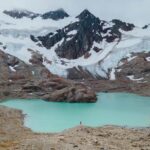
You’re looking at about 12:00 arrival at the foot of the glacier area. From here, the day shifts again—from active hiking to focused viewing and time to take in the Ojo del Albino glacier lagoon setting.
The return (back by about 17:30)
The return starts after your glacier time and runs back toward Ushuaia, with arrival back around 17:30 for the departure from the transfer pickup point. The best part of coming back is also the hardest: your legs are tired, and the rocky sections demand attention on the way down.
At the glacier and lagoon: why this stop is more than a photo break
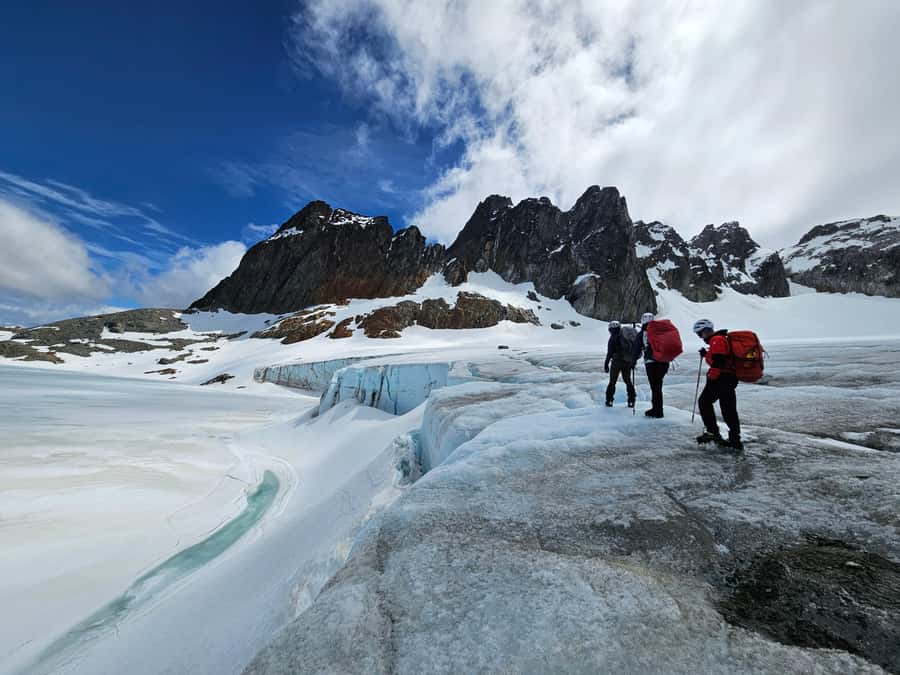
The glacier stop is where the Fuegian Andes setting hits you hardest. You’re looking at a glacier environment with dramatic angles, cold air, and that high-wild feeling that makes you stop thinking about effort and start noticing details.
What I like is that the experience is set up for more than just arrival. There’s a built-in “stay awhile” moment: a guide can guide your eyes to what matters while the group catches its breath. One highlight from past days was how guides offered hot tea at the top—simple, but exactly what you want when the wind and cold start doing their work.
Also, this is a mixed condition hike. In some outings, snow was part of the trail experience. That means your time at the glacier area often includes watching your footing and moving deliberately, especially on the way back down through snow or slushy patches.
Weather, footing, and gear: pack like you mean it
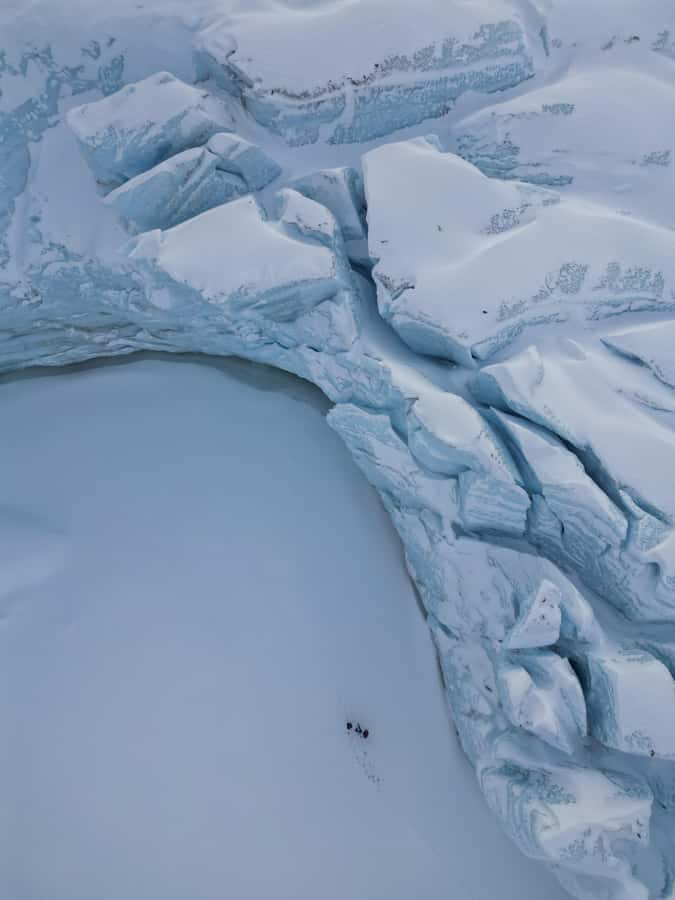
This trek runs rain or shine. In Tierra del Fuego, that doesn’t mean light drizzle and nice clouds. It means you should assume damp trail, mud, and cold exposure.
Here’s the practical part: you’ll want footwear that can handle mud and rocky surfaces. Hiking shoes are listed as required gear, and the tour also provides trekking poles—use them. Poles are especially helpful on the ascent and again on the descent when your knees and balance start bargaining.
For clothing, think layers. The tour tells you to bring a jacket and gloves, plus a hat and sunglasses. Sunscreen is also on the list because the combination of wind, cold, and reflected light can still catch you.
Bring the kit below, because the operator is clear that if you don’t show up with mandatory items, you won’t be able to join:
- Hiking shoes, socks, jacket, gloves
- Hat, sunglasses, sunscreen
- A reusable water bottle
Also note what you shouldn’t bring: luggage or large bags and pets aren’t allowed (assistance dogs are the exception).
Guide, group size, and safety on mixed terrain
Small groups are a big deal on a demanding hike like this. The tour limits the group to 5 participants, which makes it easier for the guide to manage pace, spacing, and attention on the rough sections. When the trail includes boulders, mud, and sometimes snow, crowd control becomes less about comfort and more about safety.
The guides operate in English, Spanish, French, and German. In past experiences, guides were praised for competence and courtesy, and for being ready to adjust when people had different comfort levels on steep or snowy stretches. That kind of flexibility matters because this is not a uniform trek: some parts are technical, and your body will respond differently depending on fitness and conditions.
You also get personal insurance included, and that’s not glamorous—but it’s reassuring for a day that asks for serious attention.
Price and value: is $200 worth it?
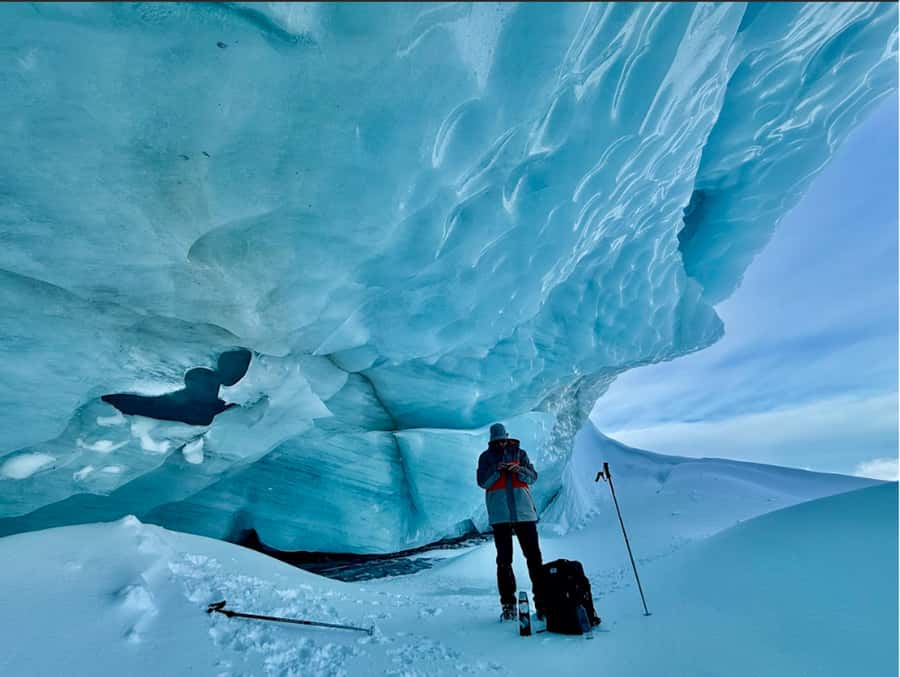
At $200 per person for an 8-hour, 18 km trek, the cost makes more sense when you look at what’s covered. You’re not just paying for a name tag and a map. The package includes guided support, transportation to and from the hiking area, personal insurance, trekking poles, a lunch box, and a hot drink.
That matters in Ushuaia because weather and trail conditions can force you into real-world decision making. A competent guide helps you move safely over mud, rocks, and possible snow. Trekking poles also remove a common friction point for travelers who don’t pack gear.
Is it expensive compared to walking from town on your own? Sure, probably. But it’s also a specialized day: small group, remote trail access, and a glacier-focused objective. For many people, that’s the value equation—pay for the structure so you can focus on the hike.
Who should choose this trek (and who should skip it)
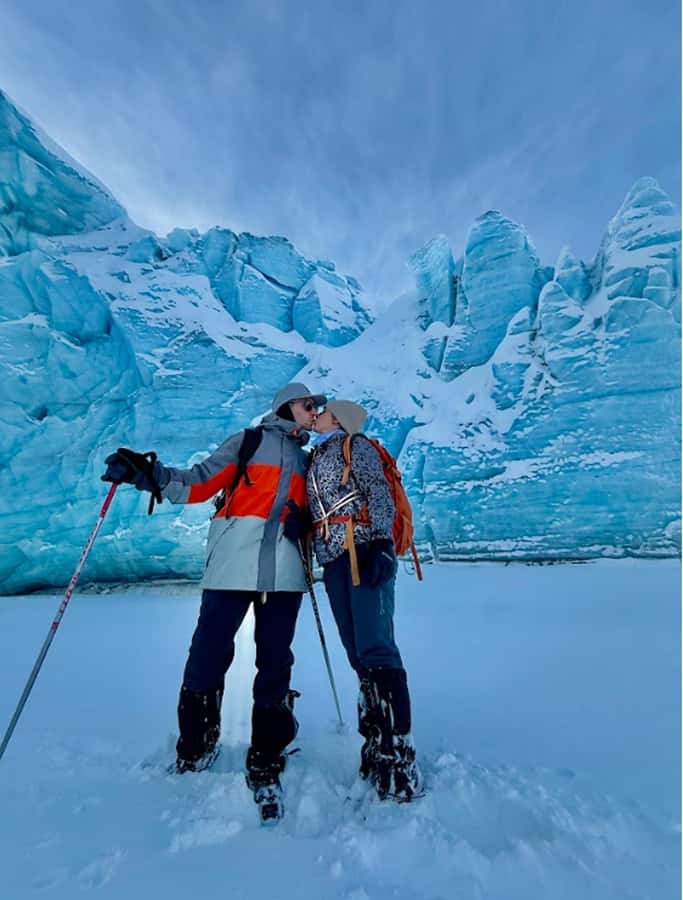
This trek is best for people who are comfortable with sustained effort and uneven ground. It’s described as not suitable for people with mobility impairments, wheelchair users, people over 254 lbs (115 kg), and those with low fitness. Children under 14 are listed as not included, and the activity is also flagged as not suitable for children under 13—so plan accordingly.
You’ll be happiest if you:
- Like a hike with real elevation and varied terrain
- Enjoy glacier scenery and don’t mind wet, cool conditions
- Want a guide to handle boulders, snow patches (if present), and safe pacing
If you’re recovering from an injury, feeling unsure about steep rocky descents, or expecting a mostly easy day, you’ll likely find this too demanding. Save your energy for a gentler outing and come back when you’re ready for a climb.
Should you book the Ojo del Albino full-day trek?
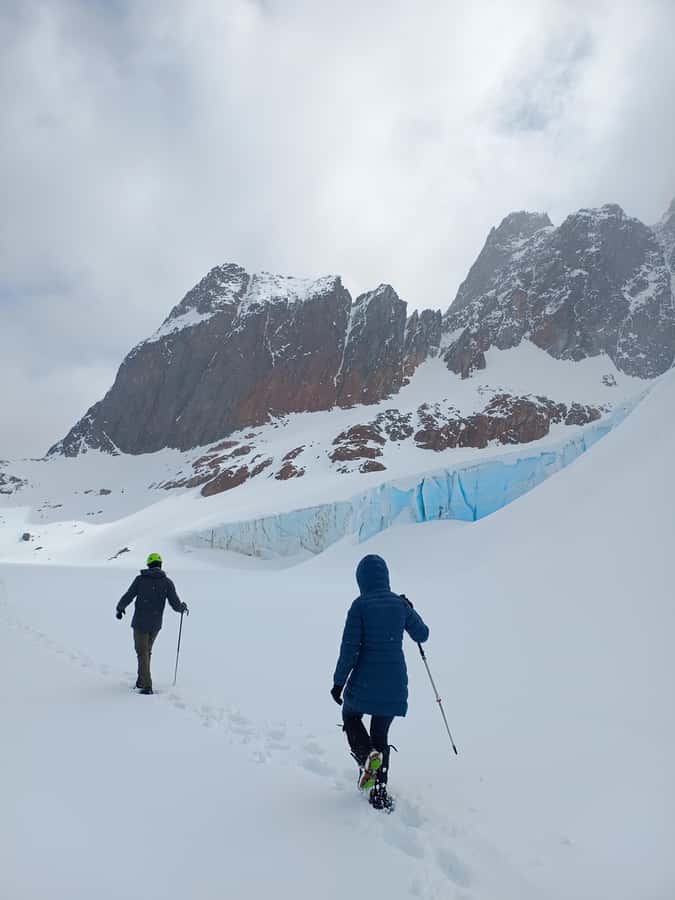
Book it if you want a true full-day trek out of Ushuaia with a clear goal: Esmeralda Lagoon early on, then Ojo del Albino as the main glacier payoff. The small group size and included gear and food make it a good value for the intensity.
Skip it if you’re chasing an easy nature walk, if your fitness is low, or if you don’t want to deal with mud and rocky footing in cold weather. This hike asks for commitment, and it rewards it with a glacier moment that feels earned.
If you’re on the fence, the deciding question is simple: can you handle a demanding 18 km day with 810 meters of climbing on mixed terrain? If yes, you’re in the right place.
FAQ
How long is the Ojo del Albino full-day trekking?
The duration is 8 hours.
What’s the hike distance and elevation gain?
It’s listed as 18 km total with a positive elevation gain of 810 meters.
When do you start hiking and when do you end?
Pickup starts at 7:30, hiking begins at 8:00, and you return to Ushuaia with an end time around 17:30.
What terrain should I expect?
You’ll hike through humid forest with mud and rocky terrain, then reach a rocky area beyond the vegetation limit for the ascent toward the glacier.
What does the tour include?
Guided service, transportation, personal insurance, trekking poles, a lunch box, and a hot drink.
What languages are available with the guide?
The guide works in English, Spanish, French, and German.
Is it suitable for children?
Children under 14 are listed as not included, and the activity is also flagged as not suitable for children under 13.
What items are required or not allowed?
You should bring sunglasses, a hat, hiking shoes, sunscreen, a jacket, gloves, socks, and a reusable water bottle. Luggage or large bags aren’t allowed, and pets aren’t allowed (assistance dogs are allowed).