REVIEW · USHUAIA
USHUAIA: TREKKING IN LAGUNA DE LOS TÉMPANOS AND VINCIGUERRA GLACIER
Book on GetYourGuide →Operated by Explore Tierra del Fuego · Bookable on GetYourGuide
Icy caves feel close in Ushuaia. This trekking day links Laguna de los Témpanos scenery with a close-up walk to Glaciar Vinciguerra, plus a route that changes every few minutes—from peat bogs to native forest and then right into the glacier world. I especially love the variety: wetlands, rivers, lagoons, and glaciers on the same day. I also love the payoff at the end, where you get that lunch-by-the-ice moment and can see crevasses and glacier caves (depending on conditions). The main drawback is the effort: it’s a demanding hike and you need proper boots and warm layers, or the day can feel miserable fast.
You’ll ride by van from your Ushuaia accommodation, then spend the bulk of the day hiking (about 7 hours on foot). The small group size (up to 10) matters here, because you can keep a steadier pace, and the guide can check that everyone is doing fine—something that becomes extra important if weather turns wet. Expect a day that’s less about sightseeing shortcuts and more about moving through Tierra del Fuego for real.
Finally, plan your expectations for the glacier details. The experience is built around seeing ice features up close, but ice caves and sounds from the glacier can be more reliable in colder periods, and rain can change what you’re able to notice. If you go with the mindset of hiking first and viewing second, you’ll have a much better day.
In This Review
- Key things to know before you go
- Tierra del Fuego on foot: why this trek is more than a glacier stop
- Glaciar Vinciguerra: the long hiking day and what it’s really like
- Andorra Valley peat bogs and the climb toward the vegetation limit
- The waterfall pause: where the hike turns scenic and physical
- Laguna de los Témpanos: photos first, then ice-level walking
- Ice caves, crevasses, and the sounds of the glacier: manage expectations
- Guides, small group limits, and the lunch-by-the-ice factor
- Duration and timing: how the day is paced end to end
- Price ($170) and real value: what you get versus what you bring
- What to pack: warm layers, boots that grip, and crampon confidence
- Who should book this Ushuaia glacier trek?
- Should you book Explore Tierra del Fuego for Laguna de los Témpanos and Vinciguerra?
- FAQ
- How long is the trekking experience?
- How far will I walk during the tour?
- Is pickup included from Ushuaia?
- What’s the group size and what languages are offered?
- Do they provide trekking poles and crampons?
- What should I wear for the hike?
- What will I see at Laguna de los Témpanos and Glaciar Vinciguerra?
- Is this tour suitable for children or wheelchair users?
- Is free cancellation available?
Key things to know before you go
- Peat bogs in the Andorra Valley early on, with a thawing river view that sets the tone for the climb
- Native forest ascent up toward the limit of vegetation, where the terrain starts to feel more alpine
- Laguna de los Témpanos photo time plus a walk along the lagoon before you reach the glacier foot
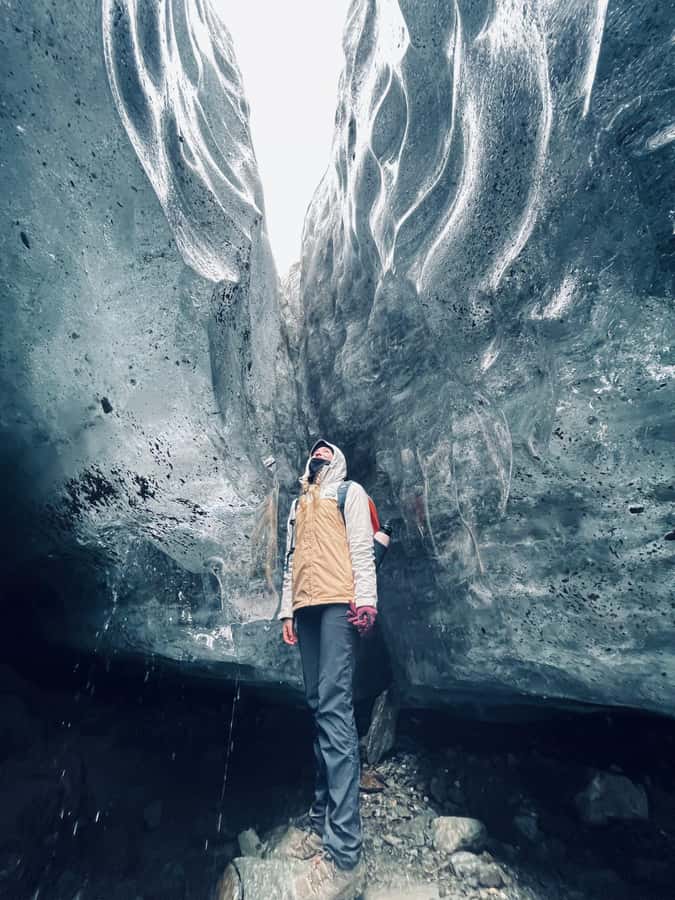
- Up-close glacier contact: crevasses, ice caves, and ice formations are part of the experience (conditions matter)
- Small group pacing (max 10), which helps when weather is sloppy or the climb gets steep
- Box lunch by the ice at the glacier sector, so you eat with the main event nearby
Tierra del Fuego on foot: why this trek is more than a glacier stop
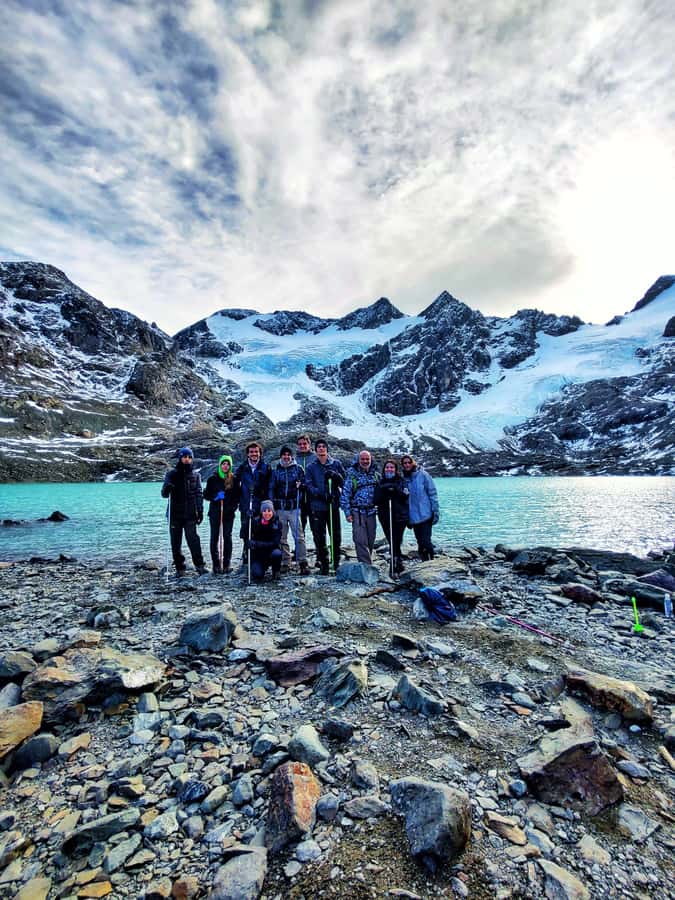
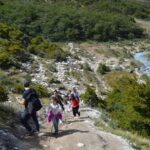
This is a full-day trek in Tierra del Fuego, and that’s why it feels satisfying even before you see the ice. You start in a wetter, darker-feeling setting—Andorra Valley peat bogs—where the ground holds moisture and the air often feels cooler. Then the trail gradually pulls you upward through native forest, which changes the smell, the sound, and the sense of effort as you gain elevation.
Most glacier trips turn into a single-view moment. This one gives you a whole chain of scenes: wetland → river thaw → forest climb → waterfall stream rest → lagoon approach → glacier frontage. If you love travel days where the scenery comes in “chapters,” this format is a good match.
You’ll also get the practical benefit of structure. Because the day is built around specific transitions (forest to waterfall, waterfall to partial glacier views, then final climb), you’re not left wondering what happens next. It’s one continuous story with a clear rhythm.
You can also read our reviews of more tours and experiences in Ushuaia.
Glaciar Vinciguerra: the long hiking day and what it’s really like
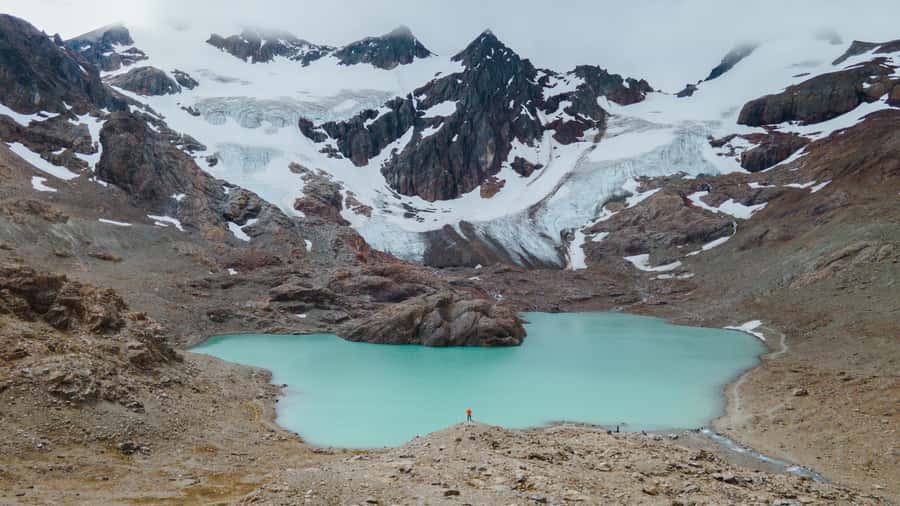
The hike is guided and structured, with about 7 hours on foot during the main activity. That’s not a casual “walk and talk.” You’re tackling real elevation and covering distance—enough that you need to be in solid shape to keep moving steadily for the round trip 14 km.
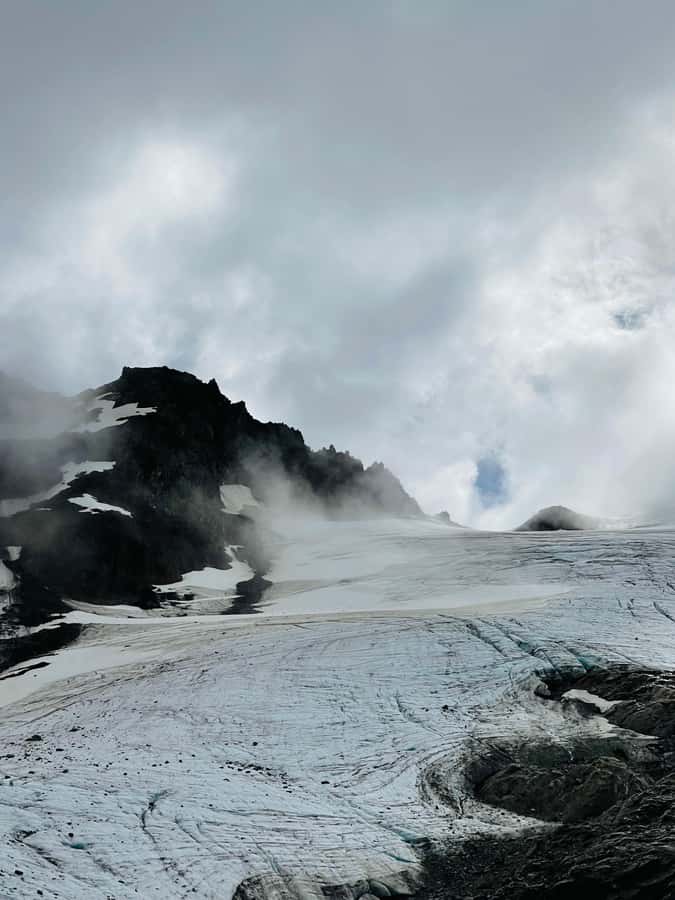
What you’re working toward is the glacier sector near the foot of Glaciar Vinciguerra. That’s the point where the trek shifts from “views of ice” to “life at ice level.” You’ll have time to feel the cold presence of the glacier, see crevasses, and experience the glacier as something active rather than static.
If rain hits (it can happen), the trek becomes more demanding underfoot. One key advantage of having a guide is that they can manage the pace and timing so everyone stays safe. In rougher weather, you’ll want those short stops for checking in and keeping traction, not big photo breaks that stretch your energy too thin.
Also, keep in mind that glacier features can vary. Even when the day is planned with ice caves and internal glacier effects in mind, what you see is influenced by season and conditions. Treat the glacier as the star, but don’t anchor your whole day on one specific ice cave shot.
Andorra Valley peat bogs and the climb toward the vegetation limit
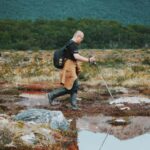
The start is quietly dramatic in its own way. You cross the Andorra Valley and get introduced to the famous peat bogs—wet ground that looks soft and strange from a distance, but feels very real when you’re walking near it. These wetlands matter because they set up the theme of thawing in Tierra del Fuego.
You’ll see how the thawing river moves through the area, and that combination—wetland + thawing water—creates a view that feels almost otherworldly. Then comes the ascent through native forest. As you climb, the vegetation gradually thins, and you reach the limit of vegetation, where the environment starts to look more exposed and alpine.
One practical takeaway: this early section is a good place to find your pace. Don’t sprint. You’ll earn the later sections more if you move efficiently now. If you’re tempted to go fast because the scenery is cool, remember the final climb to the lagoon sector is described as the most demanding ascent.
The waterfall pause: where the hike turns scenic and physical
After you reach that vegetation limit zone, the route brings you in front of a thawing waterfall. This is more than a pretty stop. It’s a transition moment: you’re higher, the air can feel sharper, and the trail often feels steeper than you expected from the earlier forest sections.
You take a short rest on the banks of the stream from there. This matters because it breaks the monotony of climbing. It’s also a “reset” point where you can drink something, adjust layers, and get ready for the last push.
At that stage, you can see part of the glacier ahead—enough to confirm you’re close to the main event without letting the day turn into impatient waiting. If you’ve ever done long hikes where you can’t see the end until you’re exhausted, you’ll appreciate that the route gives you a reality-check view before the hardest part.
Laguna de los Témpanos: photos first, then ice-level walking
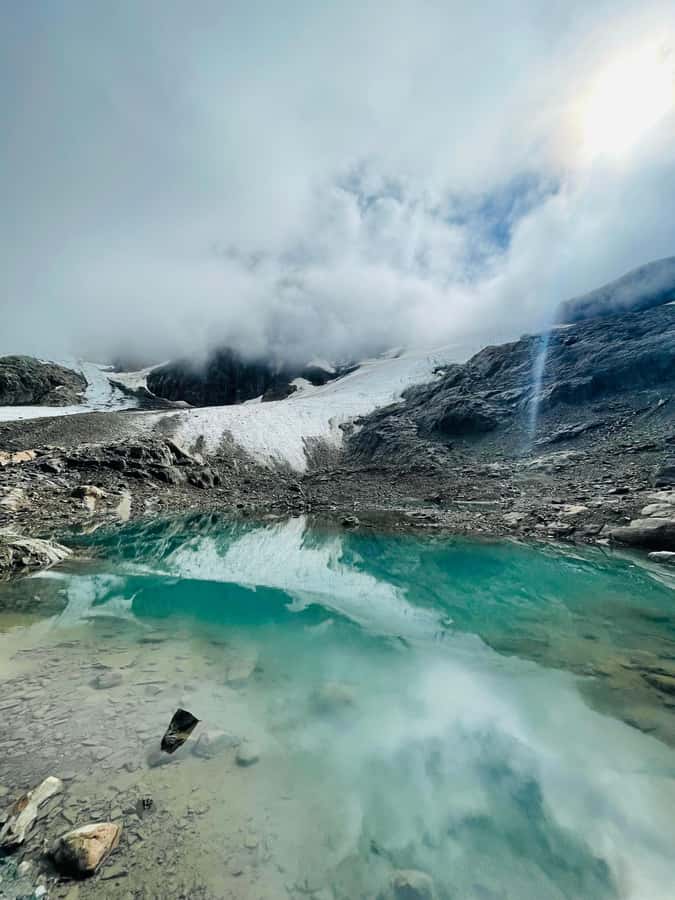
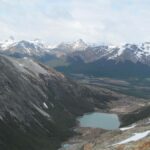
Then you hit the most demanding ascent: the climb that brings you to Laguna de los Témpanos. Once you arrive, the vibe changes fast. You get time to take photos and appreciate the glacier lagoon, including the dramatic ice presence across the water—an “ice giant” effect that’s exactly what you came for.
The lagoon itself is where your eyes get to slow down. The water, the floating ice, and the glacier backdrop work like a natural gallery. Just don’t let the beauty make you forget the schedule: you still have walking to do.
After the lagoon viewing time, you walk about 20 minutes along the lagoon to reach the foot of the glacier. This part is important because it positions you for that up-close experience at ice level. It also gives you a sense of the geography—how the glacier feeds the lagoon and how the ice looks as a physical object rather than a distant photo.
Ice caves, crevasses, and the sounds of the glacier: manage expectations
This trek is designed for glacier awareness, not just glacier staring. At the glacier foot, you’ll get a chance to see crevasses, and you’re guided toward caves generated in the ice. The experience also includes the idea of hearing the glacier’s internal rivers, which is exactly the kind of detail that makes you feel small in the best way.
Here’s the expectation-management part. One traveler noted that some cave-related elements can be winter-time and may not show up the same way at other times. That doesn’t mean the day is a letdown; it means the glacier isn’t a fixed museum exhibit. Ice structure changes, melt patterns change, and access to certain features can vary.
Weather also affects what you notice. In rain, visibility and footing are harder, and some ice details can be harder to see safely. The good news is that the guide’s role is bigger than pointing. When conditions are tough, they help keep you stable, moving, and attentive to what’s actually visible.
Your best strategy: focus on what you can control. Keep your eyes open for crevasses and ice textures, notice how the glacier edge interacts with air and water, and treat caves as a bonus, not a guarantee.
Guides, small group limits, and the lunch-by-the-ice factor
This excursion runs with specialized mountain tour guides and a small group capped at 10 participants. That cap is not just comfort—it’s safety and pacing. On steep or slick terrain, the guide can keep a close eye on how everyone is doing, and the group can move like a team rather than a crowd.
Guides work in Spanish and English, which is handy in Ushuaia where groups can mix languages. If you’re traveling solo, this also makes it easier to ask questions without feeling lost in the back.
Then there’s the lunch. You get a box lunch, and you eat in the glacier sector, sitting near the ice. That’s a big deal in a place like Tierra del Fuego, because it turns lunch into part of the experience rather than a break you take while the highlight happens elsewhere.
One extra comfort detail from a recent experience: a traveler appreciated having a warm drink alongside the packed meal, which makes sense on cold days. Either way, bring the mindset that you’re fueling for the return hike, not just grabbing a snack.
Also, plan for frequent guide checks. When weather is rough, you’ll likely get more of those short stops to confirm everyone’s okay and keep the pace reasonable.
Duration and timing: how the day is paced end to end
The total duration is 450 minutes, which is about 7.5 hours. Van time is roughly 30 minutes before the hike and 30 minutes after, with the main hiking portion taking around 7 hours.
That time breakdown helps you plan your day in Ushuaia. You’re doing a full outing, not a quick half-day. So I recommend pairing it with lighter plans on the same calendar day (and leaving buffer time for weather changes and the simple reality that Patagonia timing can be slower than big-city schedules).
If you’re from sea-level and you don’t hike much, the combination of cold air + elevation + wet ground can feel tougher than you expect. The guide and small group format help, but they can’t replace your own energy management. Snack if you need it, drink water regularly, and don’t wait until you’re already out of gas.
Price ($170) and real value: what you get versus what you bring
At $170 per person, this trek isn’t “cheap,” but it’s also not in the realm of ultra-expensive niche expeditions. The value comes from what’s included versus what you’re responsible for.
Included:
- Transfers from your Ushuaia accommodation area
- Specialized mountain tour guides for the whole hiking segment
- Box lunch in the glacier sector
- Trekking poles and crampons (crampons if necessary)
Not included (but mandatory):
- Warm clothing and trekking boots
So the cost isn’t just for a guide. It’s for the gear support that matters on icy or slippery terrain, plus the labor of guiding you through a route that includes wetlands, forest, climbs, and glacier-side walking. If you tried to copy this day on your own, you’d spend money on transportation, hire your own gear, and still be taking on route and safety questions without the guide’s experience.
The hidden “value” is also the structure. Because the trek is guided and small group based, you spend your energy hiking instead of figuring out logistics on the fly.
What to pack: warm layers, boots that grip, and crampon confidence
This is a cold-conditions trek where gear matters. The rules are clear: warm clothing and trekking boots are mandatory. If you show up in lightweight shoes, you’ll feel it quickly.
Here’s what you should think about before you go:
- Your boots need real grip for uneven ground, and you need them to feel comfortable for a 14 km round trip
- Warm layers should handle wind and wet conditions, especially if rain moves in
- You’ll likely use trekking poles, and crampons may be added if conditions require it
Also, remember that you’ll be outside for a long stretch. Even if the sun comes out, Patagonia weather has a habit of shifting. Dress like you expect cold, damp, and wind, then hope you get something milder.
If you’re unsure what qualifies as trekking boots for your own closet, err on the side of sturdier footwear. Your legs will thank you on the final ascent.
Who should book this Ushuaia glacier trek?
Book it if you:
- Want a real hiking day that goes beyond a single glacier viewpoint
- Enjoy mixed terrain: wetlands, forest, waterfall stops, and then ice-level walking
- Can handle a round trip walk of 14 km at a mountain pace
- Prefer a small group (up to 10) with guided safety and a steady rhythm
Skip it if you:
- Don’t feel confident sustaining that walking pace for 14 km
- Need wheelchair access (this isn’t set up for wheelchair users)
- Have kids under 12 (not suitable)
And one last practical note: plan around weather. Rain can make the trek more difficult, but with the guide keeping an eye on everyone and stopping regularly to check in, you’re in better hands than going solo.
Should you book Explore Tierra del Fuego for Laguna de los Témpanos and Vinciguerra?
Yes—if you’re prepared for a serious hike and you dress for cold, wet conditions. This is one of those Ushuaia days where the route itself is half the reward: peat bogs, native forest, a thawing waterfall, and then the lagoon-to-glacier payoff. The small group setup plus included guide support and glacier-sector lunch makes the price feel grounded in real costs.
But if your dream is a guaranteed ice-cave spectacle no matter the season, you should temper expectations. Glacier features can vary. Go for the full glacier experience and the hike to get there, and you’ll likely walk away feeling you earned every view.
FAQ
How long is the trekking experience?
The total duration is 450 minutes.
How far will I walk during the tour?
You should be prepared to sustain a walking pace for 14 km round trip.
Is pickup included from Ushuaia?
Yes. Pickup is included, and they pick up passengers for their accommodation.
What’s the group size and what languages are offered?
The group is limited to 10 participants. The live tour guide speaks Spanish and English.
Do they provide trekking poles and crampons?
Yes. Trekking poles are provided, and crampons are provided if necessary.
What should I wear for the hike?
Warm clothing and weather-appropriate clothing are required. Trekking boots are mandatory.
What will I see at Laguna de los Témpanos and Glaciar Vinciguerra?
You’ll hike to Laguna de los Témpanos for photo time and glacier lagoon views, then walk to the foot of Glaciar Vinciguerra to see ice features such as crevasses and caves generated in the ice.
Is this tour suitable for children or wheelchair users?
No. It is not suitable for children under 12, and it is not suitable for wheelchair users.
Is free cancellation available?
Yes. You can cancel up to 24 hours in advance for a full refund.