REVIEW · KATHMANDU
Langtang Panorama Trek
Book on Viator →Operated by Unique Path Trekking Expedition Pvt. Ltd · Bookable on Viator
That first view in Langtang is pure payoff.
This Langtang Panorama Trek strings together forests of rhododendron and oak with mountain villages, then tops it off with a high payoff day to Chorkari Ri and another special section to Gosaikunda. What I like most is the route planning that gives you a real sense of the Langtang-Ganesh Himal and Jugal range, and the way the company builds in altitude monitoring with an oximeter on the higher days. The main drawback to consider: you’re still hiking up to about 5,050m, and several days are long enough that a slow, steady pace is not optional.
A lot of the trek magic here is in the in-between stuff: bamboo groves where red pandas are known to exist, quieter trails through fir and pine, and villages that feel lived-in rather than staged. You’ll also appreciate that Unique Path keeps the group size to a maximum of 25 and uses a crew with strong coordination skills—your experience depends less on luck and more on good day-to-day logistics. If you’re brand-new to trekking or want lots of short, easy days, this one may feel like work more than a stroll.
In This Review
- Key highlights that make this trek worth your shoes
- Where Langtang Panorama Trek fits on the Nepal map (and why it’s smart)
- Your day-by-day trek rhythm: from Syabrubesi to Dhunche
- Forests, villages, and the kind of scenery you can actually enjoy
- Altitude reality check: what 5,050m really demands
- Lodges, sleeping gear, and meals: what’s included (and what you pay for)
- Logistics and the guide team: why “organization” matters on this route
- Price and value: does $755 do enough right?
- Weather, reroutes, and keeping the plan workable
- Who should book Langtang Panorama Trek (and who should think twice)
- Should you book it? My straight answer
- FAQ
- What is the duration of the Langtang Panorama Trek?
- Do I get picked up in Kathmandu?
- How many people are in the group?
- What meals are included during the trek?
- Are Kathmandu meals and accommodation included?
- What kind of guide support do I get?
- What sleeping and cold-weather gear is included?
- How high do you go?
- Is a porter included?
- If weather is bad, what happens to my booking?
Key highlights that make this trek worth your shoes
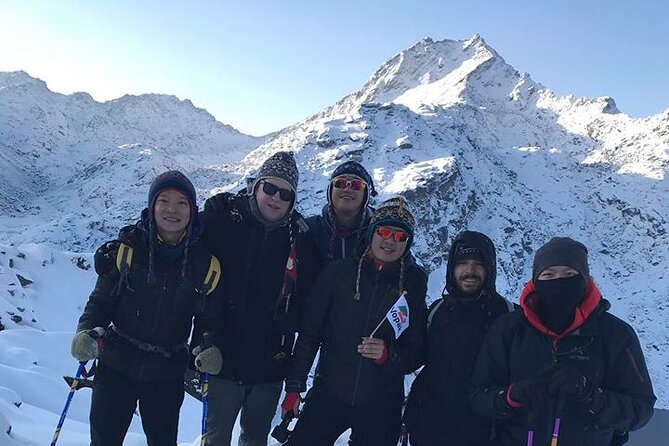
- A standout high view at Chorkari Ri (5,050m) with a round-trip hike that’s long, but memorable
- Gosaikunda and Lauribina Pass (around 4,600m) for that classic sacred-lake feeling
- Real pacing across villages and forest bands, from Syabrubesi up through Langtang village and beyond
- Altitude check included via an oximeter plus pulse and oxygen saturation monitoring
- Provided cold-weather gear when needed, including a four-season sleeping bag and down jacket
- Small-group support (up to 25) and English-speaking guidance, with past teams led by Babu plus guides like Suresh and Damber
Where Langtang Panorama Trek fits on the Nepal map (and why it’s smart)
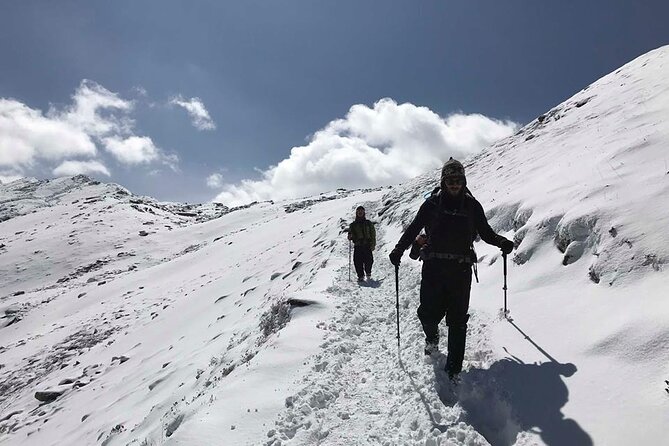
Langtang sits just north of Kathmandu’s valley rim, so you’re not spending the whole trip just getting to the mountains. That means you can feel the scale of the Himalaya without turning the journey into a multi-day travel saga. The trek also hits two of the most meaningful areas in the region: the Langtang Valley corridor and the Gosainkund lake area.
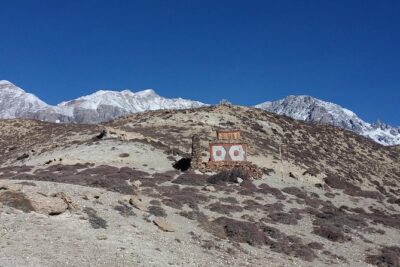
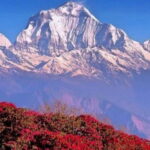
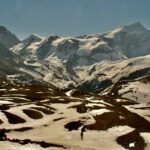
The “panorama” part isn’t marketing fluff. You’re moving through a section of Nepal where the views come in layers—tree line to ridges to lake-and-pass days—so you get repeated chances to look farther, not just one big photo moment. And because the route threads through the shade of Langtang-Ganesh Himal and the Jugal range, the scenery tends to feel wide even when you’re surrounded by forest.
One more practical point: this is described as moderate and adventurous, which usually means you’ll be challenged, but not tossed into pure suffer-fest territory. If you train a bit and go slow, the route makes sense.
You can also read our reviews of more tours and experiences in Kathmandu.
Your day-by-day trek rhythm: from Syabrubesi to Dhunche
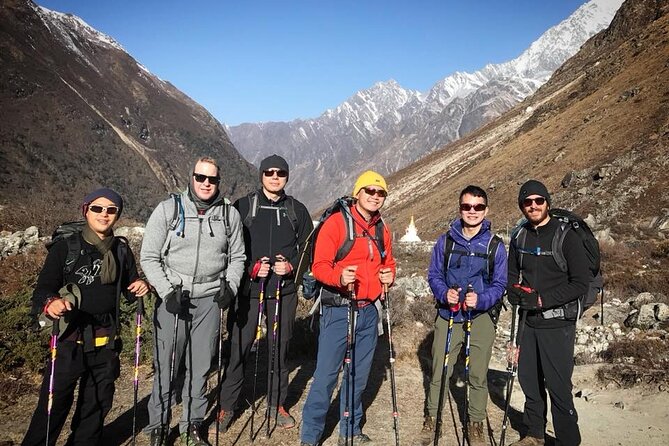
This route is built like a sequence of climbs and resets. Some days hit harder altitude gain, then you drop down to help you recover before the next push.
Day 1: Kathmandu to Syabrubesi (about 7 hours by bus)
You start with a longish drive out of Kathmandu and overnight in a guest house in Syabrubesi. It’s a solid warm-up in the sense that your legs aren’t already tired, but your day is still “busy” in travel mode.
Day 2: Syabrubesi to Lama Hotel (5.5 hours)
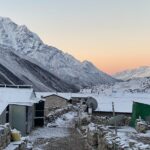
This is your first real trekking day, climbing from about 1,610m to 2,480m. You’ll feel the air change gradually, and it’s a good day to practice steady breathing and a slower pace than you think you need.
Day 3: Lama Hotel to Langtang Village (5 hours)
You go higher to roughly 3,541m, arriving at Langtang village. This is the kind of stop that matters because it’s not just a waypoint; it gives you that sense of the valley as a place with homes, not just a trail corridor.
Day 4: Langtang Village to Chorkari Ri (5,050m) and back to Kyangjin Gompa (7.5 hours)
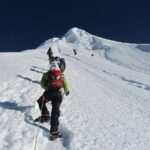
This is one of the big days. Expect a long hike with a climb that asks for stamina, followed by a descent back toward Kyangjin Gompa. It’s also the day most likely to make you appreciate altitude monitoring, because the higher you go, the more you want your body’s signals respected.
Day 5: Down to Lama Hotel (about 6 hours)
A descent day is not “easy,” but it usually helps you recover from the intensity of the prior push. Your knees will still have opinions, so trekking poles can be a big help if you use them.
Day 6: Lama Hotel to Thulo Syabru (about 5.5 hours)
You continue through the mid-altitude rhythm, reaching around 2,200m. This is a useful transition day: enough hiking to keep momentum, but not so steep that you feel like you’re starting over.
Day 7: Thulo Syabru to Cholangpati (about 6 hours)
Now you climb up to about 3,680m. This is a good “settle into altitude” day before the highest sacred and pass area.
Day 8: Gosaikunda and Lauribina Pass (around 4,600m), then back to Cholangpati (7.5 hours)
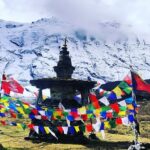
This day mixes sightseeing and effort. You visit Gosaikunda, cross/visit the Lauribina pass area at about 4,600m, then head back down to Cholangpati for the night. If you want one day that feels like the classic combination of spiritual spot plus high mountain walking, this is it.
Day 9: Trek down to Dhunche (about 4.5 hours)
A shorter day on paper, but still with a downhill feel that keeps you moving carefully. Dhunche is your exit from the trekking spine before you return toward Kathmandu.
Day 10: Drive back to Kathmandu (about 5.5 hours) and transfer
You end the trek with the bus drive back and a transfer to your hotel. Plan for a quiet evening. After 10 days of hiking, you’ll earn it.
Forests, villages, and the kind of scenery you can actually enjoy
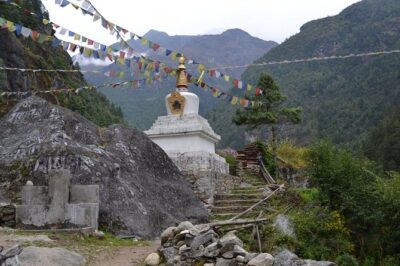
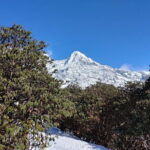
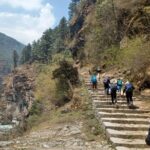
The trek description focuses on a botanical route, and that matters because it shapes your day. You walk through rhododendron forests—plus oaks, magnolia, pines, and firs—along with bamboo groves in some sections where red pandas are rare but known to exist.
What that means in real terms: your trail doesn’t always feel like a single long rock corridor. You get shade, changing textures underfoot, and breaks in the view line where you can focus on the rhythm of walking rather than only on staring at distant peaks.
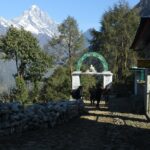
Langtang village and the other stops also give you something beyond elevation. You’re trekking through a living valley, not only passing empty scenery. That can make your photos feel more human, too: stone, wood, doorways, and the daily movement of a community.
Altitude reality check: what 5,050m really demands
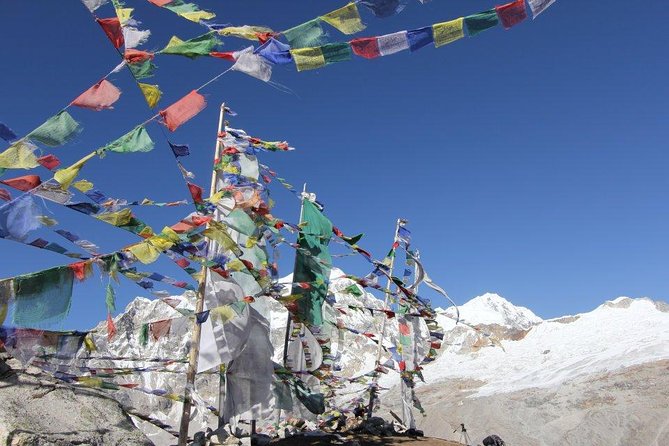
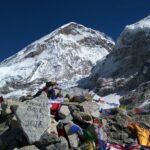
The high point here is Chorkari ri at about 5,050m, plus Lauribina pass at around 4,600m. Those numbers are not there to scare you—they’re there so you pace correctly.
On a trek like this, the biggest mistake isn’t going slow. It’s trying to “catch up” after you feel fine. Instead, treat the long days—especially the 7.5-hour ones—as training in patience. If you follow that mindset, altitude becomes a challenge you manage, not a crisis you negotiate.
A big plus: the trip includes an oximeter to check pulse and heart rate and oxygen saturation at higher altitude. You still control your pace, but having monitoring built in makes it easier to make smart choices early rather than waiting until you feel terrible.
If you’ve never trekked above 3,000m, you’ll want to practice good basics before you go: hydrate, sleep when you can, and don’t treat each day like a race. Even on “moderate” itineraries, the altitude part is real.
Lodges, sleeping gear, and meals: what’s included (and what you pay for)
This trek includes three meals a day (breakfast, lunch, dinner) during the trekking portion. In addition, you get twin sharing private rooms in the trekking segment. That’s a meaningful comfort upgrade compared with rougher dorm setups, especially after long walking days.
Cold-weather comfort is also covered in an important way: you receive a four-season sleeping bag and down jackets to use if necessary. That reduces the risk of arriving underprepared. You still want your own layers, but it’s reassuring to know the basics for cold nights are available.
Where costs can creep in: drinks in the mountain aren’t included, and personal expenses are not included. If you like hot drinks or prefer bottled water, budget for it. Also note that porter support is not included, so you should expect to carry your own bag unless you arrange otherwise on your own.
The trip provides a first aid medical kit, and travel and rescue arrangement is included in the sense that it should be covered by your insurance company. In practice, that means you still need insurance that actually covers trekking and rescue, not just standard health coverage.
Logistics and the guide team: why “organization” matters on this route
A lot can go wrong on mountain treks that sound straightforward on paper—late starts, unclear gear needs, weak communication, and slow responses when weather turns. This operator’s reputation (based on past experiences) is strongly tied to doing the boring parts well: pickup and transfers, smooth coordination, and helpful planning.
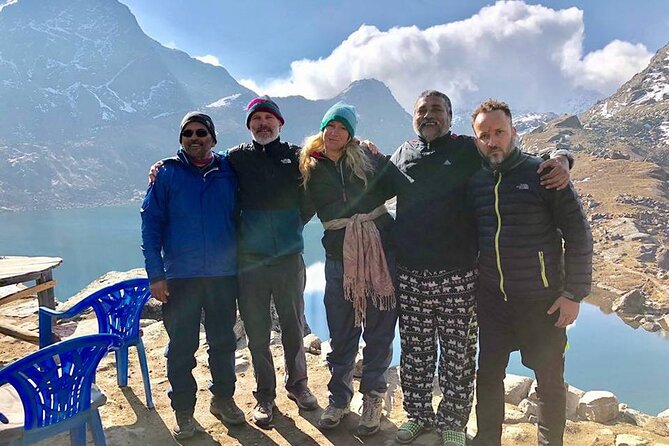
In particular, Babu is described as the owner who handles coordination and advice during booking. Guides named in past departures include Suresh and Damber, and the recurring theme is responsibility: showing up when promised, managing the pace, and handling route changes if conditions require it.
That last point is worth your attention. Weather can force adjustments. One example from a past trek highlights that a guide stepped in with a worthwhile partial trek option when weather worsened and someone sprained an ankle. That’s exactly the kind of competence you want in the mountains: flexibility without chaos.
Also, you’re not just getting a person with a compass. The guide is English-speaking and the group size is capped at 25, which usually makes it easier to keep everyone together and moving as one team.
Price and value: does $755 do enough right?
At $755 per person, the value depends on what’s covered and what isn’t. Here’s what you’re getting that lowers your risk and cost uncertainty:
- Transportation: Kathmandu to Syabrubesi and the return transfer to Kathmandu are included.
- Meals on trek: breakfast, lunch, dinner are included for the trekking days.
- Private rooms (twin sharing): not glamorous, but it’s real privacy after a day of hiking.
- Gear support: sleeping bag and down jacket use if necessary.
- Altitude monitoring: pulse, heart rate, and oxygen saturation checks with an oximeter.
- Permits and documentation: TIMS and Langtang national park entry permits are included.
What you’re not getting, and you should plan for:
- Kathmandu meals and accommodation before/after the trek.
- Drinks on the mountain.
- Tips for trekking staff and driver (tipping is expected).
- Porter (not included).
- Travel and rescue insurance (you need to arrange this yourself).
If you’re comparing trek prices, this one’s strength is that it bundles the practical stuff—meals, permits, transport, and basic cold-weather gear—so you don’t get hit later by surprise add-ons. If you’d otherwise have to buy a sleeping bag or pay for someone to manage permits and logistics, the price becomes more reasonable quickly.
The best value will be for people who want a guided, organized trek without spending extra time figuring out paperwork and transport on their own.
Weather, reroutes, and keeping the plan workable
This experience requires good weather. That doesn’t mean your trip is guaranteed to go perfectly. It means the operator is set up to adjust if conditions change and to offer an alternative date or a refund if the trek is canceled due to poor weather.
On the ground, weather can mean fog, rain, or trail conditions that aren’t ideal at higher elevations. The practical approach is simple: go with the team’s guidance, follow safe pacing, and accept that the “perfect plan” is never the point. The point is getting a strong Langtang experience safely.
If you’ve had an injury, don’t hide it. Guides have experience adapting routes, and past trips include examples of partial trek changes when someone couldn’t complete the full intended plan.
Who should book Langtang Panorama Trek (and who should think twice)
This trek fits best if you:
- have a moderate physical fitness level and can hike several hours a day
- want a mix of forest, villages, and big high-mountain days
- like having an organized structure, with a guide who manages pacing and safety checks
- want the classic Langtang + Gosaikunda pairing without turning the trip into a marathon
Consider thinking twice if you:
- need very short days or lots of downtime each day
- are not comfortable with altitudes around 4,600m to 5,050m
- strongly prefer to avoid carrying your own gear (because a porter isn’t included)
Also, if you travel in a small group and value clear communication, you may find the team’s responsiveness helpful. Past experiences highlight the owner Babu being helpful and flexible during booking.
Should you book it? My straight answer
Book it if you want a well-run Langtang and Gosaikunda itinerary with solid support: meals included on trek, gear for cold nights, altitude monitoring, permits handled, and an English-speaking guide team. The route gives you variety—forests, villages, ridges, and the sacred lake day—so you don’t feel stuck in one kind of scenery.
Skip it or choose a gentler option if altitude at 5,050m isn’t something you’re ready for yet. Moderate still means serious hiking time. But if you train a little, pack smart, and hike patiently, this trek can feel like an efficient way to get a real Nepal mountain experience without guesswork.
FAQ
What is the duration of the Langtang Panorama Trek?
The trek is listed as about 10 days, including the drives into and out of Kathmandu.
Do I get picked up in Kathmandu?
Pickup is offered, and the itinerary includes travel from Kathmandu to Syabrubesi on Day 1 and a return drive back to Kathmandu on Day 10.
How many people are in the group?
The maximum group size is 25 travelers.
What meals are included during the trek?
Meals during the trekking portion are included three times a day: breakfast, lunch, and dinner.
Are Kathmandu meals and accommodation included?
No. Meals and accommodation in Kathmandu are not included.
What kind of guide support do I get?
You get an experienced, knowledgeable, helpful, friendly, English-speaking trekking guide. The trip also includes a first aid medical kit and an oximeter to check pulse, heart rate, and oxygen saturation at higher altitude.
What sleeping and cold-weather gear is included?
You can use a four-season sleeping bag and down jackets for trekking if necessary.
How high do you go?
The itinerary includes Chorkari ri at 5,050m and Lauribina pass / the Gosaikunda area around 4,600m.
Is a porter included?
No. Porter is not included, and tipping for staff and the driver is expected.
If weather is bad, what happens to my booking?
The experience requires good weather. If it’s canceled due to poor weather, you’ll be offered a different date or a full refund.