REVIEW · KATHMANDU
10 Days Nepal Trip – Heritage Kathmandu – Natural Pokhara and Poon Hill Trek
Book on Viator →Operated by Couch Adventure Nepal (CAN) · Bookable on Viator
Three moods of Nepal in ten days. This trip strings together Kathmandu heritage, Pokhara lake time, and the Poon Hill sunrise trek, so you get mountains and monuments in one shot. I like how the plan keeps you moving without leaving you to figure out permits and timing alone, and I also like that the trek comes with an English-speaking guide.
One thing to plan for: meals and drinks are not included, and entrance fees during the Kathmandu and Pokhara city stops are on you. Also, expect 2-star hotels in the cities and small basic guesthouses during the trek—fine, but not luxury.
In This Review
- Key Highlights at a Glance
- A 10-Day Nepal Sampler: Kathmandu Heritage, Pokhara Lakes, Poon Hill
- Price and Value: What $480 Covers (and What It Doesn’t)
- Getting In and Getting Out: Smooth Transfers Without the Headaches
- Day 1 Kathmandu Arrival: A Simple Start, Not a Forced Schedule
- Days 9 to 10 in Kathmandu: Heritage Stops Before Your Flight
- Day 2 Kathmandu to Pokhara: Bus Ride, Then Lakeside Reset
- Pokhara Trek Start: Nayapul to Ulleri (Day 3)
- Ghorepani (Day 4): The Trek Day That Sets Up Sunrise Goals
- Poon Hill Sunrise (Day 5): Early Effort, Clear Reward
- Ghandruk to Kimche to Nayapul (Day 6): Village Time Plus Wheels Home
- Day 7 Pokhara: Guided City Hits from Devi’s Fall to Fewa Lake
- Day 8 Pokhara Back to Kathmandu: Back on the Bus, Back to Heritage Mode
- Trek and City Pace: Moderate Fitness, Early Mornings, and Real Walking
- Comfort Level: 2-Star Hotels and Basic Trek Guesthouses
- What I’d Plan For: Meals, Entrance Fees, and Light-Weight Flexibility
- Should You Book This 10-Day Heritage Kathmandu and Poon Hill Trek?
- FAQ
- How long is the trip?
- What’s included in the trek for permits?
- Are meals included?
- Do I pay entrance fees for Kathmandu and Pokhara sights?
- What kind of accommodation should I expect?
- How do you travel between Kathmandu and Pokhara?
- What’s the cancellation window?
Key Highlights at a Glance
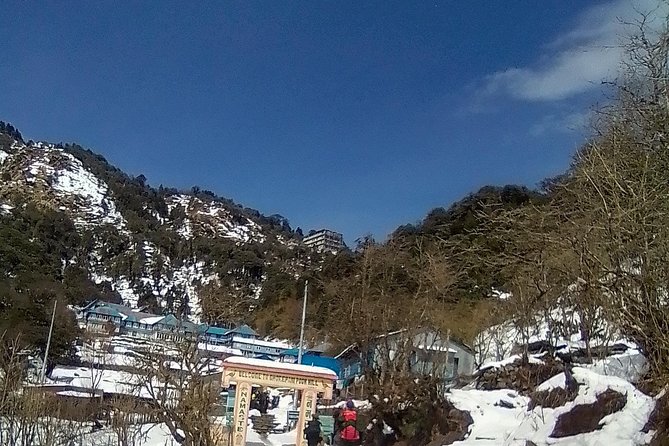
- Poon Hill sunrise over Mt. Annapurna plus a full trek day right after
- TIMS and trekking permits included, so paperwork isn’t your job
- Two-city hotel stays (2-star) + basic trekking guesthouses with a clear comfort level
- A guide-led Pokhara day covering Devi’s Fall, caves, museum, stupa, Sarangkot, and two lakes
- Private-group style with hotel/bus transfers handled for you
- Village trek focus, including time around Ghandruk and Gurung Village
A 10-Day Nepal Sampler: Kathmandu Heritage, Pokhara Lakes, Poon Hill
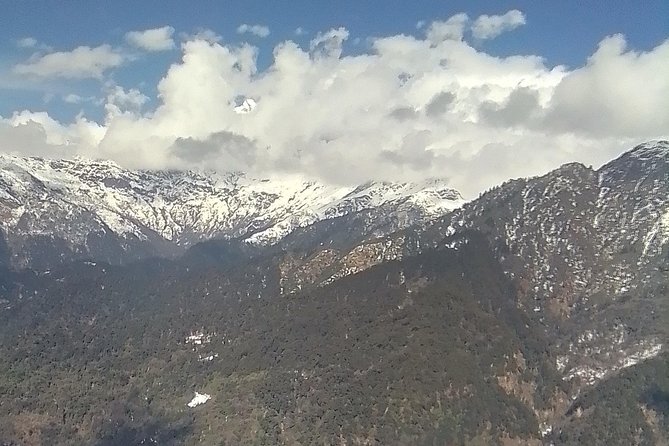
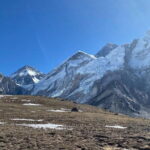
This itinerary hits three very different sides of Nepal, and it does it in a way that feels efficient rather than frantic. You start with Kathmandu’s big heritage stops, then you relocate to Pokhara for lake-and-view downtime before stepping into the mountains for the Poon Hill trek.
What makes this plan work is how it builds in “reset” days. You’re not trekking nonstop. After the early hill days, you get a guided Pokhara day to stretch out and take in the sights at a normal pace. Then you finish back in Kathmandu for the major temple-and-square circuit before flying out.
The trek portion is the star, and the rest of the trip supports it. Kathmandu isn’t just a one-night add-on, and Pokhara isn’t just a staging stop. You actually get time to enjoy both.
You can also read our reviews of more tours and experiences in Kathmandu.
Price and Value: What $480 Covers (and What It Doesn’t)
At $480 per person for roughly 10 days, this tour is priced as a “mostly handled” package. What you get for that money matters more than the sticker price.
Included value you should care about:
- Airport shuttle in a private car on arrival/transfer style
- 2-star hotel accommodation in Kathmandu and Pokhara
- Tourist bus transport between Kathmandu and Pokhara (and back)
- Pickup and drop-off from hotel to bus station and key transfers by private car
- Trekking permits + TIMS included
- English-speaking trekking guide for the trek and the city tour portion
- Round-trip private transfer between Pokhara and Nayapul (and back via VV)
- Sharing jeep from Kimche to Nayapul
- Basic guesthouse accommodation during the trek
- City and trek guidance so you’re not navigating alone
What costs extra:
- Meals and drinks
- Entrance fees during city tours in Kathmandu and Pokhara
- Gratuity is optional
So is $480 a deal? For many people, yes—because permits, guide time, and several transport legs are bundled in. The “budget” side is mainly in comfort level (2-star hotels and basic trekking housing) and the fact that food/entrances are not included.
My advice: budget separately for dinners, snacks, and entrance tickets, and you’ll feel in control instead of surprised.
Getting In and Getting Out: Smooth Transfers Without the Headaches
The trip is built around transfers that remove the most stressful parts of travel. Day 1 includes pickup from the airport or your location and transfer to your Kathmandu hotel. That’s huge when you land tired.
You also get a clear transport rhythm:
- Kathmandu to Pokhara by tourist bus (with an early departure: 6:30 am)
- Pokhara back to Kathmandu by tourist bus (again starting 7:00 am from Pokhara)
- Trek transfers include private car legs and a sharing jeep after trekking down to Kimche
This matters because the trek and city parts are time-sensitive. You don’t want to be scrambling for directions when your wake-up call is early.
One practical note: the itinerary includes days with relatively long travel time blocks (around 7 hours on the bus days). If you’re sensitive to road time, plan to bring the usual tools—water, motion-sickness help if you use it, and something to break up the ride.
Day 1 Kathmandu Arrival: A Simple Start, Not a Forced Schedule
On Day 1, you arrive in Kathmandu and get transferred to your hotel for the night. This is not a “do everything right away” day, and that’s a good thing. It gives you time to get your bearings, settle in, and prepare for the next leg: the long bus ride to Pokhara.
You’ll also be glad this day is light if you land jet-lagged.
Days 9 to 10 in Kathmandu: Heritage Stops Before Your Flight
The last Kathmandu day (Day 9) is where the heritage gets real. You’ll cover:
- Pashupatinath Temple
- Baudhdhanath Temple
- Syambhunath Temple (Monkey Temple)
- Kathmandu Durbar Square
It’s a strong mix of iconic sites that many people want to see in one day. With only one dedicated heritage day, you’ll want comfortable shoes and a mindset for walking and crowds.
Day 10 is straightforward: you get dropped back to the airport according to your flight schedule. If you’re the type who hates last-minute logistics, you’ll appreciate how this closes the loop.
Day 2 Kathmandu to Pokhara: Bus Ride, Then Lakeside Reset
Day 2 moves fast: a 6:30 am transfer to the bus station, then about 7 hours by tourist bus to Pokhara. Once you arrive, you transfer to your hotel and that’s it for the day.
Why this “arrive and reset” plan helps:
- Pokhara is your staging ground for the trek days to come.
- You’ll likely want a decent meal and an early night before the walking starts.
If you hate long rides, this is the one day where you feel it most. But the reward is that you wake up in Pokhara on the next day for the trek start.
Pokhara Trek Start: Nayapul to Ulleri (Day 3)
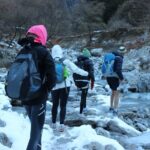
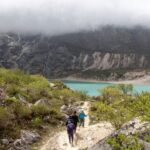
Day 3 begins with a drive to Nayapul (about 1.30 hours), then you trek to Ulleri. The trek portion is listed as 6 hours.
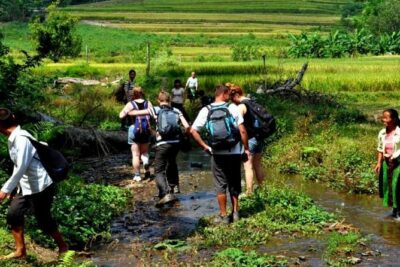
This is where you’ll feel the “Nepal trip” shift—from city logistics to foot-powered travel. Since your guide is with you, you’re not making decisions about route timing and day flow. You’re just walking, stopping when the plan says stop, and keeping your energy steady.
For planning, treat Day 3 as your body’s warm-up day. Even if you’re fit, it’s a different kind of effort than sightseeing.
Ghorepani (Day 4): The Trek Day That Sets Up Sunrise Goals
Day 4 takes you from Ulleri direction onward to Ghorepani. Again, you’re looking at about 6 hours of trekking.
In practical terms, this is the day that positions you for the next morning’s sunrise. You’re building distance and stamina so the early hike for Poon Hill is possible without turning into a scramble.
If you’re the type who wants sunrise photos, the lesson here is simple: start slower than you think you need to. You’ll get plenty of chances to pace correctly on later days, but Day 4 is your foundation.
Poon Hill Sunrise (Day 5): Early Effort, Clear Reward
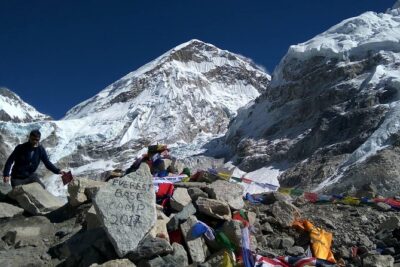
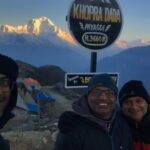
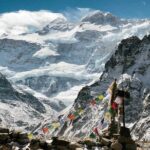
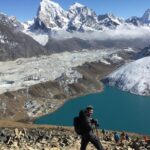
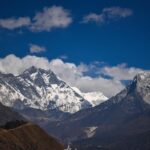
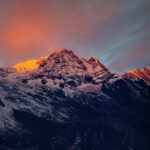
Day 5 is the highlight for many people, and the itinerary backs it up with a clear promise: early morning trek to Poon Hill for sunrise views over Mt. Annapurna, then continuing on to Tadapani.
This day is listed at about 7 hours total. It’s longer than Days 3 and 4, and it combines two different modes:
1) early hike for sunrise payoff
2) regular trekking continuation after
It’s also the only trek day that explicitly includes sunrise as a named event, so I’d plan mentally for that wake-up reality. Bring layers for mornings. Even if the day turns pleasant later, early starts can feel cold.
Good news: the itinerary lists Poon Hill admission included, which removes one small item you would otherwise have to hunt down.
Ghandruk to Kimche to Nayapul (Day 6): Village Time Plus Wheels Home
Day 6 gives you something a lot of treks miss: a village stop that isn’t just a pass-through. You trek to Ghandruk, explore the Gurung Village, then trek down to Kimche. From Kimche, you take a sharing jeep to Nayapul, and then a car transfers you back to Pokhara.
This day is also listed at about 7 hours. What I like here is the balance:
- you get cultural time in Ghandruk (not just scenic walking)
- you then get a clear exit strategy via the jeep once the trekking day winds down
So instead of dragging the trek all the way back, the itinerary switches to easier transport once you’ve hit your walk goals.
Day 7 Pokhara: Guided City Hits from Devi’s Fall to Fewa Lake
After trekking, Day 7 is a guided Pokhara day that’s packed but not overly technical. Your guide covers:
- Devi’s Fall
- Cave
- Mountain Museum
- World Peace Stupa
- Sarangkot
- Begnas Lake
- Fewa Lake
You’ll also have a clear block of time (about 7 hours), which helps you stay relaxed. This is the day to slow down. Take breaks when needed. If your legs are tired, this is where you benefit from having a guide manage the flow.
One practical thought: keep cash or card ready for anything that isn’t included. While the itinerary includes the guided coverage, it notes that entrance fees during city tours in Kathmandu and Pokhara are not included, so you’ll likely pay some tickets on the day.
Day 8 Pokhara Back to Kathmandu: Back on the Bus, Back to Heritage Mode
Day 8 is another transit day: a tourist bus from Pokhara starting at 7:00 am, with a travel time of around 7 hours, then transfer to your Kathmandu setup.
This is a good day to do lightweight sightseeing planning—figure out your Day 9 route and confirm what time you need to be ready. You’ll also want to eat well. The sightseeing day ahead is only 6 hours, so energy matters.
Trek and City Pace: Moderate Fitness, Early Mornings, and Real Walking
The trip is aimed at travelers with moderate physical fitness. That fits the day structure well: you’re trekking 6–7 hours on several days, and those days include early starts (especially Day 5).
A realistic way to think about this:
- Days 3–6 are your walking days.
- Days 7 and 9 are “see a lot in a day” days.
- Transit days help connect the dots and keep the schedule intact.
If you’re comfortable hiking for several hours at a time and you don’t mind early starts, this should feel manageable. If you’re hoping for a gentle stroll only, you might find the trekking hours more challenging than you want.
Comfort Level: 2-Star Hotels and Basic Trek Guesthouses
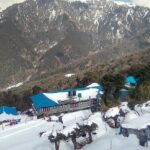
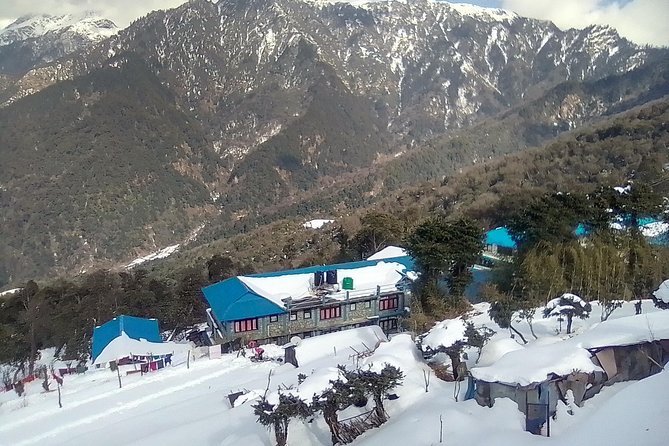
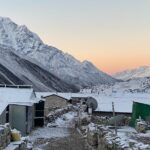
Accommodation is part of the trade-off. Cities get 2-star hotels. During the trek, you stay in small basic guesthouses.
That’s not a deal-breaker. It just means you should pack with the right expectations. Basic guesthouses usually mean simpler rooms, less space, and a focus on function over luxury. If you go in with that mindset, you’ll be happier and spend less time worrying about what isn’t there.
Also, this kind of trip benefits from a simple routine: quick shower, dry socks, and an early bedtime when possible. Your legs will thank you.
What I’d Plan For: Meals, Entrance Fees, and Light-Weight Flexibility
The itinerary includes a lot—guides, permits, and key transfers—but it doesn’t include everything. The biggest extra costs are:
- Meals and drinks
- Entrance fees during Kathmandu and Pokhara city stops
So don’t assume lunch or temple tickets are automatically covered. If you budget a daily amount for food plus a separate amount for entrances, you’ll keep things smooth.
Second consideration: the tour is private in the sense that only your group participates, which is great for coordination. But “private” still doesn’t mean you can ignore the fixed day schedule. You’ll still be on trekking hours and bus departure times.
Finally, bring a flexible attitude about comfort. This trip is designed around the views and the heritage sites, not a spa vacation.
Should You Book This 10-Day Heritage Kathmandu and Poon Hill Trek?
I’d book it if you want one trip that covers both worlds: big Kathmandu heritage sites and the Poon Hill sunrise trek with clear walking days and guided help. The value is strong for the inclusions: permits and TIMS, an English-speaking guide, transport legs, and lodging in Kathmandu and Pokhara plus basic trekking guesthouses.
Skip or think twice if you:
- want meals and city entrance fees fully included
- expect high-end hotel comfort during the whole trip
- dislike early morning hikes
If your goal is a packed-but-organized Nepal sampler—heritage, lakes, and a sunrise view—this is a practical fit.
FAQ
How long is the trip?
It’s listed as 10 days approximately, covering transfers between Kathmandu and Pokhara, several trek days, and heritage sightseeing in Kathmandu.
What’s included in the trek for permits?
Trekking permits and TIMS are included, and you’ll have an English-speaking trekking guide during the trek.
Are meals included?
No. All meals and drinks are not included, though they are available to purchase.
Do I pay entrance fees for Kathmandu and Pokhara sights?
Yes. Entrance fees during the city tour in Kathmandu and Pokhara are not included. Poon Hill admission on the trek day is included.
What kind of accommodation should I expect?
Kathmandu and Pokhara are 2-star hotels. During the trek, you’ll stay in small basic guesthouses.
How do you travel between Kathmandu and Pokhara?
The plan uses a tourist bus from Kathmandu to Pokhara, and a tourist bus back from Pokhara to Kathmandu (with departure at 7:00 am from Pokhara).
What’s the cancellation window?
You can cancel up to 3 days in advance for a full refund, and cancellations less than 3 days before the start time are not refundable.