REVIEW · KATHMANDU
Everest Base Camp Trek from Salleri (Overland)
Book on Viator →Operated by Mount Mania Treks Expedition P. Ltd. · Bookable on Viator
Trekking from Salleri feels like a secret start. This Everest Base Camp trek goes beyond the usual Lukla entry, using ground access to reach the Everest region from Salleri, then layering in classic Sherpa towns and big-view days. It’s an energetic plan that keeps you close to the hills, rivers, and forested stretches while still working toward the big-ticket altitudes, with a clear goal in mind: Everest Base Camp and the Kalapather sunrise climb.
I really like how the itinerary mixes famous highlights with smart pacing, including Namche Bazzar and a planned acclimatization day at Nagarjun hill (up to 5080m). I also love the practical support: an experienced English-speaking, government-licensed trek leader, plus a porter setup that aims for 2 trekkers to 1 porter, taking some of the load off your back.
One thing to consider: this isn’t a low-effort “Everest postcard” trip. You’ll be on the move for many days with long driving and trekking legs, and the plan runs in all weather, so moderate physical fitness really matters.
In This Review
- Key highlights worth your attention
- Salleri Route: Getting to Everest Without the Lukla Flight
- Price and Logistics: What $1,500 per group includes (and why it can be good value)
- Your 17 days on the trail: Salleri to Base Camp to Kalapather and back
- Kathmandu arrival: get oriented, not exhausted
- Overland to Salleri: the start of the quieter Everest access
- First trekking legs: Nunthala and Puiyan to bring you into rhythm
- Phakding and the turn toward the classic Everest towns
- Tengboche and Dingboche: higher temples and higher air
- Acclimatization day at Nagarjun hill: the big “prepare for Base Camp” step
- Lobuche and the approach atmosphere
- Kalapather early climb and the long descent to Pheriche
- Heading back: Namche and Lukla, with the flight return
- Altitude and acclimatization: how this plan tries to keep you safer
- Teahouses, meals, and the comfort level you should realistically expect
- Guides and porter support: how Mount Mania’s team can change the experience
- Packing and practical tips for this exact Everest Base Camp plan
- Who should book the Salleri Everest Base Camp Trek
- Should you book this Everest Base Camp trek from Salleri?
- FAQ
- How long is the Everest Base Camp trek from Salleri?
- What altitude do you reach at Everest Base Camp?
- Is an acclimatization day included?
- Are meals and teahouse stays included during the trek?
- Do I need a passport for travel?
- Is the Lukla flight included?
Key highlights worth your attention
- Jeep access to Salleri instead of flying to Lukla first
- Classic trail towns like Namche Bazzar, Tengboche, Dingboche, and Lobuche
- A dedicated acclimatization day that pushes higher to reduce risk
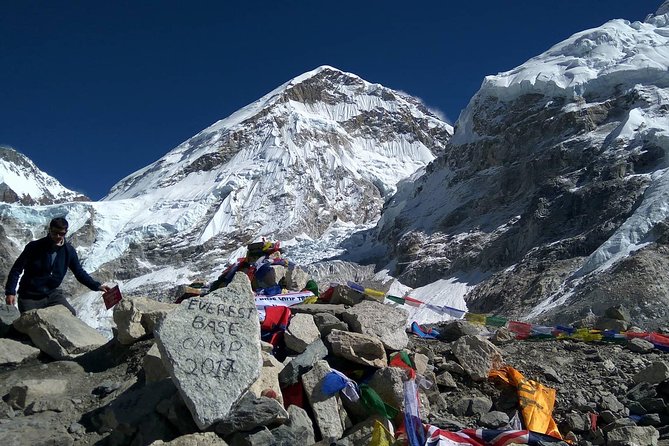
- High-altitude goals built in, including Everest Base Camp and Kalapather (5545m)
- Meals and teahouse stays included for the trekking days
- Small-group feel with a private tour setup (minimum 2 people)
Salleri Route: Getting to Everest Without the Lukla Flight
Most Everest Base Camp trekking starts with a flight into Lukla, which is exciting, but also adds stress. This version keeps you on the ground longer by reaching Salleri first, then trekking into the region from there. For you, that can feel like a smoother mental ramp-up: you get used to Nepal’s travel pace before you’re thinking about oxygen levels.
Reaching Salleri by overland also changes the vibe. Instead of jumping straight into the Khumbu “funneling,” you’ll spend more time in quieter countryside as you work toward the better-known parts of the Everest route. If you like that sense of discovery—watching the region gradually shift into higher Sherpa territory—this approach makes sense.
The trek still lands you on the core Everest landmarks, so you’re not giving up the headline moments. You’ll reach the well-known staging areas around the Everest Base Camp approach and then do the extra early-climb day at Kalapather, with a return down toward lower villages.
You can also read our reviews of more tours and experiences in Kathmandu.
Price and Logistics: What $1,500 per group includes (and why it can be good value)
This trek is priced at $1,500.00 per group (up to 15). Since it’s per group, your per-person cost depends on how many people share the booking. If you can fill more spots, the overall value tends to improve, because your costs get spread across private transport, staffing, and the trek’s fixed logistics.
Here’s what you’re getting for that money, based on the included items:
- Private airport transfers in Kathmandu (pickups and drops)
- 3-star hotel with breakfast in Kathmandu
- Teahouse accommodation during the trek
- All meals (breakfast, lunch, dinner) throughout the trek, plus farewell dinners
- Ground transportation by private vehicle as the itinerary requires
- Domestic flight Lukla to Kathmandu (35 minutes)
- English-speaking, government-licensed trek leader
- Porter service (2 trekkers: 1 porter)
- Staff costs, a medical kit carried by the trek leader, and government/local taxes
What you don’t get is also important:
- Nepalese visa fee
- International airfare to/from TIA
- Lunch and dinner in Kathmandu
- Travel/rescue insurance
- Personal costs like battery charging, phone use, laundry, extra bottled/boiled water, and similar items
- Tips for guide(s), porter(s), and driver(s)
This is one of those cases where “cheap” can be a trap. The included meals, lodging, and porter support reduce the number of surprise expenses you might face on the trail. If your budget is tight, the biggest controllable knobs are usually how many nights you add in Kathmandu and whether you carry your own trekking insurance.
Your 17 days on the trail: Salleri to Base Camp to Kalapather and back
This is a 17-day trek plan (approx.), built around altitude progression and the logistics of getting to and from the Everest region. Below is how the route unfolds and what each step is for.
Kathmandu arrival: get oriented, not exhausted
Day 1 is landing in Kathmandu (about 1320m), then transfer to your booked hotel. Day 2 begins the overland shift out of Kathmandu toward Salleri (about 2309m) with an 8–9 hour drive. That first day is less about altitude and more about setting your sleep rhythm and getting your paperwork and gear sorted.
Tip for you: treat Day 1 like a gear-check day. Your first real trekking effort is coming fast.
Overland to Salleri: the start of the quieter Everest access
On Day 2, you’re traveling up to Salleri at 2309m. This is a long day, but it’s also your chance to break the trip into manageable phases: the trek starts after you’ve already moved into the mountains.
When the vehicle stops and the trekking begins, you’ll feel the difference immediately. That transition often makes people appreciate this route more—less “jump and hope,” more “ramp up and move.”
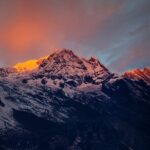
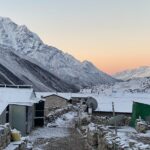
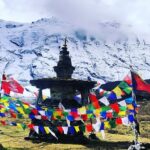
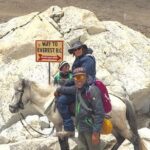
First trekking legs: Nunthala and Puiyan to bring you into rhythm
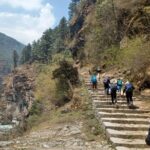
Day 3 is Salleri to Nunthala (2190m) for about 5–6 hours. Day 4 continues to Puiyan (2300m) for 6–7 hours. These days are the “settling in” phase. You’re building leg rhythm, testing your footwear, and learning how you breathe at altitude without pushing too high too soon.
Because this route avoids the usual immediate jump to the busiest Khumbu corridor, you might find a more local, less crowded feel on these early legs. It’s a good time to practice your pace: steady and boring beats fast and dramatic.
Phakding and the turn toward the classic Everest towns
Day 5 takes you to Phakding (2652m) in 6–7 hours. By Day 6 you hike to Namche Bazzar (3440m) over 6–7 hours. This is where the itinerary lines up with the more famous Everest circuit, and Namche is your key hub.
Day 7 is a day hike around Namche. That’s not random sightseeing; it helps your body adapt while you explore. You’ll also have a chance to slow down, eat a proper meal, and handle any small gear needs.
Tengboche and Dingboche: higher temples and higher air
Day 8 is trekking to Tengboche (3880m) in 4–5 hours. Day 9 moves to Dingboche (4410m) in 6–7 hours. These days keep climbing without rushing you into one giant altitude wall.
Tengboche tends to be a major viewpoint and cultural stop on Everest treks. Dingboche is a classic acclimatization base because it sits at a key altitude where your next moves matter.
Acclimatization day at Nagarjun hill: the big “prepare for Base Camp” step
Day 10 is an acclimatization day: hike to Nagarjun hill (5080m) for 4–5 hours. Even though your overnight might be lower, you’re training your body to function during higher exertion.
This kind of plan is valuable because it reduces the odds that you’ll feel wrecked later when the itinerary expects you to go for Everest Base Camp and then climb even higher toward Kalapather (5545m).
Lobuche and the approach atmosphere
Day 11 takes you to Lobuche (4930m) in 4–5 hours. This is a step toward the terminal phase of the trek: the air gets thinner, and every hour counts. Expect colder nights, slower pacing, and a need for hydration discipline.
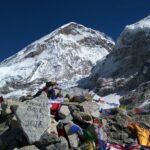
Day 12 is the main goal: trekking to Everest Base Camp (5364m) and then continuing back to Gorekshep (5180m) for 7–8 hours. This day is long, but it’s also where you’ll feel like all the earlier effort finally cashes in.
Kalapather early climb and the long descent to Pheriche
Day 13 starts with an early morning climb to Kalapather (5545m), then trekking back to Pheriche (4200m) in 7–8 hours. Kalapather is your early-high push, designed to give you a stronger vantage point than you’d get from staying put.
For you, this is the day where weather can matter. Cold, wind, and low visibility can slow you down. The upside is that you’re gaining altitude experience in a planned way before you have to move back downhill.
Heading back: Namche and Lukla, with the flight return
Day 14 is trekking to Namche (3440m) in 6–7 hours. Day 15 goes from Namche to Lukla (2860m) in 6–7 hours. Day 16 is the 35-minute flight from Lukla to Kathmandu, then Day 17 is your final departure to TIA.
That return leg is more than just “going back.” It helps your body recover after the high days. And psychologically, it often feels good to see the trail back toward civilization, with the sense that you completed the hardest part already.
Altitude and acclimatization: how this plan tries to keep you safer
Even with a good itinerary, trekking at altitude is not a game. The trek includes several altitude markers that help you plan your effort:
- Climb from Kathmandu-area elevation to 3440m (Namche) by Day 6
- A day hike at Namche (Day 7)
- A climb to 5080m (Nagarjun hill) on Day 10
- High goals at Everest Base Camp (5364m) and Kalapather (5545m)
The big point for you: you’re not only going up; you’re practicing going higher and then adjusting. That matters, because altitude illness often shows up when plans are too aggressive.
How to use the plan in a practical way:
- Keep your pace slow on the long days (especially the 6–8 hour stretches).
- Eat and drink on schedule, even when you don’t feel like it.
- Tell your trek leader quickly if you feel off. The itinerary is built on the idea that the leader can manage the day-to-day reality of how you’re doing.
Teahouses, meals, and the comfort level you should realistically expect
This trek uses teahouse accommodation and includes all meals (breakfast, lunch, dinner) during the trek, plus farewell dinners. That’s a big deal on the Everest trail, because it means you don’t have to make every meal decision under time pressure.
Teahouses are typically simple: you’re paying for a warm place to sleep and the convenience of meals. Your comfort will depend on temperature, wind, and how early you arrive each day. Your best “comfort hacks” are warm layers, a good sleeping strategy, and not assuming you’ll be warm everywhere.
The included Kathmandu hotel with breakfast is your chance to recover properly before the trek begins. Use that first day in town to get a full meal and to hydrate well before the long drive.
Guides and porter support: how Mount Mania’s team can change the experience
You’ll travel with an experienced English-speaking and government-licensed trek leader, plus porter service on a 2 trekkers to 1 porter basis. That ratio matters because the trek is long. Carry less, and you’ll likely walk smoother, especially on colder mornings.
The human factor counts too. In the available trip feedback tied to this operator, guides like Rupak, and also Binod and Ballaram, are named for strong support and warm interactions. One note includes being welcomed into the owner Rupak’s home for a festive moment related to Bada Das, which hints at the hospitality culture around the company.
You don’t need the trek to be fancy to be meaningful. When the leader handles pacing, altitude decisions, and logistics, you can focus on walking, breathing, and enjoying the region.
Packing and practical tips for this exact Everest Base Camp plan
Since your highest points include Everest Base Camp (5364m) and Kalapather (5545m), think warm first and trendy second. The trek operates in all weather conditions, so plan for rain and cold, even if your forecast looks nice.
Here are practical items that often decide whether you feel good or miserable:
- Warm layers you can adjust quickly (you’ll swing between effort and rest)
- Wind protection (cold wind can make you regret your outfit fast)
- Reliable trekking shoes and good socks
- A headlamp for early starts (Kalapather requires an early push)
- Water strategy (personal costs for bottled/boiled water are on you)
- Small cash for personal expenses, plus tips for guide/porter/driver
One more practical move: pack in a way your porter can handle cleanly. The porter service exists to help you, but it works best when your load is organized.
Who should book the Salleri Everest Base Camp Trek
This trek fits best if you:
- Have moderate fitness and can handle long days of walking
- Want Everest Base Camp without starting with the Lukla flight
- Like a slightly less typical access route into the region
- Appreciate structured acclimatization rather than a rushed plan
You should think twice if:
- You want a short hike with minimal travel effort (this is a 17-day commitment)
- You’re not comfortable with cold weather and early morning starts
- You prefer paying less out of pocket for insurance and personal items, since those are not included
Should you book this Everest Base Camp trek from Salleri?
If your goal is Everest Base Camp and you also care about how you get there, this is a strong option. The overland access to Salleri changes the first part of the story, and the itinerary keeps you working on acclimatization instead of only chasing altitude.
Book it if you want good logistics, included meals and teahouse stays during the trek, and a trek team built around an experienced, English-speaking leader plus porters. Skip it if you’re looking for an easy trip, because this plan expects you to walk, adjust, and climb at high altitude.
If you do book, ask your organizer two simple questions before you go: how many people will be in your group, and what pace adjustments they make if weather or altitude affects the day’s plan. That’s the difference between a trek you remember and one you just endure.
FAQ
How long is the Everest Base Camp trek from Salleri?
The itinerary is about 17 days.
What altitude do you reach at Everest Base Camp?
Everest Base Camp is listed at 5,364m, with Gorekshep at about 5,180m.
Is an acclimatization day included?
Yes. There is an acclimatization day with a hike to Nagarjun hill at 5,080m.
Are meals and teahouse stays included during the trek?
Yes. Teahouse accommodation is included, along with all meals (breakfast, lunch, and dinner) during the trekking days.
Do I need a passport for travel?
Yes. A current valid passport is required on the day of travel.
Is the Lukla flight included?
Yes. The itinerary includes a domestic flight from Lukla to Kathmandu (about 35 minutes).