REVIEW · HANOI
Hanoi: 3D2N Mu Cang Chai Visit All Attractions, Trek, Ethnic Life
Book on Viator →Operated by Vietmountain Travel · Bookable on Viator
Rice terraces start breathing at dawn. This 3D2N Mu Cang Chai trip is interesting because it connects Hanoi to ethnic villages with a local guide and private vehicle, then slows down for trekking and village time instead of rushing only photo stops. I like the door-to-door pickup in Hanoi and the all-in approach to meals, admissions, and village visits. One heads-up: you’re doing outdoor walking in mountain conditions, so good footwear and a willingness to go early matter.
I also like that you do more than look at the rice. You get hands-on moments around Tu Lệ and through the day’s village trek, plus time in places such as Lim Mong and Lim Thai where the terraces shape daily life. The guide support is a big part of the feel too: the people you meet tend to be open and chatty when you have someone who can translate and explain what you’re seeing.
The trip value sits in the mix: comfort between days (air-conditioned transport, homestays, included meals) plus the real work of terraces and village paths on top of it. If you’re expecting a low-effort sightseeing cruise, this isn’t that. But if you want scenery with context and a guided path through ethnic life, it fits well.
In This Review
- Key Highlights That Make This Tour Worth Your Time
- Hanoi to Mu Cang Chai: The Ride That Sets the Pace
- Tu Lệ Valley: Rice Fields, Springs, and Village Life
- Day Two Trek: Lim Mong and Lim Thai (The Soft Trek That Still Counts)
- Mu Cang Chải Homestay: Thai Stilt Houses and Included Meals
- Horseshoe Hill and Khau Pha Pass: Terrace Views with Timing
- Food, Comfort, and What You’ll Really Need
- Price and Logistics: What $512 Covers (and What It Doesn’t)
- Who This Trip Fits Best (and Who Should Rethink It)
- Practical Tips Before You Go
- Should You Book This Mu Cang Chai 3D2N Trek From Hanoi?
- FAQ
- How long is the Mu Cang Chai trip?
- Where do you pick me up in Hanoi?
- What kind of accommodation is included?
- What meals are included?
- Is vegetarian food available?
- Does the price include entrance fees and guided activities?
- What should I pack for the trekking and viewpoints?
- Is the tour dependent on weather?
Key Highlights That Make This Tour Worth Your Time
- Private door-to-door pickup and drop-off in Hanoi city center, so you’re not coordinating transfers on day one.
- Hands-on rice activities in the Tu Lệ area, not just standing at viewpoints.
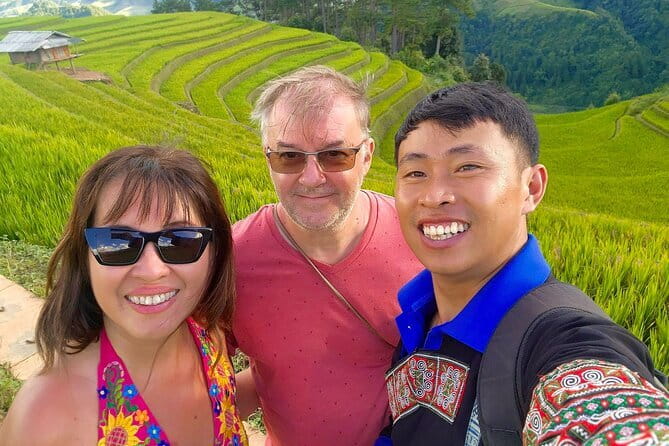
- A soft trek through Lim Mong and Lim Thai villages, with terraces all around you as you walk.
- Traditional Thai stilt-house homestays, where the day’s rhythm is slower and more local.
- Panoramic pass and harvest-season terrace views, including Khau Pha Pass and Horseshoe Hill.
- An English-speaking local guide who helps you connect with the communities you visit.
Hanoi to Mu Cang Chai: The Ride That Sets the Pace
The trip starts with a practical advantage: you’re picked up from your place in Hanoi Old Quarter. From there, you’re traveling by private, modern air-conditioned vehicle with a safe driver. That matters because Mu Cang Chai is not a plug-and-play destination. Roads can be long and winding, so having a single vehicle and a guide handling timing keeps the whole experience from turning into logistics homework.
You also get stops for views along the way, which helps break up the drive. It’s not just transportation. It’s part of the “arrive and adjust” rhythm. The day is structured so you don’t feel like you’re only commuting; you’re already seeing why people come here in the first place.
One more thing I appreciate: the tour is run as a private experience for your group only. That tends to make mornings smoother and helps the guide pace things to your level, especially on the trekking day.
You can also read our reviews of more tours and experiences in Hanoi.
Tu Lệ Valley: Rice Fields, Springs, and Village Life
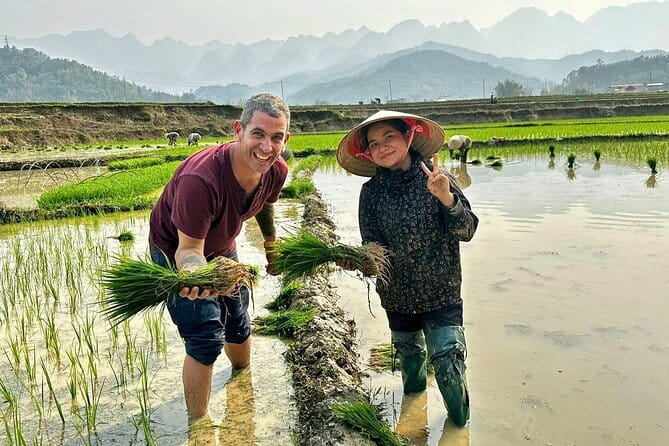
Tu Lệ Valley is where the tour earns its cultural credibility. On the arrival afternoon, you get time to explore rice fields, see quiet springs, and wander through local villages at a slower speed. This is the section where the trip starts turning from travel to daily life, because you’re not just absorbing scenery. You’re watching farming patterns and meeting the people who live with the terraces.
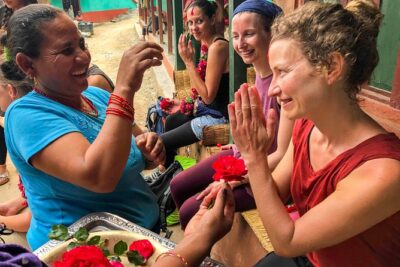
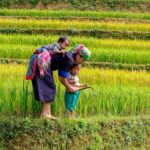
The hands-on element is the star here. You may join rice planting or harvesting activities with local farmers. Even if you don’t have a strong farming background, this kind of participation changes how you see the landscape. You notice the timing, the water needs, and why the terraces are built the way they are. It also gives you a reason to ask questions beyond scenery.
Also note the practical reality: you’re moving in mountain regions, so you’ll want to wear comfortable clothes and shoes you trust. Even in the “valley” setting, paths can be uneven, and you’ll spend time outside.
Day Two Trek: Lim Mong and Lim Thai (The Soft Trek That Still Counts)
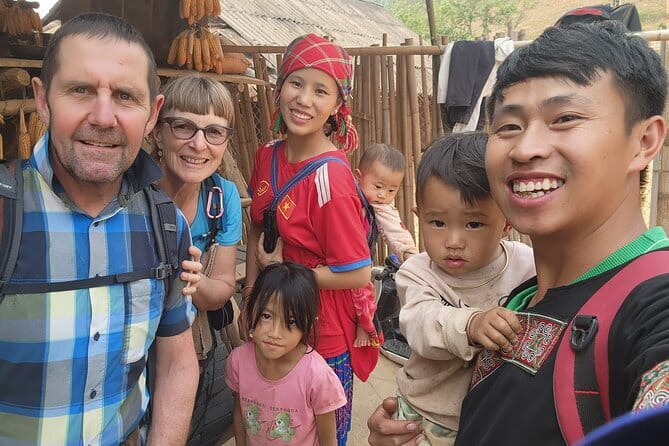
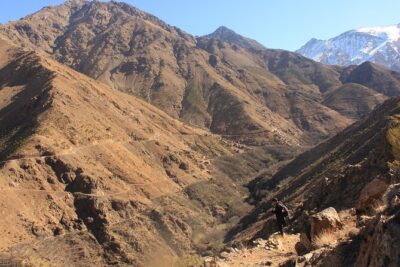
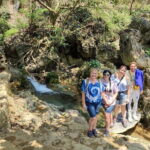
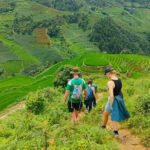
Day two starts early. Wake up at the homestay, grab breakfast, then set out for a soft trek toward Lim Mong and Lim Thai. The promise of “soft trek” is not the same as “easy.” It’s still walking on paths where the ground can shift under you and the terraces rise and fall. But it’s designed so most travelers can participate if they’re reasonably fit and comfortable outdoors.
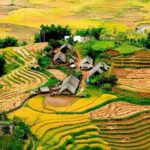
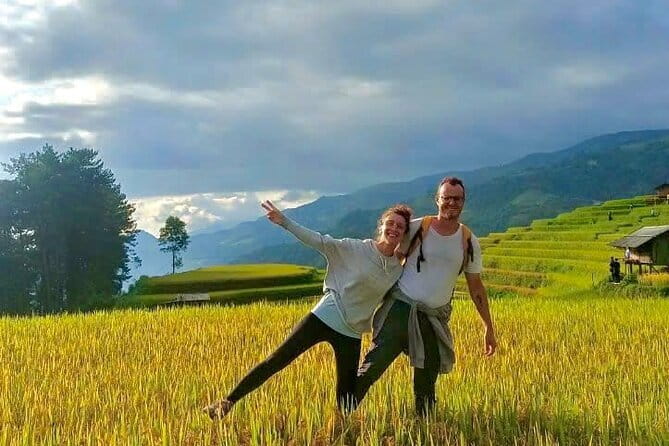
What you’re really trekking through is the village-tied version of Mu Cang Chai. You’re surrounded by rice terraces, and the walking route connects viewpoints with real homes and farmland. As you move, you get a better sense of how communities are shaped by steep terrain and seasonal farming schedules.
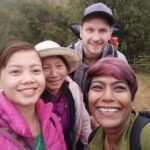
This is also the day where the guide’s role matters most. A good local guide turns a trek into a conversation. You’ll be able to understand what you’re looking at and why it matters to the people working those fields.
After the trek, you head to Mu Cang Chải, check into homestay, and have lunch prepared by locals using regional ingredients. That meal detail isn’t small. In areas like this, “included lunch” can range from cafeteria-style to truly local. Here, it’s clearly built as part of village hosting, which is exactly where value shows up.
Mu Cang Chải Homestay: Thai Stilt Houses and Included Meals
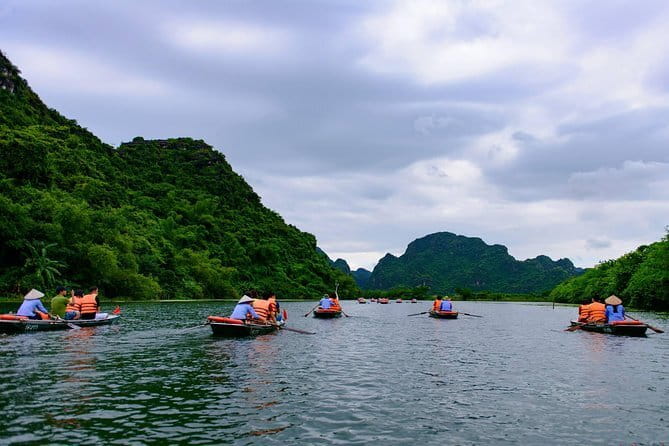
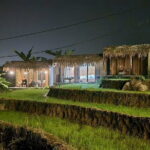
One of the best parts of this tour is the overnight setup. You stay in traditional Thai stilt house homestays. Those homes aren’t just an accommodation style. They’re part of how families manage the mountain climate and daily farm work.
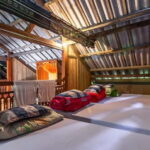
You also get a full board plan: breakfasts (2), lunches (3), and dinners (2) are included as specified in the itinerary, and vegetarian food is available on request. That’s useful because food is one of the hidden costs and time-sinks on remote trips. Here, meals are handled, so you can focus on walking, talking, and resting.
The homestay rhythm tends to be slower than hotel life. You’ll be surrounded by countryside views, then you’ll move into local activities that fit the area’s schedule. That’s also where you get chances to relax after trek time, rather than rushing out to find your own dinner plan.
If you’re sensitive to basic conditions, keep expectations grounded. Homestays in remote terrace areas are not boutique hotels. Still, the trade is real: you’re sleeping inside the culture you came to see.
Horseshoe Hill and Khau Pha Pass: Terrace Views with Timing
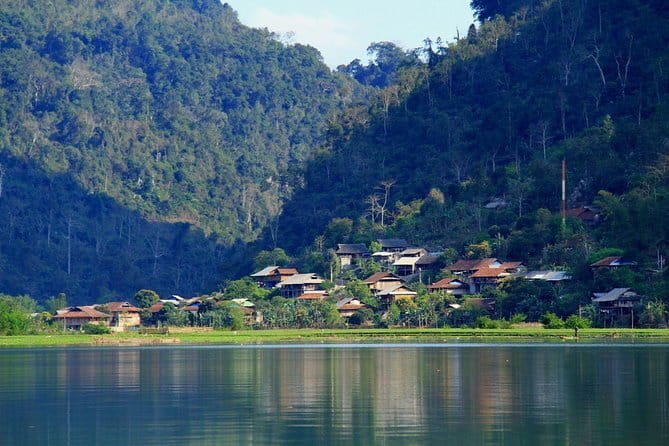
Mu Cang Chải is famous for terraced scenery, and this tour hits two of the key viewpoint areas: Khau Pha Pass and Horseshoe Hill.
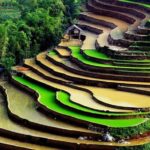
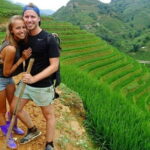
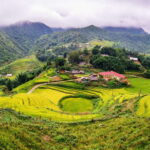
Khau Pha Pass is about panoramas. When you reach a pass viewpoint, you can see how terraces step across the slopes and how villages sit like dots in a carved patchwork. The big advantage here is that the tour is structured around the right moment of the day, so you’re not just arriving whenever. You’re guided to views in a way that fits the day’s flow.
Then there’s Horseshoe Hill in Sang Nhu village, only about 2 km from Mu Cang Chải. The highlight here is that it’s especially stunning during harvest season. That timing detail matters. Terrace photos in dry seasons can look flat or muted. In harvest season, you get the strongest sense of why this farming system is so tightly connected to the terrain and the calendar.
If you’re a “must get the perfect photo” person, do yourself a favor: go with flexible expectations. Mountain weather and cloud cover can change views quickly, and the tour is built around good-weather conditions.
Food, Comfort, and What You’ll Really Need
The tour is set up for you to eat well enough without constant decision-making. You’ll have included water (bottled), plus breakfast, lunch, and dinner across the three days. Vegetarian options are available on request, which is helpful if you need it.
Comfort is handled in the big-ticket ways: private air-conditioned transportation and a safe driver, plus homestay nights instead of day trips that chew you up. Still, your comfort on terraces is mostly on you—so plan for the realities of trekking days:
- Bring comfortable shoes you can walk in for hours.
- Pack a small backpack plus basics like a hat, sunglasses, and mosquito spray.
- Bring some cash, since spending needs can pop up even on a guided trip.
This is one of those tours where preparation improves the experience dramatically. You don’t need to be a mountaineer. You just need the right gear for uneven ground and changing temps.
Price and Logistics: What $512 Covers (and What It Doesn’t)
At $512 per person, you’re paying for more than a route. You’re paying for the combination of private transport, door-to-door Hanoi pickup, local guide time, admissions, trekking activities, and village visits. You’re also getting travel insurance included and a built-in meals package (not just one meal, but the set of breakfasts/lunches/dinners tied to the itinerary).
That’s why this price can feel like value if you would otherwise spend money on:
- separate transfers,
- entrance fees and local guides,
- meals you have to manage each day,
- and last-minute problem-solving in a remote area.
What’s not included is also straightforward: tips for the guide and driver, and beverages/personal expenses. So factor in some spending for water beyond the included bottled water and for tipping if you feel the service was worth it.
The other logistical angle: the tour is a daily experience that requires good weather. If conditions are poor, you’ll be offered a different date/experience or a full refund. That flexibility is important in mountain regions.
Who This Trip Fits Best (and Who Should Rethink It)

This works best for people who want:
- culture connected to daily life (ethnic villages, farming rhythm),
- guided trekking through terraces and villages,
- homestay nights with local meals already handled,
- and private, door-to-door convenience from Hanoi.
You’ll likely enjoy it most if you can handle early starts and comfortable outdoor walking. The trek is described as soft, but it’s still a trekking day. If you’re looking for mostly flat boardwalk sightseeing, you might find the walking portion too much.
It also suits people traveling as a group who appreciate having the itinerary tailored to their pace, since it’s private for your group only.
Practical Tips Before You Go
Here are a few choices that make the tour go smoother:
- Plan for outdoor time on rice terraces and village paths. Wear the shoes you would trust on uneven stairs.
- Bring a hat and sunglasses. Pass viewpoints and terrace paths can be bright.
- Use mosquito spray. Even on clear days, insects can show up around farms and water.
- Keep cash on hand for any personal expenses that aren’t covered.
- If you want vegetarian meals, request it ahead so the kitchen can plan.
Also remember: the tour includes a 24/7 hotline support. That’s helpful when weather changes or you need a quick answer during transit.
Should You Book This Mu Cang Chai 3D2N Trek From Hanoi?
I’d book this tour if you want Mu Cang Chai with context, not just views. The best reasons to choose it are the blend of ethnic village contact, hands-on rice activity, and the homestay format that makes the days feel local. You also get private transport and meals that remove a lot of stress from a remote itinerary.
Skip it (or think twice) if you hate early mornings, dislike trekking, or want a totally weather-proof plan. In mountain territory, conditions matter, and this trip is built for good weather.
If your goal is to see rice terraces while understanding how people live with them, this is a smart way to do it—organized, guided, and paced for real connection.
FAQ
How long is the Mu Cang Chai trip?
The experience runs for 3 days (3D2N), based on the day-by-day schedule from Hanoi to Mu Cang Chải and back.
Where do you pick me up in Hanoi?
You get private door-to-door pickup in Hanoi city center, specifically from Hanoi Old Quarter based on the start of the day.
What kind of accommodation is included?
You stay in traditional Thai stilt house homestays during the trip.
What meals are included?
Breakfast is included 2 times, lunch 3 times, and dinner 2 times, with bottled water provided as specified.
Is vegetarian food available?
Yes. Vegetarian food is available on request.
Does the price include entrance fees and guided activities?
Yes. All entrance fees, trekking activities, and village visits are included.
What should I pack for the trekking and viewpoints?
Bring comfortable shoes, a small backpack, a hat, sunglasses, mosquito spray, and cash.
Is the tour dependent on weather?
Yes. It requires good weather. If it has to be cancelled due to poor weather, you’ll be offered a different date/experience or a full refund.