REVIEW · KATHMANDU
Millennium Homestay Trek
Book on Viator →Operated by Swotah Travel and Adventure Pvt. Ltd. · Bookable on Viator
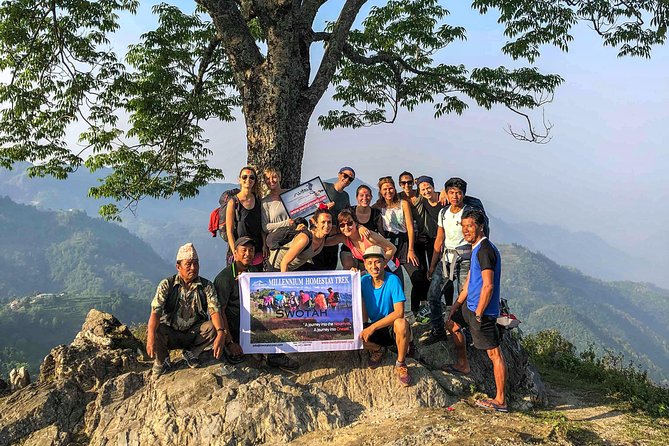
Sleep in Nepali homes, not lodges. This is the Millennium Homestay Trek: 30+ village stays, hands-on community time, and a visit to Millennium Cave with waterfalls, plus city days in Kathmandu and Pokhara.
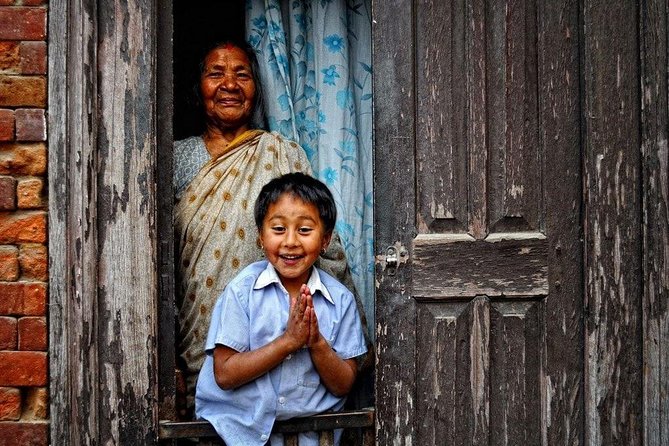
I love the day-to-day homestay living with real village conversation and family-run Nepali meals. I also love how the route threads through different ethnic communities in a tight area, so cultural moments feel close and practical instead of staged.
The main drawback to plan for is the walking days. Even if the route stays lower than big base-camp treks, you still get long hikes on rural paths, plus the basic rhythm of village food that may not change much day to day.
In This Review
- Key Highlights (What Makes This Trek Worth Your Time)
- Millennium Homestay Trek: the Real Nepal Rhythm
- Kathmandu Warm-Up: Durbar Square and Swayambhu Mahachaitya
- Pokhara After the Drive: Lake Time Before Your Feet
- Khairenitar Bazar to Bankewa: First Homestay Landing
- Khairenitar Magar Samaj Hall Day: Rivers, Holy Ground, and a Shaman Show
- Gurunghe Hill: Shorter Trek, Big Cultural Conversations
- Millennium Cave Day: The Waterfall Route to Kalkhu and Kolma
- Rangrung and the Newari Night: Food, Passages, and Neighborhood Life
- Tibetan Camp Day: Seti Gorge Country and a Break From Walking
- Pokhara City Time and the Return to Kathmandu
- Price and Value: What $1,500 Is Paying For
- Who This Trek Suits Best (And Who Should Rethink It)
- Practical Tips: How to Make This Trek Better for You
- Should You Book the Millennium Homestay Trek?
- FAQ
- How long is the Millennium Homestay Trek?
- Where does the tour start and when?
- How much does the trek cost?
- Is pickup included?
- Is this a small group trip?
- What are the key experiences included beyond trekking?
- Will I need tickets for attractions?
- What happens if weather is poor?
Key Highlights (What Makes This Trek Worth Your Time)
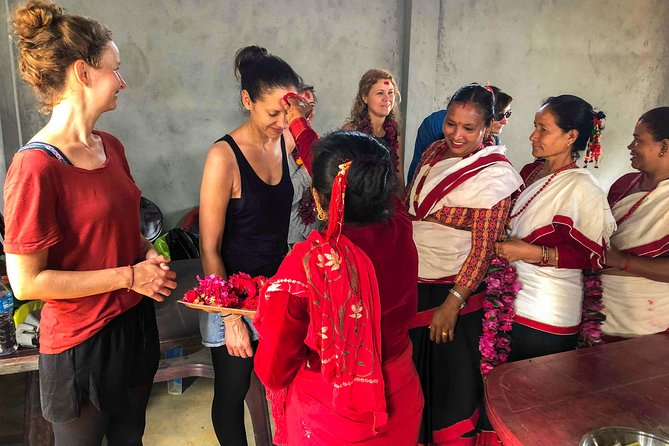
- 30+ colorful villages and direct village interaction, not just passing through
- Homestay nights focused on authentic Nepali home cooking
- Millennium Cave route with waterfalls and a real sense of being in the landscape
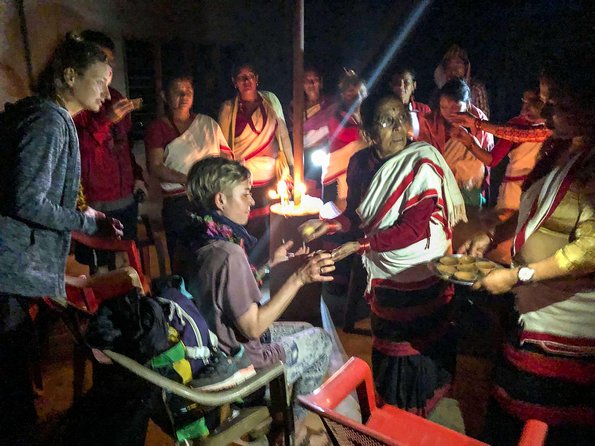
- Cultural moments like a Shaman show and evening prayers during the trek
- A small group limit of up to 10 travelers for easier pacing and less crowding
- A route that also includes a Tibetan camp history and community observation
Millennium Homestay Trek: the Real Nepal Rhythm
This trek is built around one idea: you walk through rural Nepal and you sleep where people actually live. That changes the whole feel of the trip. You’re not just collecting photos at viewpoint after viewpoint. You’re part of the daily village routine—waking up, eating what your hosts prepare, and spending time with families who answer your questions because you’re there.
Millennium Cave is the big “main character” moment, but it’s the surrounding days that make it special. You’ll move between villages with different cultural flavors, with stops that include holy river confluences, river crossings, and prayer moments. The tour also pairs that with Kathmandu heritage sightseeing and Pokhara lake-city downtime, so you get adventure and recovery in the same itinerary.
From the start, the logistics are designed to keep your stress low: pickup is offered, you have a mobile ticket, and the group stays small (max 10). That matters on a trek like this, where the day is long and you’ll want the schedule to feel steady.
You can also read our reviews of more tours and experiences in Kathmandu.
Kathmandu Warm-Up: Durbar Square and Swayambhu Mahachaitya
Your journey begins in Kathmandu with a straightforward airport-to-hotel transfer. A representative meets you at Tribhuvan International Airport, and in the evening you go over the itinerary during a traditional dinner. If you’ve never trekked in Nepal before, this dinner chat is a big deal. You get your bearings early—how early to wake, what to expect from village walking days, and how the guides plan the pace.
Then you hit two major heritage experiences in a single sweep:
- Kathmandu Durbar Square: classic old-city scene, built around centuries of architecture and the living energy of the neighborhood.
- Swayambhu Mahachaitya: the famed hilltop stupa complex that gives you sweeping views over the valley while you watch locals go about worship.
This Kathmandu portion is not just sightseeing. It sets context. When you later walk through villages and see prayers in the landscape, you’ll understand more of what you’re actually looking at.
One practical note: you should expect a slower start in the city compared to the trekking days. It’s a good trade. You’ll have time to recover from travel and let Kathmandu settle in before your hiking legs take over.
Pokhara After the Drive: Lake Time Before Your Feet
After breakfast, the itinerary shifts gears. You travel from Kathmandu to Pokhara—about 6–7 hours by road, passing scenic villages and the Trishuli River. The drive is part of the transition. It’s the moment the trip turns from city motion into hills-and-valleys motion.
Once you arrive, you get an evening stroll near the lake and time to prep for the trek. That prep time is underrated. You’ll want to review your clothing layers, check your daypack, and sort any small comfort items you’ll rely on later—things like a simple rain layer, a headlamp, or a small towel.
Pokhara also gives you a mental reset. You’re about to spend days with less infrastructure and more local rhythm. That’s exciting, but it can feel intense. Having a “soft landing” helps you enjoy the slower homestay pace rather than just endure it.
Khairenitar Bazar to Bankewa: First Homestay Landing
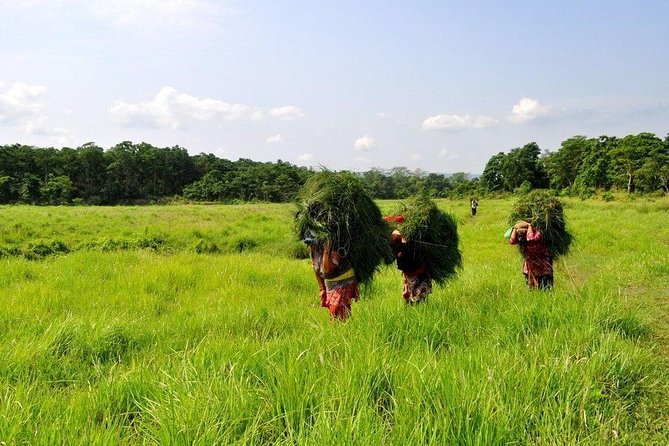
The trekking actually begins after reaching Khairenitar Bazar (28 km from where you start that day). From there, you trek toward Bankewa, where you spend your first night in a home with the hosting family.
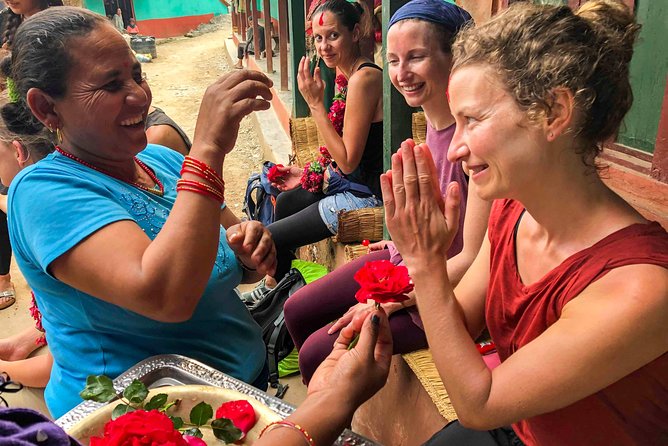
This is one of the most important days emotionally. Your body is switching from travel mode to walking mode, and your brain is switching from tourist expectations to village reality. You’ll get a welcome program arranged by the village community, which helps you understand the rules of the space quickly: how meals work, where to sit, how to greet politely, and how to keep the conversation respectful.
Practically, this is also your first exposure to the kind of terrain you’ll repeat: stone paths, bridges, river sections, and village uphill segments. If you’re new to trekking, walk at a steady pace early, not a fast one. You’ll save your energy for the later days where the hiking stacks up.
Khairenitar Magar Samaj Hall Day: Rivers, Holy Ground, and a Shaman Show
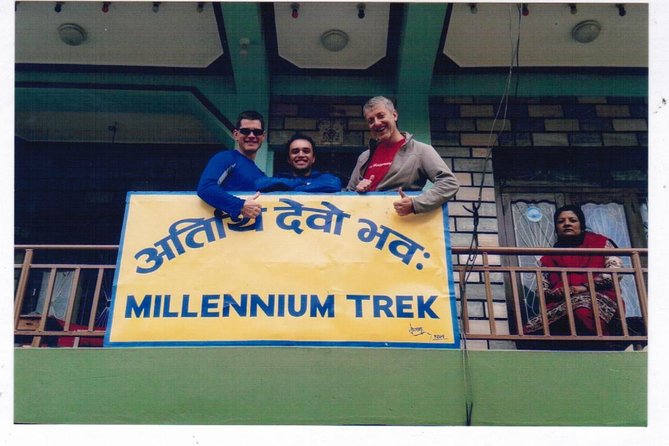
This day blends walking with culture in a way that feels more like living than touring. You spend most of the day moving through gentle downhill or flat sections, then into scenic viewpoints and village paths. There’s a mix of stone roads and wider paths at points, and you’ll cross a bridge before continuing along the clean Surdaudi River.
Lunch happens along the way, then the day continues slowly toward PyuriDobhan, described as a holy place where three sacred rivers meet. Even if you’re not chasing spiritual meaning, these places change how you see the route. Water is life here, and when you stand where rivers join, you feel why people build community around these points.
In the evening, you go to a Shaman show and evening prayers. This isn’t a random performance. It’s part of the local belief system the community shares with visitors who are ready to watch and listen. If you’re even slightly curious about ritual and local spirituality, this is the type of moment you’ll remember longer than any single viewpoint.
Possible drawback: if you’re sensitive to crowd energy, the evening program can feel emotionally intense. It’s not designed as entertainment for you—it’s designed as community practice. Go in with that mindset and you’ll enjoy it more.
Gurunghe Hill: Shorter Trek, Big Cultural Conversations
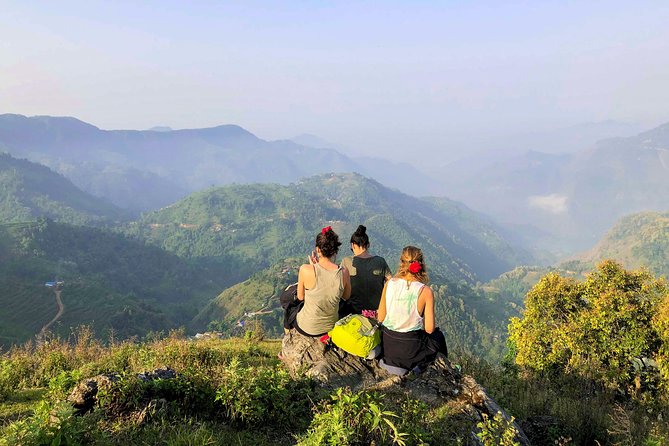
Not every day is a long slog. On the Gurunghe Hill day, you start with a local breakfast, then continue climbing through smaller villages. You’ll pass through areas connected to major ethnic groups of Nepal, and the itinerary specifically mentions:
- Gurung village of Lamagaon
- After lunch, a descent toward Gharedi, described as one of the larger villages in the region
This day’s strength is the “in-between” feel. The route isn’t just about altitude or distance. It’s about stopping, walking, and learning how daily life looks across different communities.
The planned hiking time is around 5 hours, which makes this a good day if you want a cultural-heavy segment without the full fatigue load of the longer walking days. If you’ve got family members or you’re managing energy carefully, this kind of day is where you’ll appreciate the balanced pacing.
Millennium Cave Day: The Waterfall Route to Kalkhu and Kolma
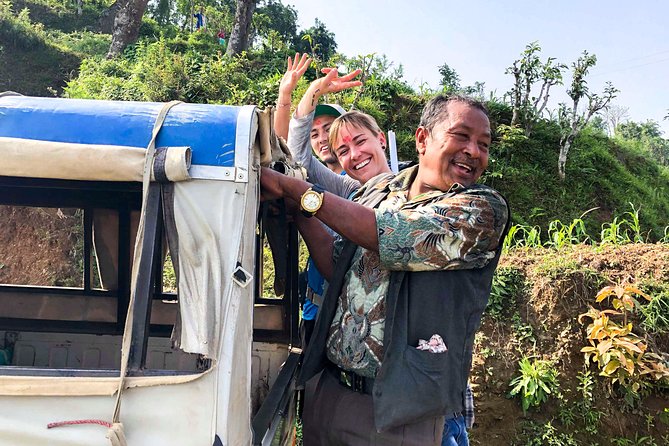
Next comes one of the most distinctive days: trekking down toward Millennium Cave, described as a cave with waterfalls. That’s not just a named attraction—it affects the whole day. Caves shift the atmosphere. You’ll likely go in expecting it to be cool, damp, and visually different from open-air trekking.
After the cave visit, you walk upward toward Kalkhu village, and then finish the day reaching Kolma village for the night. The itinerary notes this day can be a hard walking day, but it also promises that once you reach a viewpoint, the views and village scene make the effort feel worth it.
This is also a day where your attitude matters. If you go into it thinking every minute will be easy, you’ll be disappointed. If you go in expecting effort and then reward at the top, you’ll enjoy the rhythm: push, pause, look out, reset.
Also keep an eye on your footing around water and cave areas. It’s a rural route, and surfaces can change fast.
Rangrung and the Newari Night: Food, Passages, and Neighborhood Life
After breakfast you head toward Rangrung, passing smaller villages and scenic stretches. You move for a couple of hours from Pyarsing, then reach Rangrung again and observe ThuloHattiya. You spend the night in the center of a Newari village with locals, with a focus on Newari traditional cuisines.
This is a valuable part of the trek because it shifts from “we walk and stop” into “we’re hosted.” When you eat a regional cuisine in the village setting, it’s different than eating the same dish in a city restaurant. You’ll notice the home cooking style and the simple consistency of ingredients used locally.
The trekking time is again about 10 hours, so be ready. This is a “whole day” segment, and the payoff is what you get at night: conversation, local life rhythm, and dinner that feels genuinely village-made rather than tourism-made.
Tibetan Camp Day: Seti Gorge Country and a Break From Walking
One reason this itinerary works is that it offers a day where you’re still in trekking mode, but the end of the day becomes more relaxed.
You walk down toward the Kyangdi River, cross it, reach Lalim village, then enter Tibetan camp. The tour frames this camp as one of five Tibetan camps in Nepal, with Tibetans settled as refugees after the Chinese invasion of Tibet. You observe their lifestyle and community closely, which helps you connect the trek’s theme of “community life” to modern history.
Then you go through the area around the Seti gorge and rock garden before taking a bus/jeep back to Pokhara (depending on group size). The itinerary explicitly highlights that this day leaves no more walking afterward.
That’s huge for fatigue management. Trek days blend into each other quickly. Having a transport-heavy finish gives you a real chance to stretch out, shower, and mentally switch back to city life.
Pokhara City Time and the Return to Kathmandu
After trekking days, you get Pokhara sightseeing and time around the lake area. You’ll have a full day dedicated to getting your bearings in Pokhara and enjoying mountain views and caves in the area (the itinerary frames it that way).
Then you return to Kathmandu by deluxe coach or jeep—about 7–8 hours—again passing through the Trisuli River and villages on the way. When you arrive, you’re transferred to your hotel, and the representative meets you for airport escort based on your flight schedule.
One last practical detail that I like in this plan: the airport check-in guidance is built in. The itinerary notes check-in time is 3 hours prior to your flight. That’s the kind of small safety net that prevents last-minute stress.
Price and Value: What $1,500 Is Paying For
At $1,500 per person for an ~13-day experience, this trek isn’t a budget-only choice. But it also isn’t priced like a city-only cultural tour, either. You’re paying for several things at once:
- Guides and support across a multi-day rural route
- Small group size (max 10), which usually means more personalized attention and less crowding at homestays
- Homestay hosting across multiple villages rather than just one paid lodge stop
- Entrance/admission tickets listed as included for major Kathmandu/Pokhara sights and key heritage points
- Transport legs between Kathmandu and Pokhara and back, plus local vehicle segments during the trek
The value question comes down to whether you want the homestay style. If you’re after comfort-first lodging, this may not match your expectations. If you want real community contact, the price starts to make sense quickly. For this style, paying for organization and continuity is the cost of getting a smooth experience on rough terrain.
Also, this is weather-dependent. Your plan should assume that you’re hiking in the hills, and conditions can shift. The itinerary guidance indicates the experience requires good weather, with an option for a different date or a full refund if canceled due to weather.
Who This Trek Suits Best (And Who Should Rethink It)
This is a strong match if you:
- Want authentic rural Nepal over big-tour crowd scenes
- Enjoy conversation, not just sightseeing
- Prefer a small group setting
- Have the hiking stamina for long days that can reach around 10 hours on multiple days
It also seems designed for people who are reasonably fit. The tour’s altitude is framed as lower than the heavy base-camp trekking routes, and some program chatter mentions you don’t go much higher than about 6,500 ft. That doesn’t mean it’s easy. It means the challenge is more about endurance and walking rhythm than extreme altitude.
You might reconsider if:
- You need predictable daily meal variety. One detail that pops up is that meals can feel repetitive day to day depending on the homestay arrangements.
- You want guaranteed comfort standards like western-style bathrooms or constant hot water. The whole point here is village hosting, so expectations should match that reality.
Practical Tips: How to Make This Trek Better for You
Here’s how I’d set yourself up to enjoy the best parts and suffer the least:
- Walk steady early. On a trek with repeated 10-hour days, saving energy for the middle of the week is everything.
- Bring patience for food rhythm. Homestay meals are authentic, but they may repeat. Focus on enjoying what’s local and fresh rather than expecting menu variety.
- Respect homestay rules. A village host family is not a hotel. Greet politely, ask before taking photos inside, and follow their lead.
- Ask your guide about names and meaning. Since the trek touches many ethnic groups and ritual moments like the Shaman show and prayers, good questions help you understand what you’re seeing.
- Tell your guide early if you have limits. There’s evidence the itinerary can be adjusted for issues like injuries. Don’t wait until you’re exhausted.
For guide support, the program names people you might travel with, including RajKumar/Raj Kumar and Kumar, plus other guides mentioned like Chandra, and team members like Temba, Tek, and Surya. English-speaking support is referenced, and guides are described as sharing knowledge about people and nature as you walk.
Should You Book the Millennium Homestay Trek?
Book this trek if you want a Nepal trip where the highlight is village life, not a checklist of viewpoints. The homestay experience, the Millennium Cave with waterfalls, and the cultural nights (including a Shaman show and prayers) create a strong “place you” feeling.
Skip it or choose a different Nepal trek if you’re chasing maximum comfort, low walking time, and constant meal variety. This is an active itinerary, and it rewards the kind of traveler who treats community hosting with respect and curiosity.
If that sounds like you, you’ll probably feel like this is one of those trips you can’t replicate at home. And you’ll likely remember it the way you remember good conversations: by how real it felt.
FAQ
How long is the Millennium Homestay Trek?
It’s listed as about 13 days.
Where does the tour start and when?
The meeting point is Tribhuvan Airport in Kathmandu, Nepal, with a start time of 6:15 am.
How much does the trek cost?
The price is $1,500.00 per person.
Is pickup included?
Yes, pickup is offered.
Is this a small group trip?
Yes. The maximum group size is 10 travelers.
What are the key experiences included beyond trekking?
The itinerary includes Millennium Cave with waterfalls, Kathmandu and Pokhara sightseeing, homestay nights in multiple villages, and a Shaman show plus evening prayers during the trek.
Will I need tickets for attractions?
Admission tickets are listed as included for multiple stops (such as Kathmandu Durbar Square, Swayambhu Mahachaitya, and sightseeing days).
What happens if weather is poor?
The experience requires good weather. If it’s canceled due to poor weather, you’ll be offered a different date or a full refund.