REVIEW · SEMBALUN
Sembalun/Senaru: Mt. Rinjani Summit 2-Day Trekking Tour
Book on GetYourGuide →Operated by uji trekking · Bookable on GetYourGuide
Mt. Rinjani sunrise is not for casual hikers. This 2-day trek from Sembalun/Senaru gets you high fast enough to feel the challenge, but it’s also smart about the payoff: crater-rim sunsets and a summit-top panorama on Day 2. I love the contrast of the Segara Anak crater views at night, then sunrise from the top. I also love the way the route is staged with planned rests, so you’re not just grinding nonstop. One drawback to keep in mind: the final summit push is in the dark and includes sand/gravel sections that can wear you out.
What makes this tour work is the balance between support and effort. You’ve got a guide hiking with you, plus porters carrying the camping setup and cooking gear—so you’re not lugging camp weight. In past groups, guides like Cakra, Anji, Reno, and Djordan have been praised for keeping things fun and safe on tricky bits. Still, you should go in realistic: this is not suitable if you’ve had altitude issues, you’re pregnant, or you’re over 70.
In This Review
- Why This 2-Day Mt. Rinjani Trek Feels Worth the Money
- The Big Picture: What You’re Actually Doing in 48 Hours
- Day 1 From Pickup to Crater Rim: Building Height and Big Views
- Night on the Crater Rim: Stars, Calm, and the Main Event’s Warm-Up
- Day 2 Summit Push at 1:30 AM: The Dark Climb That Tests Your Legs
- Guides and Porters: The Difference Between Tough and Miserable
- Price and Logistics: What $141 Covers (and What You’ll Pay Extra)
- Gear Checklist That Actually Matches the Terrain
- Weather and Altitude: The Two Things That Decide Your Outcome
- Who This Trek Suits Best
- Should You Book the Sembalun/Senaru Rinjani 2-Day Summit Trek?
- FAQ
- Where do I get picked up for the trek?
- How long is the Mt. Rinjani summit trek?
- Do I need a flashlight or headlamp?
- Is the national park entrance fee included?
- What food and water do I get during the trek?
- What camping gear is provided?
- What’s the highest point you reach?
- Who should not join this tour?
- What should I bring with me?
Why This 2-Day Mt. Rinjani Trek Feels Worth the Money
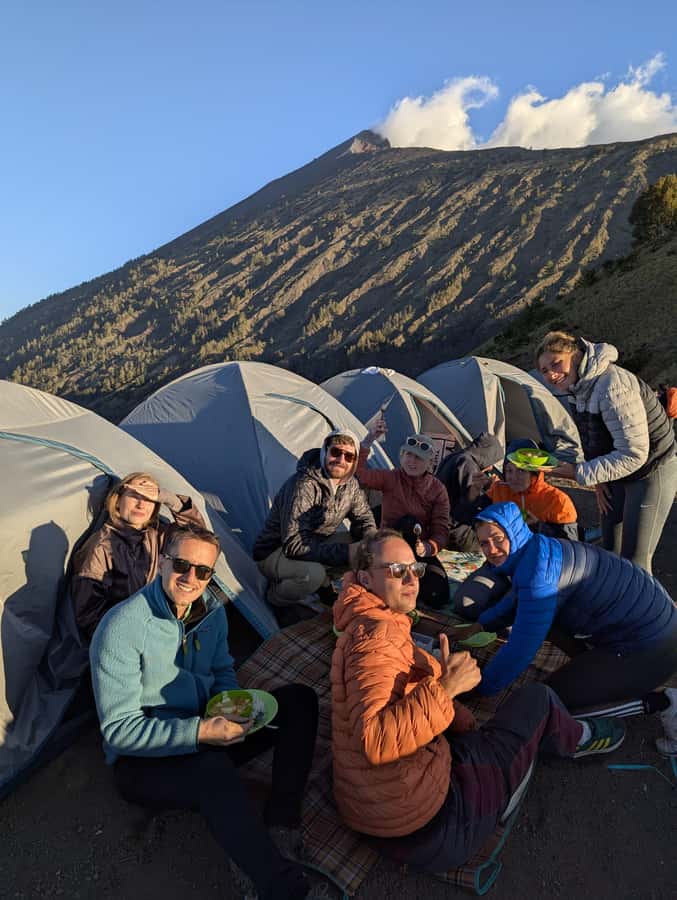
At $141 per person, this is one of the more “full-service” ways to reach the summit. You’re paying for real logistics: pickup/drop-off in Sembalun and Senaru, an English-speaking trekking guide, porters for camp and kitchen gear, and basic camping gear (tent, mattress, sleeping bag, plus a toilet setup). You also get water on the trek—3 liters of mineral water per person per day—which matters when you’re breathing hard and sweating.
The trade-off is that you still need your own personal gear and you’ll pay the national park fee separately. Entrance is IDR 200,000 per day per person. That’s the extra line item you should budget for before you fall in love with the idea.
The Big Picture: What You’re Actually Doing in 48 Hours
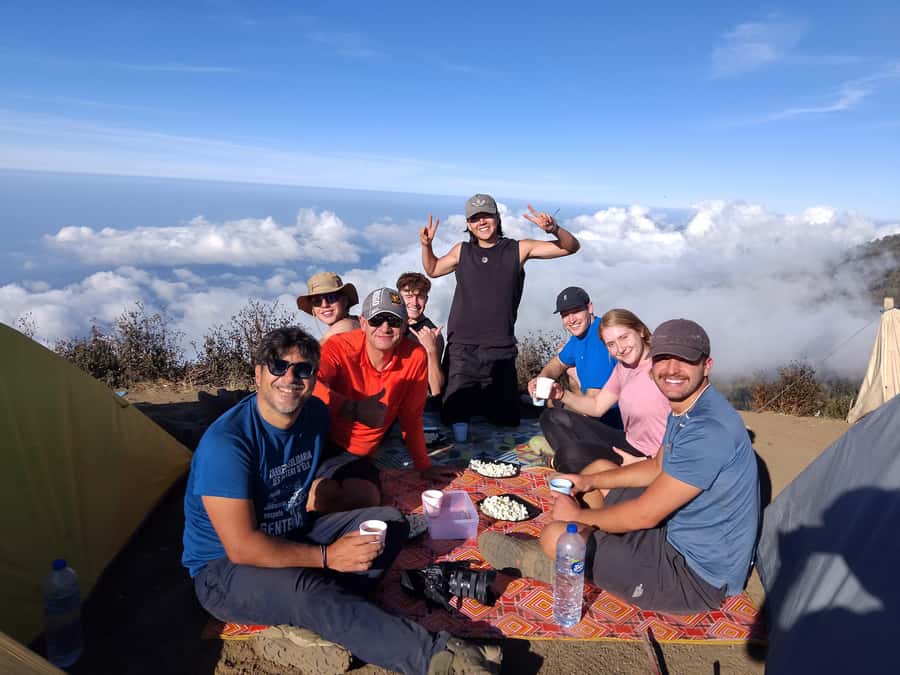
This is a two-day point-to-nature experience. Day 1 is about climbing into the crater rim zone and settling for the night with big views. Day 2 is the predawn summit bid, then a descent back toward Sembalun Village.
Your “success” on Rinjani depends on two things you can’t fully control: your pace/fitness and the weather. Even when the weather is kind, the terrain is still serious. The good news is that the plan is clear about timing, rest periods, and what to bring—especially for the dark summit walk.
Day 1 From Pickup to Crater Rim: Building Height and Big Views
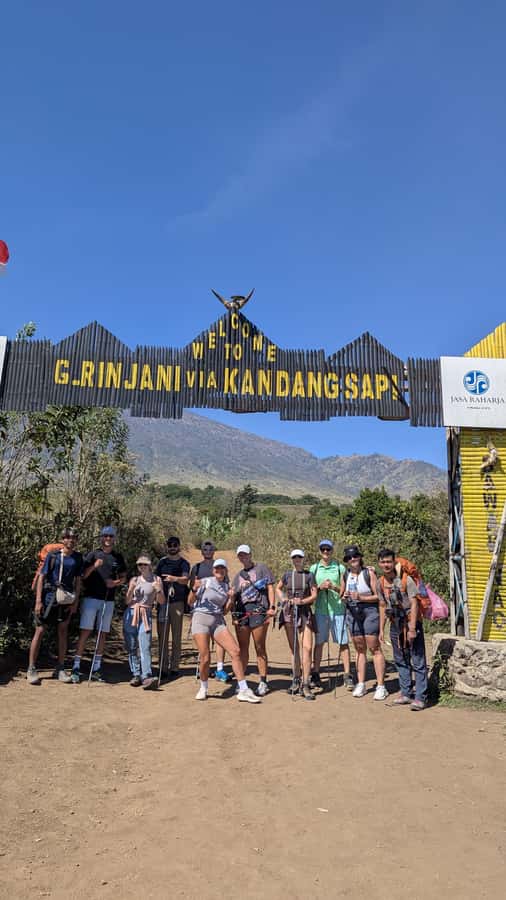
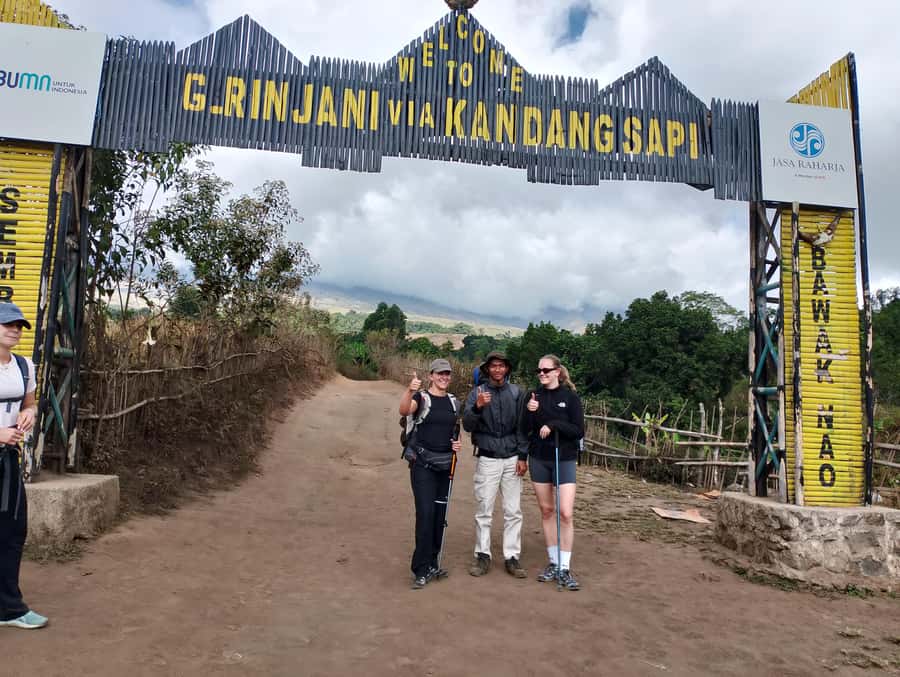
Day 1 starts with pickup from your hotel area in Senaru or Sembalun. Then you eat breakfast before a roughly one-hour drive to Sembalun Village. Once you arrive, you register at the Rinjani Information Center (RIC). That part sounds bureaucratic, but it’s part of how the trek stays organized.
Then the hike begins. The first stretch is designed in stages with short breaks:
- Trek toward POS-1 (1,300 m)
- Rest 5–10 minutes
- Continue to POS-2 (1,500 m) for about an hour
- Short break, then to POS-3 (1,800 m) for another hour
- A longer rest at POS-3 for about 2 hours, plus lunch
At POS-3 you’ll get lunch and a hot drink (tea, coffee, hot chocolate, or lemon tea). This matters more than you’d think. Hot fluids help when you’re tired and your body starts feeling “cold-wrong” at altitude, even when you’re not freezing yet.
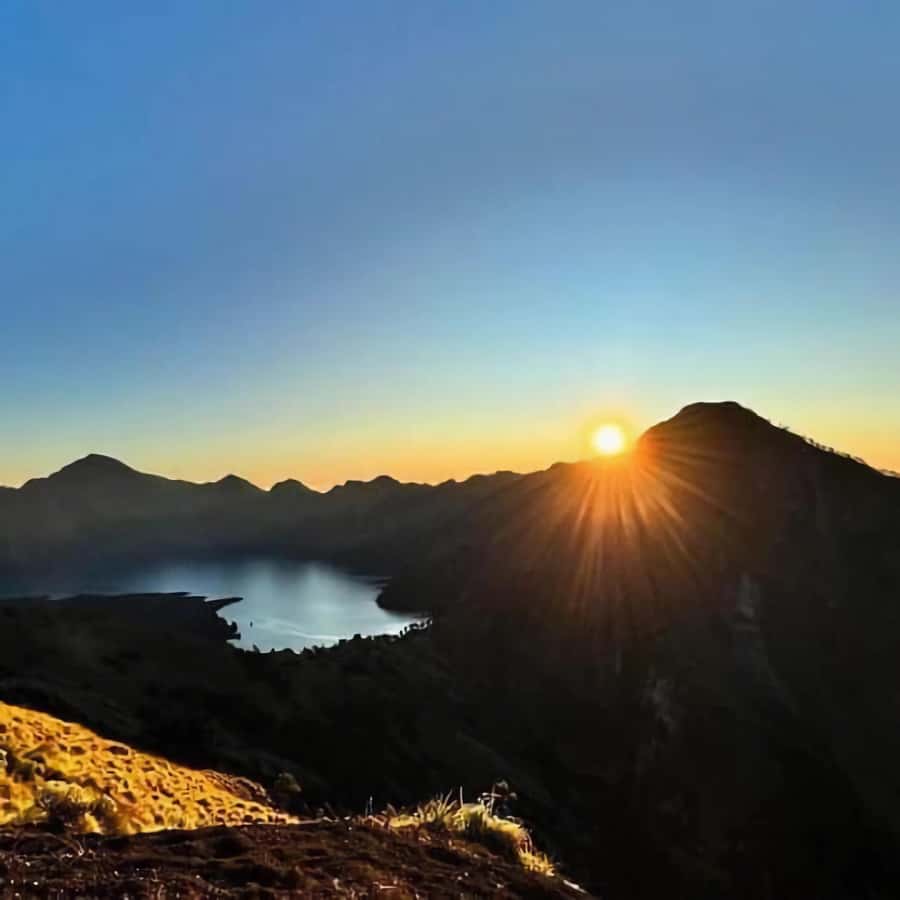
After lunch, you continue to the Sembalun Crater Rim (2,639 m) for about 3 hours. This is where the day’s effort turns into payoff. You spend the night on the crater rim with panoramic sunset views over Segara Anak and you can see most of North Lombok Island.
Why I like the Day 1 rhythm: it gives you time to acclimate to a higher trekking altitude without pretending it’s easy. You’re working, but you’re also being fed and rested at the right moments.
Night on the Crater Rim: Stars, Calm, and the Main Event’s Warm-Up
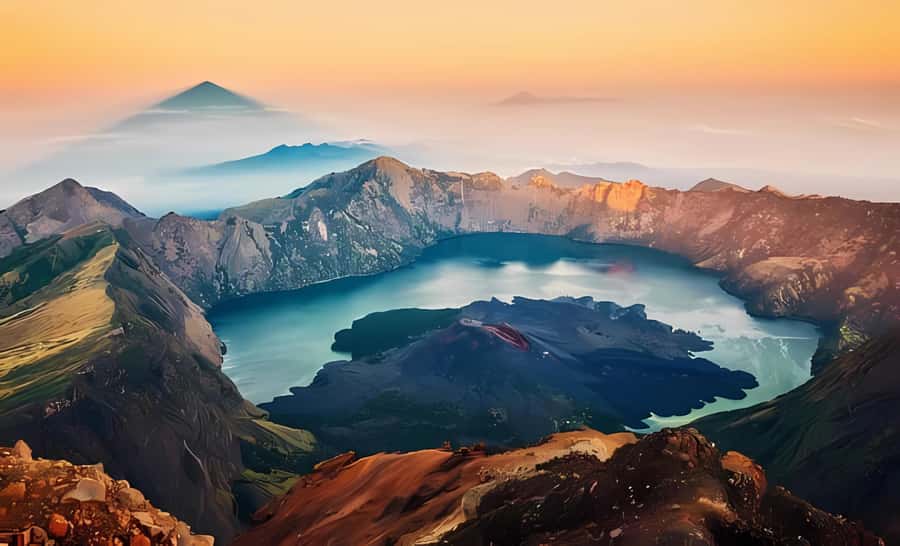
Sleeping at the crater rim is not about luxury. But it can be one of the most memorable parts of the trek. You’re up high, surrounded by the volcano setting, and you get that late-day shift from heat to chill.
The included camping setup (tent, sleeping bag, mattress, plus toilet tent and toilet paper) reduces the “worry load.” Your porters also handle the cooking gear and camping equipment, which is a huge relief. In many groups, the porters are where the experience becomes smooth instead of stressful.
From the info and past feedback, the crater rim views are the big emotional hook: sunset over Segara Anak, then stars later. Even if someone doesn’t make it to the summit, people often still feel like the crater rim night was a win. It’s that kind of place—hard work, then a view that makes your effort feel real.
Day 2 Summit Push at 1:30 AM: The Dark Climb That Tests Your Legs
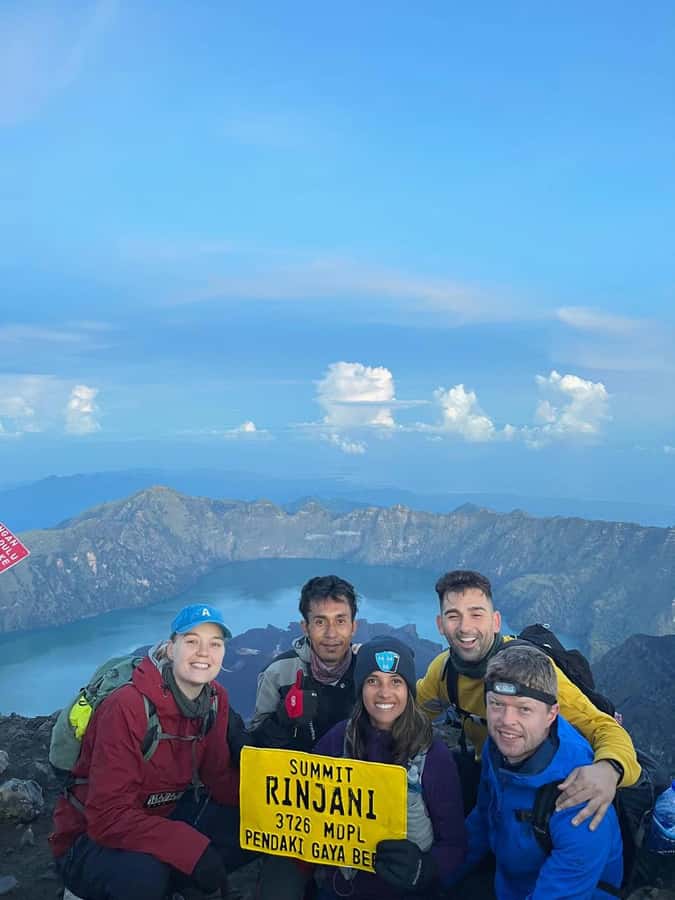
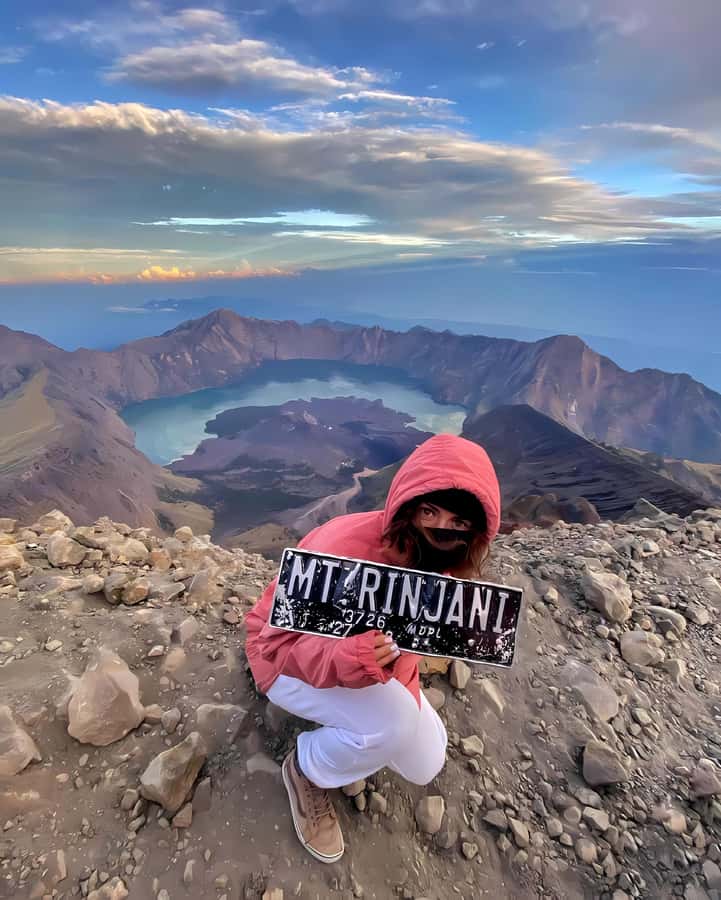
Wake-up is at 1:30 in the morning with coffee or tea and a light breakfast. Then you start the summit trek toward Mt. Rinjani’s 3,726 m top.
The summit climb normally takes about 3 hours, but it depends on how fast you go. You’ll be trekking in the dark, so this is not the moment to rely on guesswork. Bring a flashlight—headlamp is often what people prefer—but note this gear is not included on the tour.
The terrain includes sand and gravel sections, and this is called out as some of the most tiring walking. This is where pacing matters. If you go too fast at the start, your legs will feel like they’re running on empty before you’re even close.
Your reward is the big summit panorama: views of Bali, Sumbawa, Lombok, and the Gilis. That’s a lot of coastline and islands to see from one high point, and it’s one reason this trek is popular.
Once you reach the summit, you’ll take time for a short break and photos. Then you turn back to the crater rim campsite. Porters prepare breakfast waiting for you, and then you begin the descent to Sembalun Village.
Guides and Porters: The Difference Between Tough and Miserable
On a trek like this, the “people power” matters. The guide helps you manage pace and route through the tricky sections, and porters keep camp and food handled. If you’ve ever watched porters at work, you’ll understand why they get so much credit.
This tour includes:
- A trekking guide
- Porters to carry cooking gear and camping equipment
Extra porter for your own luggage is not included, so plan to pack light for anything you carry yourself.
In past groups, guides like Cakra, Anji and Reno, and Djordan have been praised for making the climb feel more manageable—especially on the hard paths. The vibe people described wasn’t just competence. It was guidance that kept spirits up while still pushing toward safe pacing.
Also, meals seem to hit the sweet spot: good food, big portions, and cooked for you at altitude. One key detail to note for your expectations: you’re not only eating snacks—you’re getting actual main-course style meals at base and camp. That helps you recover during the second day when you’ll need strength for the climb and then the descent.
Price and Logistics: What $141 Covers (and What You’ll Pay Extra)
Here’s the value math in plain terms.
Included in the $141:
- Hotel pickup and drop-off from Senaru and Sembalun
- Trekking guide
- Porters for cooking and camping equipment
- Tent, mattress, sleeping bag
- Toilet tent and toilet paper
- Food and drinking water on the trek (3 liters mineral water per person per day)
Not included:
- National park entrance fee: IDR 200,000 per day per person
- Flashlight/head lamp
- Backpack (you’ll carry your own personal items)
- Trekking shoes, rain jacket, long pants, gloves
- Extra porter for your own luggage
So, is it worth it? If you need the full setup—transport, guide, camp gear, and water—then yes, it’s a solid deal. If you already have everything (especially a flashlight setup and proper hiking shoes), you still save effort and time by letting others handle the camp logistics.
Either way: budget the entrance fee. It’s the main “surprise” cost that isn’t wrapped into the headline price.
Gear Checklist That Actually Matches the Terrain
This trek is a gear game. If you show up unprepared, the mountain punishes you fast. The good news: the tour data and advice point to a focused list.
Bring:
- Passport
- Hiking shoes (not flimsy)
- Hat
- Jacket and rain gear
- Long pants and gloves
- Flashlight for the dark summit section
- Power bank
- Personal medication
- Camera
A couple of practical additions based on real-world tips people offered:
- Gloves are a must because hand comfort matters on colder nights and rough walking.
- Protect yourself from dust. If you’re sensitive, consider a mask or covering for the dusty sand/gravel sections.
- If you use a head torch, bring spare batteries. The summit climb doesn’t give you time to troubleshoot gear.
Also: don’t plan on carrying everything. Porters carry camp and cooking gear, but your personal items are on you—so pack accordingly.
Weather and Altitude: The Two Things That Decide Your Outcome
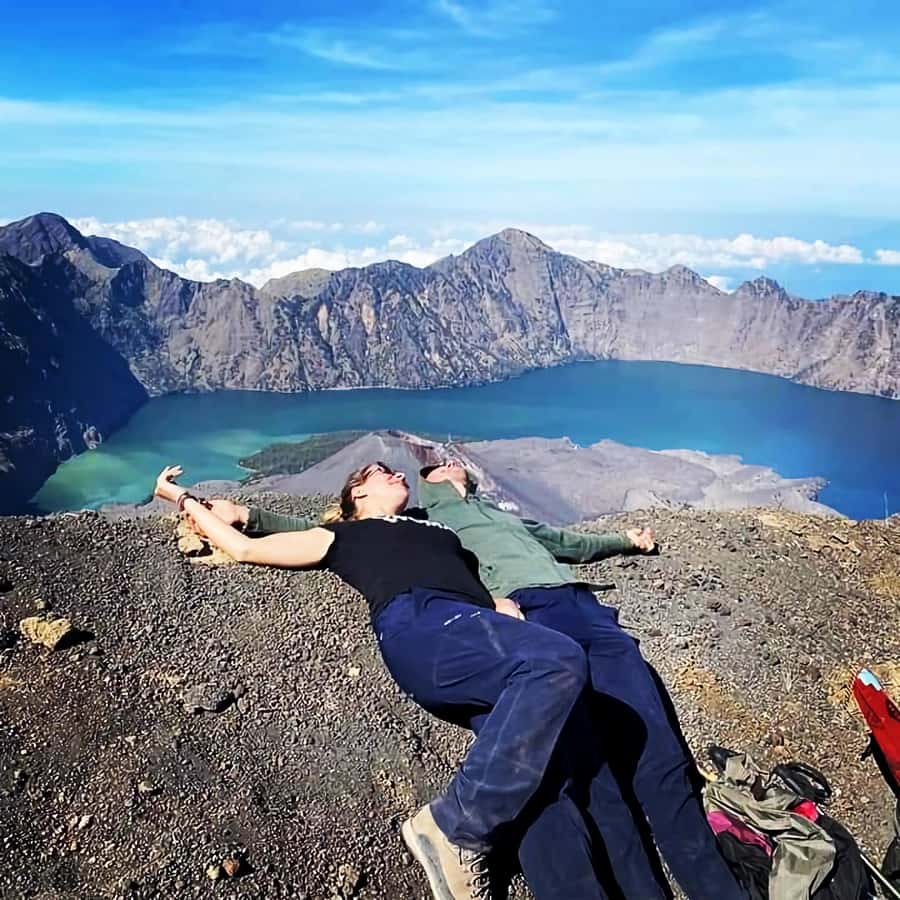
Weather decides visibility. When skies cooperate, summit views are huge. When clouds roll in, you still get the experience, but the skyline can disappear into white.
Altitude decides your comfort. This trek climbs to high elevation quickly. It’s specifically listed as not suitable for people with altitude sickness, pregnant women, and people over 70. If you have any history of altitude issues, don’t “test it” here. Choose safer alternatives.
Fitness decides your enjoyment. Even with staged breaks and a guide, the climb is demanding. The final summit section is described as among the most tiring because of sand/gravel. That means strong shoes and a steady pace are your best “performance upgrades.”
Who This Trek Suits Best
This tour fits best if you:
- Want a serious trek without managing camp logistics yourself
- Are comfortable hiking early in the morning in the dark
- Can handle a 2-day itinerary with high-altitude walking and sand/gravel sections
- Like views that change from crater sunset to summit sunrise
It’s not a great match if you:
- Get altitude symptoms easily
- Are pregnant
- Are older than 70
- Expect an easy walk or a comfy schedule
Should You Book the Sembalun/Senaru Rinjani 2-Day Summit Trek?
Book it if you’re excited by the combination of crater-rim night views and a predawn summit push. The tour’s value is in the support: guide, porters, camp gear, water, and meals. That lets you focus on the hiking instead of logistics.
Think twice (or choose a different plan) if you’re worried about the dark final climb, have altitude concerns, or you don’t have proper gear like hiking shoes and a reliable flashlight setup. Rinjani doesn’t care about good intentions.
If you’re ready for a real mountain effort with a big payoff, this is a memorable, practical way to do the Mt. Rinjani summit trek in 2 days.
FAQ
Where do I get picked up for the trek?
You’ll be picked up from your hotel area in Senaru or Sembalun. The tour also offers drop-off in Senaru or Sembalun.
How long is the Mt. Rinjani summit trek?
It’s a 2-day tour. Day 2 includes the summit trek, which normally takes around 3 hours depending on your pace.
Do I need a flashlight or headlamp?
Yes. The summit section is trekked in the dark, and a flashlight is important. Flashlights/head lamps are not included.
Is the national park entrance fee included?
No. The entrance fee is IDR 200,000 per day per person.
What food and water do I get during the trek?
Food and drinking water are included. You receive 3 liters of mineral water per person per day, and porters prepare meals such as lunch and breakfast (including breakfast prepared after you return from the summit).
What camping gear is provided?
The tour provides a tent, sleeping bags, and mattresses. There’s also a toilet tent and toilet paper.
What’s the highest point you reach?
The summit is at 3,726 meters, and you also overnight at the Sembalun Crater Rim at about 2,639 meters.
Who should not join this tour?
It’s not suitable for pregnant women, people with altitude sickness, and people over 70 years old.
What should I bring with me?
You should bring a passport, hiking shoes, jacket and rain gear, gloves, long pants, a hat, a flashlight, personal medication, a camera, and a power bank.