REVIEW · LOMBOK
Mount Sangkareang Trekking 2D1N 3200msl – Tetebatu
Book on Viator →Operated by Jonny Tour Guide · Bookable on Viator
A 2D1N hike to 3,200m sounds intense, but it’s built to be doable. This Mount Sangkareang / Rinjani second-summit trek pairs a shady rainforest route with a high-altitude payoff: sunrise and big views over Segara Anak, Bali, and more. I especially like the way the climb is structured for people with only moderate fitness, yet still feels like real mountain time. The one drawback to plan for is the early morning push, plus the fact that “gentle” here still means real uphill effort.
You start and finish in Tetebatu, so you’re not spending your short trip shuttling endlessly. The included guide, porters, and camping setup take a lot of weight off your shoulders, and the route is often described as quieter than the more famous options. Still, if weather turns, visibility can drop, and the schedule revolves around the sunrise window.
In This Review
- Key highlights before you go
- Why the Sangkareang second summit is a smart Rinjani intro
- Tetebatu start: monkey forest, shaded steps, and Pondok Belan
- National Park campsite night: where your comfort is built in
- The 04:00 sunrise push to Mt Sangkareang
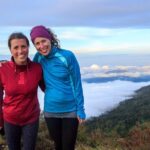
- The view payoff: Segara Anak, Baby Volcano, and Bali in the distance
- Coming down: Posts, jungle trails, and Tetebatu Village
- Price and value at $195: what you’re really paying for
- Guides and porters: the difference between tough and rewarding
- Who should book this trek, and who should rethink it
- Should you book Mount Sangkareang Trekking 2D1N from Tetebatu?
- FAQ
- How long is the Mount Sangkareang Trekking 2D1N?
- What time do we start trekking on Day 2?
- How high is the summit for this trek?
- What’s included in the $195 price?
- Where does the trek start and end?
- What if weather is bad?
Key highlights before you go
- A beginner-leaning route to 3,200m with a gentler approach than the main Rinjani summit
- Shaded forest walking for most of the trek, so you’re not roasting the whole time
- Overnight camping inside Mount Rinjani National Park with dinner and the gear handled
- 04:00 start for sunrise from the second summit area, with hot tea/coffee on top
- Big-name views: Segara Anak, Baby Volcano, and Mount Agung in Bali (weather permitting)
- Private-group vibe so you hike with your own people only
Why the Sangkareang second summit is a smart Rinjani intro
If you want the Rinjani feeling without needing a long multi-day schedule, this trek is a practical choice. You’re aiming for Mount Sangkareang, also known locally as part of the Rinjani range’s second summit area, at about 3,200 meters above sea level. That elevation jump is serious, but the itinerary is designed around short trekking blocks and planned rests.
I like that the route is described as a “gentle trek route” and is suitable for beginners. That matters because Rinjani hikes can feel intimidating on paper. Here, the walking pattern (forest, breaks, campsite overnight, then a short final push) helps you keep moving without the day stretching into an all-day grind.
You should also know what you’re signing up for: this isn’t a stroll. Day 1 climbs from Tetebatu’s village area at roughly 700m up through forest to the national park campsite area, and Day 2 continues to the summit for sunrise.
You can also read our reviews of more tours and experiences in Lombok.
Tetebatu start: monkey forest, shaded steps, and Pondok Belan
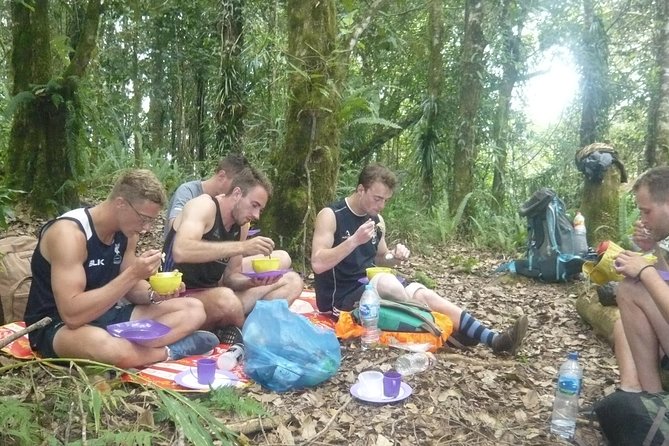
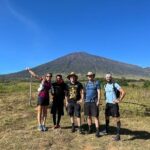
The trek begins in Tetebatu, and you’ll want to arrive at the meeting point around 30 minutes before 8am. The start is more than a warm-up—Tetebatu Village sits at about 700 meters, so you get that immediate “we’re already in the hills” feeling.
From there, you walk past the Monkey Forest area. The route notes sightings of black monkeys and gray monkeys in the larger forest area. It’s a small moment, but it sets the tone: you’re walking into nature, not along a paved path.
After the monkey forest, the trail enters dense forest. That’s one of the smartest parts of this route. With thick tree cover, the sun is often blocked, and the path can feel cooler even as you climb. If you’ve ever started a tropical hike thinking you’ll be cooked by mid-morning, this shading makes a difference.
After roughly 1 hour and 30 minutes, you reach the first break point called Pondok Belan (spelling shown as provided). You also pass through forest sections described as natural and new, which is a nice change from cookie-cutter tourist trails.
National Park campsite night: where your comfort is built in
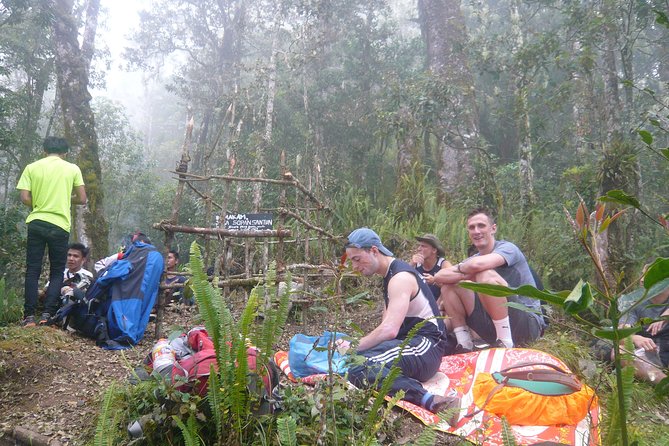
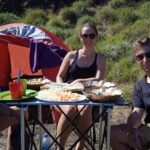
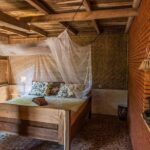
By the time you reach the camping ground, you’re in Mount Rinjani National Park territory and you’ll spend the night in a tent. The key value here is that camping equipment is included, along with dinner and the logistics managed by your guide and porters.
This matters more than people expect. On a 2D1N schedule, your body needs enough recovery to make the sunrise climb on Day 2. If you’re carrying your own gear and dealing with setup, the climb becomes more exhausting than it needs to be. Here, you’re paying for a smoother system.
The itinerary also clearly builds pacing. Day 1 ends at the campsite rather than trying to push you all the way to a high point. That’s a big reason this works for short schedules: you earn the morning with rest, not by sprinting.
One small note from the overall style of feedback: people strongly connect comfort with the team’s care. Guides and porters are repeatedly praised for taking good care of participants, and for keeping things running smoothly even when the hike is physically challenging.
The 04:00 sunrise push to Mt Sangkareang
Day 2 starts early. You’ll have coffee or tea and a light snack around 04:00, then begin the trek to the second summit (Mt Sangkareang). The time estimate is about 2 hours from the campsite to the summit point where you’ll watch sunrise.
This portion is where your legs will feel it most. Even though the trek to the summit is “only” about two hours, it’s happening at elevation, and you’re climbing during low-light hours. Think headlamp or early-dawn gear if you bring your own, and plan to move steadily rather than fast.
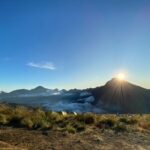
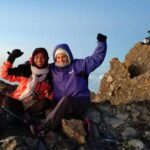
Once you reach the summit area, you’ll enjoy sunrise, take photos, and drink hot tea/coffee with biscuits. That warm drink moment is more than a perk—it’s a practical reset after cold mountain air and steady climbing.
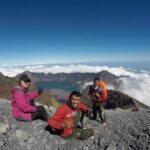
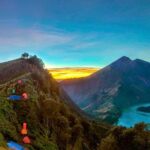
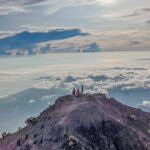
And yes, this is the big view moment. The plan specifically calls out enjoying a magnificent panorama from the second summit and then taking time to enjoy Segara Anak and the surrounding volcano scenery.
The view payoff: Segara Anak, Baby Volcano, and Bali in the distance
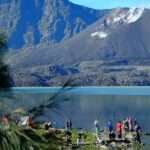
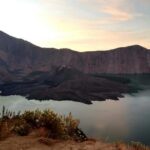
The reason people do this trek is the view stack. From the top of Mount Sangkareang, the itinerary highlights:
- Segara Anak Lake inside the crater
- Baby Volcano
- Mount Agung in Bali (on the horizon when visibility is good)
- Sumbawa islands in the wider panorama
In the tour overview, you’ll also see mention of a sunset backdrop over Bali and the Gili islands. The itinerary you follow here is sunrise-centered, so Day 2 is your main “sky show.” Still, it helps to know that the bigger story of this hike is horizon views that stretch across Lombok’s neighbor islands.
If you’ve climbed before, you’ll recognize the pattern: the last bit to the top feels like it takes forever, and then the world opens up. This trek is intentionally short enough that you’ll feel that payoff quickly, without needing a multi-day summit campaign.

Coming down: Posts, jungle trails, and Tetebatu Village
After sunrise and the summit time, you return to the campsite for rest and breakfast. Then you begin the descent.
The plan includes a climb down for about 1.5 hours back to Post 3, with a rest stop there. After that, the descent continues roughly 5 hours on a remote trail through jungle back toward Tetebatu Village. This is often where people feel tired most, but it’s also where the forest scenery can help your mood.
After lunch at Post 1, the itinerary notes a gentle descent for about 1 hour through Tetebatu Village. Then the trek ends back at Tetebatu, and you’ll be taken back to your hotel in Tetebatu.
This end-of-trek structure is smart. You’re not ending with a chaotic sprint. You get breaks and a controlled finish, which helps if you have limited vacation time.
Price and value at $195: what you’re really paying for
At $195, the value comes from what’s included, not just the price tag. Your package covers:
- Guide and porter support
- Camping equipment
- Trekking entrance ticket
- Transport pick up and drop off
- Meals: dinner, plus breakfast twice and lunch twice
That “everything handled” setup is a big part of why short hikes like this can feel worth the cost. You’re paying for fewer decisions and less physical load from carrying gear or organizing logistics.
What’s not included is tipping for the guide and porter, plus personal expenses. Tipping isn’t a dealbreaker, but it is a budget item you should expect.
Also, people often mention the route can feel quieter and cleaner than you’d expect on Rinjani-related climbs. One review specifically points to a south route that had fewer other tourists around that time, which can translate into a more relaxed hiking vibe. Even without chasing that, the included structure already makes the trek feel organized.
Guides and porters: the difference between tough and rewarding
A mountaintop sunrise is the headline. But what makes this trek feel good day-to-day is how the guide and porters manage the pace, comfort, and communication.
Names that come up in feedback include Yan, Jalal, Choup, Ferry, and guide Egol. Porters mentioned include Aziz and Ahim, and there’s also a Kiki taxi/driver referenced for welcoming transport support. The common theme is solid care and clear communication, with English ability mentioned in multiple notes.
In practical terms, that means you’re more likely to:
- get help with the pace when you start feeling altitude strain
- have food and water timing handled without last-minute scrambling
- feel safe in the forest sections where trekking can get repetitive
Even if you’re confident physically, having an experienced team reduces friction. Less friction means more energy for the view.
Who should book this trek, and who should rethink it
This Mount Sangkareang trek fits best if you want a meaningful Rinjani-area experience in a short window. It’s described as suitable for beginners and people with moderate physical fitness. The itinerary is paced with breaks, an overnight camp, and a controlled descent.
You should consider a different option if:
- you’re not comfortable with an early 04:00 start
- you struggle with sustained uphill walking at altitude (even on a gentler route)
- you’re expecting a low-effort hike rather than a real trekking day
On the upside, because you’re not spending multiple days on approach, you can bring fewer vacation hours to the project and still get a summit sunrise moment.
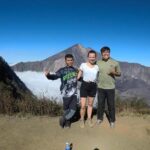
If you’re traveling as a pair or small group, the tour being private is a plus. You won’t be sharing the hike with strangers, which can make the whole experience feel calmer.
Should you book Mount Sangkareang Trekking 2D1N from Tetebatu?
Book it if you want a short, organized climb with included camping gear, meal support, and a sunrise viewpoint that includes Segara Anak and wide-horizon views (Bali’s Mount Agung is called out when skies cooperate). The shaded forest route is also a real advantage in the tropics, and the itinerary is built to prevent your “second day legs” from being a total disaster.
Skip it or reconsider if you’re sensitive to early wake-ups and you’re not ready for a genuine climb to 3,200m, even with a gentler route. Also remember that weather matters here—clouds and visibility can change what you see from the top.
If you’re the type who enjoys practical plans, honest effort, and a real summit payoff in two days, this is a strong fit.
FAQ
How long is the Mount Sangkareang Trekking 2D1N?
It’s listed as a 2-day trek (2D1N) in total, with Day 1 spent moving from Tetebatu toward the national park campsite and Day 2 focused on the sunrise summit and the descent back to Tetebatu.
What time do we start trekking on Day 2?
Day 2 includes coffee or tea and a light snack around 04:00, followed by the trek to the second summit (Mt Sangkareang).
How high is the summit for this trek?
The second summit target is about 3,200 meters above sea level (Mount Sangkareang / Rinjani second summit).
What’s included in the $195 price?
Dinner, breakfast twice, lunch twice, a guide and porter team, camping equipment, trekking entrance ticket, and transport pick up and drop off are included.
Where does the trek start and end?
It starts at Jonny’s Places in Tetebatu and ends back at the same meeting point area, with return to your hotel in Tetebatu after the trek finishes.
What if weather is bad?
The trek requires good weather. If it’s canceled due to poor weather, you’ll be offered a different date or a full refund.