REVIEW · LOMBOK
Mount Rinjani 2D 1N trekking to summit
Book on Viator →Operated by lombok trekking info · Bookable on Viator
Sunrise on Rinjani happens fast and hard. This 2D1N trek packs the hike from Sembalun to the summit into a tight schedule. I love the English-speaking guides (I’ve seen names like Nas and Surya tied to excellent service) and how the porters handle the heavy lifting so you can focus on the trail. One big consideration: you’re not getting a refund if plans change, and you’ll also need to budget for the park entrance fee and bring key items that aren’t included.
Day 1 starts with a 7:00am pickup from Senaru or Sembalun, then you register at the Rinjani National Park office in Sembalun village. From there, you hike up toward the Sembalun Crater Rim, reach your camping area, and settle in for the night while the day’s heat fades fast.
Day 2 means a 2:00am wake-up, a light breakfast, and a steep push for summit views before sunrise. The comfort wins are practical: the trek includes tents, sleeping gear, and even gloves and trekking poles, plus a steady supply of meals, snacks, and mineral water.
In This Review
- Key things to know before you go
- Why this 2D1N Rinjani summit plan works
- Getting to Sembalun: pickup, registration, and park fees
- Day 1: Sembalun trail to the crater rim camp
- Day 2: summit push at 2:00am for sunrise views
- Meals, water, and camp comfort (the stuff you’ll actually notice)
- Guides and porters: why the team matters on summit days
- What you need to bring (because some essentials aren’t included)
- Price and value: how $160 stacks up with fees
- Who this trek fits best
- Should you book Mount Rinjani 2D1N summit trek?
- FAQ
- How long is the Mount Rinjani 2D 1N summit trek?
- Where do you start and end the trek?
- What time is pickup?
- When do you start trekking on Day 1?
- When do you wake up on Day 2?
- What meals and drinks are included?
- What camping and sleep gear is provided?
- Is the national park entrance fee included?
- Do I need a headlamp?
- What is the cancellation policy?
Key things to know before you go
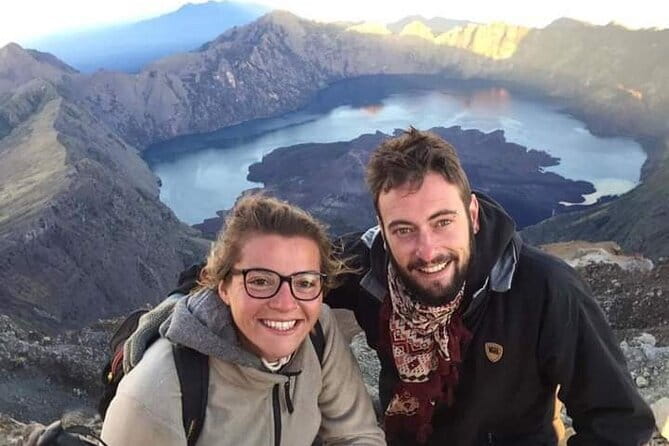
- Sunrise timing drives the whole schedule: a 2:00am wake-up and a summit-before-sunrise goal.
- Small groups: up to 10 people, which usually keeps the pace and communication calmer.
- Camp setup is included: tents, sleeping bags, mattress, and a toilet tent so you’re not scrambling at night.
- Food is real meal energy: fried chicken lunch, chicken curry dinner, and a breakfast that doesn’t skimp.
- Guides and porters can make or break the experience: you’ll be with an English-speaking team, plus porters for support.
- Entrance fees and gear gaps are on you: national park entry is not included, and headlamps and trekking shoes are not provided.
Why this 2D1N Rinjani summit plan works
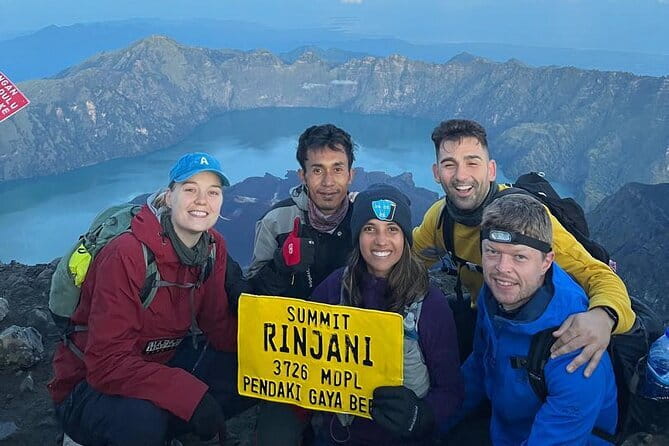
A two-day Mount Rinjani summit trek is basically a high-intensity sprint through some of the mountain’s most dramatic moments. You trade extra sightseeing on the island for one thing: getting up to the summit zone early enough for sunrise. If you like your plans clear, your mornings early, and your effort rewarded with payoff, this format fits well.
The value here is not just “you climb.” It’s that the trek is structured around the most time-critical part of Rinjani: the summit window before daylight. You’ll start hiking on Day 1 in the morning, camp at the crater rim, then shift into a pre-dawn summit push on Day 2.
You also get a support system baked into the price. Guides are experienced and English-speaking, and porters carry food and cooking gear, plus they help set up camp. That means you’re not just buying a route. You’re buying time and stress reduction.
You can also read our reviews of more tours and experiences in Lombok.
Getting to Sembalun: pickup, registration, and park fees
You meet the team with a 7:00am pickup from Senaru or Sembalun. This matters because timing on Rinjani is tight; you don’t want to arrive late and lose hours before the trail even starts.
After pickup, you transfer to Sembalun village for registration at the Rinjani National Park office. Registration is part of the on-the-ground reality of trekking here. It’s not just paperwork. It’s what starts the official trail day.
Budget for the park entrance fee. It’s listed as IDR 250,000 per day per person, totaling IDR 500,000 per person for the 2-day itinerary. This fee is not included in the tour price.
One more planning note: access and admission rules can affect what’s possible on certain days. One booking story I saw included a last-minute change because of park capacity limits tied to new rules. I can’t predict your day, but it’s smart to keep a bit of flexibility in your broader Lombok schedule and have realistic expectations about what’s available at the last moment.
Day 1: Sembalun trail to the crater rim camp
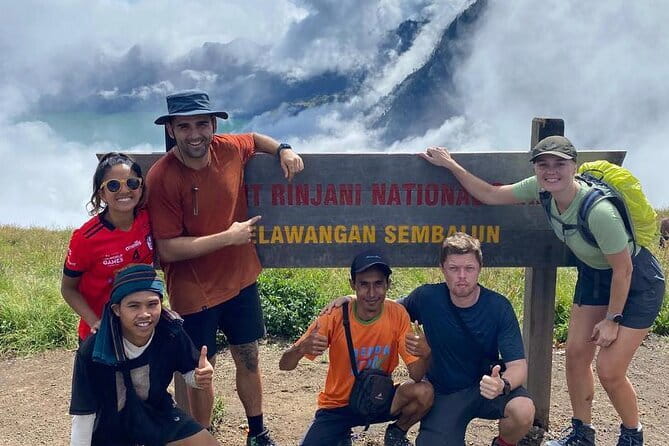
Day 1 begins trekking around 8:00am to 8:30am, after registration. You’ll hike through multiple posts along the way. Think of these as the rhythm of the trek: check-ins, slow-and-steady progress, and short breaks that keep you from burning out too early.
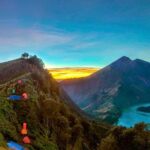
The target for Day 1 is the Sembalun Crater Rim, where you camp overnight. This is the “reset point” of the trip. You’re not at sea level anymore, and nights can feel cool once you stop moving. You’ll want to be ready for that temperature swing.
The itinerary is designed so you sleep before the big summit attempt. That’s a big deal. If you show up tired and stiff, Day 2 will feel twice as hard. So treat Day 1 as your warm-up, not a personal speed challenge.
Day 2: summit push at 2:00am for sunrise views
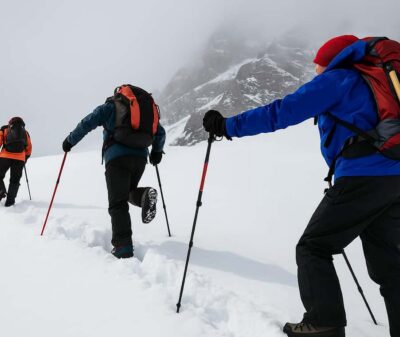
On Day 2, you wake around 2:00am. You’ll have a light breakfast, then start the ascent for the summit with the goal of arriving before sunrise. This is where the trek earns its reputation.
Pre-dawn trekking has two things going on at once:
- You’re hiking in darkness or low light for part of the climb.
- Your body is operating on low sleep.
So plan your energy like you’re running a race, not taking a stroll. Take the pace your guide sets. Save your effort for the section that feels hardest. That’s usually late in the climb, when breath turns into work.
Also, there can be a more intense stretch near the top—one person described the late ridge-like segment as spicy, meaning steep, tricky, and not the place to rush. If that sounds like you, just slow down and focus on foot placement.
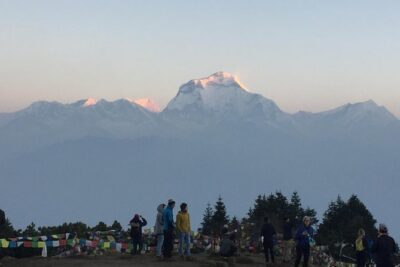
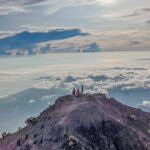
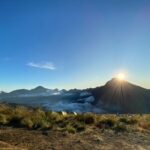
When you reach the summit before sunrise, the experience shifts fast. You go from effort to awe. The early light and mountain views are the reward you’ve been grinding toward.
After sunrise, you descend back to Sembalun Village following the ascent route. Descents can feel rough on your legs, even if the climb was the hardest part. Take care with your knees and go steady.
Meals, water, and camp comfort (the stuff you’ll actually notice)
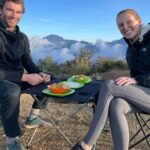
Food on a trek is not a side detail. It’s fuel, morale, and survival. This trip includes meals and water daily, plus snacks.
Here’s what’s provided:
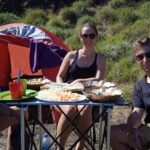
- Lunch: fried chicken special with fried potatoes, fried vegetables, fried egg, and steam rice
- Dinner: chicken curry with egg, vegetable, and rice
- Breakfast: cheese toast and banana pancake
- Coffee and/or tea
- Energy-rich snacks
- 3 litre mineral water per day per person
Camp comfort is also handled. You get:
- Tent, plus toilet tent and paper
- Sleeping bag, mattress, and pillow
That combo matters more than you’d think. When you’re exhausted, the difference between rough sleep and halfway-decent sleep turns into the difference between a calm summit push and a miserable one.
Portions are also described as generous, with porters carrying the load uphill so you don’t have to. That’s a big part of why many people end up rating this trek higher than they expected.
Guides and porters: why the team matters on summit days
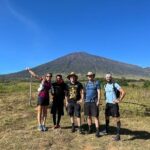
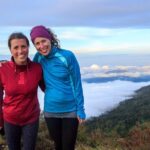
On this trek, your guide is your safety brain and your pacing partner. You’ll be with a team that’s described as friendly, experienced, and English-speaking. Names that show up in guides’ credits include Nas and Surya, and also Anci and Reno. While I can’t guarantee which guide you’ll get, the consistent point is how people describe the vibe: kind, funny, and attentive.
The porters are equally important. Their job isn’t just carrying bags. They handle cooking and camp logistics so you can keep moving. In multiple accounts, the porters went the extra mile—taking care of setup and carrying items like tents—so hikers could focus on the trek itself.
One small-but-smart detail I like: there’s an emphasis on ecology awareness, including picking up rubbish along the way. That kind of behavior is the difference between treating a trail as a disposable place and respecting it like a shared route.
What you need to bring (because some essentials aren’t included)
This tour includes gloves and trekking poles, and it gives you plenty of food and water. But a few crucial items are missing.
Not included:
- Trekking shoes
- Rain jacket
- Long pants
- Head lamp/hand torch
- Tips for guide and porters
So come prepared for pre-dawn. A headlamp is the kind of item you don’t want to improvise. It also helps for camp and for moving around safely in the early dark.
Bring long pants even if you’re sweating on the ascent. Nights and early mornings can feel colder than you expect at altitude. Rain gear is also a good idea because weather can shift fast on mountains.
Also remember that tips for the guide and porters are not included. If you found the team great, it’s normal to tip for the extra care.
Price and value: how $160 stacks up with fees
The listed price is $160 per person. For a two-day summit attempt, that’s a mid-range deal because you’re getting more than just a route: you’re getting hotel pickup, English-speaking guidance, meals, mineral water, and a full camp setup.
Where the price doesn’t cover everything is where you should do the quick math:
- Park entrance fee: IDR 500,000 per person for the 2 days
- Your own trekking shoes, long pants, rain jacket
- Headlamp
- Tips
Even with those extras, this still can be good value if you want a guided, supported climb rather than a bare-bones DIY plan. The biggest reason: you’re not lugging camp gear or cooking supplies yourself, and you’re not guessing your way through the logistics of the route.
Also, group size is capped at 10 travelers, and the tour notes group discounts. If you can travel with friends or find a departure with a small group, you may feel more personal attention and a smoother schedule.
Who this trek fits best
This is aimed at people with moderate physical fitness. “Moderate” doesn’t mean easy. It means you can handle a challenging ascent with early starts and limited recovery time between days.
You’ll like this trek if you:
- Want the summit and sunrise focus without adding extra trekking days
- Prefer a guided plan with meals and camp support included
- Enjoy meeting a small group and moving in a structured way
- Want the help of porters rather than managing everything solo
You might want a different option if you:
- Hate very early mornings or you’re sensitive to sleep loss
- Don’t have the gear listed as not included (especially headlamp and trekking shoes)
- Need a flexible plan, since changes and cancellations are handled as non-refundable
Should you book Mount Rinjani 2D1N summit trek?
I’d book it if your priority is a true summit experience in a short time window. The recipe here is straightforward: Sembalun start, crater rim camp, pre-dawn summit push, sunrise payoff, then descent. You get the team support, camp comfort, and food that keeps your energy stable.
I’d think twice if you’re tight on budget after extras, or if you’re not ready for the early start reality. Also, because there can be capacity or access constraints tied to park rules, it’s smart to avoid locking yourself into a schedule where you’ll be crushed if plans change last minute.
If you’re choosing this trek, pack smart, listen to your guide, and don’t try to “win” the hike. Your reward is already timed for sunrise. Your job is to arrive.
FAQ
How long is the Mount Rinjani 2D 1N summit trek?
The trek runs for about 2 days, with one overnight stay.
Where do you start and end the trek?
The trek starts in Sembalun Village and ends back at Sembalun Village. Pickup and drop-off are arranged for hotels in Senaru or Sembalun.
What time is pickup?
Pickup starts at 7:00am.
When do you start trekking on Day 1?
Trekking begins around 8:00am to 8:30am after registration.
When do you wake up on Day 2?
You wake up around 2:00am and have a light breakfast before starting the summit ascent.
What meals and drinks are included?
Lunch, dinner, and breakfast are included, along with energy-rich snacks and coffee and/or tea. You also receive food and drinking water, including 3 litre mineral water per day per person.
What camping and sleep gear is provided?
You get a tent, toilet tent and paper, sleeping bags, a mattress, and a pillow.
Is the national park entrance fee included?
No. The fee is listed as IDR 250,000 per day per person, for a total of IDR 500,000 per person for the 2 days.
Do I need a headlamp?
Yes. A head lamp/hand torch is not included.
What is the cancellation policy?
This experience is non-refundable and cannot be changed for any reason. If you cancel or ask for an amendment, the amount paid is not refunded.