REVIEW · PARO
8 Days Bhutan Cultural Tour with 2-Day Bumdrak Trek
Book on Viator →Operated by Bhutan Acorn Tours and Travel · Bookable on Viator
Trekking to a sacred cliff beats most sightseeing.
This 8-day western Bhutan tour mixes culture, rural villages, and nature hikes, with two standout days built around Bumdrak high-meadow camping and craft-focused Bhutan culture. I like how the trip balances big monuments (dzongs and monasteries) with hands-on daily life stuff you can actually see.
One thing to plan for: this route includes steep hiking and high altitude (your night at 3,860m camping), so it is not a sit-and-smile tour.
If you want Bhutan with fewer tourist bubbles and more walking, prayer flags, and village meals, this is a strong fit.
In This Review
- Key things to know before you go
- Paro arrival: museums, Thimphu fixes, and your first taste of Bhutan
- Thimphu Day: Tango Monastery hike and the crafts that keep Bhutan running
- Dochula Pass to Punakha: dzongs, paddy-field temples, and a real homestay
- Phobjikha Valley and Gangtey Monastery: cranes in season and a calmer rhythm
- Back to Paro: nature trail walking and Kyichu Lhakhang’s old-school spiritual vibe
- Bumdrak trek Day 1: Paro Sangchoekhor to prayer-flag campsite at 3,860m
- Bumdrak trek Day 2: steep descent, Ugyen Tsemo views, then Taktsang
- Value check: what $2,740 buys you in Bhutan reality
- Who should pick this tour (and who might regret it)
- Should you book it?
- FAQ
- Where does this tour start and finish?
- How long is the tour?
- What is the highest altitude on this trip?
- Do I get camping, or is everything in hotels?
- How hard is the Bumdrak part?
- Are meals included?
- Is pickup offered?
- Is the e-visa included?
- Are temple and monastery entry fees included?
- Do you offer discounts for students and is there an age rule?
Key things to know before you go
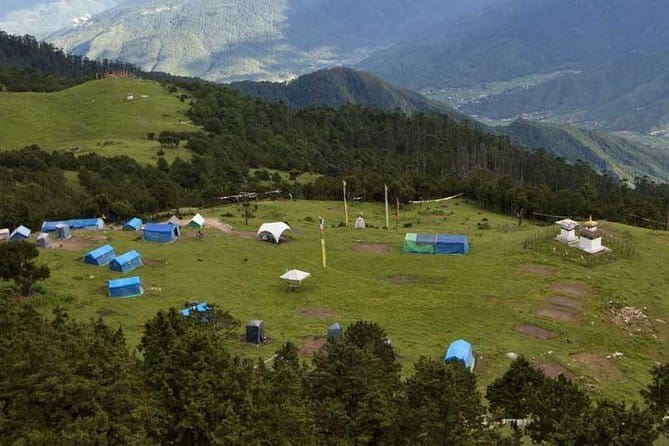
- Bumdrak camping at 3,860m with prayer flags and chortens makes the trek feel like more than a hike.
- You get a full cultural arc: Paro museums → Thimphu arts → Punakha history → Phobjikha cranes → Paro monastery days.
- Expect real village meals at homestays, not just restaurant stops.
- Taktsang (Tiger’s Nest) is the showpiece return after the Bumdrak descent, but it’s still a proper walk.
- Group size is capped at 12, which keeps the pace friendlier for a shared tour.
Paro arrival: museums, Thimphu fixes, and your first taste of Bhutan
Your trip starts in Paro at Bhutan’s only international airport, with airport transfers handled for you. Day 1 is a smooth landing: you visit the National Museum of Bhutan in Paro Ta Dzong (an old watchtower-fortress built in 1649), then you drive to Thimphu, the capital.
I like the museum stop because it’s not just statues and vibes. The Ta Dzong museum preserves real everyday craft objects and traditional items—costumes, armour, weapons, and tools used in daily life. It’s a fast way to get your bearings on Bhutanese culture before you start layering in temples and dzongs.
In Thimphu, you’ll see the Buddha Dordenma statue (169 feet tall) and learn what it’s tied to: it was built for the 60th birth anniversary of the Fourth King and completed after about a decade of work. Then the day shifts to something practical and visual: a weaving centre where both men and women work on intricate Bhutanese textiles. This is the kind of stop that helps you understand why Bhutanese art is still tied to daily life, not just festivals.
If you catch a match, there’s also a pass-by at Changlimithang Archery Ground, where archery is not treated like casual sports. The archers signal with dancing and singing when they hit the target.
Day 1 watch-out: some admissions are not included (like the National Museum entry), so you’ll want cashless flexibility. Also, you start on a travel day, so keep energy for the next few active days.
You can also read our reviews of more tours and experiences in Paro.
Thimphu Day: Tango Monastery hike and the crafts that keep Bhutan running
Day 2 takes you north of Thimphu for the Tango Monastery hike. This is one of the easier trekking days in the itinerary: the trail is mostly paved, and the uphill is described as gentler than other routes. The walk is roughly a 2–3 hour return (about 1.5 hours uphill), around 14 km from central Thimphu.
Why I like this hike: you’re moving through forests and seeing Bhutanese sacred sites without the brutal grind of a high-altitude trek. You also get a monastery founded in 1222 by Phajo Drugom Zhigpo, linked to the Drukpa Kagyu school.
After lunch, the schedule stays in the “learn how things are made” lane with stops focused on Bhutanese traditions:
- The National Institute for Zorig Chusum (13 Traditional Arts & Crafts), set up to preserve and teach skills that are declining with modern life.
- The National Library and Archives of Bhutan, created in 1967 to preserve manuscripts, xylographs, and wooden printing blocks tied to religious and cultural texts.
This day helps you connect the dots: Bhutan’s culture isn’t only costumes and monasteries. It’s also crafts, writing, and teaching systems that keep knowledge alive.
Consideration: the Bhutanese pace here is thoughtful but packed. If you’re sensitive to long days in vehicles, take it easy with snacks and water.
Dochula Pass to Punakha: dzongs, paddy-field temples, and a real homestay
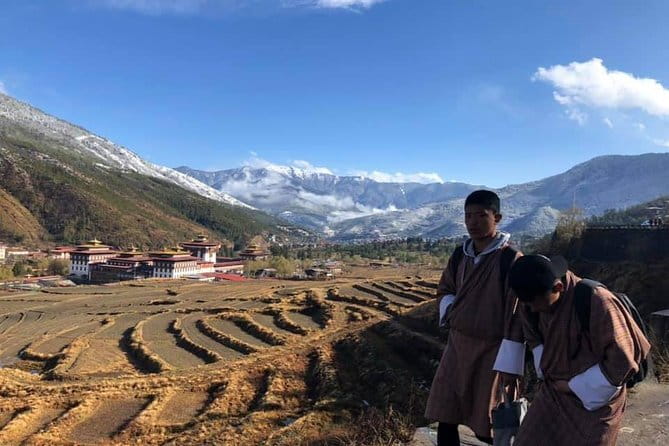
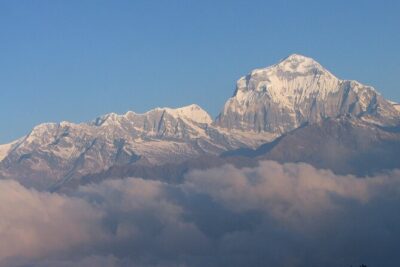
Day 3 is classic Bhutan road-trip scenery plus solid historic stops. You drive from Thimphu to Punakha via Dochu La Pass at about 3,150m. On a clear day, this pass gives views of some of Bhutan’s highest peaks. The pass is also known for the 108 Druk Wangyal Chortens installed in 2004.
Then you head to Chimi Lhakhang, reached by a 20–30 minute walk through terraced paddy fields and farmhouses. This temple is associated with 16th-century Lama Drukpa Kunley, often described with the nickname Divine Madman, and linked to using a phallus as a tool in spiritual cleansing stories. Even if you don’t know the full background, it’s a memorable example of Bhutanese folk-meets-Buddhist practice.
Next comes Punakha Dzong, a 17th-century fortress built in 1637 at the land where the rivers Phochu and Mochu meet. Dzongs are one of the quickest ways to understand how Bhutan mixes protection, governance, religion, and architecture in one place. You’ll see the famous wall paintings and woodwork that represent Bhutanese craftsmanship.
After lunch and dzong time, you walk to Punakha Suspension Bridge, described as the longest in Bhutan, over the Phochu River.
The day ends with a homestay: Namgay Zam Homestay in Yusakha. I really like this part because it’s not just a bed. You can join in cooking Bhutanese dishes, and there’s mention of a traditional hot stone bath that’s believed to be therapeutic. If that homestay isn’t available, the backup is Meri Puensum Resort.
One practical note: homestays are simpler than hotels. Keep your expectations grounded and focus on the meal, the conversation, and the sense of daily life.
Phobjikha Valley and Gangtey Monastery: cranes in season and a calmer rhythm
Day 4 pushes into Phobjikha Valley, a U-shaped glacial valley around 3,000m. This area matters in Bhutan for wildlife: it’s the winter home for the endangered Black-necked Crane from November to March, and locals mark their arrival with a festival on the 11th of November.
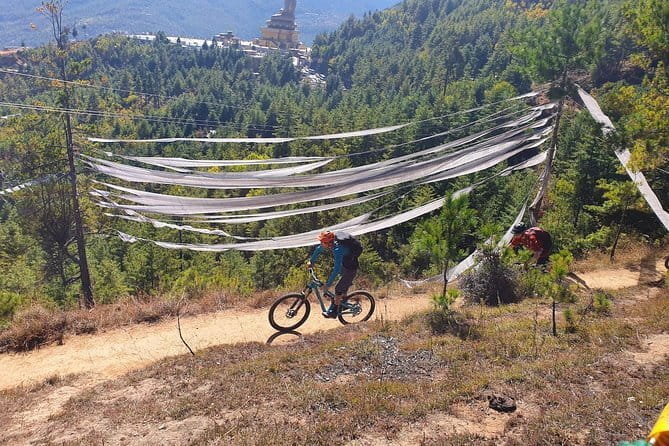
Before you settle in, you hike to Khamsum Yulley Namgyel Chorten on a ridge. The round trip hike is about 2.5 hours, and the view includes the Punakha valley and the Mochu River winding below. The chorten was built under the Queen Mother Ashi Tshering Yangdon Wangchuck and consecrated in 1999.
Then you visit Gangtey Monastery (Gangtey Gonpa), founded in 1613. It’s described as one of Bhutan’s larger monasteries, and it includes a monastic college where monks study Buddhist philosophy for nine years. If you travel in autumn, this is also associated with the Gangtey Tshechu festival with mask dances.
Consideration: wildlife and festivals depend on timing. Even without a festival, the valley is still a slower, more spacious day.
Back to Paro: nature trail walking and Kyichu Lhakhang’s old-school spiritual vibe
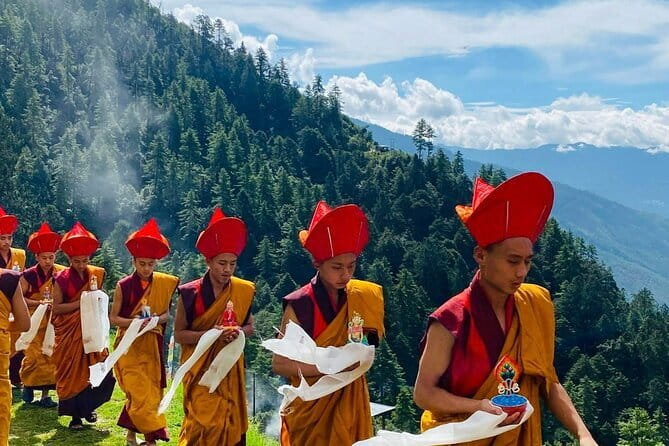
Day 5 moves back toward Paro and mixes a shorter nature hike with a classic old monastery.
You start with the Gangtey Nature Trail: about 5 km and around 3 hours through woods, meadows, village houses, farm fields, and streams. This hike is a nice contrast to the big temple days—you feel the working countryside and how people live with the land.
After lunch and travel back to Paro, you visit Kyichu Lhakhang, described as one of the oldest monasteries in Bhutan, believed to have been built in 659 A.D. by King Songtsen Gampo in a wider plan of 108 temples across the Himalayan region to subdue a demoness believed to block Buddhism’s spread. It’s one of those sites where history feels layered, even if your visit is short.
Practical note: you’ll likely be tired from driving and the nature walk. Use the Paro evening to rest and prep for the trek starting Day 6.
Bumdrak trek Day 1: Paro Sangchoekhor to prayer-flag campsite at 3,860m
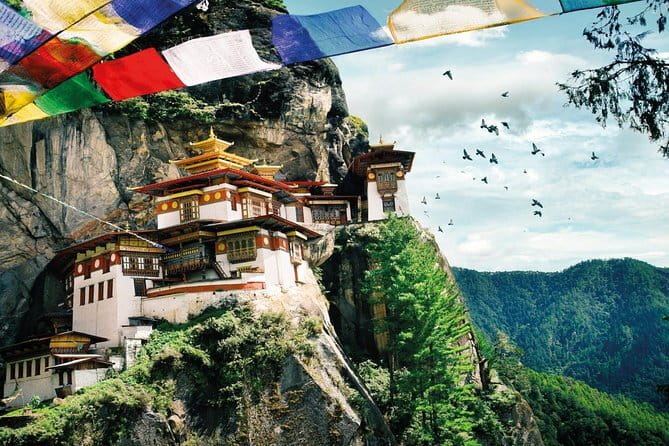
Day 6 is where the trip turns from sightseeing into a hike-with-spiritual-meaning day.
You start after early breakfast with a drive of about 30 minutes to Paro Sangchoekhor Buddhist College, on a hilltop overlooking Paro valley. If you want blessings, you can visit the monastery first. Then you begin a gradual climb through fir and pine forests, with wildflowers in April noted as a great time for trekking (rhododendron flowers along the way).
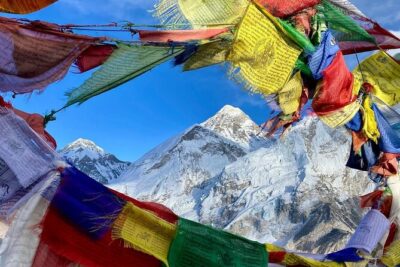
Around 2 hours 30 minutes into the climb, you reach a cleared spot where colourful prayer flags are hoisted and you stop for packed lunch. Then you continue until you reach the campsite.
Your overnight is full-service camping on the Bumdrak mountain meadow at about 3,860m, with chortens and prayer flags around you. This night is a major reason the trek works as a cultural experience, not just a fitness challenge.
After camping, there’s a visit to Bumdrak Monastery (Bumdrak Temple). It’s perched near the campsite on a cliff, with a sacred cave said to have been blessed by 100,000 dakinis in the 8th century during Guru Padmasambhava’s life. If you still have energy, you can climb further up for about 45 minutes to the summit for panoramic views.
Consideration: altitude affects people differently. Even if you’re fit, take the pace slowly and plan on breathing harder.
Bumdrak trek Day 2: steep descent, Ugyen Tsemo views, then Taktsang
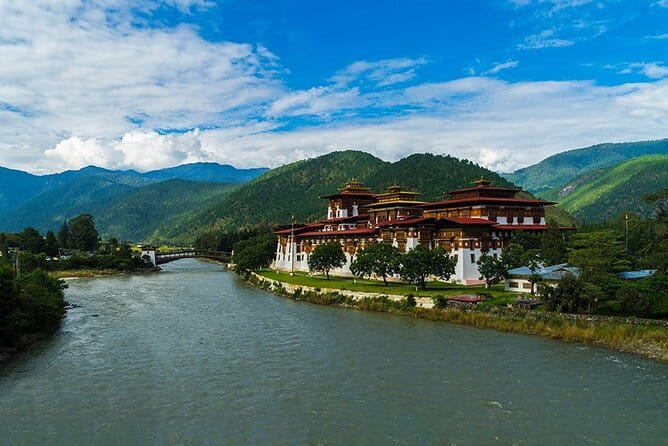
Day 7 begins early if you want it to. You can watch for sunrise on a clear morning, and there’s a chance to spot an endangered bird called the Himalayan Monal Pheasant near the camping tents.
After breakfast, you hang around a bit, then start the main move: the return via Taktsang. The descent is described as steep, but you go at your own pace and also explore the flora along ancient trails used by monks and pilgrims. That line matters: you’re not just going down a switchback. You’re walking routes that have served religious travelers for a long time.
As you descend for less than 2 hours, the view opens up toward Yoeselgang Monastery and then you hike to Ugyen Tsemo (15th century). From there, additional hiking brings you to Zangdogpelri, described as Guru Padmasambhava’s abode, and it gives you a top-down view of Taktsang.
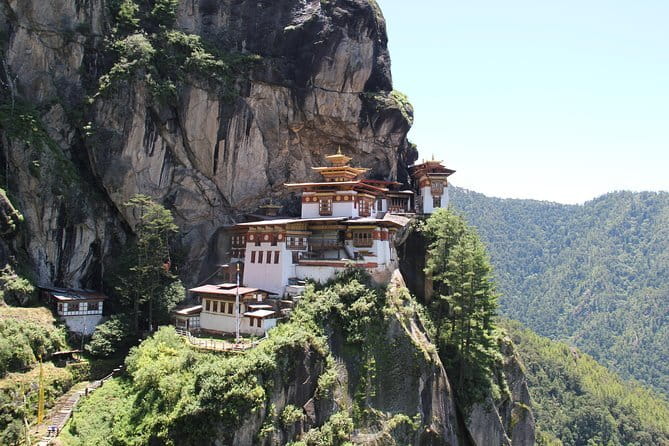
Then you reach Paro Taktsang (Tiger’s Nest), Bhutan’s most recognized monastery site, perched on an 800-meter rock cliff. The hike from the base is normally 4–5 hours round trip. Your scheduled time is shorter, but the key point stays the same: it’s a serious walk and not a quick photo stop.
The day doesn’t end with temples. Late afternoon brings you to Sonam’s Homestay, where you can eat authentic home-cooked local cuisines. There’s also an option to do the hot stone bath again (extra fee per person), plus a chance to try ara, Bhutan’s locally brewed liquor.
Watch-out: after a steep descent, your legs may feel heavy for Taktsang. Start the day early, take breaks, and choose a slow, steady rhythm.
Value check: what $2,740 buys you in Bhutan reality
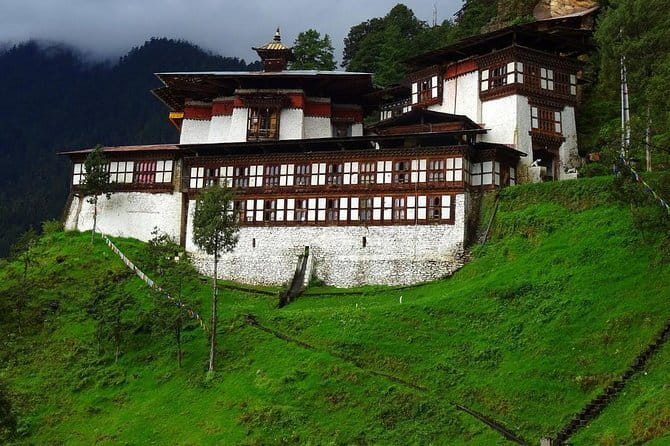
At $2,740 per person, you’re paying for a lot more than “a route with a driver.” Here’s what’s actually bundled:
- All meals and light snacks for the trip
- 6 nights in twin-sharing 3-star hotels
- 1 night of full-service camping on the mountain meadow at 3,860m
- An experienced English-speaking licensed guide
- All ground transportation, including round trip airport transfers
- A trekking permit and National Museum entry fee
- Medical treatment at a hospital in Bhutan if you sustain injuries
On top of that, the tour includes the e-visa fee and processing (e-Visa within 4–5 business days), plus internal taxes for the listed services.
What is not included: international flights, travel insurance (highly recommended), tips, laundry, alcohol, and several site entry fees beyond the National Museum. If you want to estimate total trip cost, you’ll want to budget entry fees for the spots where admissions are marked as not included—especially on the Taktsang day.
My take on value: this price starts to make sense because it covers food, permits, guide time, transport, and a real camping night at a high-altitude trekking location. If you try to recreate that on your own, it usually gets expensive fast—especially with Bhutan’s licensing and permit structure.
Who should pick this tour (and who might regret it)
This works best if you like:
- Cultural stops you can explain later, like dzongs, monasteries, and arts-and-crafts institutions
- A few bigger hikes, including two days tied to Bumdrak
- Village-style meals and homestays, not just hotel routines
It may be less ideal if you:
- Want easy walking every day
- Are uncomfortable with steep downhill terrain and altitude around 3,860m
- Need a rigid schedule with no downtime, since some days include sightseeing plus travel plus hiking
If you’re a solo traveler, it can also be a good structure because group size is capped at 12 and the guide handles logistics. If you have special customization needs, the trip can be arranged on a private basis for groups.
Should you book it?
I’d book this tour if you want western Bhutan with two real “anchor moments”: the Bumdrak trek night at altitude and the Taktsang return after a full descent day. You also get a practical cultural chain from Paro to Thimphu to Punakha to Phobjikha, with homestay life built in.
I would hesitate only if steep hiking is a deal-breaker for you or if altitude makes you nervous. In that case, you’d likely be happier with a less trekking-heavy Bhutan plan.
FAQ
Where does this tour start and finish?
The tour starts at Paro Airport (Paro Bhutan) and finishes with a transfer to Paro International Airport for your onward journey.
How long is the tour?
It’s an 8-day tour, with the itinerary running across Paro, Thimphu, Punakha, Phobjikha Valley, and back to Paro.
What is the highest altitude on this trip?
You’ll camp on a mountain meadow at about 3,860m on the Bumdrak trek.
Do I get camping, or is everything in hotels?
You get twin-sharing 3-star hotels for 6 nights, plus 1 night of full-service outdoor camping on the mountain meadow.
How hard is the Bumdrak part?
The trek includes a gradual climb on Day 6 to reach the campsite, then a return descent on Day 7 described as steep, with time for exploring along ancient trails and additional monastery visits.
Are meals included?
Yes. Breakfast, lunch, and dinner are included for the trip, along with light snacks.
Is pickup offered?
Yes. Pickup is offered, along with round trip airport transfers.
Is the e-visa included?
Yes. The tour includes visa fee & processing, and you receive your e-Visa within 4–5 business days.
Are temple and monastery entry fees included?
National Museum entry fee is included. Other entry fees are not included as listed on the itinerary.
Do you offer discounts for students and is there an age rule?
Youth ages 13–18 need to submit a copy of a valid Student Photo ID to keep the discounted price. Participants below 18 must be accompanied by at least one full-paying adult.