REVIEW · PARO
9 Days Druk-path Trek with Cultural sightseeing
Book on Viator →Operated by Bhutan Travel Club · Bookable on Viator
Nine days in Bhutan feels perfectly paced. This trip is a rare mix of Tigers Nest trekking days and real cultural time in Paro and Thimphu, with less sitting in the car than you might expect. I especially love that you get both big-name sights and quieter moments on the trails, plus the country’s traditions are woven into your schedule. The one drawback to plan for is the walking load: Day 7 includes about a 6-hour downhill finish, so you’ll want steady legs, not just good enthusiasm.
I also like the way the pacing works for altitude. You do a major hike early (Tigers Nest) before the longer trek days, and the itinerary uses gradual climbs and high passes (including a saddle at 4,040m and a pass at 4,180m) instead of sudden jumps. Add in the fact that trekking equipment and haulage are included, and it becomes a far more manageable way to experience Bhutan than doing everything on your own.
One more consideration: the tour is rated for moderate fitness, but you’re still hiking through forest, ridges, and high passes at altitude. If you’re prone to getting worn down on long days, you may want to take that 6-hour Day 7 stretch seriously and pack for cool mornings.
In This Review
- Key highlights you’ll actually feel on this trek
- Paro-to-Thimphu pacing: why this feels like a slow trek (not a checklist)
- Paro temples and dzongs: the cultural spine before the climbing begins
- Tigers Nest hike: acclimatization with gravity and meaning
- Druk-path ridge days: forests, passes, and camps near trout lakes
- Day 7 into Thimphu: the long downhill finish plus monastery stops
- Thimphu cultural sites: Buddha Dordenma and the museum-style learning stops
- Day 1 and Day 9: the travel days that don’t waste your trip
- The $2,800 price tag: what’s included, what you should budget for
- What you’ll need to handle: altitude, time on feet, and weather reality
- Who should book this Druk-path trek, and who should skip it
- Should you book the 9-day Druk-path trek with cultural sightseeing?
- FAQ
- How long is the trek?
- Where does the tour start and end?
- What’s included in the price?
- What is not included?
- What physical fitness level do I need?
- Is the tour private or shared?
- What trekking highlights should I expect?
- How are meals handled during the trek?
- What is the cancellation refund timeframe?
Key highlights you’ll actually feel on this trek
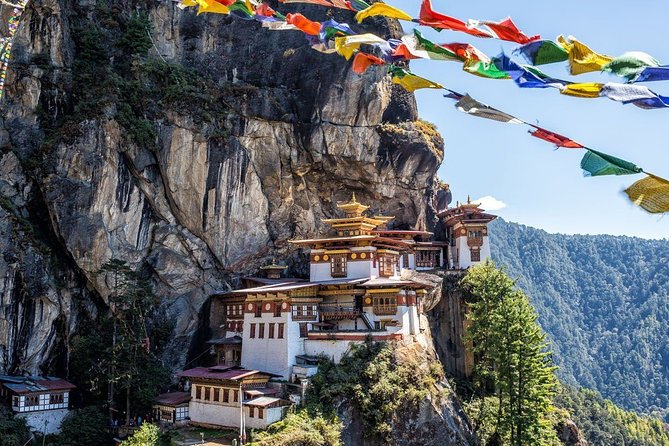
- Tigers Nest on Day 3: a 2-hour hike up to a cliff-hugging monastery, ideal for acclimatizing before trek days
- Paro’s dharma stops close together: Rinpung Dzong, Kyichu Lhakhang (8th century), and Dungtse Lhakhang
- Ridge hiking with real mountain breathing: saddle at 4,040m, then Jangchu La at 4,180m, plus camps near trout lakes
- Forest walking that stays pretty: blue pine and fir forests, with chances to spot yaks and yak herders
- Thimphu culture with landmarks you can photograph: Buddha Dordenma, Folk Heritage, textile sites, and the Crafts Bazaar
Paro-to-Thimphu pacing: why this feels like a slow trek (not a checklist)
The first thing you feel is the rhythm. The plan is built around maximum time at places rather than cramming drives between them. Inland transfers are handled with a new model SUV, which matters because Bhutan roads can be slow and because a smoother ride keeps you fresher for hikes.
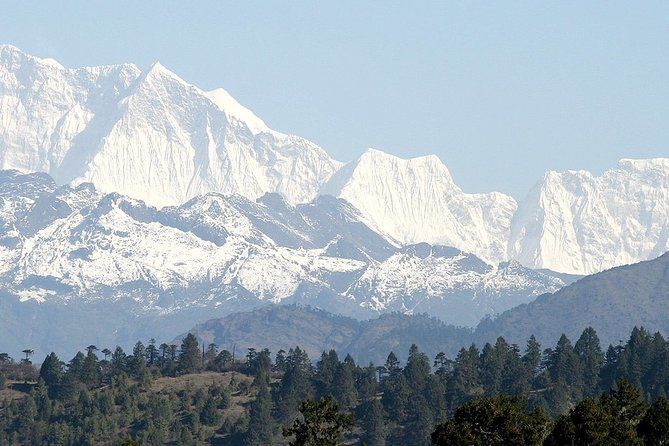
In Paro, you start with an easy landing and a gentle introduction to the valley. The flight approach is described as bringing you close to the great Himalayas, with views that can include Mt. Everest and Mt. Kanchenjunga, plus local peaks like Jomo lhari and Jichu drakey. That sets the tone: you’re not just arriving, you’re already looking at the mountains that shape the culture.
Then the itinerary eases you into the trekking rhythm. Day 2 is temple-heavy but not exhausting. Day 3 delivers the big hike. After that, the trek days are still demanding, but they’re paced across ridges and forested climbs rather than one punishing day piled onto another.
If you like trips where you can actually enjoy a place instead of racing through it, this schedule is designed for you.
You can also read our reviews of more tours and experiences in Paro.
Paro temples and dzongs: the cultural spine before the climbing begins
Paro isn’t only a starting point here. It’s the cultural warm-up.
On Day 2, you visit Paro Rinpung Dzong, sitting above the Paro river. Dzongs in Bhutan are more than buildings. They’re symbols of how spiritual and political life overlap. Nearby, you step into Kyichu Lhakhang, believed to be built in the 8th century. That age matters because it gives you context: Bhutan’s religious life isn’t a modern revival. It’s old, lived-in, and still active.
Dungtse Lhakhang comes next, and it’s a fun one because its form is different. It’s built like a chorten, and the trip notes that this style is rare in Bhutan. If you like architecture details and you enjoy looking up at what a building is shaped to mean, you’ll probably spend extra time here.
After the temples, you get a practical kind of cultural time: a relaxed stroll with handicrafts shops. Bhutanese craftsmanship is the real souvenir on this stop. You’ll see enough variety to understand why textiles, carvings, and religious objects carry so much importance.
For me, the best value of the Paro day is that the sightseeing doesn’t feel like it’s there just to tick boxes. It prepares your eyes for what you’ll see on the trail—stone, symbols, and the way faith shows up in daily life.
Tigers Nest hike: acclimatization with gravity and meaning
Day 3 is the highlight most people plan around, and it’s not just for the photos.
The hike to the Tiger’s Nest monastery is described as about a 2-hour climb, and the payoff is a temple clinging to a cliff roughly 1,000 feet above. The trip also notes that the setting is solemn and makes it a good place to slow down. That’s important because this isn’t a quick roadside stop. It’s a hike that changes your body rhythm before the longer trek days begin.
In altitude terms, this early big effort can help you adjust. You still need to be sensible—go steady, drink water, and don’t sprint for the top—but doing a major hike before the main trek is often a smarter plan than waiting until your first full trekking day.
Practical tip: wear shoes you trust. The last thing you want is to spend the day worrying about footing instead of enjoying the view and the quiet.
Druk-path ridge days: forests, passes, and camps near trout lakes
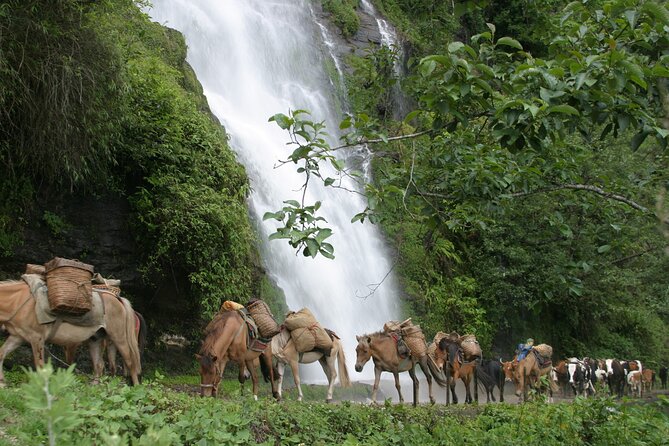
Once the trek starts, the experience becomes about terrain and atmosphere. You begin with a drive from the National Museum area toward Jili Dzong, then a short segment on a gravel road before climbing into blue pine and fir forests. From there, the trek begins with an initial climb of about 1.5 hours.
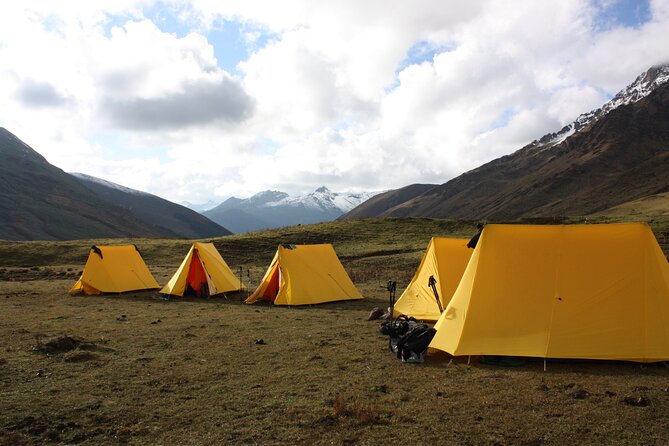
Day 4 is all about getting into the trek mood. The trail runs through thick alpine forest and dwarf rhododendron. You may see yaks and yak herders near the campsite. That small detail matters because it makes the trek feel tied to living places, not staged scenery. When your trekking crew is already set up for the evening, you can focus on walking and not on logistics.
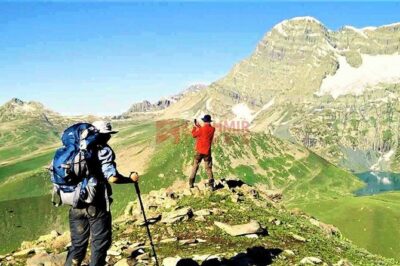
Day 5 ramps up in altitude and drama. You follow a ridge, reach a saddle at 4,040m, then descend a bit and continue toward Jangchu la pass at 4,180m. This day also brings lakes into the picture. You camp near Jimilang Tsho, described as a lake known for giant-sized trout. You also get mountain views, including Mt. Jichu drakey, which represents a protective deity of the Paro valley.
Day 6 continues the same feel: forest walking through dwarf rhododendron and past Janetso Lake. The itinerary also notes the chance to see yak herder camps. Your campsite is close to Simkotra Tsho Lake, keeping the trail tied to water and bird-and-cloud views rather than only to stone and altitude.
Why I like this part of the trip: the Druk-path doesn’t just throw you at a pass. It gives you multiple days where the pace is challenging but still scenic and varied—ridges one day, forests and lakes another.
Day 7 into Thimphu: the long downhill finish plus monastery stops
Day 7 is the day to mentally budget for effort.
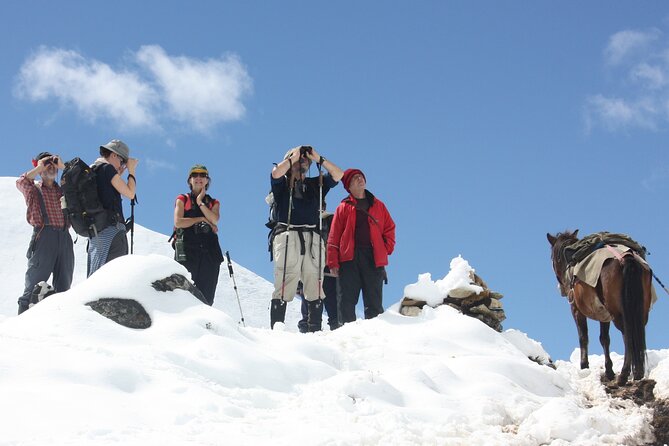
It begins with a gradual climb, and if weather permits you’re in for a standout view of Mt. Gangkar Puensum, described as the highest mountain in Bhutan, plus other Himalayan peaks. Then the trek turns downhill toward Phajoding monastery. After passing Phajoding, the walk to Thimphu (listed as Mothitang) is described as a long downhill through mostly blue pine forest, taking about 6 hours to reach the road point.
That 6-hour downhill is the part I’d highlight as the key consideration for fitness planning. Downhill can be as hard as uphill because your knees and ankles take the hit. The good news is that it’s structured. Once you reach the pickup point, you’re driven to your hotel for a relaxing night instead of continuing to hike in “one last push” style.
To complete the transition into the capital, you stop at Changangkha monastery on the way to your hotel. In the evening, you visit the Memorial Chorten stupa, then dinner at the Babesa village restaurant to enjoy authentic Bhutanese cuisines.
If you’re the kind of person who enjoys cultural landmarks at a calmer hour after a physical day, Day 7 is a satisfying combo.
Thimphu cultural sites: Buddha Dordenma and the museum-style learning stops
After trekking, Thimphu gives you an organized but not rushed cultural day.
You start by driving to Kuensel Phodrang, where the gigantic 169-ft statue of Buddha Dordenma stands. The trip notes a panoramic view of Thimphu from there, plus a short scenic hike through the park. That gives you a high vantage point where the city feels both traditional and practical.
Then comes a set of learning stops that work well if you like understanding everyday life. You visit Folk Heritage, described as three-stored and offering a glimpse of Bhutanese lifestyle and household artifacts. You also visit the Royal Textile Museum and Academy. Textile culture matters in Bhutan because it’s not just about clothing. It’s about identity, craftsmanship, and how communities carry meaning through fabric.
You also get a Bhutan Post Office stop. If you’ve ever wanted to send a postcard from a place with stamps that feel different, this is where you do it.
The day ends with the Crafts Bazaar in Thimphu, where you can browse what you’ve been seeing in your earlier Paro shopping time, only now you’re in the capital.
Day 1 and Day 9: the travel days that don’t waste your trip
The tour uses travel time responsibly.
Day 1 is flight into Bhutan, meeting your professional guides, then heading into the Paro valley and checking into a hotel. You pass the Paro Dzong above the Paro river and then get a stroll around Paro in the evening, plus dinner. It’s a good way to shake off travel and still see something specific and local.
Day 9 is simple: after breakfast, your driver takes you to the airport for your onward journey. That keeps your last day from turning into a long wandering day that feels like regret before flying out.
The $2,800 price tag: what’s included, what you should budget for
At $2,800 per person for 9 days, this trek isn’t bargain-bin, but it also isn’t just paying for a name. What you get includes the “heavy” cost items that usually blow up trekking trips:
- permit fees and monument entry fees worth US$200
- all transfers and an English-speaking tour leader and driver
- all meals and evening tea in 3-star hotels and restaurants only
- trekking equipment and haulage, plus extra mattresses for trekking
- a trekking crew who’s set up for evening camp needs
- drinking mineral water
- 3-star accommodations
Those inclusions matter because they cover the stuff you’d otherwise have to source and coordinate yourself, especially the trekking gear, camp support, and permits.
Two costs to plan for separately:
- Travel and medical insurance and airfare are not included
- The Daily Sustainable Development Fund/Tourism tax is listed as USD 100 per day, and the visa fee is USD 40
Because the daily tourism tax is per day, it can add up quickly on a 9-day trip. Even if you’re confident, I’d still budget for that as a must-pay item rather than an optional extra.
One more note: the tour includes “group discounts,” but it’s described as a private tour/activity with only your group participating. Translation: your experience is handled as a unit, not mixed random strangers for every part.
What you’ll need to handle: altitude, time on feet, and weather reality
Nothing in the details guarantees perfect weather, and with Bhutan trekking you have to treat cloud and temperature shifts as normal.
Here’s what the provided route already tells you to plan for:
- You’ll reach high points like 4,180m (Jangchu la pass)
- You’ll walk on ridges, through blue pine/fir forests, and across alpine terrain
- You’ll do a long downhill finish to Thimphu (about 6 hours)
- You’ll do a cliff hike at Tigers Nest, which takes steady feet and a calm pace
So pack like you’re hiking in changing conditions. Bring layers, a rain-ready outer layer, and footwear that can handle uneven paths.
Also, take it slow on the first trek day. Even when the route feels reasonable on paper, altitude can make normal effort feel bigger.
Who should book this Druk-path trek, and who should skip it
This is a strong match if:
- you want a Bhutan trek that mixes culture and hiking, not only one or the other
- you prefer a leisurely pacing with short driving and more time at sites
- you’re comfortable with moderate fitness and multiple hiking days
- you like structured support, including equipment, haulage, and a trekking crew
You might want to think twice if:
- you hate long walking days, especially the 6-hour downhill on Day 7
- you’re looking for a mostly easy sightseeing trip with minimal trekking
- you’re unsure about altitude comfort and slow climbs
If you’re the kind of traveler who enjoys temples, ridges, and learning how living religion shapes daily life, you’re going to enjoy this.
Should you book the 9-day Druk-path trek with cultural sightseeing?
I’d book it if your idea of a great vacation is a mix of real trekking days plus Bhutanese culture you can actually see and understand. The value comes from the support structure (equipment, crew, permits, meals, and transfers) and from the pacing that leaves room for more than just grabbing snapshots.
But if your main goal is comfort-first touring, consider a lighter itinerary. This one is still a trek, and Day 7 will remind you of that.
If you can handle moderate fitness and plan for high-altitude hiking, this is a very satisfying way to experience Paro, Tiger’s Nest, and Thimphu without feeling rushed.
FAQ
How long is the trek?
It runs for 9 days, with the trip starting in Paro and ending back at the meeting point.
Where does the tour start and end?
It starts at Paro International Airport (Airport Road, Paro) with a start time of 8:30 am, and it ends back at the meeting point.
What’s included in the price?
The tour includes permit fees, transfers, all meals and evening tea, drinking mineral water, 3-star accommodations, an English-speaking tour leader and driver, a new model SUV for inland transfers, trekking equipment and haulage, trekking crew services, extra mattresses for trekking, and monument entry fees worth US$200.
What is not included?
Not included are personal expenses (like laundry and tips), spa charges, travel and medical insurance, airfare, the Daily Sustainable Development Fund/Tourism tax of USD 100 per day, and a visa fee of US$40.
What physical fitness level do I need?
The tour is designed for travelers with moderate physical fitness.
Is the tour private or shared?
It’s listed as a private tour/activity, so only your group participates.
What trekking highlights should I expect?
You hike to Paro’s Tiger’s Nest monastery, and the main trek includes high points like a saddle at 4,040m and a pass at 4,180m, plus ridge hiking through pine and fir forests and camps near trout lakes.
How are meals handled during the trek?
All meals and evening tea are included, with meals provided in 3-star hotels and restaurants only.
What is the cancellation refund timeframe?
You can cancel up to 6 days in advance for a full refund. Cancel 2–6 days before for a 50% refund, and less than 2 days before is not refunded.