REVIEW · PARO
Bumdrak Trek – Tiger’s Nest Monastery Overnight Trek
Book on Viator →Operated by Bhutan Swallowtail Tours & Travels · Bookable on Viator
A trek to Tiger’s Nest usually stays on the easy track. This one pulls you into the Bum Dra story with an overnight camp, sacred cave stops, and a view of Taktsang that many first-time visits miss. I like that it’s short on paper but still feels like real walking time, not a rushed photo stop.
I also like the built-in support: a trekking chef, camping gear, and proper trekking equipment mean you can focus on the climb instead of logistics. One drawback to keep in mind is the effort level; you should be ready for big stair counts and long stretches of uphill walking.
In This Review
- Key highlights worth your attention
- Bumdrak Trek in Paro: why this Tiger’s Nest overnight feels different
- Your 2-day rhythm: how the stops shape the climb
- Wild camping for one night: what it adds (and what to plan for)
- Thousand dakinis, sacred caves, and the spiritual side of the hike
- Guide support and pacing: why the right team matters
- Meals and gear included: where the trip’s value really comes from
- Price check: $850 for 2 days—worth it or not?
- Fitness and weather: the two gates you can’t ignore
- Who should book Bumdrak Trek (and who should skip it)
- Should you book this Bumdrak Trek to Tiger’s Nest?
- FAQ
- How long is the Bumdrak Trek – Tiger’s Nest Monastery Overnight Trek?
- Where is the trek located?
- What time does the trek start?
- Is pickup included?
- Does the trek include overnight camping?
- What meals are included?
- What trekking gear do I get?
- Is alcoholic beverages included?
- Is this tour private?
- What if weather is poor or I need to cancel?
Key highlights worth your attention
- Overnight in the wild for that full trek feel, not just a day hike
- Taktsang views from the top that aren’t part of the usual tourist-only route
- Sacred caves tied to the thousand dakinis theme for a spiritual add-on to the hiking
- Pickup offered + private group so your pace and questions can stay yours
- Chef-led, all-in gear included so you travel lighter and worry less
Bumdrak Trek in Paro: why this Tiger’s Nest overnight feels different
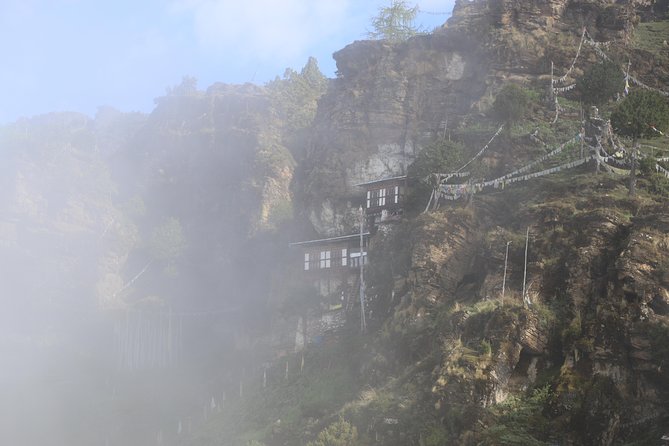
If you’ve seen Tiger’s Nest from the valley road, you already know it’s dramatic. What changes here is angle and timing. Instead of treating Paro Taktsang like a morning sprint, this trek builds in an overnight pause—then the next push lets you experience the monastery from higher up, with less of the usual crowd rhythm.
The big idea behind Bum Dra is spiritual as much as scenic. The hike is associated with the phrase Trek of the Thousand Dakinis, and along the way you can explore holy caves connected with those celestial female beings. In practice, that means you’re not only climbing for photos; you’re walking with context—where your steps fit into the sacred geography of the area.
Then there’s the “wild” piece. You’re camping one night outside, so the trek stops feeling like a city-day itinerary and starts feeling like travel in Bhutan’s hiking country. It’s the sort of trip where the quiet moments matter as much as the top-of-the-cliff payoff.
You can also read our reviews of more tours and experiences in Paro.
Your 2-day rhythm: how the stops shape the climb
This is listed as about 2 days, starting around 8:00 am in Paro, with pickup offered. The duration matters because it’s long enough for an overnight rhythm, but short enough that you’re not committing to a week-long schedule.
Stop 1: Paro Taktsang
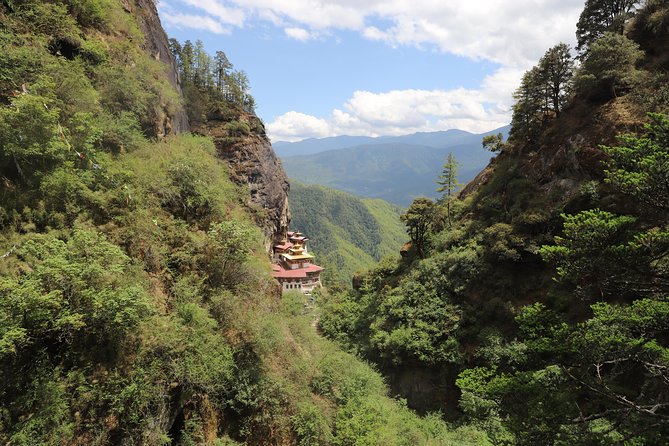
This is the core of the experience. You’ll connect your walking with the monastery that clings to the cliff edge. One of the strongest reasons to pick this trek is that you get a view of Tiger’s Nest from above that many standard routes don’t offer. I’d treat this like your primary “reward moment,” and plan your energy around it.
One practical note: even when a trek sounds “moderate,” Bhutan stairwork can be serious. A past participant warned that the number of steps can run far higher than some descriptions suggest—think thousands, not hundreds. If you hate stair grind, this is where you need a steady pace and good pacing discipline.
Stop 2: Paro Airport Bird’s Eye View Point
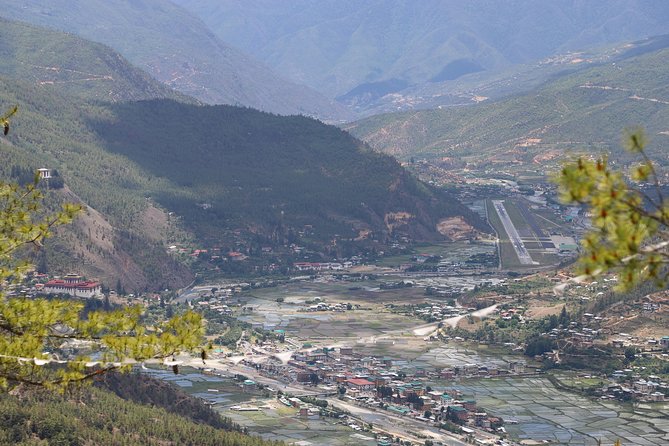
After the hiking sequence, you get a bird’s-eye look at the Paro area. This is a nice contrast to the steep, close-up feel of monastery walking. It also helps your brain assemble the bigger picture: roads, valley shape, and where the monastery sits in relation to everything else.
Because the itinerary details beyond those stops aren’t spelled out here, you should expect a route that mixes climbing and breaks while staying focused on reaching Taktsang and then finishing with that high viewpoint. The value is in how the stops connect—temple to panorama—rather than in checking off many unrelated sites.
Wild camping for one night: what it adds (and what to plan for)
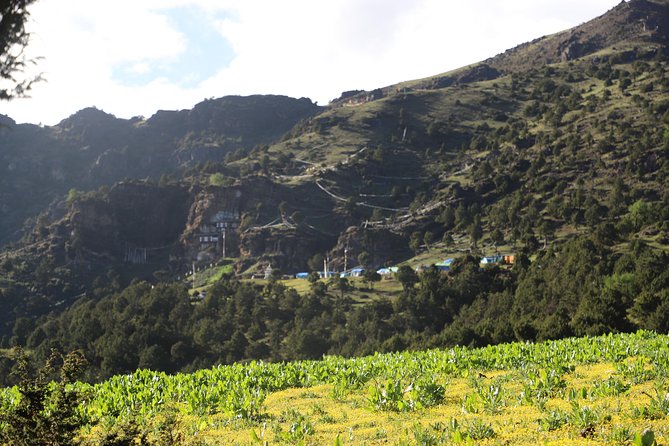
The Bum Dra trek includes one night camping in the wild. That’s not a small detail. Overnight treks change the way you move: you stop thinking only about the climb and start thinking about comfort, warmth, and sleep.
Good news: camping support is included. You get camping equipment and all trekking equipment, plus a trekking chef on the trek. That’s a big deal for value because it reduces the usual “trek tax” of renting gear or worrying about basics you don’t pack.
Still, you should come prepared for the reality of outdoor sleeping. The data here doesn’t specify weather ranges or tent details, so I can’t promise how warm it will feel. What you can do is plan for it mentally: layers, a warm layer, and the willingness to be slightly uncomfortable for a night in exchange for a more authentic trek feel.
The overnight also supports the spiritual side. The trek’s sacred-cave theme is easier to absorb when you’re not only rushing through in daylight hours. If you like a hike with meaning—not just distance—this format helps.
Thousand dakinis, sacred caves, and the spiritual side of the hike
This trek is sometimes described as the Trek of the Thousand Dakinis, and it’s tied to exploring numerous sacred and holy caves. Even if you aren’t deep into Buddhist iconography, cave visits tend to change your experience of walking. The air feels different. The quiet is more noticeable. You slow down without trying.
I like that this isn’t presented as an add-on museum stop. It’s built into the hiking day. That makes the trek feel like it has a purpose beyond the final view of Tiger’s Nest.
You’ll also get perspective on why this monastery matters to Bhutanese practice. A good guide makes that difference. On other Bhutan Swallowtail trips, guides have been praised for clear explanations—people have named guides like Pema, Singye, Tshering, and Padang for being informative and supportive on hikes and monastery visits. Your guide here may be someone different, but the pattern is consistent: the experience improves when someone explains what you’re walking through.
Practical tip: bring questions. If you’re curious about what you’re seeing in the caves or why a spot is sacred, ask. With a small group, you’ll get real answers instead of a lecture that ends before your brain catches up.
Guide support and pacing: why the right team matters
This is a private tour/activity, meaning only your group participates. That affects everything: pace, photo stops, questions, and how often you can pause to rest without feeling like you’re slowing down a mixed group.
The trek is also supported by a trekking chef and included meal services. That’s part comfort, part energy strategy. For a hike with long uphill sections, your food rhythm matters more than people think. You don’t want to burn through carbs early and then spend the hard part of the climb thinking about snacks.
From experience across similar Bhutan outings organized by the same provider, guides have been credited for keeping travelers safe, explaining what they’re seeing, and making the trek feel well organized. Names that come up in past feedback include Singye (logistics help and guidance), Pema (informative Tiger’s Nest hiking), and Lobsang Nima (a supportive hike and monastery explanation after the climb). Even if your exact guide isn’t one of those, the service pattern is the same: your guide’s job is to make the trail understandable.
One more thing: the trek starts early, around 8:00 am. That’s good for cooler walking and for beating crowds where possible. It also means you’ll want to be ready to move without a long start-up routine.
Meals and gear included: where the trip’s value really comes from
The price is $850, and the best way to judge value here is to look at what’s covered. You’re not just paying for a guide and a view. The trek includes:
- Breakfast
- Lunch (2 times)
- Dinner (1 time)
- Coffee and/or tea (2 times) plus snacks
- Camping equipment
- All trekking equipment
- A trekking chef
That combo is exactly what makes a short overnight trek feel doable. In many places, “overnight trek” becomes an equipment hassle. Here, equipment and camping support are part of the deal, which usually means less packing, fewer rental steps, and more time enjoying the walk.
The only clear exclusions are alcoholic beverages, so if you like a drink with your dinner, plan on paying separately.
If you’re the type who hates thinking about logistics, this format is a win. You still need to manage your personal comfort items, but the core trek mechanics are handled.
Price check: $850 for 2 days—worth it or not?
On the surface, $850 for 2 days can sound high. But compare what’s included: private group format, pickup offered, trekking chef, full camping equipment, trekking equipment, and multiple meals. When you add those together, the price starts to look less like “just a guide” and more like a packaged trek infrastructure.
Also, Bhutan treks often come with real planning effort: weather windows, route coordination, and keeping the group safe on steep trail sections. The data here also notes that the experience requires good weather, and you’ll either be offered a different date or get a full refund if poor weather cancels the trek.
The other value marker is the experience itself: a high-view Tiger’s Nest segment plus cave exploration plus one night camping. Many day trips only deliver the cliff view. This one tries to deliver the whole journey.
Fitness and weather: the two gates you can’t ignore
This is described as a trek where travelers should have a strong physical fitness level. That’s not fluff. The uphill nature of the Tiger’s Nest area is demanding even for experienced hikers, and the warning from a past participant about step counts reinforces that you should train for stairs and endurance.
What I’d do if you’re deciding: assume you’ll be walking hard for long stretches. If you only do gentle hikes, you might find this one slow and tiring instead of rewarding.
Weather is the other gate. This trek requires good weather, and if it’s canceled due to poor conditions you’ll be offered another date or a full refund. In other words: you don’t want to schedule this trek on your last day in Bhutan without flexibility.
Who should book Bumdrak Trek (and who should skip it)
This trek fits best if you want:
- A short overnight that still feels like a real trek
- The chance to see Tiger’s Nest from a perspective you’re less likely to get on a basic day hike
- A hike with spiritual cave context, not only sightseeing
- A private, chef-supported experience with gear included
You might skip it if:
- You don’t like steep stair-heavy walking
- You can’t handle basic overnight trekking comfort
- Your schedule is too tight to move dates if weather forces a change
If your idea of vacation is walking, quiet moments, and meaning in the route, this is a strong match.
Should you book this Bumdrak Trek to Tiger’s Nest?
I’d book it if you’re aiming for the sweet spot: 2 days that deliver a monastery highlight, a wild overnight, and a slower, more meaningful trek flow. The included chef support and full equipment package are practical value, and the spiritual cave component gives the hike more payoff than another “reach the viewpoint” day.
I’d think twice if stairs and endurance aren’t your thing. One past participant basically warned that the walking is tougher than some descriptions imply, and that mismatch can sour the experience fast. If you’re honest about your fitness and you keep flexibility for weather, then this trek can be one of the most memorable parts of a Bhutan trip.
FAQ
How long is the Bumdrak Trek – Tiger’s Nest Monastery Overnight Trek?
It’s listed as about 2 days (approx.).
Where is the trek located?
The trek is in Paro, Bhutan.
What time does the trek start?
The start time is 8:00 am.
Is pickup included?
Pickup is offered.
Does the trek include overnight camping?
Yes. It includes one night camping in the wild, and camping equipment is included.
What meals are included?
Breakfast is included, along with lunch twice and dinner once. Coffee and/or tea are included twice with snacks.
What trekking gear do I get?
Camping equipment and all trekking equipment are included.
Is alcoholic beverages included?
No. Alcoholic beverages are not included.
Is this tour private?
Yes. It’s a private tour/activity, and only your group will participate.
What if weather is poor or I need to cancel?
The experience requires good weather. If it’s canceled due to poor weather, you’ll be offered a different date or a full refund. You can cancel up to 24 hours in advance for a full refund.