REVIEW · PARO
Druk Path Trek: Discover The Raw Natural Beauty of Bhutan
Book on Viator →Operated by Bhutan Best InBound Tour · Bookable on Viator
First step into Bhutan’s real walking life. The Druk Path Trek takes you from Paro’s drier valley up into forested country above Thimphu, with monastery views and a proper camping rhythm, and it starts close to where you enter Bhutan at Paro with Tiger’s Nest used for acclimatization. I especially like that you are not burning days on long, separate drive-and-wait logistics before you even reach the trail.
My second big win is how practical the trip feels. Camping is set up for you with tents and even toilet tents, plus Rinzin (a guide name that’s been praised) is part of a team that keeps the whole experience moving, including smooth help with documents from Thinley. And when it comes to the days on foot, the included food is a real quality point, not just a placeholder.
One thing to consider before you sign up: you do need moderate physical fitness, and altitude is part of the deal (you’ll reach around 3,900m on the trek). Also, a sleeping bag is not included, so bring or buy your own.
In This Review
- Key things that make this trek worth your time
- Paro’s watchtower museum and fortress stop: easing in the Bhutan way
- The Taktsang hike that doubles as acclimatization (and a reality check)
- From Damchena to Jela Dzong: the trek begins at 2,900m
- Tshokam to Jigmelangtsho: leaving tree line behind
- Janetsho Lake and yak-herder camps: where the trek feels lived-in
- Sunrise at Phajoding and the descent into Thimphu
- What’s included for the $2,200 price tag (and what you’ll add)
- Comfort on camp days: what to expect from the provided gear
- Fit level and who this trek suits best
- Should you book the Druk Path Trek?
- FAQ
- How long is the Druk Path Trek experience?
- Where does the trek start and where does it end?
- What months are best for this trek?
- Is Tiger’s Nest included before the trek starts?
- What’s included in the package for camping and food?
- Are ponies provided for luggage?
- What does the price include besides the trek?
- What is not included in the cost?
Key things that make this trek worth your time
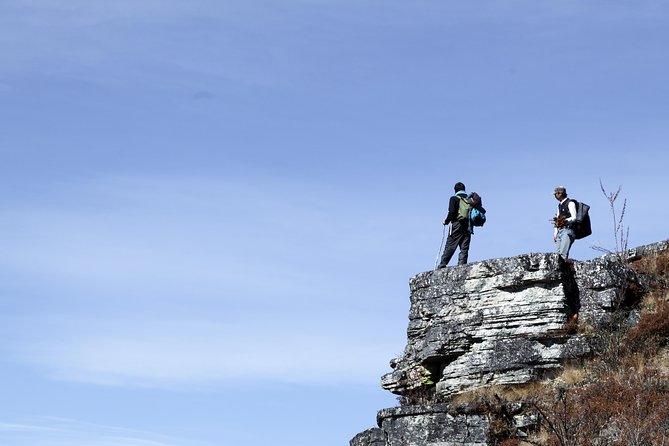
- Paro right away: you start with culture and then head to a famous acclimatization hike instead of losing days to travel.
- A true 4-day trek with camping logistics handled: tents, toilet tents, dining tents, and food items are all provided.
- Monastery moments on the trail: Jela Dzong and the mountain-setting vibe keep the hike from feeling like just a grind.
- Altitude on a clear schedule: you go up to Tshokam (3,770m) and Jigmelangtsho (3,900m), then come back down with purpose.
- Food and comfort get attention: the camp setup and meals are repeatedly called out as a high point.
- Private experience: it’s your group only, with certified guiding and private transportation.
Paro’s watchtower museum and fortress stop: easing in the Bhutan way
Day 1 is a smart warm-up. You begin in Paro, with the National Museum in an old watchtower above Paro Dzong. This isn’t just a quick photo stop. The museum collections include things like Thangkas (religious scroll paintings) and bronze statues, so you get a feel for what Bhutan protects and treasures before you start hiking.
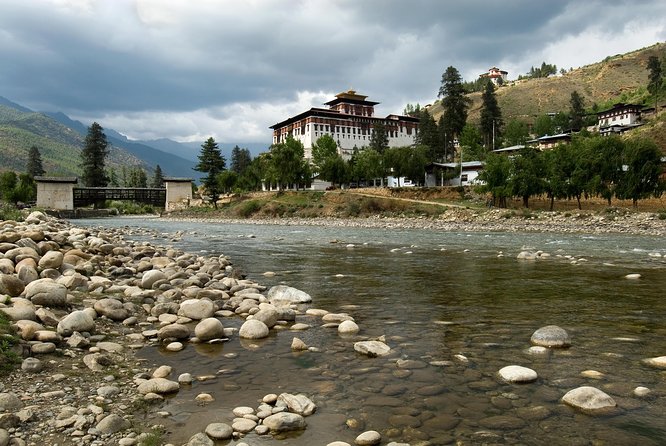
If you have time, you’ll also visit Rinpung Dzong, built in 1644 by Shabdrung Ngawang Namgyal. The name alone tells you it’s designed as a fortress-like statement, and even if you only spend about 45 minutes, it gives you a sense of how these monasteries and strongholds were planned around geography and defense.
Practical note: If you’re arriving from a different time zone, Day 1 is your buffer day. It’s not a big physical push, which matters because the next day’s hike is steep.
You can also read our reviews of more tours and experiences in Paro.
The Taktsang hike that doubles as acclimatization (and a reality check)
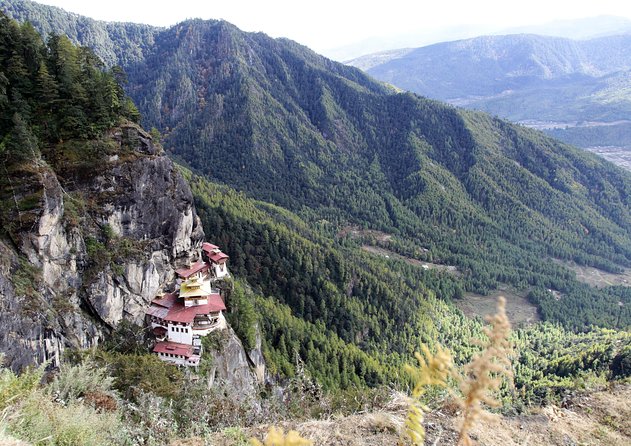
Day 2 is Paro Taktsang, often called Tiger’s Nest. Expect a steep climb of about 1.5 hours to a teahouse area for views of the monastery perched on a cliff roughly 2,700 feet above the valley floor.
This is a key design choice of the Druk Path route. Rather than having you jump into higher altitude trekking immediately, you get an acclimatization hike first—one that also feels meaningful because Taktsang is such a powerful place in Bhutan’s spiritual landscape. You’re not just exercising; you’re learning the rhythm of Bhutan: stairs, steep grades, mountain air, and then a payoff view.
What you’ll want to do: pace yourself early. Even if you’re used to hiking, steep Bhutan trails can feel more intense because of the air and the way the path keeps lifting. Bring layers that you can shed on the ascent and re-add once you stop at the teahouse.
From Damchena to Jela Dzong: the trek begins at 2,900m
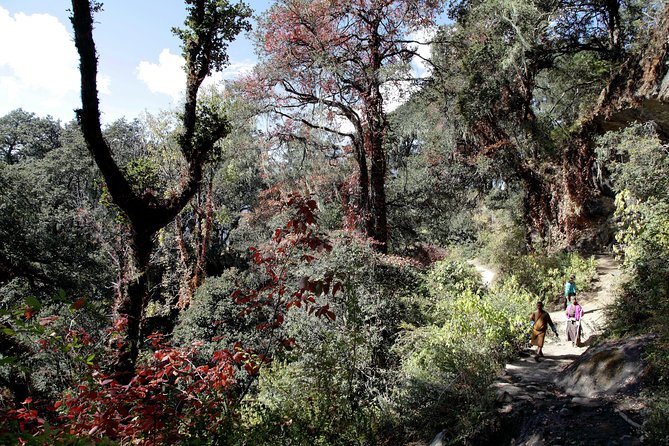
On Day 3, the trek officially starts at Damchena (2,900m). From here, you head toward Jela Dzong, described as a small, tranquil monastery perched on a lush hill. This is the first of the trek’s recurring patterns: you climb through working landscapes—past hills and forest areas—and then you arrive somewhere quiet that looks like it belongs above the everyday world.
This is also where the Druk Path does something smart for most hikers. You’re not spending hours transferring to some remote trailhead that feels cut off from your Bhutan entry. The trek begins while you’re still in Paro’s sphere, so your first day on trail feels connected to the country you just arrived in.
Why you’ll probably remember this day: Jela Dzong is the kind of stop that changes the feel of your hike. Instead of thinking only about distance, you start scanning the hills for the next monastery moment.
Tshokam to Jigmelangtsho: leaving tree line behind
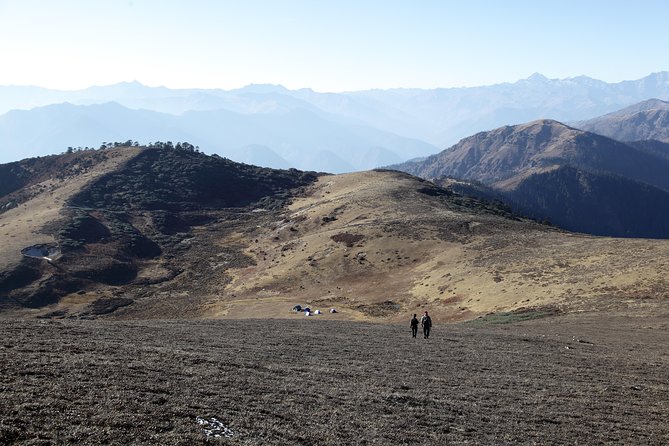
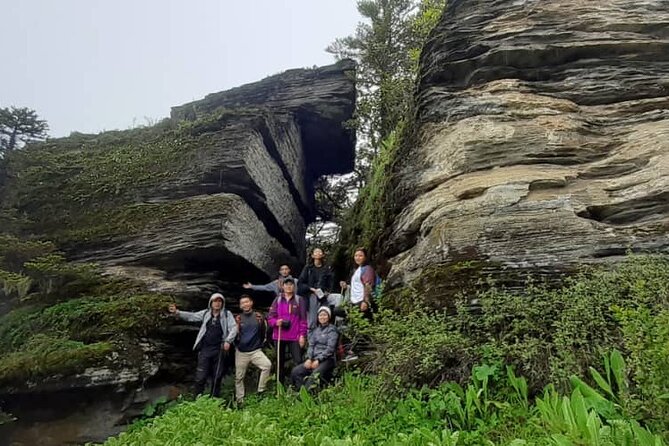
Day 4 is a high point. The route goes from Tshokam (3,770m) to Jigmelangtsho (3,900m) in about 6 hours. You’ll pass through alpine forests and dwarf rhododendron areas, then gradually shift into more open high-country terrain as you ascend and leave the tree line behind.
Dwarf rhododendron isn’t just scenery for this trek. It’s also a cue: once the vegetation changes, you can feel the altitude working on you. Your pace will probably slow, and your breathing will become more deliberate. That’s normal here.
A good strategy: keep your effort steady, not heroic. These days are often won by people who hike like they’re saving something for later.
Janetsho Lake and yak-herder camps: where the trek feels lived-in
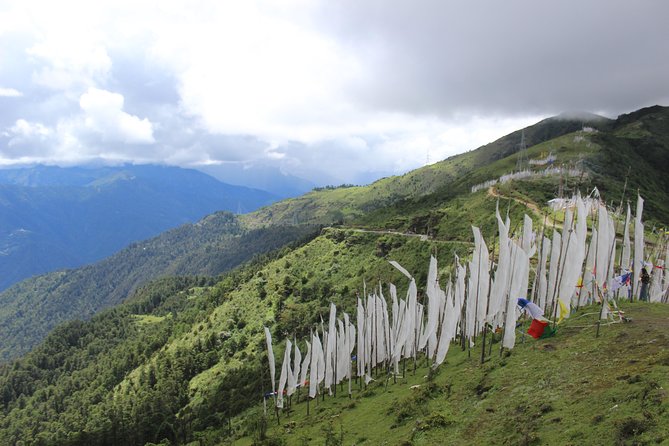
Day 5 moves you through dwarf rhododendron trails again, then toward Janetsho Lake. On the way, you may also see cozy camps of yak herders, which adds a layer that many self-guided hikers miss: you’re not only walking through remote scenery—you’re passing through a real pastoral rhythm that has been happening for generations.
This is also one of those days where camping logistics matter. You’re out long enough that the quality of camp setup becomes part of the trek experience. Since the trip provides tents and dining arrangements, you’re not spending energy solving basic survival issues.
What to expect emotionally: this day often feels calmer. After the higher push of Day 4, a lake approach can feel like the trek is exhaling a little.
Sunrise at Phajoding and the descent into Thimphu
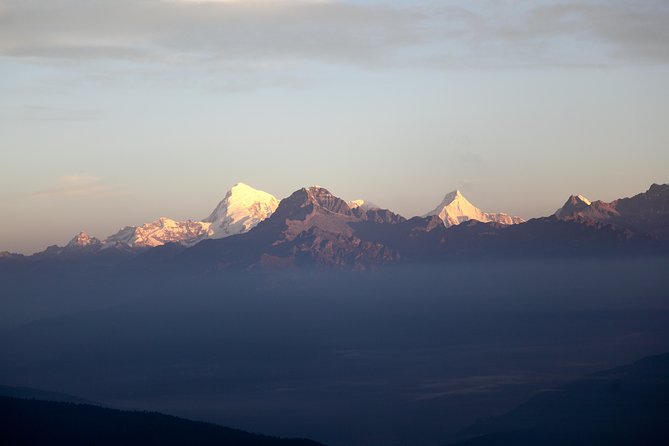
Day 6 starts with a sunrise treat from Phajoding, followed by a leisurely descent toward Thimphu. The walking time listed is about 5 hours total, including the trek-down portion of roughly 3 hours.
Thimphu is a nice contrast after several days in camping mode. You’ll arrive into a valley setting and then get a major culture anchor: Buddha Dordenma, the tallest sitting Buddha statue at 51.5 meters, located at Kuensel Phodrang. This isn’t a small viewpoint. It’s big enough to make you stop, look around, and think about why Bhutan builds landmarks this way.
If you’re timing-focused: the sunrise morning is a real early start. If you hate early wake-ups, plan your sleep strategy on the previous nights.
What’s included for the $2,200 price tag (and what you’ll add)
The price here is $2,200 per person for about 7 days total, including internal taxes and a Bhutan visa, plus the trekking and camping program. The inclusions are substantial:
- Trekking and camping equipment: sleeping tents, dining tents, and toilet tents
- Food planning: meals are included (6 breakfasts, 6 lunches, 6 dinners)
- Ponies for luggage to reduce what you personally haul
- Certified guide and private transportation
- Government SDF of USD 100 per person per night
- Mobile ticket, plus pickup offered
What’s not included is also straightforward:
- Travel insurance
- Airfare (international and domestic)
- Single supplement (USD 500)
- Sleeping bag
How I’d judge the value: this package is trying to remove decision fatigue. You’re paying for guide time, private logistics, camping setup, and your meal structure. If you were doing this independently, the cost and hassle often show up in exactly these places: equipment rentals, crew arrangements, food logistics, and making sure you’re doing it legally.
The one personal cost you should plan for: bring your own sleeping bag (or arrange one before you go). Since it’s not included, you don’t want to rely on last-minute rentals.
Comfort on camp days: what to expect from the provided gear
Because the trek uses camping tents (not lodges), comfort depends on two things: how well the camps are set up and how you pack yourself. The trek provides tents (sleeping), dining tents, and toilet tents, which matters more than people expect. A trek without those basics often turns into a stress test.
The included food is another big deal. In the trip feedback you shared, camp comfort and meals come up as a standout strength. That tells you the program isn’t treating food like a checkbox.
Your role: pack for cool nights. The itinerary includes high altitude segments (up to about 3,900m), and even when days feel mild, evenings can be colder. Since sleeping bag isn’t provided, your insulation plan is on you.
Fit level and who this trek suits best
You should consider this trek if you have moderate physical fitness and you’re comfortable with multi-day hiking plus early mornings. The route includes a high-altitude segment (3,770m to 3,900m), so this is not a casual stroll.
This trek is a strong fit for you if:
- you want a guided experience with camping done for you
- you like monastery stops and meaningful views, not only trekking stats
- you prefer private group travel over crowded itineraries
You might want a different Bhutan option if:
- you hate steep climbs and early starts
- you’re not able to hike several hours a day at altitude
- you don’t want to handle your own sleeping bag and basic night warmth
Should you book the Druk Path Trek?
If you want Bhutan that feels real and physical, not staged, I think this trek is a solid choice. The combination is hard to beat: Paro culture on Day 1, a steep Taktsang acclimatization day, then four days of trekking with camping gear handled and monastery + lake + yak-herder moments along the way. The price looks justified when you factor in the guided, private, all-meals, all-camp setup.
Before you book, do two quick checks:
- Are you okay hiking in the 2,900m to 3,900m range?
- Do you have (or can you source) a sleeping bag?
If those are yes, this is the kind of trip that leaves you with more than photos. It leaves you with the pace of Bhutan in your legs.
FAQ
How long is the Druk Path Trek experience?
The full experience is about 7 days total, including a trek that lasts about 4 days.
Where does the trek start and where does it end?
The trek begins at Damchena (Paro) and ends at Thimphu or vice versa, depending on the direction of your route.
What months are best for this trek?
It’s feasible in late February through May, and also from September through December.
Is Tiger’s Nest included before the trek starts?
Yes. Before the trek begins, you hike to Tiger’s Nest for acclimatization.
What’s included in the package for camping and food?
The trip includes trekking equipment, camping equipment, sleeping tents, dining tents, toilet tents, and all necessary food items. Meals are included (6 breakfasts, 6 lunches, and 6 dinners).
Are ponies provided for luggage?
Yes. Ponies for luggage are included to reduce what you carry.
What does the price include besides the trek?
It includes a certified guide, private transportation, internal taxes, the Bhutan visa, and the government SDF of USD 100 per person per night. Pickup is also offered.
What is not included in the cost?
Travel insurance and airfare (international and domestic) are not included. A single supplement of USD 500 may apply, and you also need to provide your own sleeping bag.