REVIEW · LOMBOK
Mount Rinjani Summit Trek Full Sunrise Point (2D-1N)
Book on Viator →Operated by Dhyns Rinjani Hiking · Bookable on Viator
Rinjani sunrise is hard work, then worth it. This 2-day, 1-night Mount Rinjani summit trek is built around reaching the full sunrise point on the way up to 3726m, and it starts with waterfall time near Senaru. I like that the trek team also schedules Sendang Gile and Tiu Kelep stops with a women guide, so you ease into the mountain instead of jumping straight into steep hiking.
One thing to plan for: this trek is recommended for experienced trekkers and it asks for strong physical fitness, so the pace can feel demanding. Also, the national park entrance fee (IDR 200,000 per person per day) and tips aren’t included, so your final spend won’t be exactly the $160 price tag.
In This Review
- Key Things to Know Before You Go
- Where Senaru Fits Into the Rinjani Plan
- Meeting Point and Getting There Without Stress
- Waterfalls First: Sendang Gile and Tiu Kelep (Stop 1)
- Day 1 Support: Porters, Equipment, and Luggage Care
- What the Camping Comfort Really Means for Your Summit Day
- Day 2: The 3726m Summit and Full Sunrise Point
- Guide and Porter Team: Organization Is Part of the Value
- Price and Logistics: What $160 Really Buys on This 2D-1N Trek
- Who This Trek Is Best For (And Who Should Rethink It)
- Should You Book the Rinjani Summit Sunrise (2D-1N)?
- FAQ
- How long is the Mount Rinjani summit trek?
- What does the tour cost?
- Where does the trek start?
- Is the trek a private experience?
- Is the national park entrance fee included?
- What’s included for camping and sleeping?
- Are guides and porters included?
- Is water included during the trek?
- Is pickup or transport included?
- What’s the cancellation policy?
Key Things to Know Before You Go
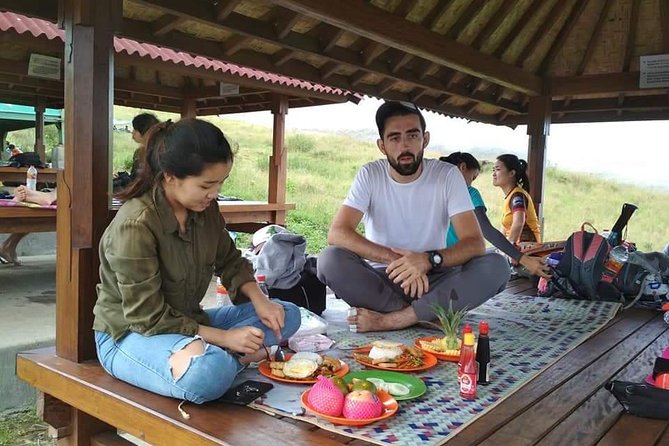
- Full sunrise focus: you’re aiming for the summit at 3726m as daybreak approaches
- Waterfalls before the climb: Sendang Gile and Tiu Kelep are part of the early experience
- Women guide for the waterfall segment: you’ll have local guidance right from the start
- Camping gear is handled: tent, toilet tent and paper, sleeping bag, mattress, pillow, and chair are included
- Warmth and hiking help provided: warm jacket, gloves, and one trekking pole per person
- Food and water on the trek: 3 liters of mineral water per person per day are included
Where Senaru Fits Into the Rinjani Plan
Lombok’s Mount Rinjani is the kind of challenge where your “approach matters.” This trip’s base in the Senaru area gives you a more gradual start: you’re not only thinking about the summit, you also get to enjoy waterfall sights and small local stops before the main climb begins. That matters because the first day feels like a rhythm check—how your legs handle elevation changes, how your breathing settles, and how you manage the colder mountain air later.
I also like how the experience is set up around a sunrise target. Climbing at the right time is everything on volcano treks, and a sunrise-focused schedule changes how you experience the mountain: you’re not just seeing Rinjani from below, you’re working toward a specific moment with a clear payoff.
And since the tour is a private group setup (only your group participates), you’re more likely to get the pacing and attention that make early-morning climbs feel manageable.
You can also read our reviews of more tours and experiences in Lombok.
Meeting Point and Getting There Without Stress
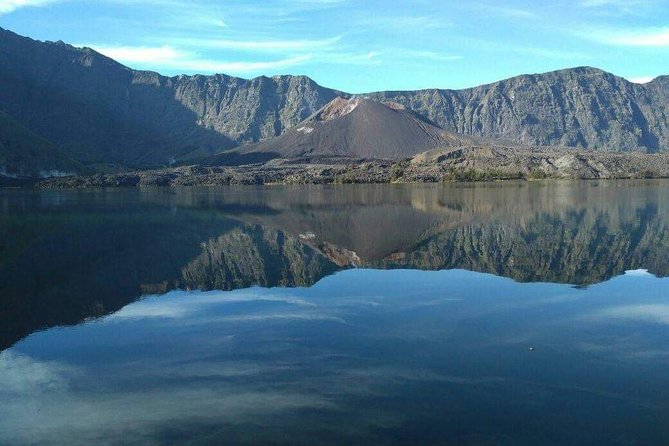
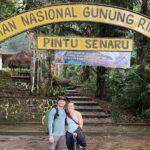
You start at Mount Rinjani Vacation Tours & Trekking Organizer in Senaru (Jl. Pariwisata, Senaru, Pawang Karya, Kabupaten Lombok Utara, Nusa Tenggara Bar. 83354). The meeting point is noted as being near public transportation, which is helpful if you’re building the rest of your Lombok trip independently.
The activity ends back at the meeting point, but there’s also a transport drop offered after the trek to Senggigi, Mataram, and Bangsal. In real life, that’s a big convenience: you don’t want to spend your recovery day figuring out transit.
If you’re combining this with a hotel stay, plan your day around the trek’s end rather than the opposite. Sunrise treks are physically draining, so you’ll want a smooth landing afterward—food, warm shower, and transport that doesn’t add hassle.
Waterfalls First: Sendang Gile and Tiu Kelep (Stop 1)
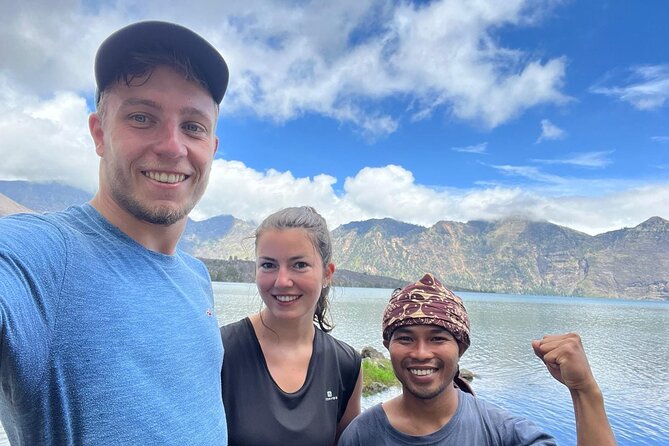
Before the serious climbing, the route includes a standout warm-up: Sendang Gile and Tiu Kelep Waterfall. This is a smart move for two reasons.
First, it breaks up the journey emotionally. Even if you’re fit, volcano trekking has a mental weight. Having waterfall scenery early gives you a visual reward before the long effort starts.
Second, it’s a cultural and human reset. You’ll have local guidance—specifically noted as supported by a women guide for the waterfall segment—so the stops feel grounded rather than like a checklist photo moment. It’s also a nice place to get your questions answered about the day’s movement and what to expect from the higher elevations.
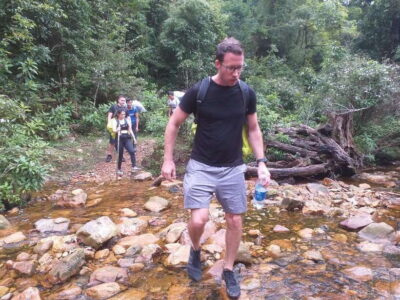
What to watch for here: waterfall areas can be uneven and wet, so your footing habits from the start should carry forward into the trek. If your shoes grip well on slippery ground, you’ll feel more confident later.
Day 1 Support: Porters, Equipment, and Luggage Care
On the trek, you’re not expected to haul everything yourself. Porters carry the cooking gear and camping equipment, and that one detail can change how you experience day one. The fewer heavy items on your back, the more energy you save for the uphill pushes later.
The tour also includes the actual camping setup, which is a huge value piece for most people. You get:
- Tent
- Toilet tent and paper
- Sleeping bags
- Mattress and pillow
- Chair
That doesn’t just add comfort—it makes sleeping arrangements more reliable. On a summit-focused trek, good rest is part of your success plan.
I especially appreciate the luggage storage option at the Rinjani Vacation office. Even if you bring one daypack to the hike, it’s comforting to know there’s a place for extra items. You can travel lighter and avoid the constant back-and-forth of storing gear at crowded points.
Water is also handled for you: you’ll receive 3 liters of mineral water per person per day on the trek. That’s not a small inclusion. Staying properly hydrated is a basic requirement at altitude, and it’s one less variable you have to manage during long effort.
What the Camping Comfort Really Means for Your Summit Day
A lot of people focus only on the summit number—3726m. But the summit trek success factor is how you arrive at the start of the final push: legs that aren’t fried, motivation that hasn’t collapsed, and a body that’s not exhausted from poor sleep.
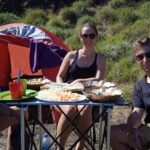
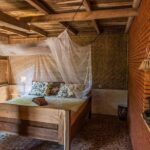
This tour reduces those risks by providing a full camping kit. Sleeping bag plus mattress and pillow helps, because you’re not sleeping on bare ground. You also get a toilet tent and paper, which makes night-time comfort less stressful.
You’ll also have practical warmth help: the inclusion list specifies a warm jacket and gloves, plus one trekking pole per person. Those items matter when you’re moving early in the morning or waiting around for sunrise. Even if you run warm during the climb, cold sets in when you pause.
Still, remember this is an active trek. Provided gear helps, but you should expect the mountain to feel colder than you’re used to—especially at night and near daybreak.
Day 2: The 3726m Summit and Full Sunrise Point
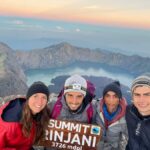
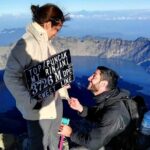
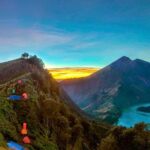
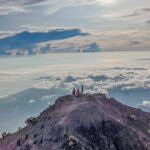
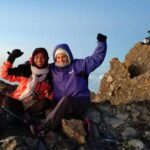
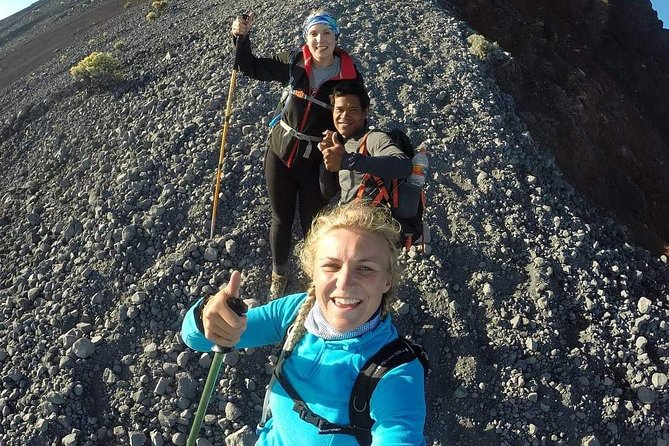
The big moment is the trek to the Rinjani summit at 3726m, with the tour emphasis on the full sunrise point. That’s the heart of the itinerary: you’re not just hiking up a mountain, you’re positioning yourself for that first light and the view from the top.
From the way the experience is described, you should expect spectacular visuals and lots of time spent focusing on the sky and the ridgeline. Sunrise treks are also mentally different. Instead of watching the day progress, you’re watching light return.
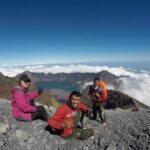
This is where the “experienced trekker” note becomes real. You’re managing steep sections, elevation effects, and the cold hours before the climb feels easier. If you’re strong physically and comfortable with multi-day hiking, you’ll likely handle it better than someone who only does casual day walks.
Guide and Porter Team: Organization Is Part of the Value
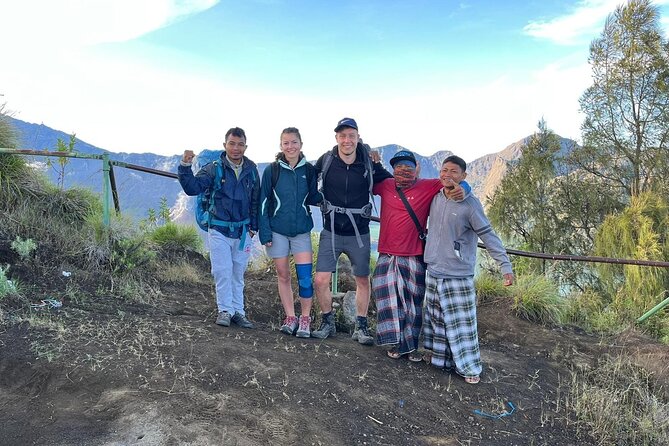
One of the most consistently praised parts is how well the team runs things. The trip is described as well organized and reliable, with communication and timing done properly. That’s not a “nice-to-have” on a sunrise summit plan—it’s what keeps the schedule from slipping when conditions shift.
The tour includes an experienced English-speaking guide and professional porters. The guide support matters because you’re not just walking—you’re moving as a group, managing a plan, and getting explanations along the way.
In past Rinjani treks with this company style, names like Apeng, Oky, and Kusmayadi show up in the guide role, along with porters like Mali and Satar. When you see patterns like that—same types of staff showing up repeatedly—it usually means the operation invests in experienced people, not just anyone available.
Also, food quality shows up in the positive feedback. Since the trek includes food (and not only gear), you’re less likely to feel like you’re rationing your energy with bland logistics. On an effort-heavy climb, that matters.
Price and Logistics: What $160 Really Buys on This 2D-1N Trek
At $160 per person, this trek is priced as a mid-range adventure with a lot of “hard” inclusions. The biggest value is that it covers more than just a guide. You’re also getting:
- guide and professional porters
- trekking support items (like one trekking pole per person)
- camping gear (tent, sleeping system, toilet tent, mattress, pillow, chair)
- warmth aids (warm jacket, gloves)
- daily mineral water (3 liters per person per day)
- transport drop after the trek to Senggigi, Mataram, and Bangsal
What’s not included is where you need to budget carefully:
- tips for guide and porters
- extra porter for your own luggage
- national park entrance fee: IDR 200,000 per person per day
- accommodation/hotel
- transport pickup
Also, the tour notes group discounts, so if you can travel with friends or join a group, you may get a better per-person deal.
A fair way to judge value: if you had to rent a camping setup, arrange porters, and organize logistics for a summit sunrise climb, $160 likely won’t cover everything on its own—but in this package it covers many of the items that make or break comfort and success.
Who This Trek Is Best For (And Who Should Rethink It)
This is best for people who are ready for physical effort and want a structured climb with support. The tour is recommended for experienced trekkers with a group, and travelers are told they should have strong physical fitness.
If you regularly do uphill multi-day hikes, you’ll probably appreciate the support style here: porters carry key gear, you get a full camping kit, and you’re aiming at a specific summit sunrise goal.
If you’re new to altitude or long trekking days, consider how you handle fatigue and cold. The tour provides warm jacket and gloves, but it can’t replace endurance. Sunrise summits punish slow pacing and low stamina.
One more note: the tour is private for your group, which is great if you hate feeling rushed or lost in a giant crowd. It’s also helpful if you want your guide to communicate clearly with fewer people to manage.
Should You Book the Rinjani Summit Sunrise (2D-1N)?
If you want a compact Mount Rinjani experience with a clear payoff—3726m summit + full sunrise point—this is a strong pick. The included camping equipment, water supply, warm gear, and porter support help you focus on the climb instead of logistics.
I’d book it if:
- you’re comfortable with strenuous trekking
- you want a structured team setup (guide and porters)
- you care about sunrise timing and sunrise-focused planning
- you value included camping gear more than you value a cheaper price
I’d rethink it if:
- you’re not physically ready for a summit trek
- you’re on a tight budget and can’t add the national park entrance fee and tips
- you’re expecting an easy hike rather than a real mountain challenge
FAQ
How long is the Mount Rinjani summit trek?
It’s listed as 2 days (approx.) with a 2D-1N format.
What does the tour cost?
The price is $160.00 per person.
Where does the trek start?
The meeting point is Mount Rinjani Vacation Tours & Trekking Organizer in Senaru, Lombok Utara, Indonesia.
Is the trek a private experience?
Yes. It’s described as a private tour/activity, with only your group participating.
Is the national park entrance fee included?
No. The entrance fee is listed as IDR 200,000 per person per day.
What’s included for camping and sleeping?
Included items are tent, toilet tent and paper, sleeping bags, mattress, pillow, and a chair.
Are guides and porters included?
Yes. You get an English speaking guide, plus trekking guide and porters who carry cooking gear and camping equipment.
Is water included during the trek?
Yes. Food and drinking water are included, including 3 litre mineral water per person per day.
Is pickup or transport included?
Transport pickup is not included, but there is a transport drop after the trek to Senggigi, Mataram, and Bangsal.
What’s the cancellation policy?
Free cancellation is allowed. You can cancel up to 24 hours in advance for a full refund, and changes inside 24 hours aren’t accepted.