REVIEW · LOMBOK
Mount Rinjani Trekking: 2D/1N Hike To Summit 3726m Full View
Book on GetYourGuide →Operated by Din Trekking Rinjani} · Bookable on GetYourGuide
3,726m sounds wild, but it’s surprisingly doable with the right support. This Mount Rinjani 2-day summit trek puts you on the path toward summit sunrise views, then wraps the trip with a proper crater-rim night where you sleep under the stars at around 2,639m. You’ll also walk through dense tropical forests in Lombok, with the kind of atmosphere that makes the whole hike feel like you’ve left the world behind.
I also like how the day is paced by real altitude milestones, not guesswork. You’ll rest at key heights on Day 1, fuel during a long lunch break, and then start early on Day 2 to catch the summit at first light. One caution: the cold summit mornings and sleeping-bag warmth can catch people off guard, especially if you tend to run cold.
In This Review
- Key things I’d plan around
- Why this Rinjani summit hike feels like the real Lombok
- Day 1: Sembalun Village up to the 2,639m crater rim
- What to watch for on Day 1
- Day 2: Sunrise timing at the 3,726m summit (then back for hot breakfast)
- Sunrise tip that actually helps
- Food, water, and camp comfort: what’s included and what you still need to manage
- The realistic comfort note
- Guides and porters: safety, pace, and food you actually look forward to
- Price and value: is $190 fair for a 2-day Rinjani summit hike?
- What to pack: cold summit mornings, headlamps, and real warmth
- Getting from the mountain back to Lombok comfort
- Who this trek suits best (and who should rethink it)
- Should you book this Mount Rinjani 2D/1N summit trek?
- FAQ
- How long is the Mount Rinjani summit trek?
- What’s the highest point you hike to?
- Do I need my own tent and sleeping gear?
- Is there an English-speaking guide?
- How much water and food are provided?
- What’s not included in the tour price?
- Is national park entry included?
- Is free cancellation available?
Key things I’d plan around
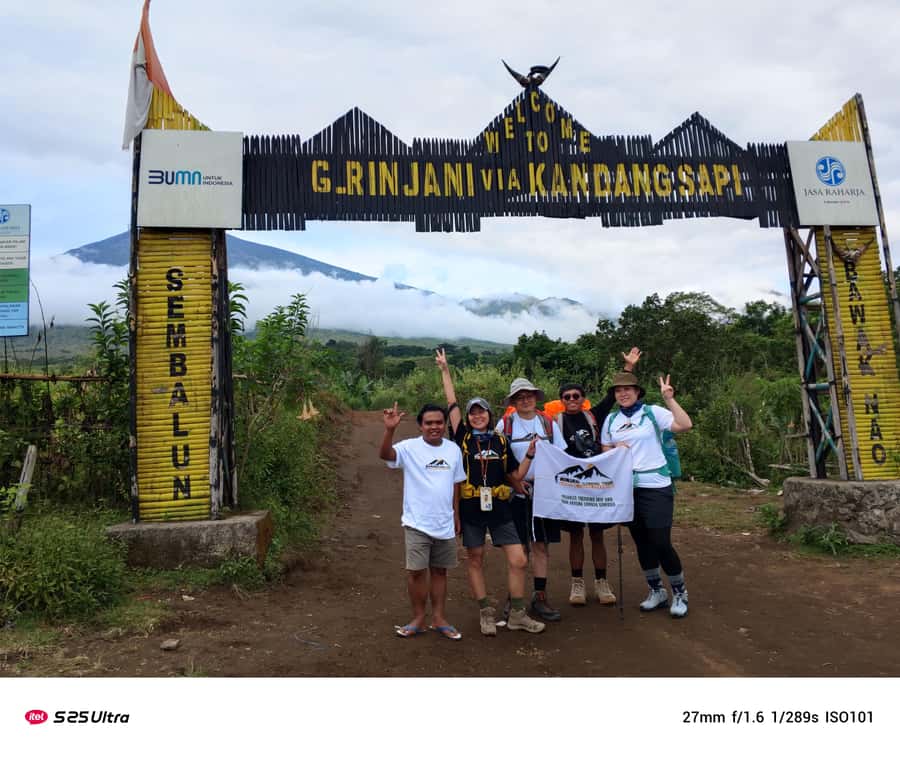
- Sembalun Village start, then altitude steps: you build from foothills up toward the crater rim instead of going straight for altitude.
- Crater rim camping at 2,639m: the night is part of the experience, not just a stopover.
- A sunrise-focused Day 2: most walkers depart before daybreak to reach the summit in time.
- Meals and water are handled for you: you get 3 liters of mineral water per person per day plus hot drinks and 3 meals daily.
- Cold gear matters: bring a headlamp and real warm layers; one sleeping bag may not feel warm enough for everyone.
Why this Rinjani summit hike feels like the real Lombok
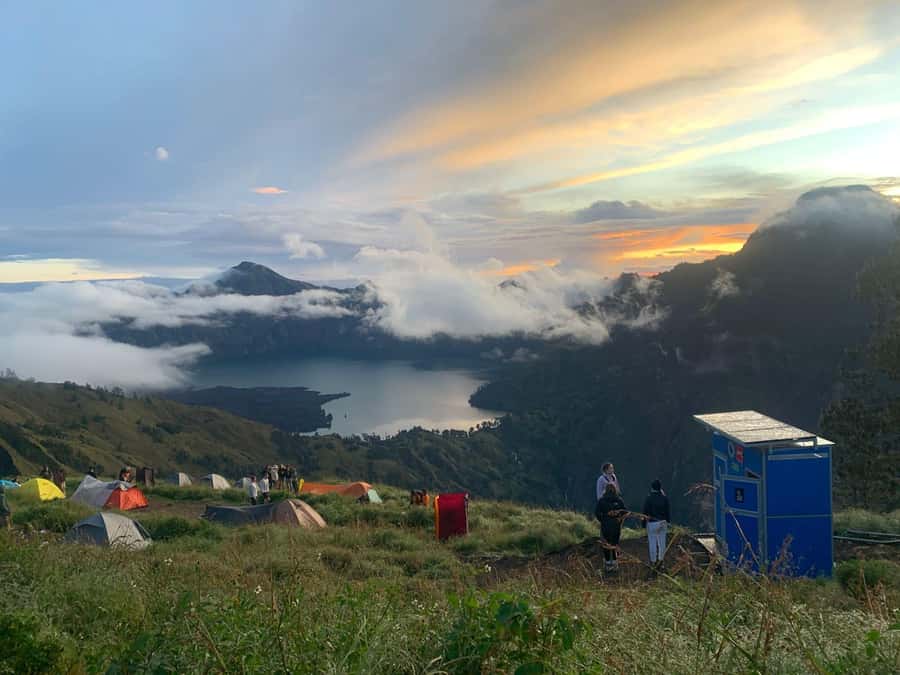
This is one of those rare trips where the “big moment” is earned. You’re not just walking to a viewpoint. You’re climbing into cloud and changing terrain, with dense tropical forests early on and a crater-rim night that makes the sky look close enough to touch.
The best part for me is the rhythm. Day 1 is about settling into the hike—long enough to feel accomplished, but structured with rests and a full lunch break. Day 2 is about focus: early start, summit timing, then a return that gets you a hot breakfast and a path back down before you’re totally wiped.
If you want a full-view summit experience without having to organize guides, camp gear, meals, or ticket entry yourself, this format is built for that.
You can also read our reviews of more tours and experiences in Lombok.
Day 1: Sembalun Village up to the 2,639m crater rim
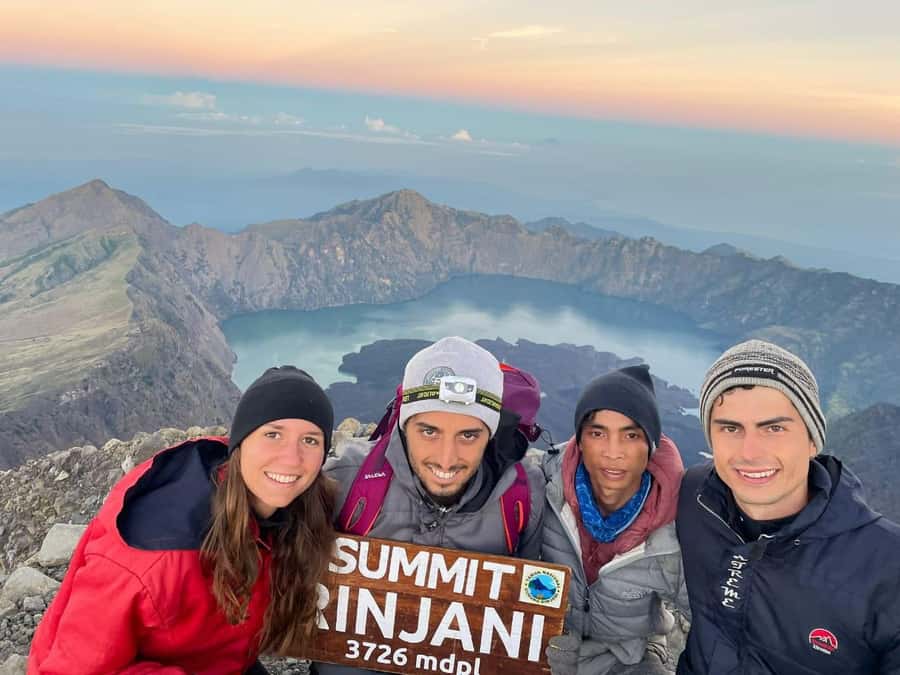
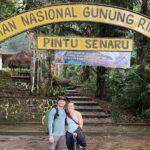
Day 1 starts with an early pickup from your accommodation in Lombok, then a drive to Sembalun Village. You register at the Rinjani Information Center before your trek begins, so you’re not guessing what comes next once you arrive.
From there, the hike eases you upward in stages. First you move through the foothills area toward Pemantauan, resting around 1,300 meters. The trail then continues up to Tengengean at roughly 1,500 meters, so your body has time to adjust before you climb higher.
The lunch stop at Pada Balong is the kind of break that matters. You get about a 2-hour lunch break, which gives you time to eat well, catch your breath, and let your legs stop feeling like they’re on strike. If you tend to bonk on hikes, this part is a lifesaver because you’re refueling before the higher section.
After lunch, you push to Sembalun Crater Rim and set camp around 2,639 meters. This is the moment where the vibe changes. The air feels thinner, the surroundings feel more open, and camping at crater rim altitude turns your night into something special. That “sleep under the stars” part isn’t marketing fluff. At this height, you’ll notice the darkness and the silence in a way that feels very different from beach camping.
What to watch for on Day 1
The hike is long and it’s uphill, so pacing is everything. This isn’t a casual stroll. You’ll want a steady rhythm and to drink consistently, especially since the plan includes 3 liters of mineral water per person per day and you’ll likely need a chunk of that to stay comfortable.
Day 2: Sunrise timing at the 3,726m summit (then back for hot breakfast)
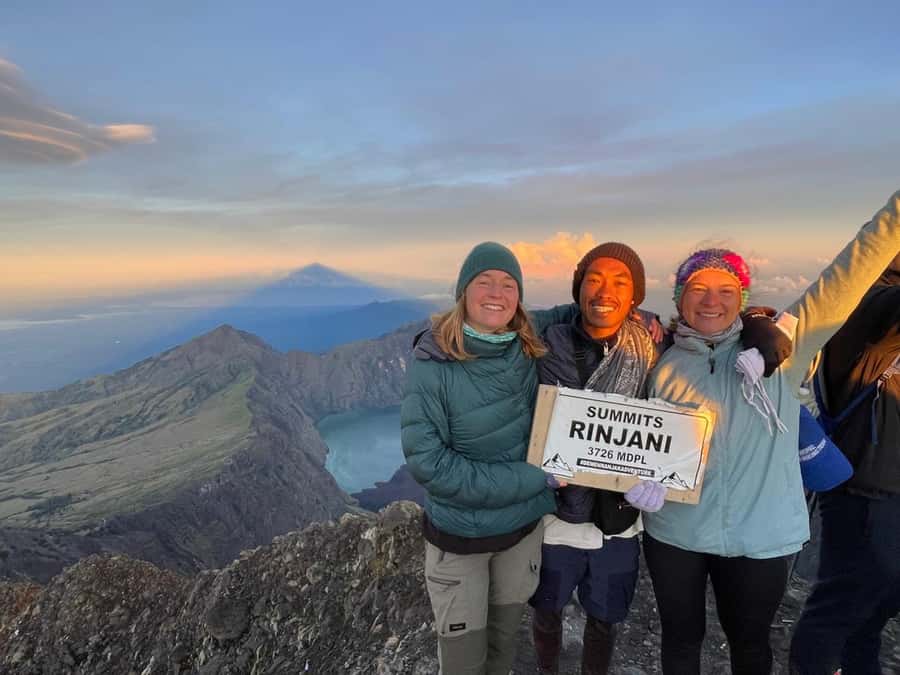
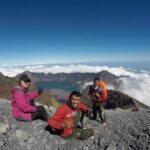
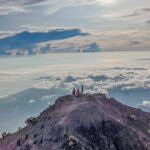
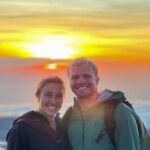
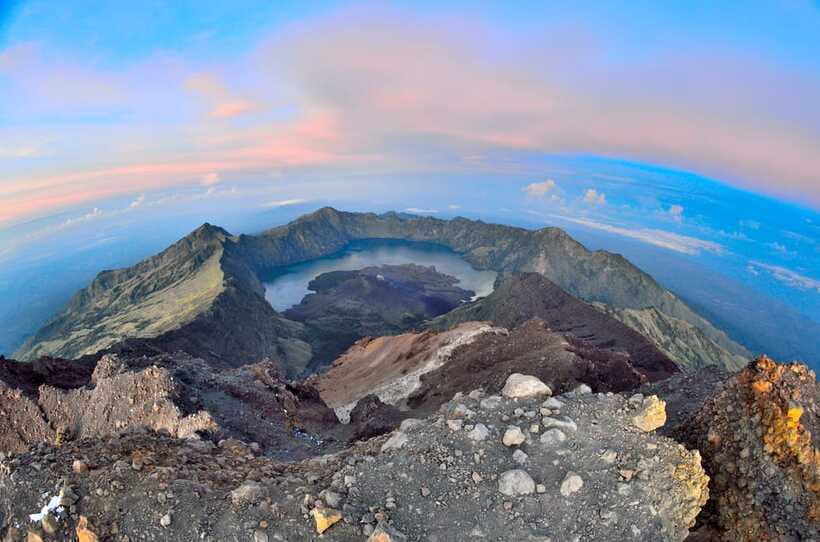
Day 2 is where you win the day—if you plan for the early morning. The climb to the summit begins before daybreak for most hikers, with the goal of arriving at 3,726 meters in time to see sunrise from the top.
If you’d rather take the waiting game slower, there’s also an option to stay at the crater rim and enjoy sunrise at leisure. That said, the classic “summit for sunrise” approach tends to be the main reason people choose this 2D/1N format, and the schedule is built around that.
Once you reach the summit, you don’t linger at a bench and admire it like a postcard. The smart part of the day is getting back down efficiently. You trek back to the crater rim and return in time for a hot breakfast, which is exactly what you want because cold air and high altitude can make your body feel drained.
After that, you descend to Sembalun Village, with a lunch stop along the way in the rainforest. Then you’re transferred back to the Lombok area after the trek.
Sunrise tip that actually helps
Bring your headlamp or long-life flashlight for the early push. Even with a guide and porters setting the pace, you’ll be moving in dark conditions on summit time. If you rely on a phone light only, you’ll probably feel annoyed quickly.
Food, water, and camp comfort: what’s included and what you still need to manage
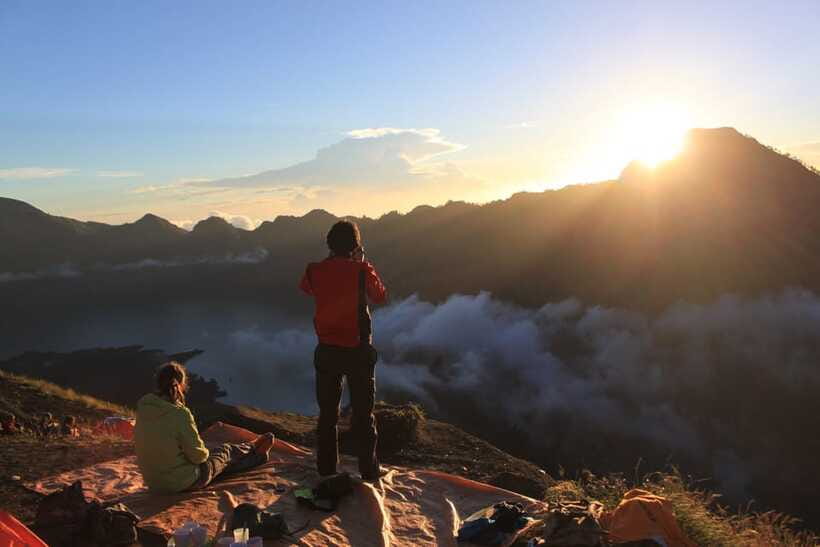
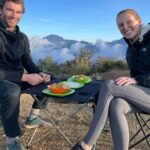
This trip is good value partly because the logistics of fuel are handled. You get 3 meals a day, plus tea and coffee, and you’re also provided fruit like pineapple and banana. You won’t show up to a mountain and learn the hard way that your “hike snack plan” was a fantasy.
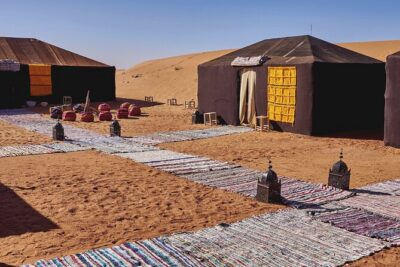
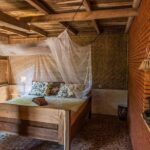
You also get camp setup support: tent, tent accessories like toilet tent and toilet paper, plus sleeping bags and sleeping mats. Cooking gear is part of what the porters manage, which means you’re not stuck with the hassle of setting up camp equipment yourself.
The included water policy is another big deal: 3 liters of mineral water per person per day. On a climb like this, that’s not just a nice perk; it helps you keep your hydration steady without constantly worrying about refills.
The realistic comfort note
One review flagged an issue: a sleeping bag that felt old and not warm enough. That tells me you should treat sleeping comfort as variable, not guaranteed. If you run cold, pack or plan for that reality. Warm layers matter, and you’ll feel it most when you’re trying to rest at crater rim altitude.
Also, the “hot springs” experience can vary with rain conditions. If you’re going in around wetter periods, you might find geothermal warmth less reliable than expected. The hike is the main event anyway, but it’s good to set your expectations properly.
Guides and porters: safety, pace, and food you actually look forward to
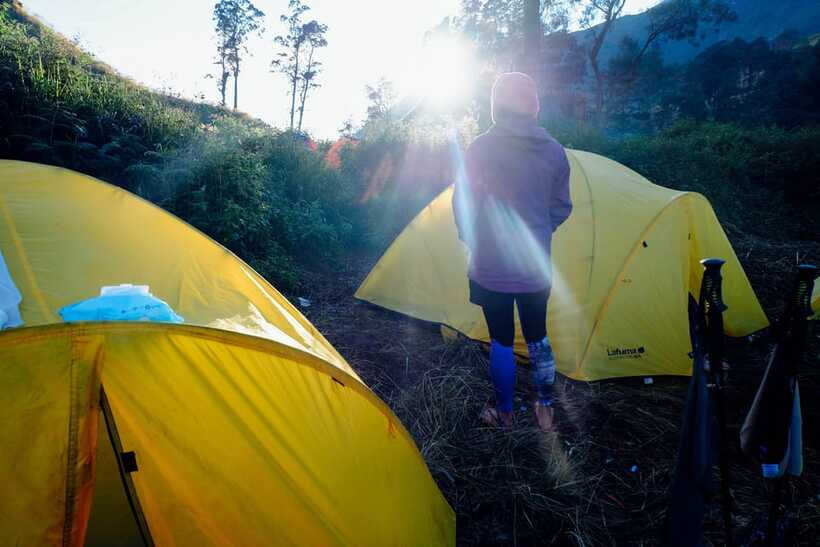
A key part of why I’d trust this trek is the human setup. You get an English-speaking guide plus professional porters who carry cooking utensils and camping equipment. That changes the whole feel of the day. You focus on hiking, not hauling a pack full of camp setup.
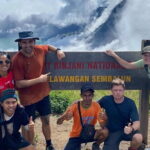
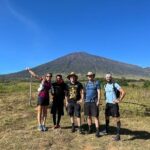
Guidance also affects how you move through steep sections. A good guide doesn’t just point the way. They help you keep a sustainable pace so you don’t blow your energy early. In one experience, the group was small—around four people—which often means you get a less chaotic rhythm and more personal attention with route and timing.
The food is another praised highlight. More than once, people noted that the meals were genuinely good, not just survival rations. When you’re climbing at altitude, the quality and timing of meals can turn the whole trek from stressful to satisfying.
Price and value: is $190 fair for a 2-day Rinjani summit hike?
At $190 per person for 2 days, the value is strongest when you compare what’s handled for you: guide and porter team, daily meals, and camp gear. You’re not just paying for someone to walk with you. You’re paying for the complete “mountain systems” package—food, water, tent setup, cooking, and the basics that let you hike without turning it into a self-supported camping project.
It also includes entry into Rinjani National Park (listed as 250,000 IDR per day) and includes trekking insurance. Those items can add up fast if you plan them separately.
Where the price doesn’t cover everything is also important. You don’t get a pre-trek night accommodation in the area, and your personal hiking items like shoes, jacket, and warm layers are not included. If you need to buy gear last minute, the total cost rises quickly.
So the real question for value is simple: do you already have the basics for cold altitude hiking? If yes, this feels like a solid deal for a supported summit trek. If not, budget for gear.
What to pack: cold summit mornings, headlamps, and real warmth
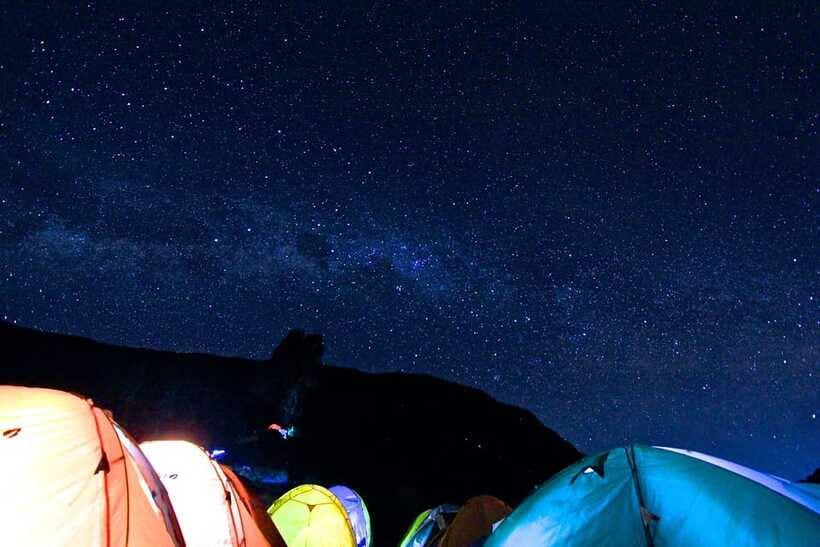
The recommended packing list is practical, and you should treat it seriously because Rinjani isn’t mild at summit time.
Bring:
- Trekking shoes (not included)
- Headgear and a thick coat or jacket (warm layers matter)
- A headlamp/flashlight for long, early hours (a long-life flashlight is mentioned)
- A small towel
- Personal medicine
- A digital camera and/or handy cam if you want the full visual record
- Warm clothes beyond what you’d wear on a normal Lombok day
You’ll also see a note about short pants for the natural sauna. That’s a unique detail—so if you plan to use warmer geothermal spots, bring something that’s comfortable for that. Even then, you still need proper cold-weather layers for nights and early mornings.
And don’t forget the daypack angle: there’s mention that a small daypack is possible to rent, but it’s not clearly included. If you hate the idea of borrowing gear, bring your own small daypack so you can keep essentials within reach.
Getting from the mountain back to Lombok comfort
After the trek, you’ll transfer back to the Lombok side, with transportation included to areas listed as Bangsal, Senggigi, and Mataram (spelled inconsistently, but that’s the clear intent). You also get a free Kuta Lombok option mentioned, which could help if you’re staying in that area.
One small practical win: your backpack storage in the office is included. That’s great if you want to keep only what you need for the trek and store the rest safely while you hike.
Who this trek suits best (and who should rethink it)
This hike is for people with a good fitness level and the ability to walk long distances. The altitude adds pressure, so it’s not for anyone hoping for an easy day.
People who suffer from mountain sickness or who have height phobias are not allowed to join. There’s also a minimum age of 10.
If you’re the kind of traveler who likes structured days—start, rest, climb, eat, camp, summit timing—this fits well. If you’re looking for a casual, flexible hike where you can stop whenever you want for photos and still catch sunrise, you’ll want to choose another plan or confirm how flexible the timing is with your guide.
Should you book this Mount Rinjani 2D/1N summit trek?
I’d book it if you want a serious climb to 3,726m with real support: English-speaking guiding, professional porters, meals, water, and crater-rim camping included. The combination of summit timing and the crater-rim night is the core value, and the practical inclusions (like cooking gear and daily nutrition) make it feel fair for the price.
I’d pause before booking if you’re very sensitive to cold or you don’t have warm layers. The sleeping-bag situation can be inconsistent, and summit mornings are cold. Also, if hot springs are a big part of what you’re dreaming about, remember that rain-season conditions can make geothermal warmth less noticeable.
If your goal is the summit sunrise experience with guided safety and a full-service trekking setup, this is a strong pick—just go prepared for the cold, and you’ll get the kind of mountain memory you can’t download.
FAQ
How long is the Mount Rinjani summit trek?
It runs for 2 days.
What’s the highest point you hike to?
The summit is listed at 3,726 meters.
Do I need my own tent and sleeping gear?
No. Tent, sleeping bags, and sleeping mats are included, along with a toilet tent and toilet paper.
Is there an English-speaking guide?
Yes. The live tour guide is English, and there are also porters.
How much water and food are provided?
You get food and drinking water during the trek, including 3 liters of mineral water per person per day and 3 meals each day.
What’s not included in the tour price?
Not included items include pre-trek accommodation for the night before the tour, trekking shoes, trekking poles, headgear, jacket/warm clothes, and tips for the guide and porters.
Is national park entry included?
Yes. The national park entry ticket is included at 250,000 IDR per day.
Is free cancellation available?
Yes. You can cancel up to 24 hours in advance for a full refund.