REVIEW · LOMBOK
3 days 2 night trekking Rinjani to Summit and lake
Book on Viator →Operated by Rinjani Trek Adventure · Bookable on Viator
Rinjani starts before your alarm. This 3 days 2 nights trek in Lombok pairs summit sunrise with dramatic crater-lake scenery, plus real time with local Sasak guides and porters in Rinjani National Park. It’s a physical challenge, sure, but the payoff is the kind of view that makes the effort feel worth it.
I especially love the way the trip stays organized from pickup to finish, with English-speaking guiding and a clear rhythm to every day. I also like that you’re not hauling everything yourself: you’ll get porters for food and trekking equipment, plus camp setup basics like tents, sleeping gear, and even a toilet tent.
One thing to consider: this trek asks for strong fitness and it’s not shy about early starts. The summit push begins at 2:30am, and even the descent days involve long walking hours on volcanic terrain.
In This Review
- Key things I’d tell friends before you book
- Price and Logistics: What you really pay (and what’s extra)
- Entering Rinjani with a small crew and real local guidance
- Day 1: Sembalun start, Pos 1–3, and your first crater-rim camp
- What you get on trail (Day 1 through Day 3)
- Day 2: 2:30am summit sunrise, lake + hot spring, and the Senaru rim camp
- Why this day feels different (even if the miles are similar)
- Day 3: 6am sunrise, long descent to Senaru gate, finish around 1pm
- Guides and porters: where the trip earns its strong ratings
- Packing and pacing: how to avoid the common suffering points
- What kind of traveler should book this trek?
- Should you book 3 days 2 nights Rinjani to summit and lake?
- FAQ
- Where do we meet, and what time does the trek start?
- Do I need to arrange transport to Sembalun or Senaru?
- What time is the summit push, and when is sunrise?
- What’s included in the trek price?
- Are the Rinjani entrance fee and extra costs included?
- Is the trek dependent on weather?
Key things I’d tell friends before you book
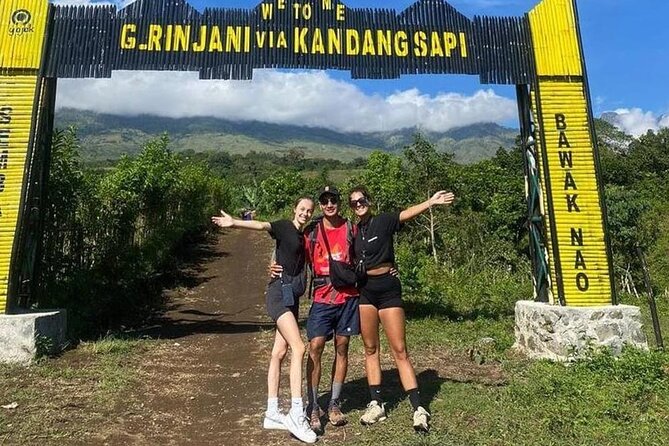
- Max 6 travelers: the pace feels more human and camps are easier to manage.
- English-speaking local guide: you get clear guidance for route, safety, and timing.
- Porters handle your load: your pack stays lighter since they carry food and trekking equipment.
- Camp at the crater rims: you sleep higher up, so mornings feel like a true mountain reset.
- Summit for sunrise: the schedule is built around early light, not casual sightseeing.
- Lake + hot spring time: there’s more than one “wow” moment in 3 days.
Price and Logistics: What you really pay (and what’s extra)
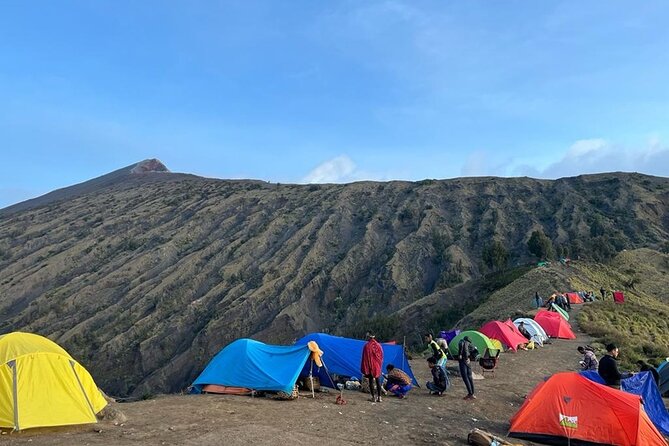
The price is $245 per person for 3 days and 2 nights. In value terms, it covers a lot of the heavy lifting: an English-speaking guide, porter support, food and water while trekking, and camp gear like tents, sleeping bag, mattress, and a toilet tent. For a summit trek, that’s the difference between “adventure” and “logistics headache.”
Two costs commonly come on top, and they matter for budgeting. The Mt. Rinjani entrance fee is listed as IDR 600,000 per person and is not included, and there’s also transport to Senaru on your arrival day at IDR 500,000 per person plus accommodation before trekking at IDR 250,000 per person.
For planning, also note the start time: you meet at 7:00am at Rinjani Trek Adventure in Senaru, and service ends back at the meeting point. If you’re coming from elsewhere in Lombok, build in a little buffer so you don’t arrive stressed.
You can also read our reviews of more tours and experiences in Lombok.
Entering Rinjani with a small crew and real local guidance
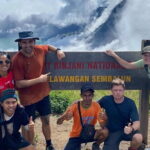
You start by meeting at the company office in Senaru (or the guide can meet you at your accommodation in Senaru village). After briefing, you’ll drive about 45 minutes to the Sembalun area for registration at the Rinjani office and then onward to the walking start point.
This is where the “small group” detail is more than marketing. With a maximum of 6 travelers, it’s easier for the guide to keep your pace steady and your questions answered, especially when you’re walking in low light or weather shifts.
The trip also leans into cultural immersion in a practical way. You’re not just passing through villages; you’ll be working closely with local guides and porters, and you’ll have chances to learn about Sasak culture through day-to-day interaction.
Day 1: Sembalun start, Pos 1–3, and your first crater-rim camp
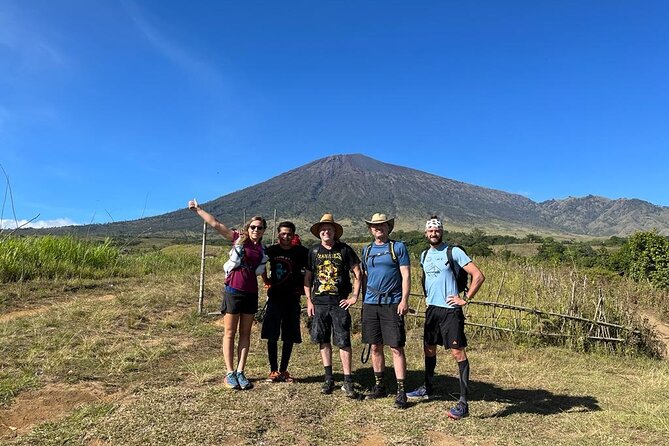
Day 1 is all about getting into the rhythm. You’ll drive into the area around Sembalun village, register, and then begin walking with your team.
From the starting point to Pos 1 takes about 2 hours. There’s a short 15-minute rest after that, then Pos 2 comes in roughly 45 minutes. Lunch is at Pos 2, which is a nice way to break the day into chunks instead of endless hiking.
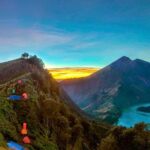
Then it’s on to Pos 3 for about 1 hour, where you’ll rest again before continuing. After that, you push to the Sembalun crater rim camp site, where you’ll spend your first night.
What makes Day 1 worth paying attention to is how gradual it is. You’re building stamina and confidence before the true early-morning summit push. Also, if you’ve ever tried a big trek and felt rushed from the start, this schedule is gentler than many volcano treks that go full send immediately.
What you get on trail (Day 1 through Day 3)
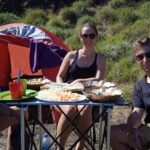
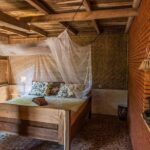
You’ll have food and water provided during the trekking days. There’s also fruit and soft drinks included. Camp support includes tents, sleeping bag, mattress, and a toilet tent, so you’re not reinventing camping in the dark with volcanic wind snapping at your jacket.
Day 2: 2:30am summit sunrise, lake + hot spring, and the Senaru rim camp
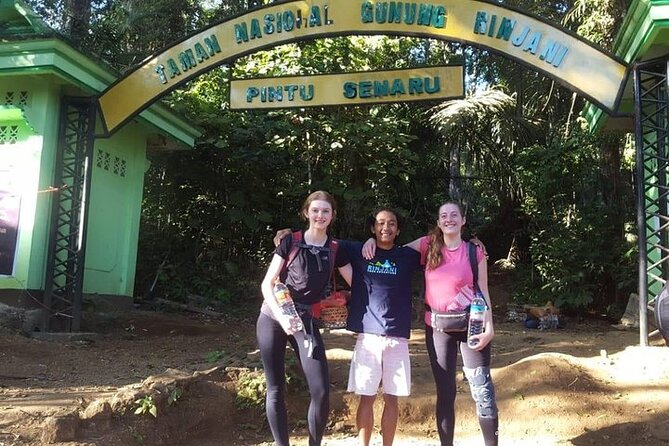
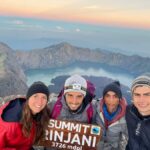
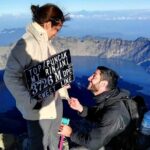
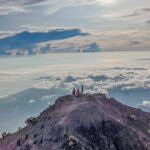
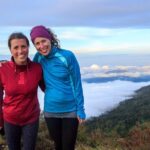
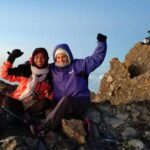
Day 2 is the highlight and the test. You start the ascent to the summit at 2:30am specifically to catch sunrise, which is about 3 hours walking from the summit start time.
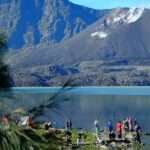
You’ll then walk down for about 2 hours before heading toward the lake and hot spring area. This part of the day is your reward phase: after the steep, early climb, you get a break that’s different from resting at a checkpoint. It’s not just sightseeing; it’s a shift in how your body feels.
From there, you’ll go back up again to the second camp site at Senaru crater rim. The day ends with you sleeping at a higher point again, which sets you up well for a calmer morning on Day 3.
Why this day feels different (even if the miles are similar)
The summit segment is mostly about timing and focus. Walking in the dark means you rely on your guide’s lead, headlamps, and solid footing. Then sunrise changes everything: the terrain goes from “place I’m surviving” to “place I’ll never forget.”
The lake and hot spring are also a smart contrast. A summit trek that’s only about the top can feel empty after. Here, you get the crater lake and hot spring as a second payoff, so the story of Day 2 isn’t one straight line.
Day 3: 6am sunrise, long descent to Senaru gate, finish around 1pm
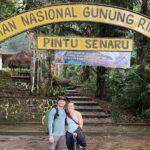
Day 3 starts at 6:00am for sunrise. After that, you’ll hike down to Senaru gate, which takes about 5 hours, and the route includes lunch time on the way.
The whole trekking service finishes around 1:00pm, back at the meeting point area in Senaru. That timing is handy because it gives you part of the afternoon to recover—eat real food, wash up properly, and not feel like you’re still mid-trek when night falls.
Guides and porters: where the trip earns its strong ratings
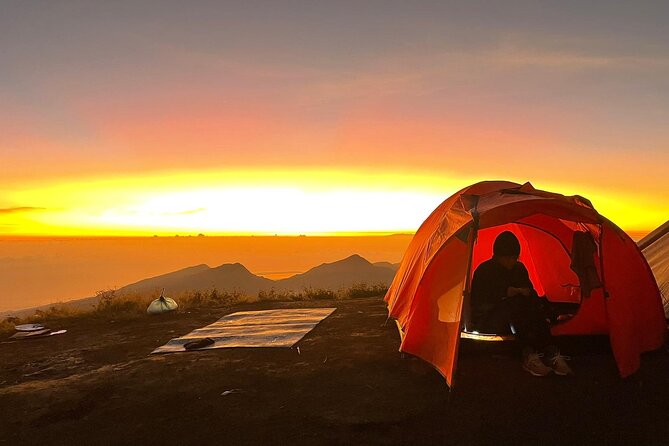
If you care about a trek going smoothly, pay attention to the humans behind it. In the feedback you’ll see repeated themes: guides and porters handle the details, keep people confident on tricky sections, and make the camp experience feel cared for.
Names come up often, including Fahri, Ipan (also written as Ivan/Irpan in some notes), and Adi. The common thread is what you want at 2:30am: clear organization, flexibility when conditions change, and support when the route gets tough.
Porters are the unsung heroes here. You’ll have porter support for carrying food and trekking equipment, and they also contribute to the camp experience with cooking. If you’re worried about comfort at night, that’s a real issue—and this trip includes what you need to sleep (tent, sleeping bag, mattress) so the “hard part” stays the walking, not scrambling for survival gear at camp.
One practical tip you should take seriously from the experience: bring trekking poles. You’ll thank yourself on uneven ground, and extra stability helps a lot during early steep sections.
Packing and pacing: how to avoid the common suffering points
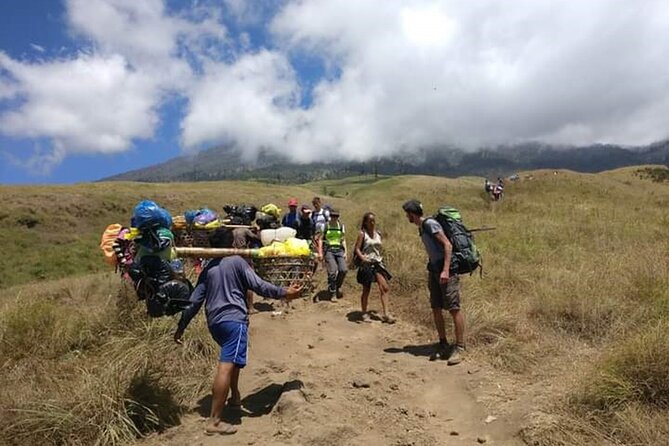
This trek doesn’t give you a choice about effort level, so your job is to manage it. The schedule itself is the clue: you’ll walk multiple hours on Day 1, start the summit at 2:30am on Day 2, then do sunrise and a long descent on Day 3.
Here’s how I’d plan for comfort based on the trip structure:
- Use a lighter pack mindset since porters handle food and trekking equipment, but you still carry your personal items.
- Expect cold early mornings at crater rims; think layered clothing and a warm layer for the pre-sunrise hours.
- Plan for trekking in the dark: pack a reliable headlamp because sunrise starts long before typical daylight.
As for pace, don’t race the first day. Day 1 is your base-building day, and saving energy helps when the summit climb takes over your legs and breath. Your guide’s job is to keep you safe and on-route; your job is to walk steadily and communicate if something feels off.
What kind of traveler should book this trek?
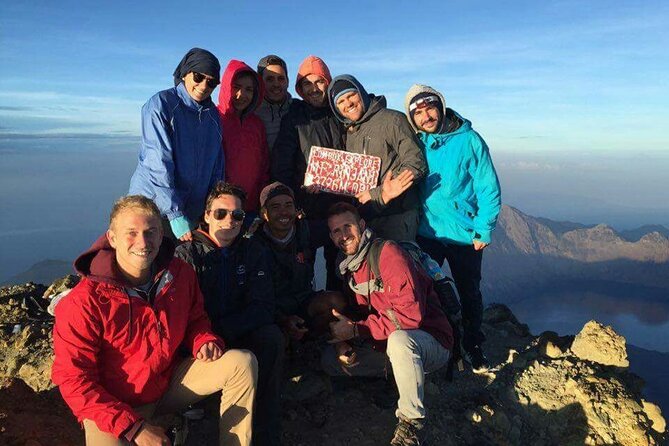
This trip fits you best if:
- You have strong physical fitness, because the itinerary includes early climbs and long walking days.
- You want an experience that’s more than just a checklist sunrise moment—there’s crater rim camping, a lake segment, and hot spring time.
- You prefer a small-group trek with hands-on guiding rather than a crowd.
It may not be the best choice if you’re looking for an easy hike, or if you’re allergic to early starts and long descents. Also, if weather is likely to be rough, know that the trek is subject to conditions and may be rescheduled.
Should you book 3 days 2 nights Rinjani to summit and lake?
I’d book it if you want a real mountain trek with strong structure: a clear schedule, porter support, campsite gear included, and a plan built around summit sunrise plus lake and hot spring time. The value is strongest when you factor in what’s covered (guiding, food and water, camp setup basics) and when you’re comfortable paying the entrance fee and local transport/accommodation extras.
I’d think twice if you don’t have strong fitness for the early summit push at 2:30am, or if you hate long days on volcanic terrain. This is the kind of trek where preparation matters more than attitude.
If you like climbing with a small team, want local guidance in practical ways, and are chasing more than one big moment in a short window, this one belongs on your shortlist.
FAQ
Where do we meet, and what time does the trek start?
You meet at Rinjani Trek Adventure (Jl. Pariwisata, Dusun Magling, Senaru). The start time is 7:00am, and the trek ends back at the meeting point.
Do I need to arrange transport to Sembalun or Senaru?
On arrival day, transport to Senaru is not included (IDR 500,000 per person). Once you’re in Senaru, the schedule includes a drive (about 45 minutes) to the trek starting area in Sembalun.
What time is the summit push, and when is sunrise?
The summit trek starts at 2:30am so you can reach the summit for sunrise. Day 3 also includes waking at 6:00am for sunrise.
What’s included in the trek price?
Included items are an English-speaking local guide, porter experience for carrying food and trekking equipment, food and water, fruit and soft drinks, and camping gear like tents, sleeping bag, mattress, and a toilet tent.
Are the Rinjani entrance fee and extra costs included?
No. The Mt. Rinjani entrance fee is IDR 600,000 per person and is not included. Also not included: accommodation before trekking (IDR 250,000 per person) and arrival transport to Senaru (IDR 500,000 per person).
Is the trek dependent on weather?
Yes. The experience requires good weather, and if it’s canceled due to poor weather, you’ll be offered a different date or a full refund.