REVIEW · LOMBOK
Popular Rinjani Trekking Tour Service To Summit For 2 Days Via Sembalun Trail
Book on Viator →Operated by Bas Rinjani · Bookable on Viator
Going up Rinjani fast keeps the trip exciting and focused, and the Sembalun trail is a smart route for a short Lombok getaway. What makes this package especially interesting is the mix of practical logistics (pickup, park ticket, insurance, mobile ticket) and real mountain time, not just a drive-and-photos plan.
I like two things most. First, you get a full support setup with an English or Melayu-speaking local guide, a porter for each person, and camping gear like a double-size tent, toilet tent/portable toilet, sponge mattress, cooking set, and more. Second, the food is built for the climb: full board meals on the mountain (breakfast, lunch, dinner) plus snacks and mineral waters, with extra treats like fresh fruit and fried banana.
One thing to consider: the experience requires a good-weather window, and the package communication can be the weak point. In past feedback, the climbing itself and the team work well, but arranging details before you go may take more patience than you’d like.
In This Review
- Key highlights to know before you go
- Why a 2-Day Rinjani Summit via Sembalun is a real travel choice
- Day-by-day: what the climb actually feels like
- Arrival day: greeting, orientation, and the Senaru base
- Day 1: Sembalun Village to the crater rim
- Day 2: Crater rim to Punggungan and the summit
- Camp setup and meals: the included comforts that make a fast trek possible
- Guides, porters, and group size: how the human support changes everything
- Waterfall stop: how Sendang Gile and Tiu Kelep fit in
- Price and logistics: is $243 good value for a 2-day summit?
- Weather and cold: the two things that decide your success
- Who this trek suits best (and who should think twice)
- Should you book Bas Rinjani’s 2-day summit trek?
- FAQ
- How long is the Rinjani summit trek via Sembalun?
- Where does the trek start?
- Is pickup and transport included?
- Do I need to arrange the park entrance fee?
- What’s included for meals and water?
- Is camping equipment included?
- How many people are in the group?
- What fitness level do I need?
- What happens if the trek is canceled due to weather or if I cancel?
Key highlights to know before you go
- Sembalun route for a summit-focused 2-day push with clear daily stops and a crater-rim night
- Porter support built in: one porter per person, plus cooking and camp setup help
- Full board mountain meals and water included, with snack breaks and tea/coffee
- Transport included from key Lombok hubs, plus drop-off at your next stop
- Basic but workable accommodation in Senaru on the night before trekking (if you use it)
- Waterfall time on the return via Sendang Gile and Tiu Kelep
Why a 2-Day Rinjani Summit via Sembalun is a real travel choice
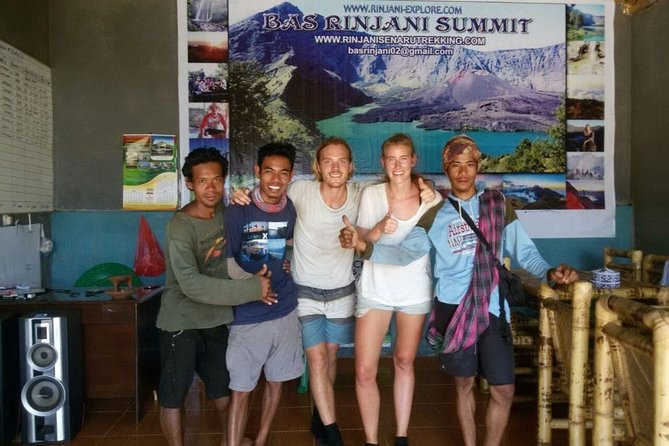
A 2D/1N or 2D/2N Rinjani experience can turn into a festival of “just get through the day.” This one is different because it’s built around one main goal: getting you to the summit with a short, structured timeline. That makes it a strong option when you only have a couple of vacation days on Lombok.
You also get a lot of “ready-to-trek” support for the price. The package doesn’t just hand you a map and wish you luck. It lines up a guide, porters, and the cooking and camping basics, so you can spend your mental energy on breathing, footwork, and staying warm.
The route starts at Sembalun (via park office and trekking start points) and works through the key segments toward the crater rim, then up again toward Punggungan and the summit. In other words, you’re not wandering in the dark or improvising the hardest part.
You can also read our reviews of more tours and experiences in Lombok.
Day-by-day: what the climb actually feels like
Arrival day: greeting, orientation, and the Senaru base
Your first move is simple: you arrive in Lombok, then you get picked up and greeted at a starting point that fits you (airport, harbor, Mataram City, Senggigi, or Kuta Mandalika). The plan then uses Senaru as a staging area, with a night hotel accommodation in the village (unless you choose to go direct to trekking with your own accommodation).
This matters because Rinjani is not a “wander in anytime” kind of mountain. The day before the summit push is where you want to be calm, rested, and ready to pack smart for early starts.
Day 1: Sembalun Village to the crater rim
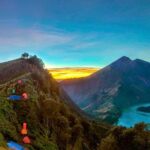
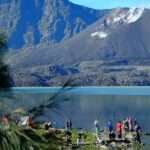
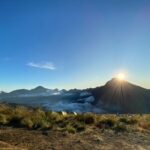
On the first trekking day, the climb begins from Sembalun Village, passing through the Rinjani National Park office and the main start points (POS 1, POS 2, POS 3). The highlight at the end of the day is Sembalun Crater Rim.
Why I like this structure: it gives you a clear sense of progress. Even if you’re tired, you know the day isn’t random. You’re moving through marked segments toward a defined end point where the mountain night happens.
Also, because the package includes the camp setup basics, you’re less likely to arrive exhausted and then spend hours solving camp logistics. You’ll still feel the fatigue, but you won’t be fighting gear problems.
Day 2: Crater rim to Punggungan and the summit
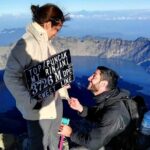
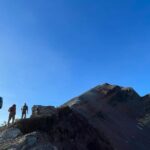
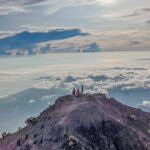
The second day starts at the Sembalun Crater Rim and continues through Punggungan before pushing for the Rinjani summit. After the summit, the route comes back down toward Sembalun Village and then returns you to Senaru Village for the next step of your trip.
This is the day that demands the most from you. The upside is that you’ve already “learned” the mountain rhythm on Day 1, even if it hurt a bit. By Day 2, you’re not guessing how the altitude and steep sections will feel—you’re adapting.
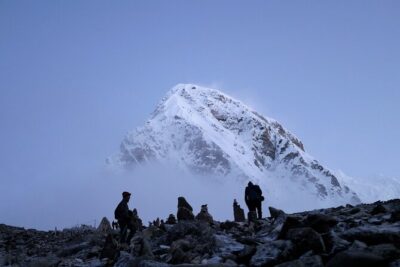
One more practical note: one piece of advice that shows up in feedback is to treat the cold seriously. Bring warm layers (a down jacket is specifically mentioned in one translated review), and don’t assume “it’s only a little trek.” At elevation, the temperature can catch you off guard.
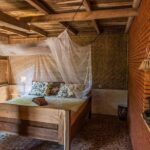
Camp setup and meals: the included comforts that make a fast trek possible
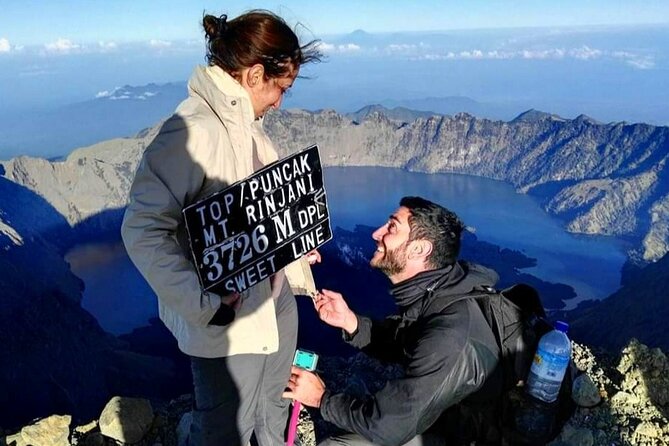
This package gives you a clear set of camping and trekking support items. The idea is to keep your personal load manageable and reduce the chance of missing something critical at altitude.
Here’s what’s listed as provided:
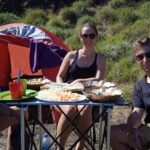
- Double size tent
- Toilet tent / portable toilet
- Sponge mattress
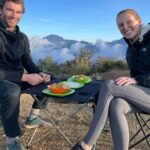
- Cooking set and mountain chair
- Trekking pole, gloves, flashlight
- Rain coat (on rainy season) and pillow
That lineup matters because comfort is not just about luxury. A warm head, a dry camp, and decent sleep can decide whether Day 2 feels heroic or just miserable.
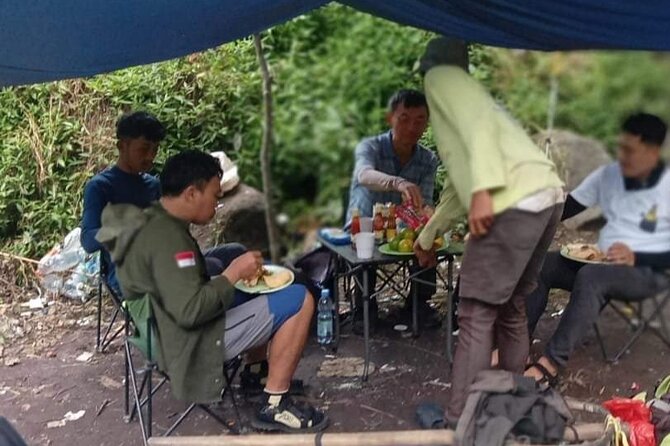
Food on the mountain is also built to keep you moving. You get:
- Full board meals on the mountain: breakfast, lunch, dinner
- Snacks and mineral waters during the trek
- Mineral waters with a safe bottle
- Tea and coffee
- Fresh fruit and fried banana
There’s also a soft-drinks list, including the option for beer Bintang on request. It’s not essential, but it’s a nice morale booster after the hard sections.
If you’re the type who hates paying for water and small snacks every few hours, this inclusion is a real value point. You can focus on pacing instead of budgeting minute-by-minute.
Guides, porters, and group size: how the human support changes everything
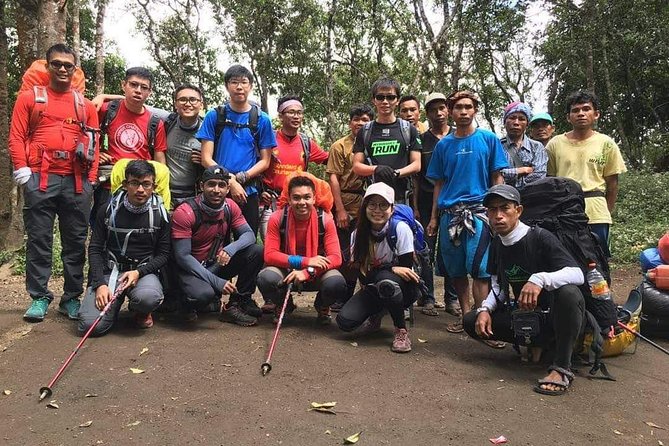
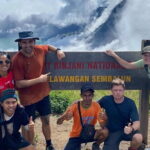
This trek caps at 15 travelers, which is a big deal. On a mountain like Rinjani, smaller groups usually mean less chaos at tight points and fewer “everyone stop, nobody knows what to do” moments.
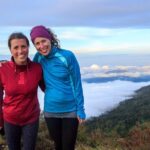
You’ll have an expert local guide with English or Melayu support. In feedback, Azmy comes up for helping from the moment you arrive in Lombok, and Madel is named as an incredible help during the hike. Porters Topen and Andi are also mentioned for going beyond expectations.
Another detail that I find reassuring: the porter ratio is one porter for one person. That typically means you’re not stuck dragging a heavy pack while the guide walks light.
That said, one realistic consideration is communication with the company. Some past experiences highlight that the climbing crew can be fantastic, while coordination before the trip can be frustrating. If you’re the kind of traveler who needs everything confirmed early, build in extra time for back-and-forth and ask key questions right after booking.
Waterfall stop: how Sendang Gile and Tiu Kelep fit in
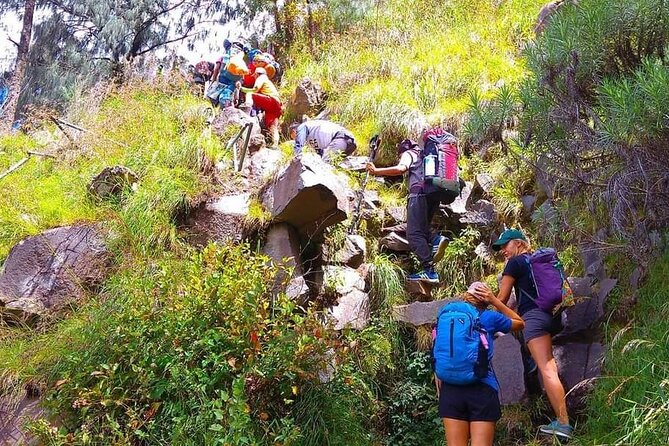
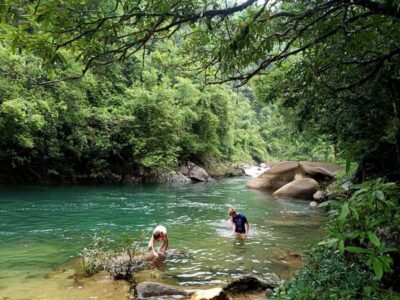
The package includes a stop at Sendang Gile and Tiu Kelep Waterfall. Practically, that gives you something fun after the summit effort, without turning the whole trip into a museum day.
A waterfall day also balances the trek psychology. When you’ve spent hours thinking about your legs and breath, it feels good to switch to something softer: standing near water, moving at a slower pace, and letting your mind unclench.
Just remember: waterfall terrain still has uneven ground. Wear shoes you trust, and keep your footing careful.
Price and logistics: is $243 good value for a 2-day summit?
At $243 for about 2 days and 5 hours (approx.), the real question is what you’re getting for that money.
This package includes:
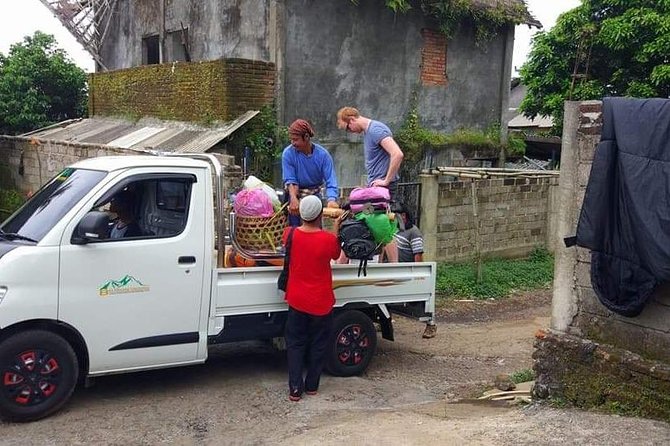
- Pickup from major Lombok spots (airport, harbor, Mataram City, Senggigi, Kuta Mandalika)
- Return/drop to your next destination
- One night hotel accommodation in Senaru (if you use the package lodging)
- Entrance fee / Rinjani National Park ticket
- Trekking insurance
- Guide and porters (1 porter per person)
- Camping and trekking equipment (the key mountain basics)
- Full board mountain meals plus snacks and water
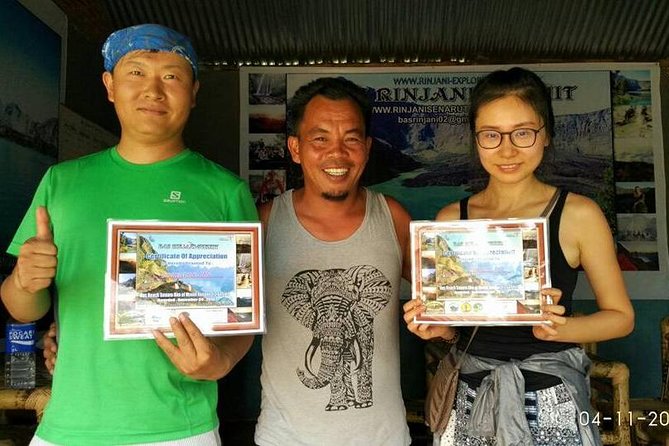
- Trekking certificate of appreciation
- Mobile ticket
That’s a lot of included items for a short summit plan. Even if the hotel is “basic,” it’s still a step up from trying to manage everything yourself while keeping the climb schedule tight.
Where the value can feel less smooth is if communication delays cause stress. The climbing side and camp support are consistently praised, but admin coordination can take more patience than you’d expect. If you go in calm and plan for small hiccups, you’ll likely feel the price is fair for what you get.
Weather and cold: the two things that decide your success
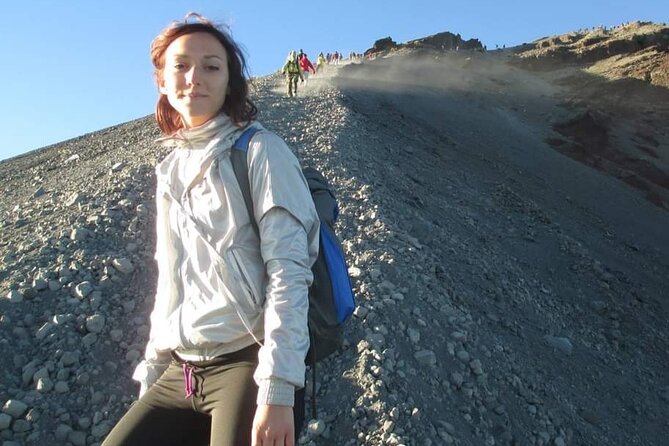
This experience requires good weather. If conditions are bad, it can be canceled and you’ll get a different date or a full refund. That’s not a “maybe,” it’s part of how volcano treks work.
Cold is another real factor. One piece of feedback specifically mentions that the mountain can be colder than you expect and recommends bringing a down jacket. Even if the package provides a rain coat during the rainy season, you still need warmth for summit conditions.
Plan your clothing around layers and warmth. If you show up underdressed, the trek won’t stop, but your comfort will suffer.
Who this trek suits best (and who should think twice)
This is a good fit if:
- You have limited time and want the summit focus on a short schedule
- You’re comfortable with a moderate fitness level and steady climbing
- You want an organized team (guide + porters) and included camp basics
- You like the idea of a defined climb structure rather than roaming
It may be a tougher match if:
- You dislike basic accommodation and want more comfort than what’s offered in Senaru
- You need perfect, fast communication from booking to departure
- You’re sensitive to cold and don’t want to bring proper warm layers
If you’re the kind of traveler who likes authentic mountain effort more than resort-style convenience, this package can land really well.
Should you book Bas Rinjani’s 2-day summit trek?
I’d book this if you want the summit experience without spending days handling logistics. The included support—guide, porters, equipment, park ticket, insurance, meals, water, and transfers—is exactly what makes a short summit plan realistic.
I would pause if you’re the type who gets anxious when details aren’t perfectly handled from the start. In past feedback, the mountain work was strong, but the company communication needed improvement. If you book, take responsibility for clarity: confirm the pickup time, meet point, and what happens if weather changes.
FAQ
How long is the Rinjani summit trek via Sembalun?
It runs for about 2 days and 5 hours (approx.), following a 2-day trekking structure with an additional arrival/greeting and base-night option.
Where does the trek start?
The trekking starts from Sembalun Village, including stops through the Rinjani National Park office and trekking start points.
Is pickup and transport included?
Yes. Pickup is offered from the airport, harbor, Mataram City, Senggigi, and Kuta Mandalika, with transport back or drop-off to your next destination.
Do I need to arrange the park entrance fee?
No. The package includes the entrance fee / Rinjani National Park ticket.
What’s included for meals and water?
You get full board meals on the mountain (breakfast, lunch, dinner) plus snacks and mineral waters during the trek, along with tea/coffee and other included items like fresh fruit and fried banana.
Is camping equipment included?
Yes. Equipment listed includes a double size tent, toilet tent/portable toilet, sponge mattress, cooking set, mountain chair, trekking pole, glove, flashlight, rain coat (on rainy season), and pillow.
How many people are in the group?
The experience has a maximum of 15 travelers.
What fitness level do I need?
The trek is suited for people with a moderate physical fitness level.
What happens if the trek is canceled due to weather or if I cancel?
If the experience is canceled due to poor weather, you’ll be offered a different date or a full refund. You can cancel for a full refund up to 24 hours in advance; within 24 hours, the amount paid isn’t refunded.