REVIEW · TAD LO
TAD LO TREK – Waterfalls and ethnic villages
Book on Viator →Operated by Tad Lo Tours · Bookable on Viator
Waterfalls and village life in one morning. This Tad Lo half-day hike blends an 11 km walk around the Bolaven Plateau with visits to ethnic villages and stops at Tad Hang, Tad Lo, and Tad Soung. What I like most is how the group stays small (max 8) and how Robin and Kong bring the area to life with clear, French-and-English storytelling.
There is one thing to plan for: it’s a moderate walking experience, and bottled water isn’t included, so you’ll want to come ready.
In This Review
- Key highlights at a glance
- Tad Lo half-day: why this walk feels different
- Getting started at 8:00 and keeping logistics painless
- Villages on the route: more than a quick look
- Waterfall mornings: Tad Hang, Tad Lo, and Tad Soung
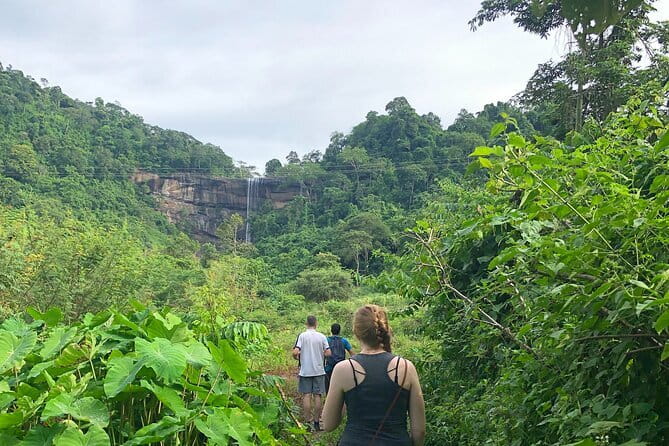
- The walk: about 11 km through forests, plantations, and rice fields
- Guides that actually explain the place
- Food, water, and what to pack for comfort
- Price and value: what you’re really paying for
- Who this tour suits best (and who might skip it)
- Timing, weather, and staying flexible
- Should you book Tad Lo Tours?
- FAQ
- How long is the Tad Lo waterfalls and ethnic villages tour?
- What’s the walking distance?
- Are pickup and a mobile ticket included?
- What do the guides speak?
- Is bottled water included?
- What happens if the weather is bad or the minimum group size isn’t met?
Key highlights at a glance
- Max 8 people keeps the pace calm and village visits respectful
- Robin + Kong guide you with French and English, plus local context
- Three waterfall stops built into one morning outing
- Ethnic village visits linked to Ngae, Khatu, Souay, and Ta Oi communities
- Snacks included, with no bottled water provided
- A donation portion supports the villages and places you visit
Tad Lo half-day: why this walk feels different
The Tad Lo area sits on the loop of the Bolaven Plateau, and this tour uses that setting the right way. You get a morning outdoors, but it’s not only about pretty views. The route is built around real daily life—forest paths, plantations, rice fields—and short village visits that explain how people live here.
I like that the tour doesn’t rush into a checklist of photos. With a small group size and two guides who know the area, you spend time walking, then stopping to understand what you’re seeing. Even the waterfalls are treated as places tied to the wider route, not as one-and-done photo moments.
This is also a budget-friendly way to get guide-led access. At $22 per person, you’re not just paying for movement—you’re paying for guided interpretation, snacks, and included fees and taxes. Add in the donation piece from each reservation, and the morning has a purpose beyond tourism.
Getting started at 8:00 and keeping logistics painless

The tour starts at 8:00 am near the Palamei Guesthouse road in Tad Lo, and it ends back at the same meeting point. That simple start and finish matters in a place where not every ride is exactly on schedule.
Pickup is offered, and the experience uses a mobile ticket. If you like having things confirmed and ready to go, this setup fits that style well. The tour also runs with a maximum of 8 travelers, which tends to make the timing smoother than on bigger group outings.
One practical point: the tour is “near public transportation,” so if you’re staying a bit farther out, you won’t be totally dependent on pickup. Still, if you want the easiest start, take advantage of pickup.
Villages on the route: more than a quick look
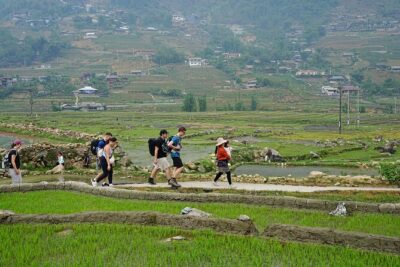
You’ll visit village areas around Tad Lo, including communities such as Ngae, Khatu, Souay, and Ta Oi. The tour includes multiple stops in village hamlets and viewpoints tied to the walk, not just a single roadside photo stop.
The itinerary includes places such as Ban Senvang, Ban Khiangtangle, Ban Tadsoung, and Ban Lanong, and it also includes Tad Hang as a village area tied to the route. Even with names like these, what matters is how the guides frame them: daily routines, how people think about the land, and why the waterfalls and fields fit into life here.
I especially like that the guides are set up to explain culture in context. Kong is local and works with the tourist office for 15 years, so he can connect what you see to how people navigate the area day-to-day. Robin has lived in Tad Lo for 10 years and brings a Western-and-Lao perspective through his French and English guidance.
A possible downside is that village visits are always time-sensitive and weather-sensitive. You should expect a morning rhythm where the exact pace can change depending on the path, the water level, and how comfortable people are with stopping.
Waterfall mornings: Tad Hang, Tad Lo, and Tad Soung

This is one of those tours where the waterfalls aren’t an add-on. They are key stops that shape the whole morning.
You’ll visit:
- Tad Hang
- Tad Lo
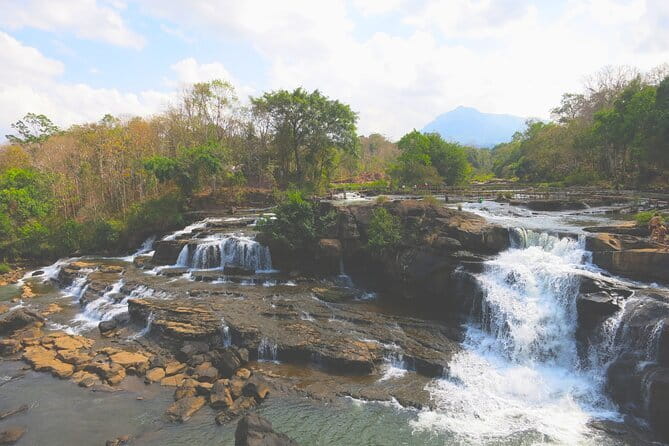
- The base of Tad Soung
What I like is the balance. Instead of only viewing falls from the same safe spot, you build in walking segments that bring you closer, then give you time to cool down near the water. In past outings with this style of tour, people have had chances for snacks in scenic spots, including time near the waterfall.
One practical consideration: waterfall areas can be slippery. Even if you’re not doing anything extreme, you’ll want shoes with grip and confidence on wet stones and forest paths. If you like taking photos, this is a great morning because light changes fast in this kind of terrain.
Also, note the walking route is long enough that you’ll feel the day by the time the last falls stop ends. Don’t plan a big second activity right after—keep your afternoon light.
The walk: about 11 km through forests, plantations, and rice fields
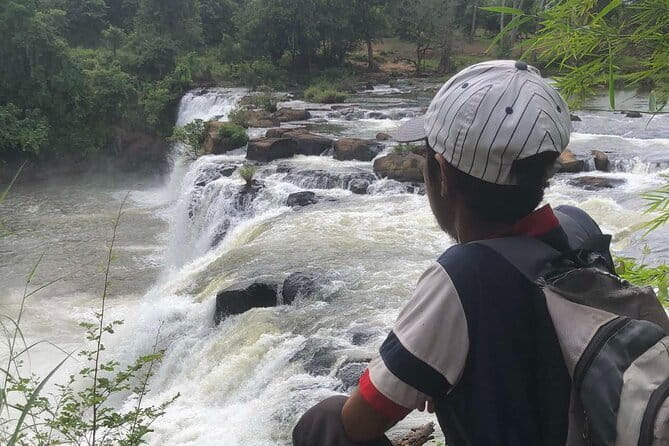
The walk is listed as about 11 km and runs around 4–5 hours total. In real life, that means you’ll be moving for a while, with stops that break it into manageable pieces. Reviews tied to this tour style also mention distances around the 12 km range, which makes sense if the route adds a bit of extra viewing or rerouting.
This is marked as a moderate fitness experience. That doesn’t mean it’s a hardcore trek, but it does mean you should be comfortable walking steadily, sometimes on uneven ground. Expect a mix of forest paths and agricultural areas—rice fields, plantations, and rural footpaths—so it’s not one long track of identical terrain.
If you enjoy hiking for the small moments—footprints of daily work, irrigation edges, the way paths connect villages—you’ll get a lot out of this morning. If you want a short walk with minimal effort, this may feel like more than you want.
Guides that actually explain the place

This tour is guided in a way that makes the whole morning feel connected. The two named guides—Robin and Kong—are central to that.
Robin is described as a French guide who speaks excellent English, and he’s lived in Tad Lo for 10 years. Kong is local and has worked with the tourist office for 15 years. That combo matters: you get language access, plus local knowledge, plus cultural context that goes beyond “here is a waterfall.”
I also like that the guides encourage questions. If you’re the type who wants to understand what you’re seeing and how daily life fits together, this style of tour rewards that curiosity.
One more thing: the tour can be flexible. In cases where trekking isn’t possible, the guide has adapted to an alternate format, like switching to a ride route. If you have any mobility concerns, it’s worth asking what can be adjusted to keep you comfortable while still hitting the core stops.
Food, water, and what to pack for comfort

Snacks are included, and that helps a lot on a morning hike. Still, bottled water is not included, which means you need a plan before you start walking. Some people rely on buying water nearby, but the safest approach is to bring your own bottle.
Other smart packing ideas, based on what this tour includes:
- Grippy shoes for waterfall areas and uneven paths
- Light rain protection, since you need good weather for the tour to run
- A small daypack so you can keep hands free during village stops
If you’re planning to swim in or near the waterfall areas, be practical about timing and traction. Water moments are part of the appeal, but the path around them can be the real test.
Price and value: what you’re really paying for

At $22 per person, this tour isn’t just cheap—it’s structured well for value. You get:
- Guiding service
- Snacks
- All fees and taxes
- An admission ticket that’s listed as free for the included sightseeing
When you break it down, you’re paying for time with two guides who speak French and English, and for access to places that are harder to find on your own. The small group size (up to 8) is also a value factor, because it tends to mean less crowding and more time spent answering questions.
Then there’s the donation portion. A portion of funds from each reservation is invested directly into donations to support villages and places visited. I like when tours don’t pretend to be neutral and instead build some direct benefit into the experience.
The main thing you should weigh is effort. If you want a low-effort nature walk, you might prefer a gentler option. But if you’re happy to walk 11 km for waterfalls and village learning, the price feels fair.
Who this tour suits best (and who might skip it)
This is a strong fit if you:
- Want a half-day outdoors without committing to a full-day hike
- Enjoy village context, not just scenery
- Like guided explanations and question-friendly pacing
- Prefer small groups (max 8)
It may be less ideal if you:
- Don’t handle walking on uneven ground well
- Want a long stop for relaxing by the water (the morning is paced around multiple stops)
- Forget to bring water and end up uncomfortable mid-walk
If you’re traveling solo, a small group still works well because the pace stays personal. If you’re with friends who want photos and learning, the guide duo structure helps keep the morning organized.
Timing, weather, and staying flexible
This experience requires good weather. If conditions are poor, it may be rescheduled or you can request a full refund. That’s important because the route includes walking and waterfall areas where rain can make paths slick.
Also, there’s a minimum number of travelers requirement. If the group doesn’t meet it, you’ll be offered a different date or experience, or a full refund. The practical takeaway: if your schedule is tight, keep an eye on your flexibility.
As for timing, you start at 8:00 am and finish back at the meeting point. That makes it easy to build an afternoon with something lighter—because you’ll still have energy for later, but you won’t want another long hike right after.
Should you book Tad Lo Tours?
I’d book it if you want a morning that connects waterfalls, village visits, and an actual guided story—all in one compact 4–5 hour window. The small group limit, the guide team of Robin and Kong, and the included snacks make it feel like good planning, not just a random walk.
I’d skip it or ask questions first if you’re worried about the moderate walking part or you hate the idea of bringing your own bottled water. If you show up prepared and you’re curious about daily life in the Tad Lo area, this tour is the kind of day you’ll remember for the people and the route, not only the photos.
FAQ
How long is the Tad Lo waterfalls and ethnic villages tour?
The tour runs about 4 to 5 hours, starting at 8:00 am and ending back at the meeting point.
What’s the walking distance?
The tour includes an approximately 11 km walk.
Are pickup and a mobile ticket included?
Pickup is offered, and you’ll use a mobile ticket for the experience.
What do the guides speak?
The guides speak French and English.
Is bottled water included?
Snacks are included, but bottled water is not included.
What happens if the weather is bad or the minimum group size isn’t met?
The experience requires good weather. If it’s canceled due to poor weather, you’ll be offered a different date or a full refund. If it’s canceled because the minimum number of travelers isn’t met, you’ll also be offered a different date/experience or a full refund.