REVIEW · HANOI
Sapa 2 days 1 night trekking Lao Chai Ta Van – Fansipan mountain by cable car
Book on Viator →Operated by Mountain Light Travel · Bookable on Viator
Rice terraces and a giant peak in 48 hours.
This Sapa trip strings together village walks, ethnic-culture stops, and a cable-car day to Fansipan without needing serious mountain climbing. You get a chance to see terrace farming in the valley and learn how daily life works in Hoang Lien National Park communities. One thing to plan for: you will want proper trekking shoes, and the included meals may not match every palate.
Two parts I really like are the village focus and the way the day is structured so you’re not rushed. First, you’ll spend time in Lao Chai and Ta Van areas, with time to watch terraced fields and observe daily routines at a human pace. Second, the Fansipan cable car day is a smart trade: you still get mountain views, but you skip the hard ascent.
A possible drawback is that the tour includes dinner and two lunches, but at least one guest found the food not to their taste. If you’re picky about flavors, consider packing a small snack you enjoy.
In This Review
- Key things to know before you go
- Hanoi to Sapa the easy way: sleeping bus + pickup
- Y Linh Ho and Lao Chai: terrace views with ethnic-culture context
- Ta Van village walking: where daily life feels close-up
- Back in Sapa: Viet Flower hotel dinner + free evening time
- Fansipan by cable car: views without the full climb
- Guides make the difference: how Sao, Khu Ly, Phenh, Zu, and Cha add value
- Price and value: what $125 per group really covers
- What to pack and how to handle the walking
- Who this trip suits best (and who might want a different pace)
- Should you book it?
- FAQ
- What is the duration of the Sapa Lao Chai Ta Van trip?
- Where are you picked up in Hanoi?
- What is the hotel included in the tour?
- Are meals included?
- Are entrance fees included?
- Do I get a guide for Fansipan?
- How long do I spend in Lao Chai and Ta Van?
- What physical shape do I need?
- What should I bring for trekking?
- What happens if the weather is bad?
- Is cancellation refundable?
Key things to know before you go
- Black Hmong terrace country: stop at Y Linh Ho on the way, known for rice terraces and mountain backdrops.
- Lao Chai village time: about 6 km from Sapa, with an easy introduction to valley life.
- Ta Van village experience: about 15 km from Sapa toward the southeast, in park territory, with time for village walking.
- Guide-led culture explanations: many guides (Sao, Khu Ly, Phenh, Zu, Cha) are praised for clear English and helpful context.
- Fansipan by cable car: ride up to Vietnam’s famous peak without the full-day climb.
- Small group size: maximum 15 travelers, which makes the pacing feel manageable.
Hanoi to Sapa the easy way: sleeping bus + pickup
I like that this trip starts with a late-evening minibus pickup in Hanoi’s Old Quarter area (around 21:00–21:45), either at your hotel or at 80 Tran Nhat Duat Street. That matters because you’re not burning a whole day commuting.
Then you’re sent off on the round-trip transfer by sleeping bus. In practice, this is one of the best ways to make the logistics work when you want a real Sapa experience without adding extra hotel nights. You also get one bottle of water per way, which is a small but thoughtful detail on long travel days.
What I’d watch: you’re trading comfort for speed. Sleeping buses can feel tight. If you know you’re a light sleeper, bring earplugs and a neck pillow so you can actually rest.
You can also read our reviews of more tours and experiences in Hanoi.

Y Linh Ho and Lao Chai: terrace views with ethnic-culture context
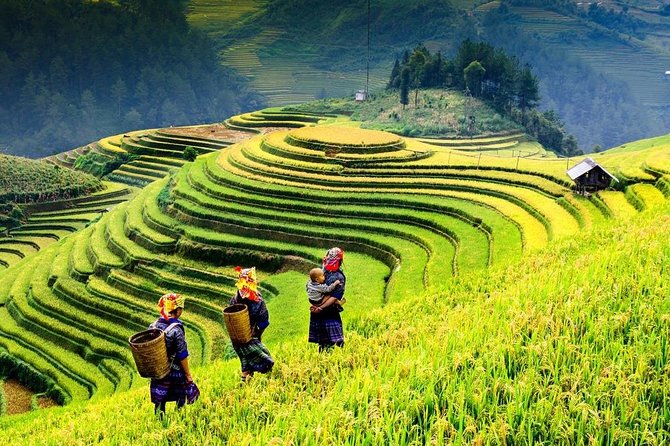
Daytime in Sapa can be hit-or-miss if you only do the main-town overlooks. What makes this route better is that you see the villages and the farming landscape early.
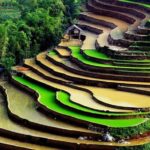
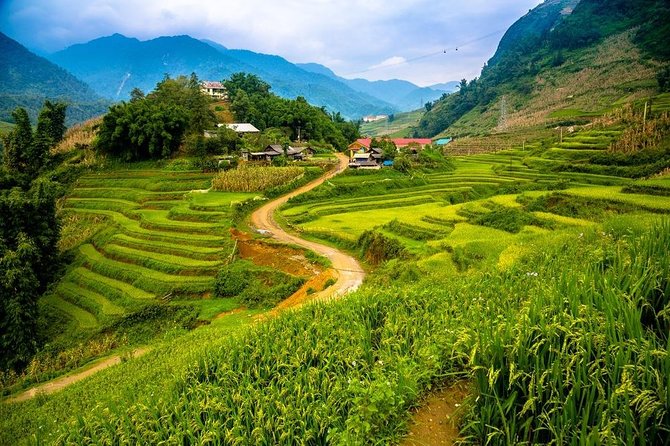
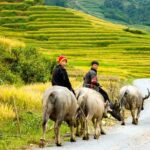
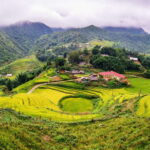
On the way to Lao Chai, you’ll pass Y Linh Ho, a small Black Hmong village known for terrace rice fields with dramatic mountain views. This roadside stop is short, but it’s a great reality check. You see what people are working with: steep terrain, layered fields, and villages shaped by the valley.
Then you’ll reach Lao Chai village. The name translates in local dialect as the old village. It’s about 6 km from Sapa town and sits at the start of the Muong Hoa Valley. You’ll have around 1 hour there, and entrance is free.
Why I think that timing works: one hour is enough to get your bearings—how the houses sit, how the terrace farming frames the area, and how villagers move through their daily routines—without turning it into a rushed checklist stop. It’s also a good warm-up for the bigger walking day in the next village.
A practical consideration: expect uneven paths and steps around houses and field edges. You don’t need mountaineering gear, but you do need footwear that can handle mud, rocks, and slick spots.
Ta Van village walking: where daily life feels close-up
The heart of the experience is Ta Van village, where Giay and Dao ethnic communities live. You’ll be in Hoang Lien National Park territory, about 15 km from Sapa toward the southeast. This stop lasts about 3 hours, again with entrance free, and it’s paired with lunch at a local restaurant.
This is the part of the trip that tends to stick with people. The reviews I saw kept returning to two themes: guides who explain what you’re seeing in real terms, and views that make you pause without being staged for tourists.
In plain language, what you’re looking for here is rhythm. You’ll likely notice how farming seasons shape the pace of daily life, and how the village layout responds to the slopes. If you come with curiosity, this is the best time to ask questions and practice noticing rather than speed-walking for photos.
One more note: lunch is included, but it’s still restaurant food. If you’re sensitive to spice or you have dietary needs, you’ll want to plan carefully. At least one guest said the food wasn’t their taste, even though it was fine.
Back in Sapa: Viet Flower hotel dinner + free evening time
After Ta Van, you’ll return toward Sapa and get a little breathing room. There’s about 1 hour of free time after lunch, built in for rest and simple exploring before the transfer back to Sapa.
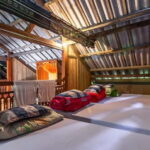
Then you’ll check in at Viet Flower hotel, have dinner (included), and get time to explore Sapa at night on your own. You also get a deluxe room, which matters on this kind of trip. After village walking and travel, it feels good to have a real base where you can shower, reset, and charge your devices.
What you should do with the free time: keep it simple. Look for a nearby café or a short stroll in town. Sapa evenings can be cooler, so a light layer is smart. The tour won’t force an activity here, and that flexibility is a plus.
Fansipan by cable car: views without the full climb
The next morning is all about Sun World Fansipan Legend. This part is important: the day does not include a tour guide, so you’re free to explore after breakfast.
You’ll have roughly six hours for the complex and the views, with the cable-car ticket included. Fansipan is described as the highest mountain of Indochina, and the cable car is the big win here. You get altitude and perspective without needing the same level of physical effort as a full hike.
Then around 12:39–13:30, you return to the hotel for lunch. After lunch, you head back toward Hanoi. The bus leaves around 15:00–15:30 and you’re dropped off around 21:30.
What to consider: because your time at Fansipan is unguided, you’ll want to be proactive. Have your phone charged, plan for weather changes, and decide early what you want to prioritize—views, rides, viewpoints, or photos. If you wait until you’re tired, you’ll miss the best angles.
Also, the tour notes that this experience needs good weather. Clouds and mist can blunt visibility, even if the ride itself is still impressive. If weather turns, the operator may offer a different date or a full refund.

Guides make the difference: how Sao, Khu Ly, Phenh, Zu, and Cha add value
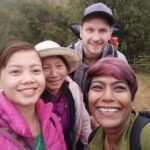
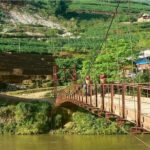
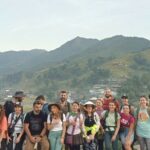
Even with a fixed itinerary, the day can feel flat or meaningful depending on your guide. The strongest pattern from the experiences I reviewed is that the guides are friendly and quick to explain what you’re seeing—often in clear, practical English.
Names came up again and again: Sao is praised for being warm and for sharing history and culture. Khu Ly stands out in feedback for being deeply familiar with the local area and for sharing farming and agriculture context during the hikes. Phenh gets repeated credit for being kind, helpful with pictures, and fluent enough to make the village stories land. Zu earns strong praise for humor, friendliness, and translating traditions into something you can actually understand. And Cha is noted for giving lots of village information, including harvesting practices.
Why this matters for you: ethnic villages aren’t “a show.” When you understand what you’re looking at, you’ll feel less like you’re watching from outside and more like you’re learning the local logic behind everyday life.
One more tip: don’t hold back with questions. Ask what crops they plant, how they time farming, what matters most in village life. With guides who communicate well, you’ll get answers that make the photos far more meaningful.
Price and value: what $125 per group really covers
The listed price is $125 per group (up to 1 person per group size listed in the info). Even when the exact headcount rules vary by booking, the value is clear in what’s included.
You’re paying for a package that covers:
- Round-trip Hanoi–Sapa transfer by sleeping bus
- Hotel: deluxe room at Viet Flower
- Meals: dinner, 2 breakfasts, and 2 lunches
- Entrance fees (included)
- Fansipan cable car ticket
- Pickup and transfers on the route
- A mobile ticket
That’s not just convenience. It also reduces the risk of budgeting mistakes. In a region like Sapa, where transport and entry fees add up quickly, a bundle helps you keep control.
What you’ll likely still pay for:
- Drinks
- Personal expenses
- Tips/ gratuities (not included)
My advice: budget a bit for snacks and water beyond what’s included. It keeps you comfortable during stops and helps if you’re picky about food choices.
What to pack and how to handle the walking
This tour calls for moderate physical fitness, which fits what most people will feel: some village walking, uneven ground, and some stairs or slope edges around houses and terraces.
Based on a common guest note, trekking shoes are a must. Even if your walk looks short on paper, the ground can be unpredictable. Wear shoes with grip and support. Avoid brand-new shoes that haven’t been broken in.
Also bring:
- a light rain layer (Sapa weather can shift fast)
- a warm layer for mornings/evenings
- a small day bag for water, phone, and snacks
And since the route includes cold-weather elevation, plan for temperature swings.
Who this trip suits best (and who might want a different pace)
This experience is a good fit if you want:
- a village-centered Sapa visit (Lao Chai + Ta Van time)
- a realistic mix of culture stops and views
- Fansipan without committing to a full climb
- a setup with hotel + meals + most entries handled for you
You might want to consider a different style of tour if:
- you hate group pacing (even with a max of 15, there’s still a schedule)
- you’re very picky about included meals
- you need a fully guided experience at Fansipan (this part is unguided)
Should you book it?
If you want the best kind of Sapa sampler—terraced villages in the valley plus Fansipan by cable car—this is a strong choice. I’d book it if you like learning through people and you’re okay with some walking on uneven ground. Bring trekking shoes, expect changing weather, and use your guide time to ask questions. If you do that, you’ll come away with more than a few scenic photos.
One last decision helper: if your main goal is the peak view and you don’t want a punishing climb, the cable-car day is the key selling point. If your main goal is pure hiking endurance, you may find this a more comfort-friendly version of Sapa trek life.
FAQ
What is the duration of the Sapa Lao Chai Ta Van trip?
It runs for about 3 days.
Where are you picked up in Hanoi?
You’re picked up from Hanoi Old Quarter hotels or at 80 Tran Nhat Duat Street around 21:00–21:45.
What is the hotel included in the tour?
The tour includes a deluxe room at Viet Flower hotel.
Are meals included?
Yes. The tour includes dinner, 2 breakfasts, and 2 lunches.
Are entrance fees included?
Yes. All entrance fee items are included.
Do I get a guide for Fansipan?
No. The Fansipan (Sun World Fansipan Legend) day does not include the tour guide, so you explore after breakfast.
How long do I spend in Lao Chai and Ta Van?
You’ll spend about 1 hour in Lao Chai and about 3 hours in Ta Van.
What physical shape do I need?
The tour is listed for moderate physical fitness level.
What should I bring for trekking?
You should plan on wearing trekking shoes, especially for the walking parts.
What happens if the weather is bad?
The experience requires good weather. If it’s canceled due to poor weather, you’ll be offered a different date or a full refund.
Is cancellation refundable?
You can cancel up to 3 days in advance for a full refund. If you cancel less than 3 days before, the amount paid is not refunded.