REVIEW · CHIANG MAI
3-Day Chiang Dao Mountain Trek
Book on Viator →Operated by ActiveThailand · Bookable on Viator
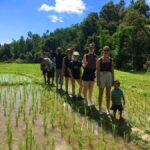
Remote trails start just outside Chiang Mai. This 3-day guided hike sends you into the Chiang Dao mountains for ridge walking, bamboo and jungle trails, and hill tribe village time with homestay meals. I like that the trip keeps things small (max group size is listed as 10–12) and that you get real local rhythm, not just view stops. One thing to consider: it is physically demanding, and village nights can be loud with dogs and roosters.
What really makes this trek work is the human side. Guides such as Mr. Tan and Mr. Sap focus on practical trail skills plus day-to-day nature and culture (including plant tasting along the way), and you’re never left sorting logistics on your own. The likely drawback is that the accommodation is basic by hotel standards, so you’ll want to go in with the right expectations and pack light for the 45L backpack rule.
In This Review
- Key points worth your attention
- Chiang Dao feels wilder than most northern Thailand day trips
- Price and value: what $256 covers (and why it matters on a trek)
- Your guide makes or breaks this kind of trek
- From the market stop to the Maetang River valley: the day-by-day plan
- Day 1: pickup, a local market, then the first taste of the mountains
- Day 2: ridge and jungle walking for a tougher day
- Day 3: breakfast, then a three-hour descent and a riverside lunch
- Homestay nights: authentic, usually clean enough, and sometimes loud
- What to pack: the 45L rule and the clothing that actually helps
- How hard is it, really? Fitness, pace, and smart knee care
- Who this trek is best for (and who should skip it)
- Weather, route changes, and keeping your expectations steady
- Should you book the 3-Day Chiang Dao Mountain Trek?
- FAQ
- What time does the trek start in Chiang Mai?
- Is hotel pickup included?
- How many meals are included?
- Are beverages included?
- What fitness level do I need?
- Is this trek suitable for children?
- What should I bring for the trek?
- Can I request vegetarian meals?
- What happens if weather is bad?
- How late can I cancel for a refund?
Key points worth your attention
- Small-group trekking with a cap listed as 10–12 people, so the hike stays personal
- Homestay nights with home-style Thai meals included in the schedule
- Hike structure: climbing days early, then a longer descent to the Maetang River valley
- Guide-led nature moments, including plant tasting and lots of trail explanations
- Practical comfort tip: village noise is real, so bring earplugs
- Pack-light setup: you carry a 45L backpack through the trek
Chiang Dao feels wilder than most northern Thailand day trips
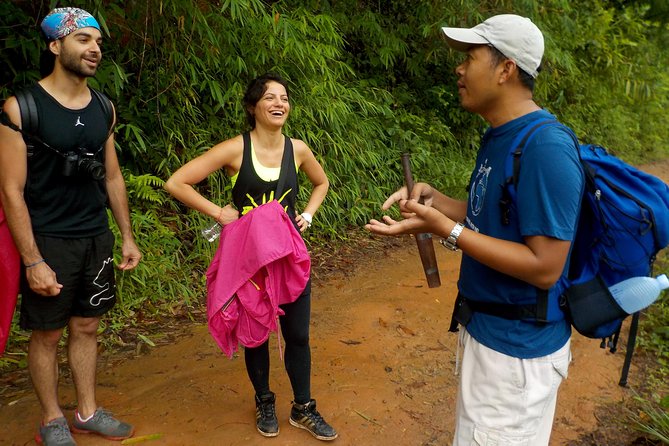
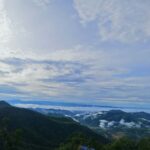
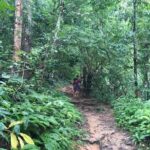
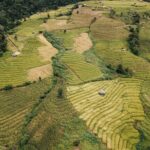
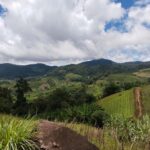
Chiang Dao is close enough to reach from Chiang Mai fast, but it feels worlds away once you’re on foot. The mountains sit north of town, and the itinerary is built for getting out of easy driving range. You spend days moving through bamboo, jungle trails, and mountain ridges, plus you get time in the Maetang River valley area rather than just skimming the edges.
I also like the pacing that the schedule implies. You start with a city-to-mountain transition, then you spend day 2 working harder with cross-trail jungle walking, and day 3 becomes the payoff day with a three-hour descent and a river valley change in scenery. That structure helps you mentally switch from city mode to hiking mode, and it keeps you from feeling like the trip is just one long slog.
If you’re chasing a simple sightseeing break, this probably won’t feel simple. Think more: steady effort, guide-led moments, and nights that feel like you’re staying with locals because you are.
You can also read our reviews of more tours and experiences in Chiang Mai.

Price and value: what $256 covers (and why it matters on a trek)
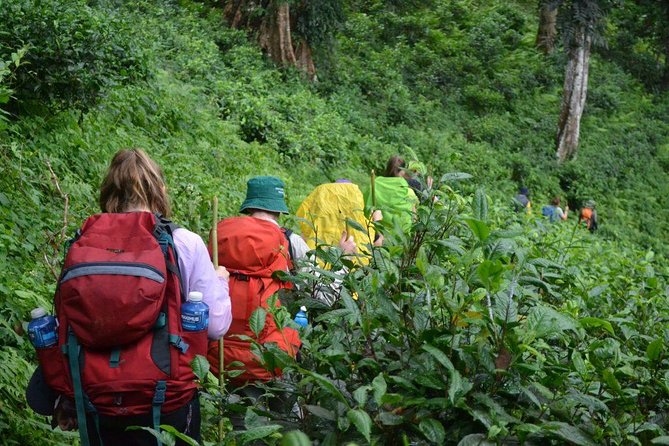
At $256 for an approx. 3-day tour, the value is mostly in what’s included and what’s not. You’re not paying for a bus tour with a driver and a guide who shows up only at the start. You’re paying for round-trip transport from Chiang Mai, a guide for the full hike, and a full food schedule built into the trek days.
Included meals are listed as:
- Breakfast (2)
- Lunch (3)
- Dinner (2)
That matters because hiking days eat calories fast, and homestay settings can make it awkward if you’re trying to buy food on your own. The tour also includes hotel pickup (within the second ring road radius) and a pickup in Chiang Mai area via the listed start meeting point. In short: fewer gaps to plan, fewer decisions during the hike.
What’s not included is also clear: beverages at local homestays and restaurants, plus personal spending. So if you’re the type who buys drinks casually at stops, budget for that. Also note the tour asks you to travel light because you’re carrying your gear in a 45L backpack the whole way.
Your guide makes or breaks this kind of trek
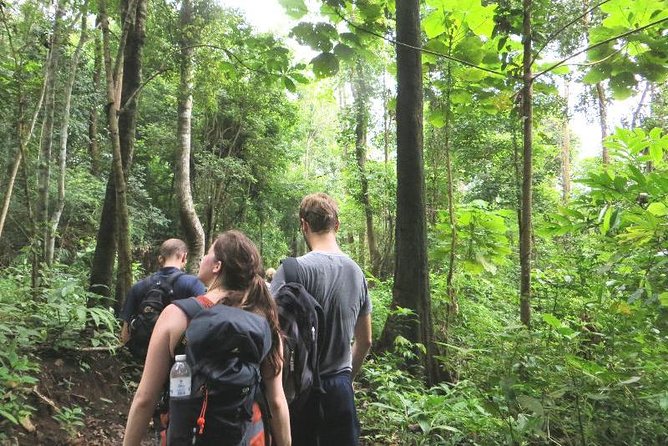
This trek is the kind where the leader matters because trails can get overgrown and navigation is part of the experience. The program is guided, and you’ll be hiking with an experienced person who knows the mountains and the people in the villages.
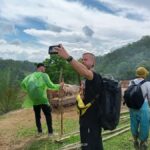
Across the trip experiences, guides like Mr. Tan and Mr. Sap come up often. The common thread is how they turn the walk into learning time: nature explanations along the trail, plant tasting moments, and a calm focus on keeping the group moving safely. One detail that stands out is that the guide often handles more than guiding. There are accounts of the guide cooking the meals, which means the food feels connected to the walk and the homestay setting rather than outsourced catering.
One practical takeaway for you: this is not a hike where you wander on your own for hours. You’ll be following the guide’s pace and route choices, so you’ll want to communicate honestly about your ability level early in the trip.
From the market stop to the Maetang River valley: the day-by-day plan
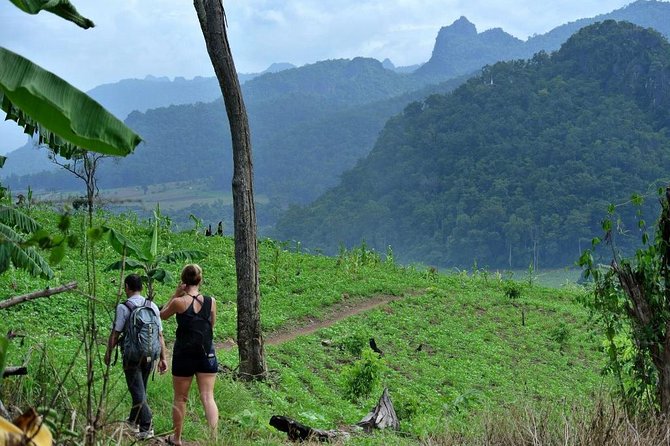
Day 1: pickup, a local market, then the first taste of the mountains
Your day starts with pickup in Chiang Mai city (within the second ring road radius). The schedule also notes pickup at 8:30am, before driving north to reach the Chiang Dao area. Along the way, there’s a stop at a local market where your guide can introduce ingredients you’ll later see used in the food rhythm of the trek.
The exact hiking length on day 1 isn’t fully detailed in the schedule you have, but the day is clearly set up as a transition day. You’re escaping the city, learning the basics of the route, and getting your first stretch of mountain walking.
What to watch for: even day 1 can include some uphill and uneven ground. If you’re carrying a daypack plus the 45L backpack rule for your main kit, start conservative.

Day 2: ridge and jungle walking for a tougher day
Day 2 starts with breakfast on the move. The schedule mentions locally grown tea or coffee from the surrounding plantation, which is a nice touch because it connects you to the area before the tougher walking day begins.
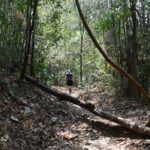
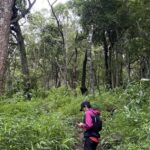
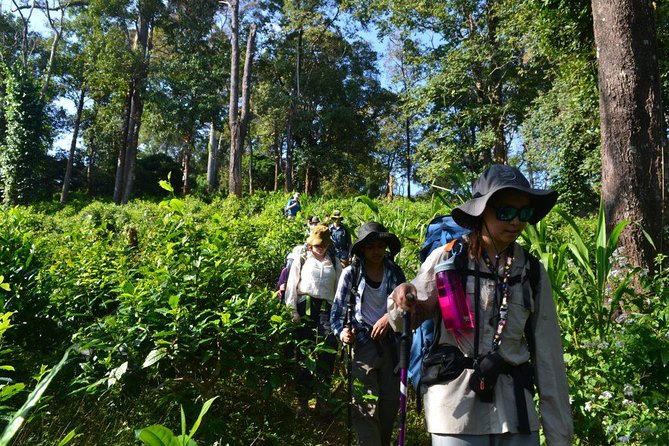
This is your challenging day through a variety of jungle and criss-crossing trails, following mountain ridges and moving between trail sections that change feel. You’re not just walking a single straight line. You’re changing terrain often, and that means you’ll work different muscles and need to watch your footing more than you would on a paved path.
If you’re someone who struggles on steep downhills, this is also where your knees will get attention. Even though the day is described as ridge and jungle trail travel, the common reality of mountain hiking is that you’ll have up-and-down moments even when the route sounds mixed.
Day 3: breakfast, then a three-hour descent and a riverside lunch
Day 3 begins with breakfast on the mountain before your final leg. The schedule calls out a three-hour descent to the Maetang River valley below, and that descent is where you notice the scenery shift. Instead of hanging on ridges and dense trail sections, you start moving into a more valley feel.
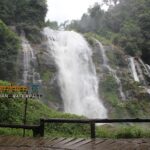
There’s a stop at a waterfall for a break, plus lunch in a tranquil riverside setting. Then you drive back toward Chiang Mai, keeping the day from stretching into a full travel marathon.
One smart approach: treat the descent as the big effort of day 3. Descents can be more taxing than climbs for some people because of knee strain. If you use trekking poles, this is usually where they earn their keep.
Homestay nights: authentic, usually clean enough, and sometimes loud
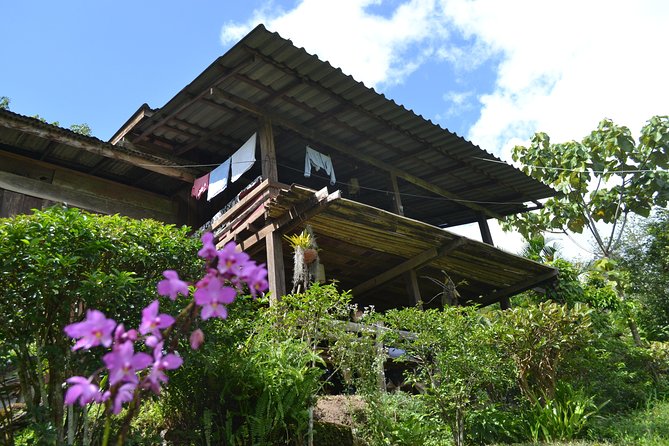
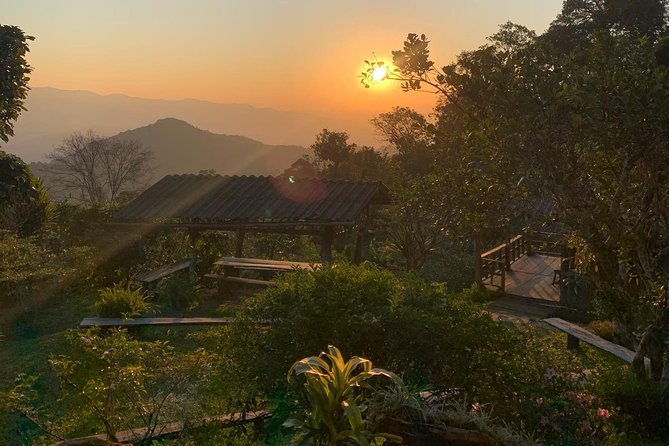
You’ll stay in hill tribe village homestays. That sounds romantic, and it can be. But it’s also practical: expect basic accommodations, shared spaces, and the sounds of village life.
Several trip experiences highlight that homestays can be clean and basic in a workable way, sometimes with electricity powered by solar. That’s not a guarantee for every night, but it does suggest you’re not signing up for a survival situation.
The part you should take seriously is noise. Dogs and roosters can be loud at night, and you’ll hear village activity because that’s the point of staying there. Bring earplugs. It’s one of the easiest upgrades you can make to your comfort without changing your route.
Also remember you’re packing for walking. Your kit should fit in a 45L backpack you carry through the trek. That constraint pushes you toward simple layers, a rain plan, and a small sleep setup. Think practical over precious.
What to pack: the 45L rule and the clothing that actually helps
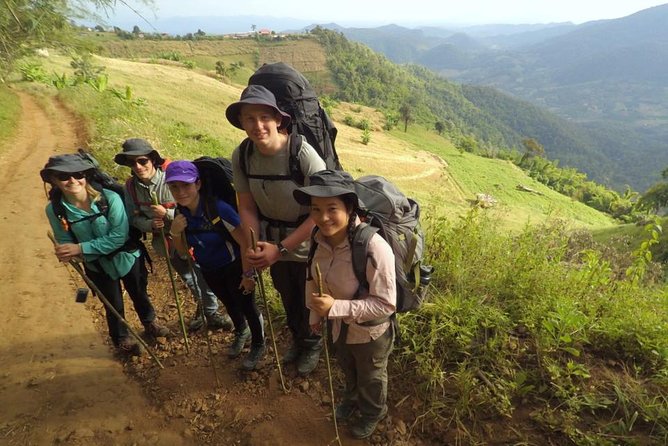
The program is clear: limit personal effects so they fit in a 45L backpack, which you carry through the trek. That means you should avoid bulky items, heavy jackets you can’t layer, and anything you’d regret carrying for hours.
The tour also says you’ll receive a kit list based on the season. So before you go, check what the operator sends you and pack to match current weather.
At minimum, the schedule asks for suitable outdoor clothing and hiking boots or runners. Here’s how I’d translate that into your packing list:
- Wear broken-in shoes. Don’t start brand new boots on this kind of uneven walking.
- Pack layers. Mountain mornings and daytime jungle walking can differ fast.
- Bring something for rain. The tour requires good weather, but weather can still shift.
- Use a lightweight daypack structure so you can move comfortably.
If you plan to be comfortable at night, pack for basic homestay conditions. You can’t count on hotel-level amenities, and noise management matters more than you might think.
How hard is it, really? Fitness, pace, and smart knee care
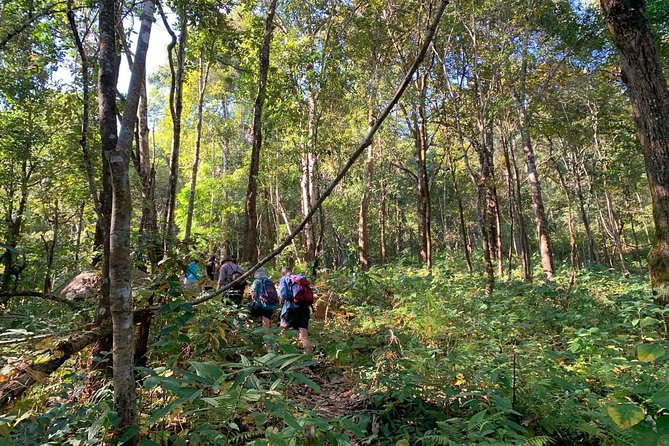
This trek is aimed at people with moderate fitness. The details you have specify that participants should be able to hike 5 to 6 hours on up-and-down ground. The schedule also notes the trek isn’t suitable for children under 10 unless they’re used to multiple hours of hiking.
In plain terms: you should be ready for a steady walking day with uneven terrain. Day 2 is described as a tough hike with climbing and criss-crossing trails. Day 3 includes a long descent, which can feel brutal even when your lungs feel fine.
If you want to reduce knee pain on descents:
- Slow your pace on downhill sections.
- Use trekking poles if you have them.
- Keep steps shorter so your knee doesn’t slam into each stride.
- Stay hydrated even if you don’t feel thirsty.
You also want to keep your expectations realistic about changing trails. The experience can include stretches where the path isn’t perfectly clear, which is exactly why you’re relying on your guide.
Who this trek is best for (and who should skip it)
You’ll likely love this if:
- You want an off-the-beaten-track trek beyond quick day hikes
- You’re excited by village homestays and real food included in the plan
- You like guided nature learning, including plant tasting and culture context
- You can hike 5–6 hours with some steep and uneven ground
You might want to skip if:
- You want a low-effort trip, or you get frustrated on steep descents
- You’re traveling with kids who aren’t used to long hiking days
- You are extremely noise-sensitive and can’t handle village overnight sounds
One more fit note: groups are small, which helps, but it also means your attitude matters. If you’re flexible and enjoy the shared pace, the trip tends to feel smooth.
Weather, route changes, and keeping your expectations steady
The tour requires good weather, and if poor weather forces a cancellation, you’ll be offered a different date or a full refund. That’s important because jungle treks can become unsafe when conditions are bad.
You should also expect the exact route to adjust sometimes. In some trip experiences, routes have changed due to outside circumstances, but the core idea stayed the same: jungle walking, mountain time, and village interactions. So keep your plan open and treat the trek as adaptable.
Should you book the 3-Day Chiang Dao Mountain Trek?
Book it if you want a guided mountain trek with real local texture: homestays, home-cooked Thai meals, small-group hiking, and guide-led nature learning with people like Mr. Tan or Mr. Sap.
Skip it if your dream Thailand trip is mostly comfortable sitting, short walks, and quiet nights. This trek is for hikers who can handle 5–6 hours on mixed terrain and who won’t be surprised by village sounds after sunset.
If you’re reading this and thinking, I can do the hike and I’m okay with basic accommodations, then this is strong value for the experience you get.
FAQ
What time does the trek start in Chiang Mai?
The start time is 9:00am, with the meeting point listed at Le Dta’ Wan Food Market.
Is hotel pickup included?
Yes. Hotel pickup is offered in Chiang Mai city within the second ring road radius, and pickup is also scheduled at 8:30am before driving north.
How many meals are included?
The tour includes breakfast (2), lunch (3), and dinner (2).
Are beverages included?
No. Beverages at local homestays and restaurants are not included.
What fitness level do I need?
You should have a moderate physical fitness level and be able to hike 5 to 6 hours on up-and-down ground.
Is this trek suitable for children?
It is not suitable for children under 10 years old, unless they are used to multiple hours of hiking.
What should I bring for the trek?
You should wear suitable outdoor clothing and hiking boots or runners. You’ll also get a kit list based on the season, and your personal effects should fit in a 45L backpack you carry during the trek.
Can I request vegetarian meals?
Vegetarian meals need to be planned in advance. You should advise the operator at time of reservation.
What happens if weather is bad?
The experience requires good weather. If it’s canceled due to poor weather, you’ll be offered a different date or a full refund.
How late can I cancel for a refund?
You can cancel up to 3 days in advance for a full refund. If you cancel less than 3 days before the experience start time, the amount paid is not refunded.