REVIEW · KATHMANDU
Annapurna circuit Trek
Book on Viator →Operated by Nature Explore Trekking Pvt Ltd · Bookable on Viator
One trek. Many cultures. High passes.
If you want Annapurna mountain views plus real village life, this itinerary hits both. You’ll move through changing religions and cultures as you gain elevation, cross big cols, and end with a practical finish in Pokhara.
What I like most is that the trip runs with airport transfers and ground transport so you’re not hunting for details mid-journey. Food is handled day after day with breakfast, lunch, and dinner, plus tea or coffee on the trail, and even fresh fruit after dinner. A fair heads-up: this route still includes serious altitude work, including a Thong-la pass at 5,416m, so you’ll want a solid baseline fitness and patience with slower pacing.
In This Review
- Key things that make this Annapurna Circuit worth a serious look
- Why the Annapurna Circuit itinerary feels like a real Nepal mix
- Price and logistics: what $998 buys you (and what it doesn’t)
- Day-by-day breakdown: from Kathmandu wake-up call to Pokhara finish
- Day 1: Kathmandu hotel time, then you’re ready for the trail
- Day 2: Kathmandu to Dharapani via Besisahar (7–8 hours)
- Days 3–4: Dharapani to Chame to Upper Pisang (4–5 hours each)
- Day 5: Chame to Manang via upper trail (7–8 hours)
- Day 6: Acclimatization day in Manang
- Day 7: Manang to Yak Kharka (3–4 hours, ~4,060m)
- Day 8: Yak Kharka to Thorong basecamp or Thorong Phedi (~4,500m)
- Day 9: Thorong Phedi/Basecamp to Muktinath via Thong-la pass (7–8 hours)
- Day 10: Muktinath to Marpha via Jomsom (6–7 hours, ~2,650m)
- Day 11: Marpha to Tatopani by bus/jeep (5 hours, ~1,190m)
- Day 12: Tatopani to Pokhara (6 hours, ~740m) and you’re done
- Guides and porter support: where the experience really shows
- What you should do to make staff support work for you
- What’s included on the ground: accommodation, water, and daily comforts
- Packing and preparation: don’t let the pass day catch you unready
- Who this trek suits best (and who might want a different plan)
- Should you book Nature Explore for the Annapurna Circuit?
- FAQ
- What time and where does the trek start?
- How long is the Annapurna Circuit trek?
- What’s included for meals and drinks on the trek?
- Are airport transfers included?
- Are permits included for the Annapurna area?
- Is trekking equipment included?
Key things that make this Annapurna Circuit worth a serious look
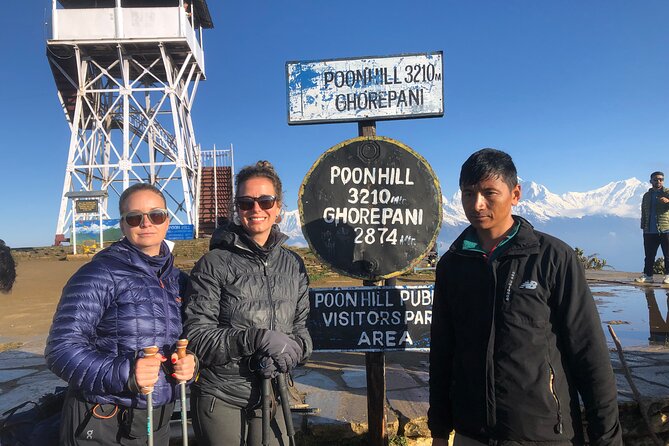
- Door-to-door help: airport pick-up and drop-off, plus transport during the trek by shared bus or jeep
- Food and water handled: all meals, tea/coffee, treated drinking water, and fresh fruit after dinner daily
- Permits included: Annapurna Conservation Area entrance permit and TMIS card
- Staff support: experience guide and porter support (sporting staff) built into the price
- Warmth provided: Nature Explore trek down jacket (refundable after the trip), duffle bag, and a t-shirt gift
- Designed for altitude: an acclimatization day and staged elevation before the Thong-la pass
Why the Annapurna Circuit itinerary feels like a real Nepal mix
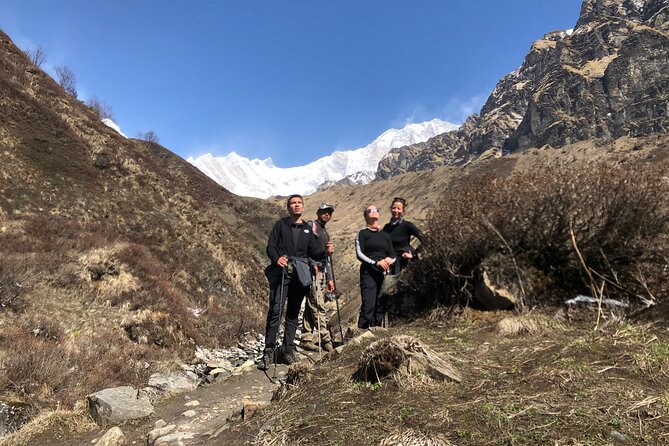
The Annapurna Circuit is one of those treks where the country changes as your altitude changes. You start in Kathmandu, then drive into the trekking world, and gradually work your way up through villages and guesthouses while the air gets thinner. Along the way, you’re not just chasing photos. You’re passing through communities where religion and culture aren’t separate topics—they show up in everyday life.
This route also gives you multiple “mood swings” in a good way. You’ll be walking in higher terrain by mid-trip, then shifting down again toward Marpha and Tatopani. That makes the later days feel like a payoff rather than a one-way grind.
There’s a reason this trek is famous, and it’s not only the views. It’s the rhythm: travel days that set you up, trekking days that build steadily, and a planned acclimatization pause before the big pass day.
You can also read our reviews of more tours and experiences in Kathmandu.
Price and logistics: what $998 buys you (and what it doesn’t)
At $998 per person for about 12 days, the value depends on what you hate dealing with. If you prefer a trek where meals, permits, and transport aren’t your job, this package is built for that.
Here’s what’s included that actually reduces your workload:
- 3-star hotel in Kathmandu and one night hotel in Pokhara after the trek
- All ground transportation during the trek by local sharing bus or jeep
- Breakfast, lunch, and dinner plus tea or coffee during trekking
- Treated drinking water and fresh fruit after dinner every day
- Accommodation during the trek
- Experience guide and porter support
- Annapurna Conservation Area permit and TMIS card
- A down jacket (refundable after the trip), duffle bag, and a t-shirt gift
- Essential documents and government VAT/taxes
What’s not included (so plan ahead):
- International airfare, travel insurance
- Trekking equipment
- Extra nights in Kathmandu and Pokhara before/after the trek
- Tipping for staff
- Things like wi-fi, laundry, extra snacks, and cold drinks while on the trail
My practical take: for a trek this long, you’re paying mostly for organization and daily support. If you enjoy self-planning, this won’t feel necessary. If you want to spend your energy on walking and acclimatizing, it’s easier to justify.
Day-by-day breakdown: from Kathmandu wake-up call to Pokhara finish
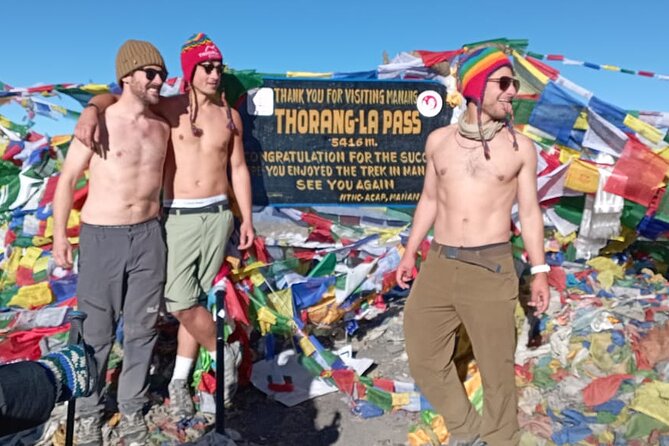
This trek starts early. Your meeting point is Tribhuvan Airport in Kathmandu at 6:15am. That early start matters because drive time is long, and the first day sets your schedule for the rest of the trek.
Day 1: Kathmandu hotel time, then you’re ready for the trail
You’ll arrive in Kathmandu and transfer to your hotel. This is the small but important part: you get a base to sleep, eat, and reset before the long drive toward the trekking route.
Tip: if you’re the type who likes to pack everything the night before, do it here. You’ll be tired after the drive days that follow.
Day 2: Kathmandu to Dharapani via Besisahar (7–8 hours)
Next comes the big road shift: you drive to Dharapani via Besisahar, around 7–8 hours, reaching about 2,000m.
This day is not about fitness. It’s about endurance for sitting in a vehicle while your body adjusts to elevation. The upside is that you land in a real start point for trekking instead of scrambling for connections.
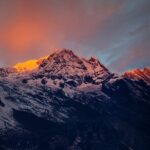
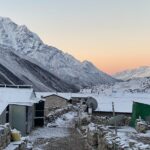
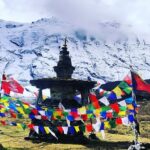
Days 3–4: Dharapani to Chame to Upper Pisang (4–5 hours each)
You trek from Dharapani to Chame (about 4–5 hours, reaching around 2,600m). Then you move on to Upper Pisang (another 4–5 hours, around 3,300m).
What I like about this section is that it helps your body learn the pace before you hit the higher stuff. It’s a good “get your legs working” phase, with enough progress to feel like you’re doing the trek, not just traveling.
A possible drawback: these are still altitude days. Even if the hiking hours are moderate, you’ll likely feel the thin air start to matter.
Day 5: Chame to Manang via upper trail (7–8 hours)
Now the walking day gets longer: Chame to Manang via the upper trail is about 7–8 hours, arriving around 3,500m.
This is where “moderate fitness” turns into “show up ready.” Long days are where trekking poles help, where hydration matters, and where you’ll be glad you don’t have to worry about logistics.
Day 6: Acclimatization day in Manang
You get a full acclimatization day. That matters because the route later climbs to well above 4,000m and includes a major pass.
Even if your schedule is flexible, treat this as recovery time. Use it to rest, hydrate, and keep your effort gentle. Don’t assume you’ll feel great just because the day is “easy.”
Day 7: Manang to Yak Kharka (3–4 hours, ~4,060m)
You trek to Yak Kharka (about 3–4 hours, around 4,060m). It’s shorter on paper, but you’re higher, so your body may feel slower.
This stage is a bridge day. You’re positioning yourself for the Thorong area without jumping too far too fast.
Day 8: Yak Kharka to Thorong basecamp or Thorong Phedi (~4,500m)
Then it’s to Thorong Basecamp or Thorong Phedi (3–4 hours, about 4,500m).
The practical value of this step is simple: you sleep near the pass zone. That helps you start the next day with less elevation gain pressure and more time for safe pacing.
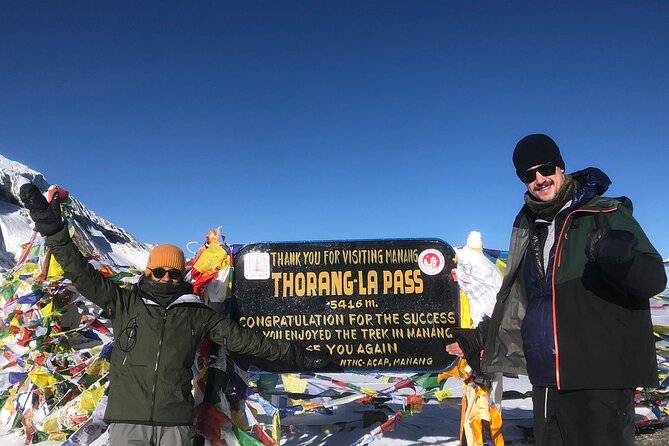
Day 9: Thorong Phedi/Basecamp to Muktinath via Thong-la pass (7–8 hours)
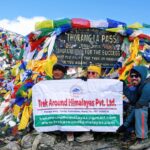
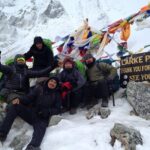
This is the big one: you cross the Thong-la pass at 5,416m and descend to Muktinath, around 3,800m, in about 7–8 hours.
Why this day can feel intense:
- The pass is very high, and cold and fatigue can hit hard
- You’re still on your feet for a full hiking chunk of time
- Your downhill will be physical too, not just a victory lap
My advice: think in terms of steady movement and controlled breathing, not speed. If you rush, altitude punishes you. If you move patiently, you’re more likely to finish feeling like you survived—and not like you just endured.
Day 10: Muktinath to Marpha via Jomsom (6–7 hours, ~2,650m)
You trek to Marpha via Jomsom (6–7 hours, around 2,650m).
After the pass, this is a welcome shift in altitude and feel. The biggest win here is that your body finally gets time to breathe easier while still doing real trekking.
One consideration: the day is still long. Recovery doesn’t mean you can coast; it means you can focus on rhythm and enjoying the change.
Day 11: Marpha to Tatopani by bus/jeep (5 hours, ~1,190m)
Then you’re off the main trail line. You drive to Tatopani by bus or jeep (about 5 hours, around 1,190m).
This is a relief day. It also helps you transition from trekking mode to recovery mode.
Day 12: Tatopani to Pokhara (6 hours, ~740m) and you’re done
Finally, drive back to Pokhara (about 6 hours, around 740m). The trip ends here, with that included one night hotel in Pokhara after the trek.
If your calves are sore, you’ll appreciate how the finish is built for real recovery, not a last-minute scramble.
Guides and porter support: where the experience really shows
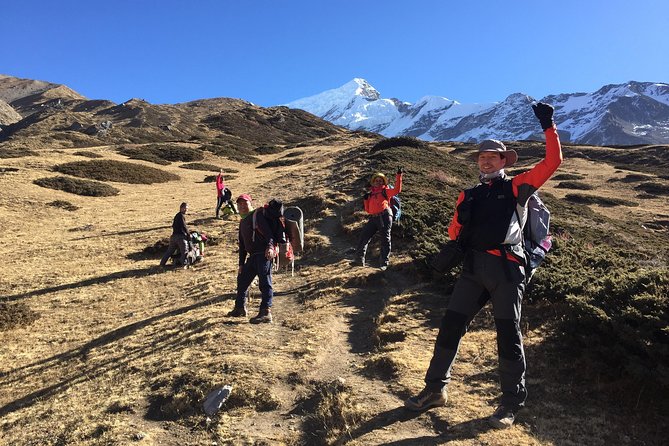
The logistics are great on paper. The real difference shows up when something goes wrong or when altitude makes you question your plan.
In the feedback I see for this company, the strongest theme is care and coordination. Names like Dinesh and Deepak appear repeatedly in positive write-ups for Annapurna trekking leadership, with support from people like Nara, Ram, and Tej. Porters are also praised for professionalism and for looking out for wellbeing.
Just as important: communication and safety planning show up again and again. One write-up also highlights the team handling an unexpected medical evacuation during a high-stakes trek segment. That’s the kind of detail you can’t fake with a good itinerary—what you want is a company that stays calm and organized when the situation gets real.
What you should do to make staff support work for you
- Tell your guide your pace and any concerns early
- Ask for practical advice on how to pace on high-altitude days
- Use your porter help wisely so you don’t overload your own pack
- Keep your essentials accessible (you’ll thank yourself around the pass area)
What’s included on the ground: accommodation, water, and daily comforts
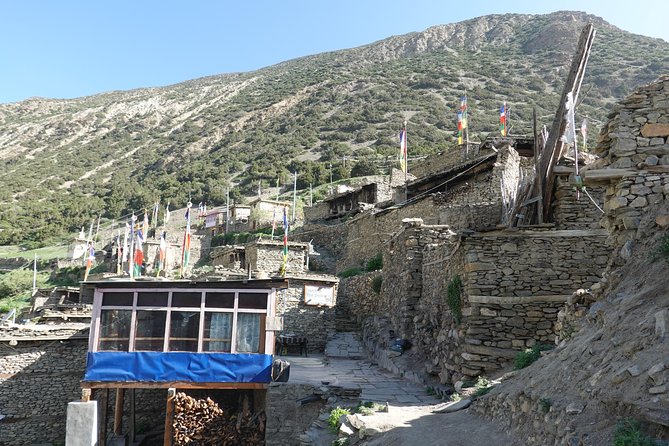
This is one of those trips where small included items add up.
You’ll get:
- Trek accommodation each night
- Treated drinking water (big deal in high areas)
- Tea or coffee during the trek
- Fresh fruit after dinner every day
I also like the idea of the down jacket provided during the trek (refundable after the trip). At high elevations, warm layers aren’t optional. If you don’t have the right gear, this helps bridge the gap without you buying everything at full retail.
On the other hand, trekking equipment isn’t included. You’ll still want your own core gear for comfort and safety, especially for cold mornings and variable trail conditions.
Packing and preparation: don’t let the pass day catch you unready
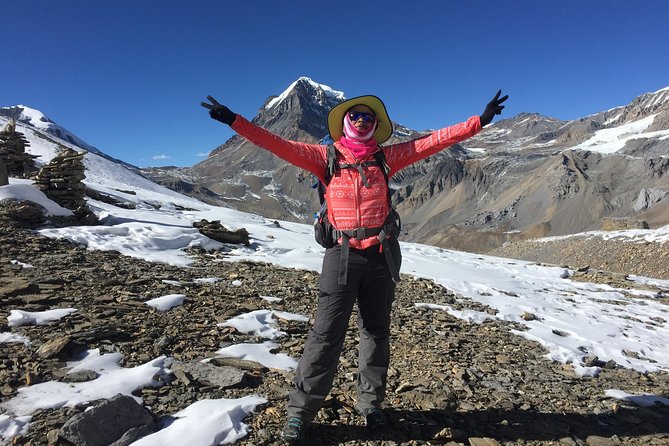
You can show up with less than you’d bring for a fully independent trek, but you still need to prepare for cold and long days.
What I’d plan for based on this itinerary:
- Layering for early and high-altitude hiking near the Thong-la pass
- A system for keeping warm while you move from Thorong Phedi/basecamp toward Muktinath
- Your own trekking equipment since it’s listed as not included
- Budget for tips for staff, since that’s not covered
If you use the included down jacket, don’t treat it like a magic shield. You still need layers and a plan for how you’ll handle temperature swings during the hike.
Who this trek suits best (and who might want a different plan)
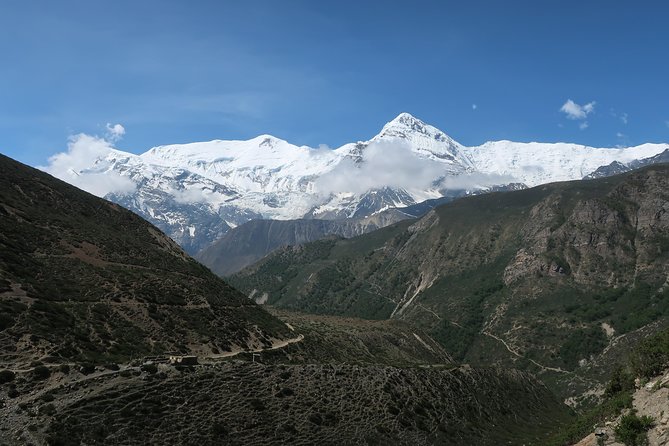
This Annapurna Circuit trip fits best if you:
- Want a private group experience (your group participates; not mixed with strangers)
- Prefer your guide and staff to handle meals, accommodation, and permits
- Like a trek that’s structured for altitude, not just “walk until you reach the next town”
- Have moderate physical fitness and can handle longer days like the Manang and pass sections
You might hesitate if you:
- Want total independence (this is organized and supported, not DIY)
- Struggle with high-altitude hiking days, especially around the 5,416m pass
Should you book Nature Explore for the Annapurna Circuit?
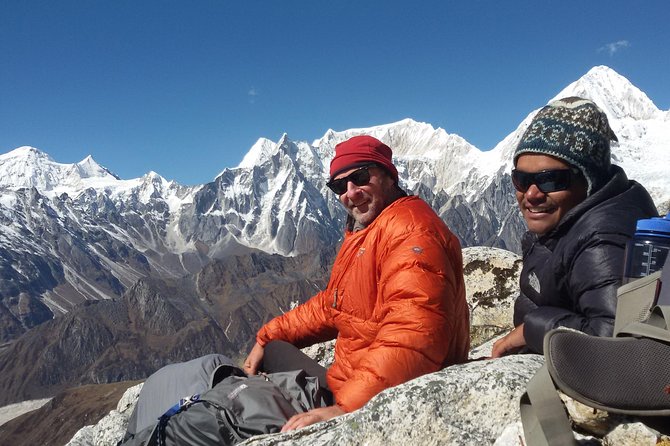
I’d book this if your top priorities are smooth logistics, real staff support, and full meal planning on a classic high-altitude route. The included permits, treated drinking water, daily food, and porter support reduce the usual friction that can drain a trek.
I wouldn’t book this as your first choice if you’re looking to handle everything yourself or if you’re uncertain about your ability to handle long, high-elevation effort. In other words: it’s a strong guided option, but altitude still demands respect.
If you want, tell me your fitness level and what months you’re considering. I can help you decide whether this itinerary pacing feels realistic for you and what to focus on before you go.
FAQ
What time and where does the trek start?
The meeting point is Tribhuvan Airport in Kathmandu, Nepal, and the start time is 6:15 am.
How long is the Annapurna Circuit trek?
It’s listed as 12 days (approx.).
What’s included for meals and drinks on the trek?
You get breakfast, lunch, and dinner, plus tea or coffee during the trek. The package also includes treated drinking water and fresh fruit after dinner each day.
Are airport transfers included?
Yes. Airport pick-up and drop-off are included.
Are permits included for the Annapurna area?
Yes. The Annapurna conservation entrance permit and TMIS card are included.
Is trekking equipment included?
No. Trekking equipment is listed as not included, but a down jacket is provided and is refundable after the trip.