REVIEW · HANOI
3D2N Sapa Trekking, Fansipan Legend Cable Car Ride
Book on Viator →Operated by Charming Vietnam Travel · Bookable on Viator
Sapa pulls you into the mountains quickly. This 3D2N plan pairs guided trekking in Sapa with village culture stops, then tops it off with a Fansipan Legend cable car day (tickets usually extra). I like how the schedule keeps things moving without making you babysit every bus connection.
Two things I really like: meals and lodging are largely handled (2 nights plus 2 breakfasts and 3 lunches), and your guide is the kind who can explain what you’re seeing while also adjusting the route to fit your pace. The group size cap (about 15) helps you feel organized instead of shuffled.
One drawback to consider: timing and pacing can vary. The transfer can run late, and day balance may feel short on trekking for some people—especially if you’d rather spend more time on deeper rural walks than on more tourist-facing villages.
In This Review
- Key things to know before you go
- Trekking logistics in Sapa: why this tour model works
- Day 1: Hanoi to Sapa, lunch + hotel check-in, then your first trek
- Cat Cat village: customs up close, but plan for tourist density
- Lao Chai to Ta Van: the trek gets quieter and more rural
- Fansipan Legend cable car: plan your ticket decision up front
- Hotels, meals, and what that does to your overall value
- Transfers and timing: the van schedule is a weak spot
- Who should book this Sapa + Fansipan combo
- Should you book this tour?
- FAQ
- How long is the Sapa trekking and Fansipan tour?
- What’s included in the price?
- Are Fansipan cable car tickets included?
- What fitness level do I need?
- Is pickup included from anywhere in Hanoi?
- What happens if the weather is bad?
Key things to know before you go
- Trekking with a local guide: built for safer, less stressful hikes in the Sapa area
- Village stops with different vibes: Cat Cat is closer to town; Ta Van feels quieter and more rural
- Fansipan cable car is part of the idea, but not fully included: cable car tickets are listed as not included
- You get most meals: 3 lunches + 2 breakfasts, but no dinners
- Small group: maximum around 15 travelers, which helps the guide manage pacing
- Transfers can slip: Hanoi traffic can push pickup/return times later than expected
Trekking logistics in Sapa: why this tour model works
Sapa is gorgeous, but getting it right takes more than good shoes. This style of tour helps because it bundles the hard parts: transportation out of Hanoi, a guide for the trekking days, and village visits where you’d otherwise feel like you’re just walking through someone else’s normal day.
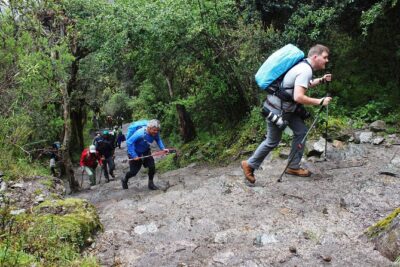
The trekking itself is positioned as “do it safely with a guide.” That matters here because paths can be uneven, weather can change fast, and a good guide helps you keep moving without turning every stop into a debate about where to go next. Also, you’re told to be physically fit enough to trek continuously for two days in a row. If that’s you, the trip should feel manageable rather than punishing.
You also get a practical rhythm: a long travel day with lunch and hotel check-in, then village exploration with guided walks, then Fansipan. That’s a lot to pack into 3 days, but it’s more comfortable than trying to plan each segment solo—especially if you’re not already comfortable with northern Vietnam transport.
If you like structure but still want room for real moments, this tour’s mix makes sense: guided parts when you need clarity, and lighter/self-guided time around Sapa town depending on how you handle Fansipan tickets.
You can also read our reviews of more tours and experiences in Hanoi.



Day 1: Hanoi to Sapa, lunch + hotel check-in, then your first trek
Your day starts from central Hanoi. The tour lists pickup at the Hoan Kiem area (one listed meeting address is 37A Hang Thung, plus another starting point near Charming Vietnam Travel). Departure is by luxury van, and in practice you should expect normal Hanoi traffic chaos—one past issue noted is being later than promised.
Once you reach Sapa, you’re not left hanging. You’ll get lunch and hotel check-in before the walking starts. That’s a big deal because it removes the classic beginner mistake of arriving hungry, under-rested, and then trying to trek right away.
Then comes your first active block: a trek of about 5 kilometers with an estimated guide-led duration around 3 hours. The itinerary text cuts off mid-route, but the plan clearly aims you toward the Cat Cat area (Cat Cat village is a named stop afterward on the broader flow of the trip). The “first trek” role here is to get your legs used to the area and to ease you into the mountain valley feel without jumping straight into the longest hike of the trip.
What I’d focus on as you start: keep your pace steady, even if you feel strong at the beginning. Sapa trails can feel easier early, then get steeper or muddier as the day goes on. Having the guide means you can spend your energy on footing and views instead of route-finding.
Cat Cat village: customs up close, but plan for tourist density
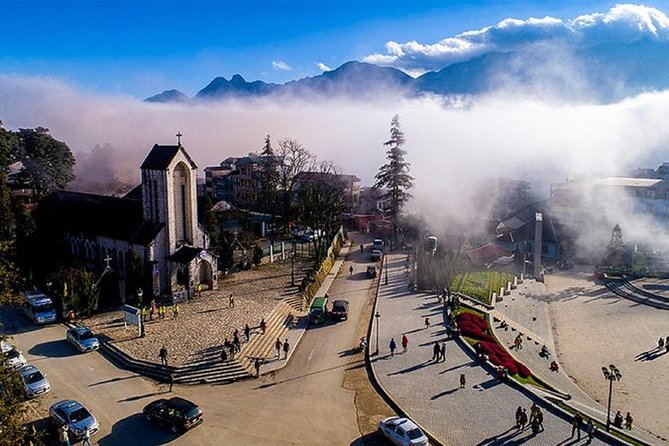
Cat Cat village is positioned about three kilometers from Sapa town, sitting in a valley where visitors come to see traditional ethnic minority life. The tour schedules time here as a dedicated stop (around 4 hours), and it’s not just a quick photo stop. You’ll have time to walk, look around, and learn from your guide while you’re in the area.
Cat Cat’s “worth it” level depends on what you’re hoping for:
- If you want an easy on-ramp to Sapa culture, Cat Cat does that well because it’s close to town and the day flows smoothly.
- If you want to feel like you’re far from everything, you might find it a bit more visitor-heavy than the quieter village portion of the trip.
Still, the value of this stop is that it gives you context. When you reach Ta Van later, you’ll better understand how village life changes from place to place—valley access, farming rhythms, and the way communities manage tourist interaction.
One more practical note: you’ll be with a local guide for the trekking segments, and the quality of explanation tends to be a high point on this type of tour. If your guide’s English is strong, you’ll get much more out of this stop than just scenery.
Lao Chai to Ta Van: the trek gets quieter and more rural
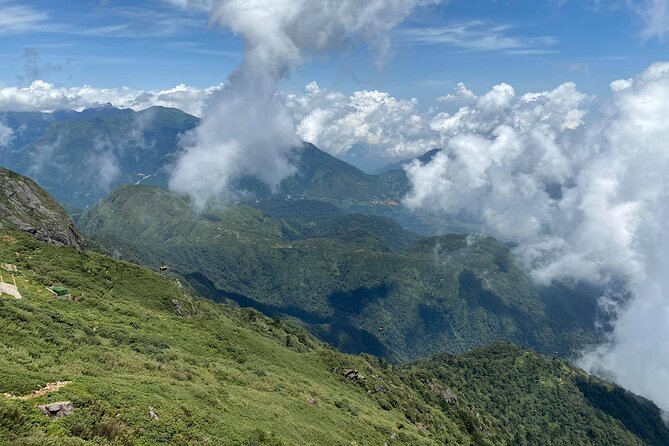
After Cat Cat, the trip shifts you toward deeper village experience. The tour includes activities in the Cat Cat–Lao Chai–Ta Van sequence, with Ta Van scheduled as its own longer block (about 5 hours).
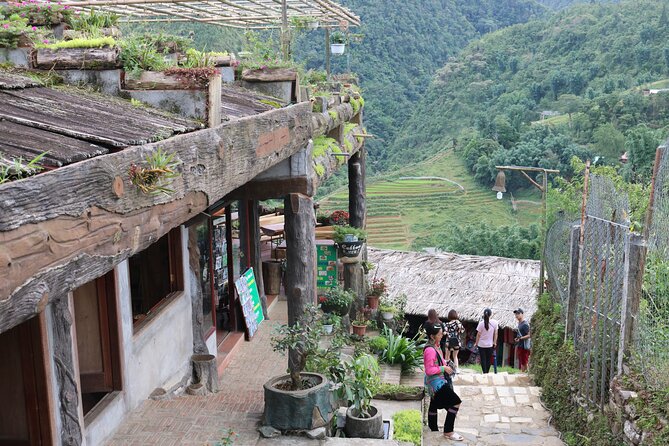
Ta Van village is described as tucked away in foggy cloud, far from Sapa’s busy streets. The idea is that it feels more “everyday rural” and less “festival for visitors.” The itinerary also notes that it’s home to over 110 households, which matters because it hints at a living community rather than a staged attraction.
Here’s what you can usually expect when a tour hits Ta Van properly:
- more time walking between viewpoints and small trails
- more village atmosphere than town access
- a slower, more observational feel (especially if the weather cooperates)
If you’re the type who loves watching how people work—how rice fields sit in the valley, how paths connect homes, how daily life shapes the view—Ta Van is the portion of the trip that tends to pay off most.
If you’re worried about the hiking itself, remember: the tour is designed around guiding and pacing. Also, you’re capped at a fairly small group size (maximum 15), which usually means fewer bottlenecks on narrow paths and easier communication with your guide.
Fansipan Legend cable car: plan your ticket decision up front
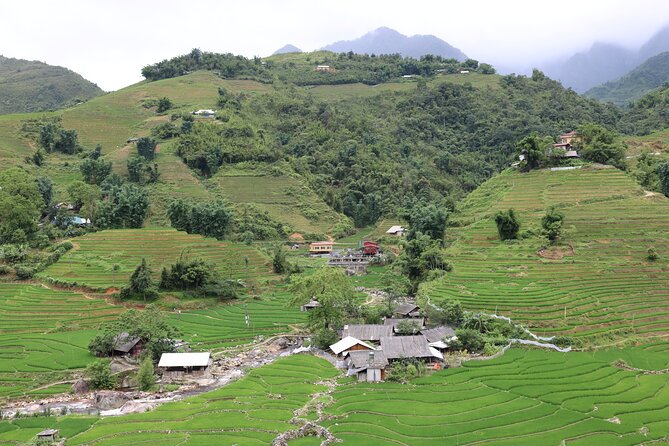
Fansipan is the big finish. The tour’s title says cable car ride, and the overview frames it as your reward after the physical challenge. But the details list Fansipan Cable Car Tickets as not included, and it also mentions Fansipan hiking trips with an option where you either buy Fansipan tickets yourself or you’re free to discover Sapa town.
So you need to decide what you want this final day to be:
- If you want the “legend” summit experience, budget for the cable car tickets separately. The tour’s structure is set up so you can make that move after trekking.
- If you don’t want to spend extra, you can use the time to explore Sapa town on your own.
One important operational detail: there is no guide on Fansipan Mountain, since it’s described as a short walk from the hotel. That’s useful—self-guided can be straightforward if you’re comfortable walking to an attraction—but it does mean you should be ready to read signage and follow posted instructions without an expert explaining every step.
Finally, weather is a real factor. The tour notes that the schedule is subject to weather changes and may be canceled if conditions are poor. For cable-car/summit planning, this is especially relevant because you want visibility and safe conditions for your day.



Hotels, meals, and what that does to your overall value
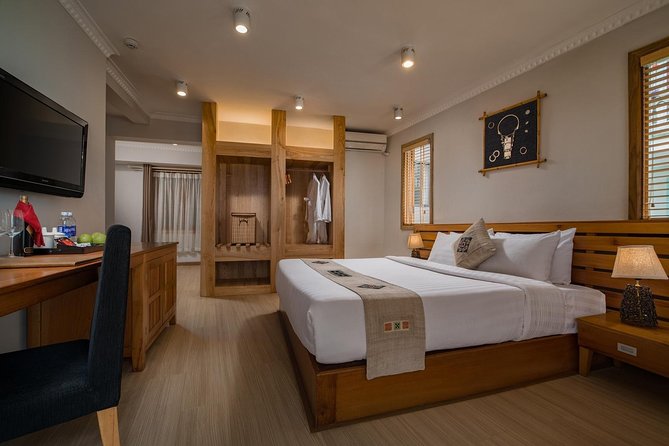
This trip costs $204.11 per person, and the value depends on what you’d otherwise pay to piece it together.
Here’s what you’re getting in the package:
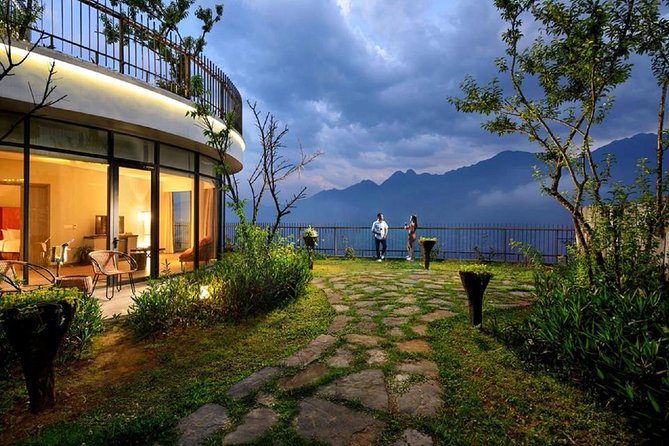
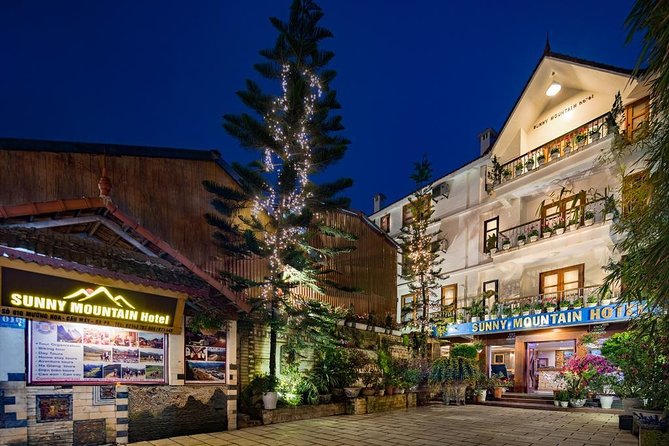
- 2 nights’ accommodation in one of these options (or similar): Sapa Lodge Hotel 3, Charm Hotel 4, Pao Hotel 5
- 2 breakfasts at the hotel
- 3 lunches during the tour
- trekking activities and admission tickets (for the village portions)
- a local guide on the trekking days
You do not* get:
- dinners (so you’ll need to budget for evening meals)
- drinks
- Fansipan cable car tickets
- pick up/drop off at hotels outside the Hanoi Old Quarter zone (the tour emphasizes pickup being tied to the Old Quarter area)
What this means for you: you’re paying for convenience and structure. If you hate planning logistics and want someone to handle the transfer + guide + village entry pieces, the price starts to look reasonable. If you love DIY travel, you might find you could cut costs by arranging transport and guides separately—but you’d be working harder and assuming more risk with route/availability.
The accommodation range (3 to 5 star options) is also a value clue. Even if you don’t know which hotel you’ll get, the fact that a higher-end option is possible suggests this tour often aims to keep you comfortable after trekking.
Transfers and timing: the van schedule is a weak spot

Logistics are where tours like this can wobble. One review issue called out: pickup/transfer running late (about 30 minutes on one day and about an hour on another). That’s not shocking in Hanoi—traffic can turn a tight plan into a slow one—but it does affect your day.
Here’s how you protect yourself:
- start the day ready to wait a bit (no back-to-back commitments after pickup)
- keep your buffer for lunch and first trek so you’re not rushing
- keep your expectations flexible if your return timing shifts
A small group can’t fix traffic, but it can reduce stress because your driver and guide aren’t managing a giant crowd.
Also watch the guidance: the schedule is a reference and depends on traffic conditions and your health condition. In plain terms: if weather is fine but you’re tired, the guide should help adjust pacing. If the weather turns, the whole plan may shift.
Who should book this Sapa + Fansipan combo
This is best for you if:
- you want village trekking with a guide rather than solo navigation
- you like a structured 3-day outline with minimal planning stress
- you’re okay paying extra for the cable car tickets if you want the summit experience
- you’re comfortable walking enough to trek for two continuous days
This might not be your best fit if:
- you want a full-day trek every day. The pacing can feel light on some days.
- you only care about far-off rural trails and not about village stops nearer to town.
- you have medical or mobility limits. The tour is not recommended for pregnant women, guests with walking disabilities, heart problems, or other serious medical conditions.
If you’re someone who’s deciding between 2 days vs 3 days, this tour offers the third day mainly for Fansipan and/or Sapa town exploration. If that doesn’t appeal, you could end up feeling like the middle and end of the trip are the main value rather than maximum hiking time.
Should you book this tour?
I’d book it if you want a smooth, guided Sapa experience with the option to hit Fansipan without spending days researching logistics. The best part of the setup is how much is handled for you: hotel for two nights, most meals, guide-led trekking, and village admissions. It’s a good “active but not chaotic” way to do northern Vietnam mountains.
I would hesitate if your priority is long, deep rural hiking with minimal visitor interaction. Cat Cat is close to town, and the schedule may not give you the maximum amount of off-the-beaten-path time you crave. In that case, you might prefer a route that leans harder into longer trekking days and reduces the number of village stops.
If you do book, make one choice early: whether you’ll pay for the Fansipan cable car tickets. That decision shapes whether day 3 is your summit reward—or just more time in Sapa town.
FAQ
How long is the Sapa trekking and Fansipan tour?
It’s a 3-day tour with about 2 nights included.
What’s included in the price?
The tour includes 2 nights of accommodation, 2 breakfasts and 3 lunches, most activities (Cat Cat–Lao Chai–Ta Van), admission tickets for the activities, and a local guide for the trekking part. A mobile ticket is also included.
Are Fansipan cable car tickets included?
No. Fansipan cable car tickets are listed as not included.
What fitness level do I need?
You should be physically fit to trek continuously for two days. The tour is not recommended for pregnant women, people with walking disabilities, heart problems, or other serious medical conditions.
Is pickup included from anywhere in Hanoi?
Pickup is offered, but it’s noted that pick up and drop off at hotels outside the Hanoi Old Quarter are not included. The listed meeting point is in the Hoan Kiem area.
What happens if the weather is bad?
The tour is subject to weather changes. If it’s canceled due to poor weather, you can opt to move your schedule to a later date or get a full refund.