REVIEW · HANOI
Sapa 3 Days Trekking Tour ( Overnight Train + Homestay + Hotel )
Book on Viator →Operated by LOCAL TOURS VIETNAM · Bookable on Viator
Sapa feels far away, even before you reach the mountains. This 3-day trek is built around the overnight train between Hanoi and the Sapa region, then guided hikes through minority villages like Ta Van and Cat Cat. I like how the trip mixes scenery with real, day-to-day rural life, not just quick photo stops.
My second favorite part is the pacing: you get three guided trekking days at moderate levels (about 4/10 to 6/10) with meals handled for you, plus a real hotel night in Sapa and a night in a traditional homestay. One thing to consider: train and transfer comfort can be tight, especially if you’re tall or you’re a light sleeper.
In This Review
- Key takeaways before you go
- Entering the Sapa region from Hanoi by overnight train
- Day 1: from Lao Cai into trekking around Y Linh Ho, Lao Chai, and Ta Van
- Ta Van homestay: the rural experience you’re actually paying for
- Day 2: Muong Hoa valley villages, terraces, and returning to a Sapa hotel
- Day 3: Cat Cat and Sin Chai near Fansipan, then the night train back
- Food on the trail: what’s included and what to budget
- Fitness level and footwear: the small details that decide your comfort
- Price and logistics: why $195 can feel fair
- The guide experience: safety, culture, and pacing
- Who should book this Sapa trek, and who should skip it
- Book it if
- Skip it if
- FAQ
- What’s included in the tour price?
- What are the trekking difficulty levels across the trip?
- Where does the tour start, and when does it begin?
- Where do you sleep during the trip?
- Are meals provided during the trek and in Sapa?
- Is the tour dependent on weather?
- Should you book this Sapa 3-day trekking tour?
Key takeaways before you go
- Overnight train plan saves a full day of travel time between Hanoi and the Sapa area
- Small group size (up to 13) makes it easier to move as a unit and keep track of everyone
- Homestay in Ta Van gives you a firsthand look at family life with meals included
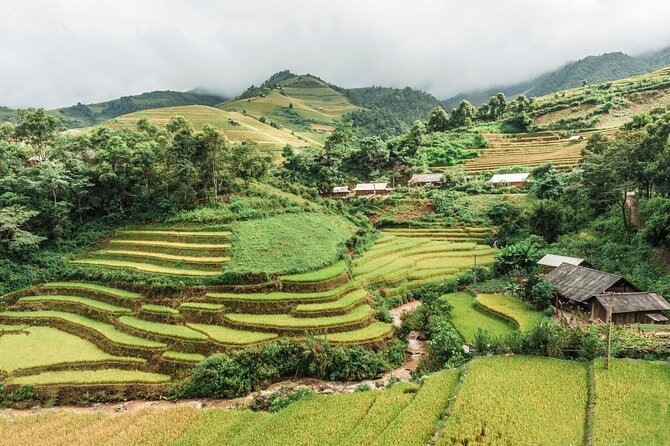
- Village-to-village trekking hits Y Linh Ho, Lao Chai, Ta Van, Giang Ta Chai, and Cat Cat
- Meals are fully built in (9 total) so you’re not scrambling for food between hikes
- Weather matters since the experience requires good conditions for the trekking route
Entering the Sapa region from Hanoi by overnight train
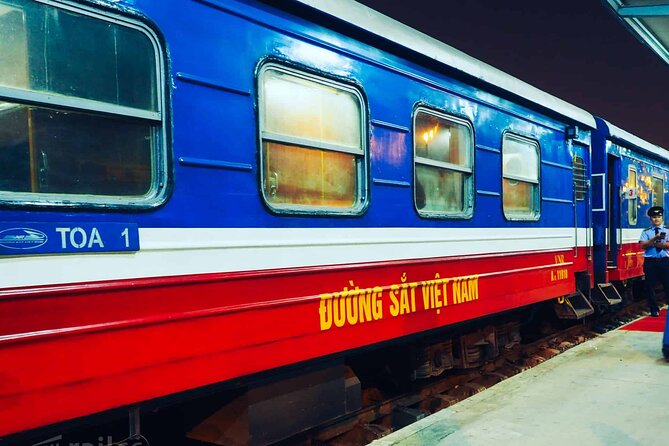
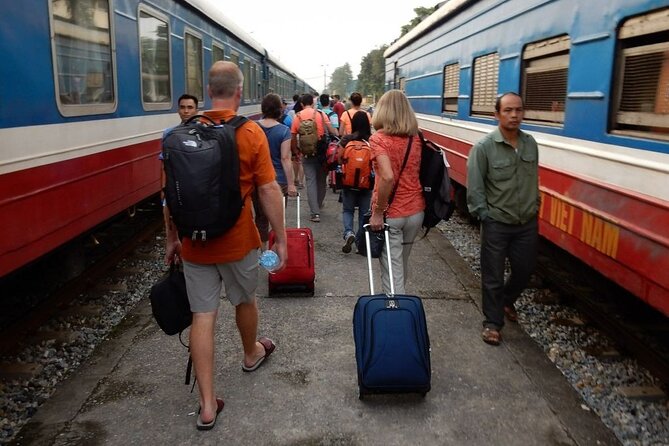
Your night starts in Hanoi. At 8:30 pm, staff meet you in the Old Quarter area and take you to Hanoi Train Station for the overnight ride toward Sapa’s rail access point (Lao Cai). The train journey is listed at about 8 hours, and it’s one of the smartest ways to get out of the city without burning your whole day in transit.
Why this matters for your trip: once you arrive in the mountains, you’re not instantly stuck with luggage, bookings, and figuring out local transport. You’re already “in motion,” guided through the handoffs, and you can focus on what you actually came for—walking the valleys and meeting the people who live there.
The only practical downside is sleep comfort. One traveler noted that taller bodies can struggle during the trip’s transfers and small vehicle spaces, so if you’re 6 ft+ and you really need a good night’s sleep, plan for a night that’s more functional than luxurious.
You can also read our reviews of more tours and experiences in Hanoi.

Day 1: from Lao Cai into trekking around Y Linh Ho, Lao Chai, and Ta Van
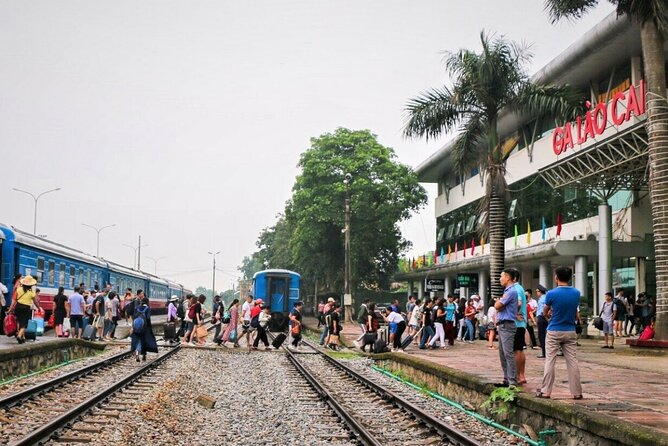
Around the time your train arrives at Lao Cai Train Station (about 6:20 am), you’ll be greeted and transferred by guide and driver. Then it’s trekking day one, moving through village areas and ending with overnight homestay in Ta Van.
This first trekking section is rated around 6/10. The route connects a mix of walking and driving: roughly 10 km of trekking plus about 8 km of driving back toward the Sapa region after visiting the Y Linh Ho area. Expect a full day, not a casual stroll, but it’s still the kind of effort many active travelers can handle with breaks.
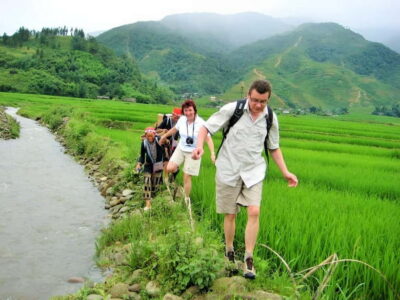
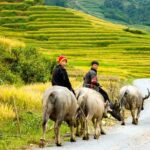
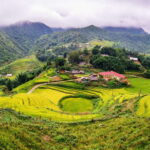
You’ll stop in Lao Chai for lunch. That village break is one of the best ways to reset your legs before continuing on toward Ta Van, where the trail takes you through terraced rice fields. Your guide will set the tempo, and if it has rained, the trail can get slippery—so proper footwear matters more than style.
One detail I really appreciate in how this day is structured: you don’t just see a village from a distance. You’re there at the pace of trekking, moving through farmland and hamlets, then sitting down to meals (breakfast, lunch, dinner are included on trekking days in the region). It’s slower than a drive-by, and that’s the point.
Ta Van homestay: the rural experience you’re actually paying for

The homestay in Ta Van Village is a highlight because it turns the trek into a real exchange, not just a tour. The tour description explicitly frames Ta Van as a place where you can learn the rhythms and traditions of rural life by staying in a family’s traditional home.
In practical terms, here’s what that means for you: you’ll have a bed with the family, and your meals are handled as part of the program. That’s valuable because it reduces decision fatigue—no hunting for restaurants after a long hike. It also changes the vibe: conversation is more likely to happen naturally because you’re part of the household schedule.
Based on feedback, the guides can bring this experience to life by making time for cultural context and safe route management. One traveler mentioned a guide being attentive to safety and sharing culture, and that’s exactly what you want on a homestay night—clear guidance, plus a gentle bridge between your expectations and what’s normal for the family.
If you’re the type who likes comfort and quiet, you might find homestays simpler than hotels. If you’re flexible, that’s often when the experience clicks.
Day 2: Muong Hoa valley villages, terraces, and returning to a Sapa hotel

Day two is another moderate trekking day (listed around 5/10). After breakfast at a local family (included), you head out toward places like Giang Ta Chai and Su Pan/Mường Hoa areas. This part is often about views, customs, and walking through terrain that feels less packaged than the biggest tourist hubs.
The walking total is about 10 km, with the program including both walking and route adjustments via transfers. You’ll also continue toward Ta Van again for later stops and end the trekking day in time to return to Sapa around 15:00.
Giang Ta Chai is described as being at the edge of Mường Hoa Valley, and it’s noted for colorful customs and its setting near that scenic area. Then there’s Su Pan/Mường Hoa, described as less traveled and more withdrawn, which is a nice reminder: not every village stop is designed for crowds.
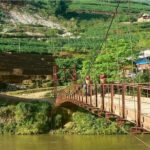
One of the more “you’ll remember this” details from the route description: this day includes chances to see things like a waterfall, rattan bridges, and ferns and orchids hanging from overhanging growth. If conditions are good, these are the moments that turn a trek into a story you can retell later.
Back in Sapa, you get a real reset. You check into your hotel in Sapa town and have free time to explore, especially the market with colorful handicrafts. Dinner is included, so you’re not forced to hunt while you’re tired. This is also your best evening to buy small gifts and ask your guide questions while everything is fresh.
Day 3: Cat Cat and Sin Chai near Fansipan, then the night train back
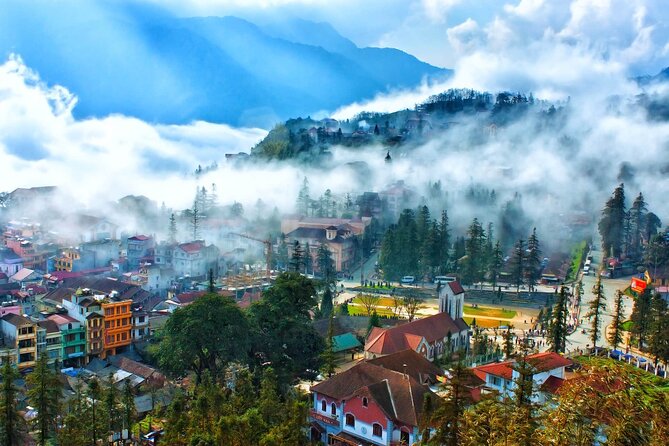
Day three keeps the trekking easier than day one and two, rated around 4/10. After breakfast, you explore Cat Cat Village, associated with the Black H’mong, with a trek that includes getting to a point roughly 4 km south-west of Sapa. The route includes time for views and village exploration, then you continue hiking to Sin Chai Village (about 3 km), located at the bottom area of Fansipan, often described as the roof of Vietnam.
This day is shorter on paper—about 7 km of trekking plus around 3 km of driving—but don’t mistake that for “easy.” You’ll be walking on mountainous terrain again, just with less total distance and fewer long climbs.
Then the plan shifts to comfort and closure: you return to Sapa, have lunch at a restaurant (included), and get time to check out your room. After that, you transfer by bus to Lao Cai Train Station for the overnight ride back to Hanoi.
The timeline here is practical: after dinner before the train, you ride overnight for about 8 hours, arriving back in Hanoi around 5:30–6:00 am. Your tour ends at Hanoi Train Station, so if you’re trying to connect to a morning flight, make sure you’ve planned your transport out of the station area.
One more nice touch from traveler feedback: some groups have added hands-on learning experiences like batik during the later part of the trip. Even if you don’t get the same activity, this is the general idea—your guide tries to fill the day with culture, not just movement.


Food on the trail: what’s included and what to budget

Meals are one of the easiest “value” wins here. The tour includes 9 meals total, built into the schedule: breakfast, lunch, and dinner across the trekking days plus meals during the Sapa and train sections as the program states.
You can expect that meals are arranged around your walking time, so you’re not stuck waiting for restaurants in remote areas. That matters because Sapa-region trekking isn’t the place where you want to be improvising menus while your energy is low.
What isn’t included: beverages and tips are not part of the package, and travel insurance and tax aren’t included either. So it’s smart to pack or budget for water and any drinks you prefer, especially after long hikes.
Fitness level and footwear: the small details that decide your comfort
The trekking levels are clearly graded across the three days: about 6/10 on day one, 5/10 on day two, and 4/10 on day three. Those numbers don’t mean you need to be an athlete, but they do mean you should walk regularly at home and show up with realistic expectations.
For your gear, the tour description highlights one practical warning: paths can be slippery if it rains, especially around the terraced farmland areas. So I’d prioritize shoes with good grip over anything fashion-first. Bring rain layers too, even if you think the forecast looks fine—mountain weather can shift quickly.
Also, remember you’re doing overnight trains plus walking days. That’s why your sleep quality and your leg recovery plan matter. If you’re sensitive to fatigue, consider eating earlier, hydrating consistently, and staying flexible with your pace rather than trying to match someone else’s stride.
Price and logistics: why $195 can feel fair
At $195 per person, this tour can look like a bargain when you break down what’s included. You’re paying for the parts that normally cost real time or money:
- Return train tickets: Hanoi to Lao Cai and back
- Two nights on the train (night one to reach the region, night three to return)
- One night in a 3-star or 4-star hotel in Sapa town
- One night in a local homestay in Ta Van
- Local English-speaking guide for the Sapa tour portion
- Sharing transfers between key stops
- Entrance and sightseeing fees
- 9 meals across the program
This pricing matters because it bundles the “hard-to-organize” parts: getting to the mountains, moving between Lao Cai and Sapa, and making sure food and entry fees are handled.
Not included are the items that usually still show up on your personal spending: beverages, travel insurance, tips, and any holiday surcharge. If your budget is tight, you’ll want to control drinks and plan tip amounts ahead of time so there are no surprises.
The guide experience: safety, culture, and pacing
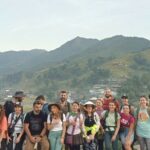
This kind of trek lives or dies by the guide. You’ll have a local English-speaking guide in the Sapa portion, and the trip is designed for small group movement, with a maximum of 13 travelers.
From traveler feedback, guides like Lan and Co have been praised for being safety-minded and sharing culture in a way that makes sense while you’re walking. I like that because “cultural time” works best when it’s tied to what you see right in front of you—like village settings, farmland rhythms, and everyday life inside the places you visit.
A big bonus: pacing is adjustable. One traveler described how the guide adapted timing to different fitness levels and even added learning like batik. That’s a good sign that the guide isn’t stuck in a rigid script.
Who should book this Sapa trek, and who should skip it
This tour is a strong match if you want a short, structured Sapa experience that includes real trekking, homestay life, and a hotel night in town—without spending your time on logistics.
It’s also a good fit if you’re okay with an overnight train and you don’t mind that comfort is practical, not spa-level. If you’re the type who needs long, uninterrupted sleep and zero transfers, you might find the train portions challenging.
Book it if
- You want mountain villages and trekking in three days
- You like guided structure and meals handled
- You’re excited about spending a night in Ta Van with a family
Skip it if
- You can’t handle overnight travel or you’re very sensitive to cramped vehicles
- You’re looking for a strictly low-effort walking itinerary
FAQ
What’s included in the tour price?
The tour includes hotel pickup in the Hanoi Old Quarter area, round-trip train tickets Hanoi to Lao Cai and back, two nights on the train, one hotel night in Sapa (3-star or 4-star), and one night in a local homestay in Ta Van. It also includes transfers, a local English-speaking guide for the Sapa portion, entrance and sightseeing fees as listed, and 9 meals.
What are the trekking difficulty levels across the trip?
The trek is rated about 6/10 on day one, 5/10 on day two, and 4/10 on day three. The daily trekking distances are listed as roughly 10 km on day one, 10 km on day two, and 7 km on day three, with driving included on each day as part of the route.
Where does the tour start, and when does it begin?
It starts in the Old Quarter area with pickup and staff meeting you at your hotel/stay. The start time is 8:30 pm, with transport to Hanoi Train Station for the overnight ride.
Where do you sleep during the trip?
You sleep on the train for the first and third nights, then you have one night in a hotel in Sapa town and one night at a homestay in Ta Van Village.
Are meals provided during the trek and in Sapa?
Yes. The program includes 9 meals total (breakfast, lunch, and dinner across the days as scheduled). Beverages are not included.
Is the tour dependent on weather?
Yes. The experience requires good weather. If it’s canceled due to poor weather, you’ll be offered a different date or a full refund.
Should you book this Sapa 3-day trekking tour?
I’d book it if you want a real Sapa mix: guided village trekking, a homestay night in Ta Van, and at least one proper hotel night in Sapa town, all stitched together with overnight trains from Hanoi. It’s good value because the price covers the expensive/time-consuming logistics: rail travel, transfers, guides, fees, and meals.
I’d think twice if you’re extremely sensitive to cramped overnight transport or if your idea of a mountain trip is mostly comfort and short walks. If you’re flexible, bring solid footwear, and treat this as an active cultural route, you’ll likely come home with the kind of Sapa stories you can’t get from a day trip.