One loop, two worlds of North Vietnam.
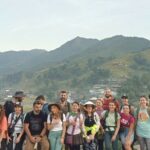
This package strings together the Ha Giang Loop scenery and the Sapa trekking experience through Muong Hoa Valley villages, not just roadside photo stops. I really like the small-group pace and the chance to eat and connect with families in traditional homestays, but you should be ready for some tiring hiking stretches where steepness shows up.
The Ha Giang part is often handled as an easy rider style motorbike experience, and one review highlights that the motorcycling equipment and guidance were good. If you want to ride yourself, you’ll need an international driving licence (one review specifically flags this), so plan that before you arrive.
What makes this trip feel different is the slower, lived-in rhythm: you’ll sleep in stilt-house style accommodation, share meals, and you may even get a Red Dao herbal medicine bath as part of homestay life. The trade-off is simple: this is not a hotel holiday.
In This Review
- Key things I’d plan around before you go
- Why Ha Giang Loop plus Sapa trekking makes sense together
- Price and logistics: what $380 is really covering
- Group size, pickup, and the real comfort level
- Day 1: Hanoi’s Old Quarter to Ha Giang by sleeper bus
- Day 2: Quan Ba Heaven Gate, Thẩm Mã Pass area, Dinh Vua Mèo, and Dong Văn
- Day 3: Ma Pi Leng Pass, Mèo Vạc, and checking into Du Gia
- Day 4: Du Gia Waterfall, Lung Tam weaving village, and the jump to Sapa
- Day 5: Muong Hoa Valley trekking days—Y Linh Ho, Lao Chai, Ta Van
- Day 6: Giang Ta Chai village trek, then back to Sapa and Hanoi
- Motorbike easy rider reality: equipment, IDP, and guidance
- Who should book this Sapa and Ha Giang combo (and who might not)
- Should you book Saparis Horizon Travel’s 6-day Ha Giang Loop plus Sapa trek?
- FAQ
- Where does the tour start, and what time?
- How long is the Ha Giang Loop and Sapa trekking package?
- What’s included in the price?
- Is pickup offered?
- What’s the group size limit?
- Does the itinerary include motorbike riding?
- Are homestays part of the experience?
- Is there free cancellation?
Key things I’d plan around before you go
- Up-close walking, not check-in tourism: the trekking focus is real, with daily hikes often in the 5–15 km range.
- Homestay life with family meals: you sleep in local-style housing and eat together; Red Dao herbal medicine bathing is part of the experience design.
- Big-name Ha Giang scenery, built into the route: Quan Ba Heaven Gate, Thẩm Mã Pass/QL4C-area roads, Dinh Vua Mèo, and Ma Pi Leng Pass.
- Muong Hoa Valley villages that feel quieter: Y Linh Ho, Lao Chai, Ta Van, and Giang Ta Chai are the core stops.
- Support on the go: a review mentions clear step-by-step instructions and good guidance, especially relevant for the motorbike portion.
- Small group size (max 12): you’re less likely to feel lost in the crowd, and you should get easier coordination.
Why Ha Giang Loop plus Sapa trekking makes sense together
Most North Vietnam itineraries try to cram too much into too little walking. This one does the opposite. You start with the wild limestone drama of Ha Giang, then shift into Sapa’s terraced fields and village trails in Muong Hoa Valley.
That pairing matters because the scenery and the pace change in a useful way. Ha Giang gives you long views from mountain passes—Quan Ba Pass viewpoints and Ma Pi Leng are the kind of places where the road feels like part of the show. Then Sapa slows things down with village-to-village walking through areas linked to ethnic communities and rice terraces.
Price-wise, $380 for a 6-day package can look either like a steal or a “wait, what’s included?” depending on the details. Here, the value is strongest because transport and most meals are included, and you’re getting both entrance fees and a guided structure across multiple days.
You can also read our reviews of more tours and experiences in Hanoi.

Price and logistics: what $380 is really covering
For $380 per person, you’re paying for a full 6-day structure (about 6 days) that includes:
- Transportation throughout (including sleeper bus and transfer legs)
- Entrance fees
- 5 breakfasts, 5 lunches, and 3 dinners
- Dinner is provided on 3 nights within the schedule
You’ll also want to know what’s not included: tips, personal expenses, and anything not listed as included.
This is a good setup if you want less mental load. You don’t have to arrange multiple tickets and meal stops across Ha Giang and Sapa. You also don’t have to negotiate entry into the main viewpoints because entrance fees are already covered.
The price doesn’t signal “luxury.” It signals “organized travel with food support,” plus a trekking itinerary designed to get you away from pure road sightseeing.
Group size, pickup, and the real comfort level
This tour runs with a maximum of 12 travelers. That number is small enough that you’re likely to feel guided without feeling stuck in a huge herd.
Pickup is offered, and you’ll use a mobile ticket. The tour also includes an overnight sleeper bus segment from Hanoi to Ha Giang, then later transfer time between Ha Giang and Sapa (about 6 hours). On the final leg, there’s also a Sapa station-to-Hanoi bus connection, with departures every hour, plus a luxury bus pickup arranged from Saparis Station Hostel to Hanoi’s Old Quarter.
So the comfort story is mixed:
- You get meals and organization.
- You also accept that part of the schedule runs on buses at odd hours.
- Homestays are part of the deal, so you should expect village-style routines rather than hotel amenities.
If you like predictable schedules and you don’t mind rustic living, it’s a good match.
Day 1: Hanoi’s Old Quarter to Ha Giang by sleeper bus
Day 1 is built around getting you to Ha Giang efficiently. You’re asked to meet at the meeting point in Hanoi’s Old Quarter in time for your overnight journey by sleeper bus toward Ha Giang. Time-wise, the start is set for 8:30 am, and you’ll follow your voucher time for the exact meeting point.
This is the kind of start that helps you avoid wasting a daylight day on transport. Your reward is more time for the actual viewpoints and walking soon after you arrive.
Practical tip: pack a small day bag for the next day’s viewpoints. When you arrive, you’ll want essentials ready without rummaging through everything.
Day 2: Quan Ba Heaven Gate, Thẩm Mã Pass area, Dinh Vua Mèo, and Dong Văn
Day 2 is where Ha Giang starts flexing its drama.
1) Quan Ba Heaven Gate (45 minutes)
From the highest point, you get panoramic views toward Tam Son valley, winding limestone mountains, and terraced fields. There’s also a small cafe at the top, which makes this a natural stop for a break without losing time.
2) Dong Van Karst Plateau Geopark / Thẩm Mã Pass area (30 minutes)
You travel along a scenic mountain road on the famous QL4C-style route between Yên Minh and Đồng Văn. Think dramatic curves and a “road as an experience” feel. The stop is short, so the goal here is seeing the area rather than lingering.
3) Dinh Vua Mèo (1 hour)
The Vuong Palace in Sa Phin Valley is the former residence of Vuong Chinh Duc, known as the Hmong King, and it’s tied to local H’mông authority early on. This stop gives context to the people behind the scenery.
4) Dong Van (10 hours)
Then you base in Dong Van. The itinerary suggests a long day, which usually means more downtime and slower pacing than a quick drive-by. Dong Van is described as the heart of the UNESCO-recognized Dong Van karst area, known for rugged limestone mountains and terraced fields.
One consideration: Day 2 already stacks multiple stops, so pace is fast at times even if the tour later slows down with trekking. If you’re sensitive to long sitting and road time, this is the day to take it easy at the start of the morning.


Day 3: Ma Pi Leng Pass, Mèo Vạc, and checking into Du Gia
Day 3 is a classic Ha Giang “pass day,” then you settle into village life.
1) Ma Pi Leng Pass (2 hours)
The schedule calls Ma Pi Leng one of Vietnam’s most breathtaking passes, with about 20 km stretching along the Happiness Road between Đồng Văn and Mèo Vạc. This is one of the headline experiences for this region, and the time allotted reflects that.
2) Mèo Vạc (2 hours)
Mèo Vạc is remote and mountainous, surrounded by limestone peaks and steep valleys. It’s also positioned as a key stop along that same Happiness Road. This stop works as a “breather town” before the village check-in later.
3) Du Gia homestay arrival (around 16:00), relaxation and dinner
You arrive around 16:00, check in, shower, relax, and have dinner with the family. The accommodation style described is community-based, typically traditional wooden housing.
This is also a day where the tour shifts from “views from above” to “life below.” That contrast is the point. You spend big-time energy on the road and then recharge with a homestay night.
If you’re expecting full luxury comfort, you might feel underwhelmed. If you want authentic village time, this is the payoff.
Day 4: Du Gia Waterfall, Lung Tam weaving village, and the jump to Sapa
Day 4 has three distinct beats: a waterfall stop, a culture stop, then the transfer toward Sapa.
1) Du Gia Waterfall (2 hours)
Du Gia Waterfall is multi-tiered, about 6m high, and it pours into a basin below. It’s a Ha Giang Loop standard, but the extra walking context is that you’re not just driving past. You get dedicated time here.
2) Lung Tam Village (1 hour)
Lung Tam is a traditional H’mông weaving village. It’s famed for linen and brocade craft, set in a valley beside the Miên River and framed by limestone peaks. This is one of the better stops for understanding how culture and daily life connect.
3) Ha Giang finish 15:00–16:00, then bus to Sapa (6 hours)
The loop segment wraps up at your Ha Giang hostel around 15:00–16:00. Then you shower, wait for pickup, and head to Sapa by bus for about 6 hours, arriving mid-night. You’ll then get your room and sleep.
Here’s a consideration that matters: you’ll be moving in the afternoon toward an overnight/late-arrival rhythm. If you’re the type who needs an early night, bring that mindset. Plan to keep your evening low-key in Sapa when you arrive.
Day 5: Muong Hoa Valley trekking days—Y Linh Ho, Lao Chai, Ta Van
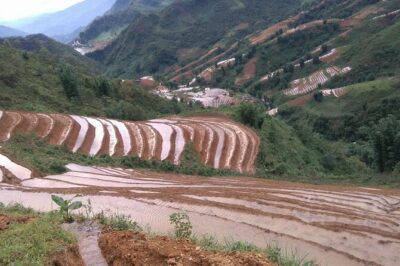
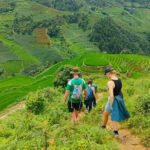
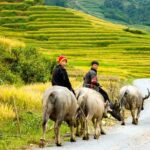
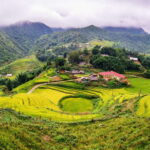
Day 5 is your Muong Hoa Valley focus. The terrain here is about terraced rice, ethnic communities, and a slower, village-based feel.
1) Y Linh Ho Village (3 hours)
This is a H’Mông and Dao settlement about 5 km southwest of Sapa, described as rustic and set in a lush valley. The schedule gives enough time to experience the area without rushing through.
2) Lao Chai Village (2 hours)
Lao Chai is around 7 km southeast of Sapa in Muong Hoa Valley. It’s known for stunning terraced rice fields and Black H’mô people, with the description noting about 100 residents in the village core. It’s a classic “Sapa feel” stop.
3) Ta Van Village (18 hours)
Then you arrive at Ta Van, home to H’mông, Giay, and Red Dao ethnic groups. The itinerary assigns a much longer block here, which signals an overnight stay experience. You should treat this as the center-of-gravity day for the trekking portion.
This day tends to be why people book the combo. You get walking time and village interaction in a valley setting that feels quieter than a “hotel view tour.”
Practical approach for you: wear footwear you trust and bring layers. Valley weather can shift quickly, and trekking discomfort ruins the best part of a day.
Day 6: Giang Ta Chai village trek, then back to Sapa and Hanoi
Day 6 is shorter and more finish-focused, with one last village trek.
1) Giang Ta Chai Village (3 hours)
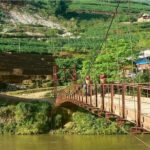
Giang Ta Chai is described as a Red Dao village about 5 km from Ta Van, on terraced land. The route winds through bamboo groves and across suspended… (the itinerary text cuts off, but the key idea is that this is a trail-based village approach). You’ll get a final dose of walking before the tour ends.
2) Sapa wrap-up (14:00–15:00), return pickup (to Saparis Station Hostel)
Around mid-afternoon, you finish in Sapa. Then the driver picks you up back to Saparis Station Hostel, with time for a shower and rest.
3) Bus back to Hanoi (departure every hour), end in Hanoi Old Quarter
From Sapa to Hanoi is about 6 hours by bus. The itinerary indicates a luxury bus arrangement from Saparis Station Hostel to Hanoi’s Old Quarter.
This last day is not about maximizing sights. It’s about arriving back in Hanoi with your body intact enough to keep your next day moving.
Motorbike easy rider reality: equipment, IDP, and guidance
Even though the schedule reads like a mix of road stops and trekking blocks, the tour’s Ha Giang side is described as a Ha Giang Loop easy rider experience. One review specifically praises:
- Good motorcycling equipment
- Plenty of attention from the travel agent
- Clear new instructions for each step
- Option to drive yourself if you have an international driving licence
Another review notes the trekking was mainly downhill with steep moments that still felt exciting.
So for you, the key takeaway is simple: don’t assume you’ll be on autopilot. This kind of route depends on clear timing, road transitions, and correct gear. If riding is part of your plan, sort your international driving licence before you go, and use the local guidance fully. It’s part of the safety net.
If you don’t ride and you’re just a passenger, you still benefit from the instructions because road timing affects where you stop and how your day flows.
Who should book this Sapa and Ha Giang combo (and who might not)
This tour is a strong fit if:
- You want real trekking through Sapa’s Muong Hoa villages, not a short walk for photos.
- You like a mix of iconic passes and village time.
- You prefer small-group coordination (max 12) over big-bus tourism.
- You enjoy homestay-style meals and village stories, and you’re open to Red Dao herbal medicine bathing as part of that experience.
It may not be ideal if:
- You expect consistent hotel-level comfort.
- You want only flat, easy walks. Some hiking can involve steepness, and the route can feel tiring even if days vary.
- You strongly dislike bus days. You’ll ride sleeper bus and several transfer legs across the 6 days.
Should you book Saparis Horizon Travel’s 6-day Ha Giang Loop plus Sapa trek?
I’d book it if you want your money to buy access and structure, not just motion. The value is in the mix: Ha Giang passes plus Muong Hoa village trekking, with meals and entrances handled and homestay life built into the itinerary. The reviews you’ll care about—about views, friendly help, and good guidance—line up with how the tour is designed.
If you’re the kind of traveler who wants to take your time in villages and earn the views with walking, this is the right type of trip. If you want zero effort and all comfort, you’ll likely feel disappointed.
FAQ
Where does the tour start, and what time?
The tour meeting time is 8:30 am, with the start location listed as Hanoi’s Old Quarter meeting point.
How long is the Ha Giang Loop and Sapa trekking package?
It’s listed as 6 days (approx.).
What’s included in the price?
The package includes transportation, entrance fees, and meals: 5 breakfasts, 5 lunches, and 3 dinners.
Is pickup offered?
Yes, pickup is offered.
What’s the group size limit?
The tour has a maximum of 12 travelers.
Does the itinerary include motorbike riding?
The overview describes Ha Giang as Ha Giang Loop easy rider. A review also mentions motorcycling equipment and the option to ride yourself with an international driving licence.
Are homestays part of the experience?
Yes. You stay in traditional community-based homestays and the description includes cooking and eating together. Red Dao herbal medicine bathing is also mentioned in the homestay description.
Is there free cancellation?
Yes. Free cancellation is available up to 24 hours in advance for a full refund.