REVIEW · KATHMANDU
Langtang Valley Trek from Kathmandu
Book on Viator →Operated by Namaste Nepal Trekking & Research Hub Pvt. Ltd. · Bookable on Viator
Langtang feels calmer than the big treks. This 8-day hike out of Kathmandu keeps you away from the loudest trail crowds, while still delivering big Himalayan moments, Tamang villages, and stops like Kyanjin Gompa that feel steeped in daily religious life.
I especially like two things: the mix of trekking and culture (you walk through working villages, not just viewpoints), and the way the trip is supported by an English-speaking guide plus guesthouse stays during the trek. You’re not left to guess how the day flows.
The one consideration: the itinerary includes long road transfers on travel days, and the trek is listed for people with moderate fitness. If you’re expecting an easy stroll with minimal effort, this may feel like work at altitude and on uneven trail.
In This Review
- Key things I’d plan for on the Langtang Valley Trek
- Why Langtang Valley feels different from the Everest and Annapurna crowds
- The Syabrubesi travel day: a 6–7 hour ride that sets the rhythm
- Lama Hotel and the Langtang River: forest walking with real character
- Langtang Village: traditional stone houses and the meaning of recovery
- Kyanjin Gompa: monasteries, mountain views, and the cheese factory stop
- Cherko Ri: the early breakfast push that earns big views
- The return leg to Lama Hotel: easier downhill, but don’t get careless
- Back to Syabrubesi via the easier route: a 6–7 hour day that feels lighter
- Day 8 to Kathmandu: more green hills, then a hotel transfer
- Price and value: what you’re really paying for at $1,110 per person
- Organization, safety, and the “someone has your back” factor
- Who should book this Langtang trek, and who should pause
- Should you book: my decision guide for Langtang Valley
- FAQ
- FAQ
- How long is the Langtang Valley Trek from Kathmandu?
- What does the price of $1,110 per person include?
- Are hotel transfers included in Kathmandu?
- Is this trek private?
- What kind of accommodation do I get during the trek?
- Are meals included or do I need extra money for food?
- What fitness level do I need?
Key things I’d plan for on the Langtang Valley Trek
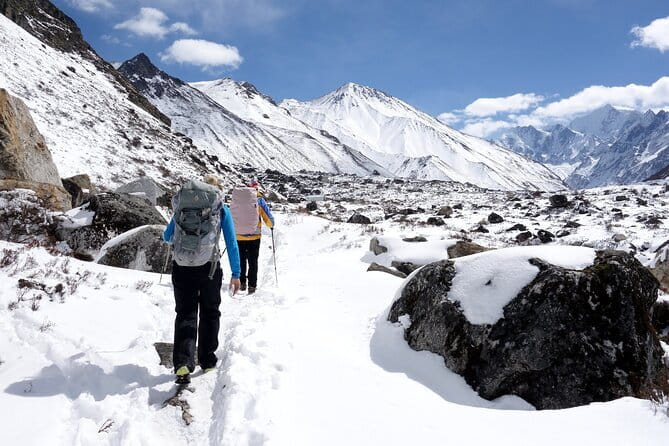
- Kyanjin Gompa + cheese factory: a monastery stop paired with a distinctly local touch.
- Langtang Village after the 2015 earthquake: you’ll see recovery firsthand rather than just postcards.
- Cherko Ri day early start: one of the trek’s main “push days” where timing matters.
- Forest-to-river trekking: days through rhododendron, oak, bamboo, and alongside the Langtang River.
- Guesthouse comfort with basic simplicity: cozy enough, but this is still a trekking rhythm.
- Care from the team: feedback highlights experienced guide/porter support and a feeling of safety for solo women.
Why Langtang Valley feels different from the Everest and Annapurna crowds
Langtang sits in that sweet spot for hikers who want mountains without the constant crush. Even though you’re trekking in a well-known region, the route is described as off-the-beaten-path compared with the most famous Nepal corridors. That matters, because the valley experience is about slow walking, quiet village moments, and mountain views that show up again and again as you gain and lose altitude.
You also get a cultural thread through the whole trip. The area is tied to Tamang heritage, with Tibetan-influenced religious life you’ll see at monasteries and in village settings. The big win is that the trek isn’t only about reaching a summit line on a map; it’s also about how people live there now.
One more practical plus: the itinerary is structured so you’re not constantly rushing. That makes it easier to pace yourself, especially on longer travel days and on the big viewpoint day.
You can also read our reviews of more tours and experiences in Kathmandu.



The Syabrubesi travel day: a 6–7 hour ride that sets the rhythm
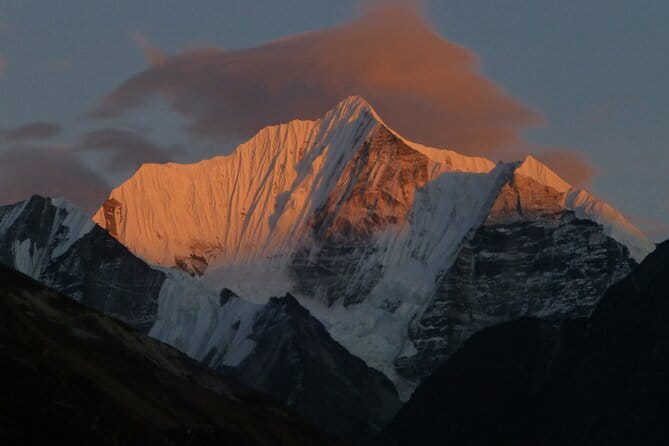
Day 1 is mostly travel: after breakfast, you head toward Syabrubesi with a drive that takes about 6 to 7 hours (with breaks). The route is described as crossing the Tirshuli/Trishuli area by road, which hints at changing scenery and the sense that you’re moving from Kathmandu’s busy energy into the mountains’ slower tempo.
Why this matters: for many people, the trek starts mentally before the first step uphill. A long transfer day can be tiring, but it’s also a good setup if you treat it like the warm-up to a full week of walking. Also, hotel pickup and drop-off are included, which reduces the amount of guesswork you’d otherwise deal with in a new country.
If you’re the type who hates being stuck in vehicles, you’ll want to plan for that mental and physical “seat time.” It’s part of the package here.
Lama Hotel and the Langtang River: forest walking with real character
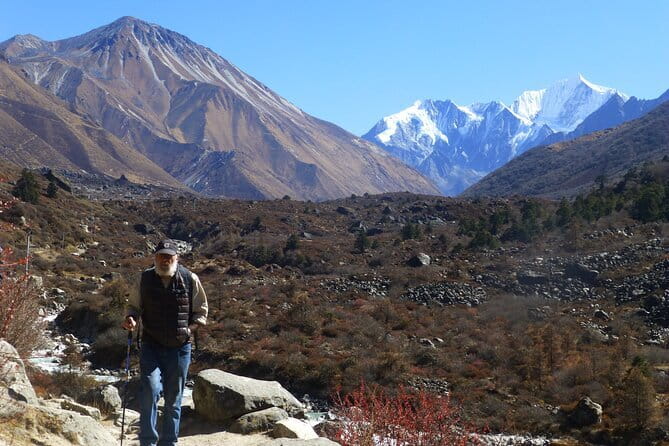
On Day 2, the focus is a classic Himalayan trekking day: you move through dense forest with rhododendron, oak, and bamboo, plus suspension bridges and the gushing Langtang River nearby. The description doesn’t promise just pretty greenery; it signals texture—different plants, bridge crossings, and river sounds that help you stay present.
You also get a feel for why this area attracts repeat hikers. Forest trekking gives you a break from big open exposure to wind and sun, and it often makes the day feel more “alive.” Even if your legs are tired, the trail environment keeps changing.
At the end of the day, you land at Lama Hotel for a guesthouse stay. This is part of what you’re paying for: you’re not just moving through space; you’re being placed into a set of overnight options that fit the trek’s daily tempo.
Langtang Village: traditional stone houses and the meaning of recovery
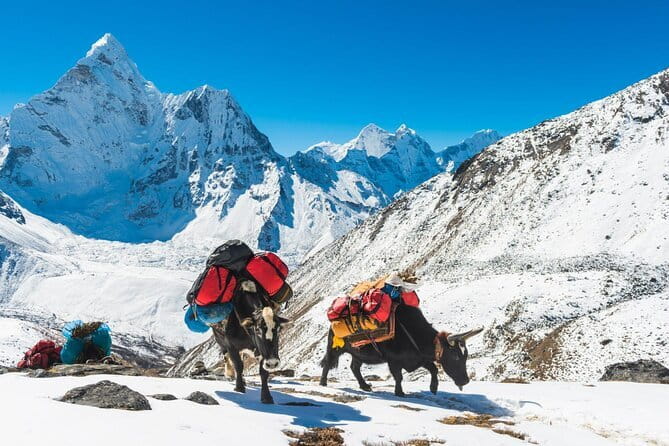
Day 3 is your entry into the heart of the valley experience. You trek toward Langtang Valley with expansive views of Langtang Lirung, pass traditional stone houses, and reach Langtang Village. Importantly, the itinerary notes the village as recovering from the 2015 earthquake.
This is one of those moments where the trek becomes more than scenery. You’re walking through a community that’s rebuilding, not a “set” built for tourists. That gives extra weight to the whole journey, because you’re supporting living places with your presence and trekking activity, rather than just taking photos and moving on.
Practical note: Day 3 is listed as a 6-hour trek, so it’s not framed as a crushing climb. It’s more about steady progress as the valley opens up and your surroundings begin to feel more “remote and local” at the same time.
Kyanjin Gompa: monasteries, mountain views, and the cheese factory stop
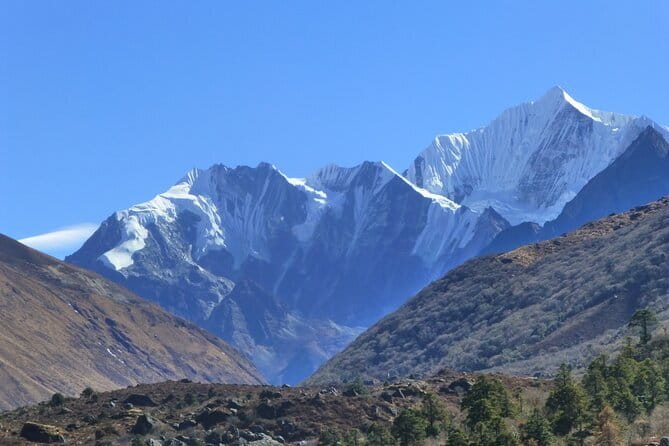
Day 4 is centered on Kyanjin Gompa, described as a principal monastery area with panoramic views and ancient monasteries. What makes this stop feel different from a typical viewpoint is the way the day is built around spirituality and place.
There’s also a famous practical curiosity: the Kyanjin Cheese Factory. It’s the kind of detail that reminds you you’re not only in holy spaces—you’re in a working region where people make daily life happen in the same valley that attracts trekkers.
The itinerary calls Day 4 a relatively manageable pace: not a big day after breakfast. That’s helpful because Kyanjin Gompa is also a launching point for one of the trek’s main viewpoint hikes the next day. If you’re the type who gets wiped out by travel days and doesn’t recover well, this “lighter” day is a gift.
If you want to explore more than the core plan, the overall description mentions optional hikes like Kyanjin Ri or Tserko Ri for additional mountain views. Use those options only if your body feels ready. This valley is great for steady enjoyment, not forced suffering.




Cherko Ri: the early breakfast push that earns big views
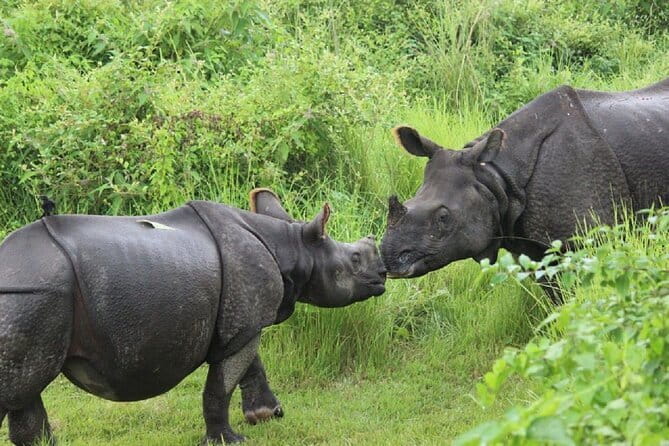
Day 5 is your key “effort day,” aimed at Cherko Ri after an early breakfast with packed snacks. The trek description includes crossing a small wooden bridge over the Langtang River before the climb begins—one of those trail moments that helps you mentally transition from easy walking to purposeful ascending.
Why it’s worth treating as the main day: viewpoint hikes tend to reward early starts. You generally move while the air is clearer and the energy is better. Even if you’re not chasing any dramatic summit photo, this is the day where the trek shifts from “route” to “payoff.”
This is also where pacing and teamwork matter. The tour includes an English-speaking experienced trekking guide and a first aid box carried with the guide, which means you’re not just hoping things go smoothly. When trail conditions or fatigue hit, you’re working with a plan, not improvising alone.
The return leg to Lama Hotel: easier downhill, but don’t get careless
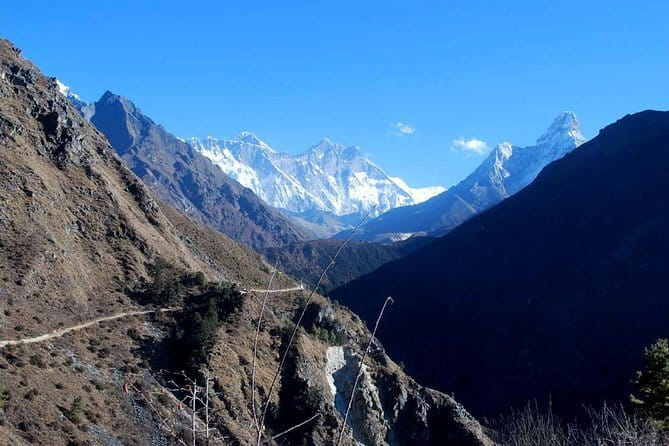
Day 6 heads back toward Lama Hotel, but the description frames it as a relaxing downhill walk. The altitude is described as lowering, which usually makes breathing easier compared with the higher points. The valley gets narrower as you go, and that narrowing can make the day feel more enclosed and scenic at the same time.
Even if a day is easier, it’s still trekking. Downhill can be rough on knees and ankles, and it’s where good walking form helps. The value of having a guide here isn’t only safety—it’s also pacing and timing so your body doesn’t break down after a big viewpoint day.
Also, because this day is set up as easier, it gives you a psychological cushion: you can enjoy the return without feeling like you’re starting from zero again.
Back to Syabrubesi via the easier route: a 6–7 hour day that feels lighter
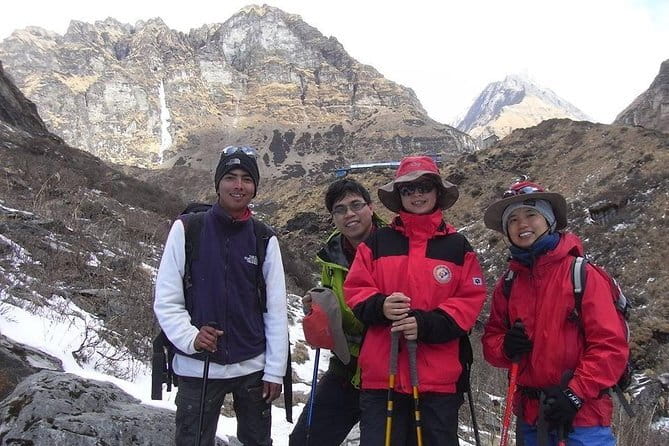
Day 7 retraces steps back to Syabrubesi with mostly descending, making the trek easier overall. There’s even an optional scenic detour via Sherpagaun if you want variety instead of repeating the exact same walk.
This is a smart design. After a week of movement, you get one last chance to take in the valley without demanding the same effort. It’s also where you can notice how your body adapted over time—your sense of balance, your ability to keep moving consistently, and your patience on trail.
If you’re traveling solo, this day often helps people feel more confident. The schedule is familiar, the direction is clear, and you’re not facing a brand-new ascent.
Day 8 to Kathmandu: more green hills, then a hotel transfer
On Day 8, you head back toward Kathmandu in the morning. The drive is described as crossing green hills, forests, riverside areas, and Nepal countryside. Once you arrive, you get a transfer to your selected hotel.
This is the day to think about recovery. You’ve spent eight days alternating between walking and mountain air, and the drive home is a “cooldown” more than part of the adventure itself. In many trekking itineraries, the return gets messy because transportation is on your own. Here, the trip keeps transport organized.
Price and value: what you’re really paying for at $1,110 per person
At $1,110 per person, the price isn’t just for walking. It’s tied to a full operational package that includes:
- Hotel pickup and drop-off
- Round trip sharing bus transfers
- Trekking permit and TIMS card
- An English-speaking experienced trekking guide
- Guesthouse accommodation during the trek
- A first aid box carried by the guide
- Meals included across multiple days (breakfast on 7 days, lunch on 8 days, dinner on 8 days)
On paper, some people get sticker shock until they break it down. Here, the included permits and organized transfers are a real savings in time and stress. You’re also paying for people to be accountable for the daily flow—where you start, where you sleep, and who handles the details if something changes.
One note: it lists al meals as not included, with an approximate cost of about $25 per day. That usually means you’ll still pay for some meals or drinks outside the included breakfast/lunch/dinner plan. So budget enough for snacks, hot drinks, and anything you want beyond the scheduled meals.
Value verdict: if you want a guided trek with permits handled, guesthouses arranged, and transport organized, the price can feel fair. If you’re extremely budget-driven and already know how to organize permits and logistics, you might compare alternatives. But for most visitors, this package removes the hardest parts.
Organization, safety, and the “someone has your back” factor
A major theme from the feedback is team care. The tour is run by Namaste Nepal Trekking & Research Hub Pvt. Ltd., and the emphasis shows up in the way people describe the guides and porters: experienced, reliable, and attentive.
That matters most when the trail gets real—when weather shifts, your energy drops, or you need reassurance that your plan is still on track. One account highlighted that a solo woman felt safe and relaxed with the group. That doesn’t mean every day feels perfect, but it does suggest the team’s presence changes the emotional experience of trekking.
Also, the tour is listed as a private tour/activity, meaning only your group participates. That’s a quieter setup than typical mixed-group trekking, and it can be a big deal for comfort and communication, especially if you’re traveling with friends or prefer a calmer social rhythm.
Who should book this Langtang trek, and who should pause
This trek is recommended for travelers with moderate physical fitness. If you can handle daily walking for about 5–7 hours (plus one main viewpoint push), you’ll likely appreciate the pace. The itinerary spreads effort: forest-and-valley days, a major monastery-focused day, then the Cherko Ri viewpoint day, followed by an easier downhill return.
It may not be the best match if you have physical limitations or if you’re physically ill, because the activity is described as not suitable for those situations.
Best fit:
- People who want Tamang culture and monasteries as part of the trek, not just an optional side quest
- Hikers who like the idea of recovery + resilience in real communities
- Solo travelers who prefer a guided structure and a team that takes safety seriously
Not ideal if:
- You want a very light day-by-day walk with minimal ascents
- You hate road travel days and long transfers
Should you book: my decision guide for Langtang Valley
If your dream Nepal trek includes mountains and meaningful village moments, this one makes sense. The balance of cultural stops (Kyanjin Gompa, monastery life, and the cheese factory), plus the emotional weight of passing through a village still recovering from the 2015 earthquake, gives the trek more depth than a simple hiking checklist.
I’d book it if you value organization: permits and TIMS handled, guide support, guesthouse nights planned, and transport taken care of. At $1,110, you’re paying for that steadiness.
I’d think twice if you’re extremely sensitive to uneven walking, downhill stress on knees, or if long road days tire you out quickly. Then you’ll need a different style of trek.
FAQ
FAQ
How long is the Langtang Valley Trek from Kathmandu?
It’s an 8-day trek, approximately, with transportation on the first and last days between Kathmandu and Syabrubesi.
What does the price of $1,110 per person include?
It includes hotel pickup and drop-off, round trip sharing bus transfers, trekking permit and TIMS card, an English-speaking experienced trekking guide, guesthouse accommodation during the trek, first aid box (with guide), and multiple included meals (breakfast, lunch, and dinner).
Are hotel transfers included in Kathmandu?
Yes. The tour includes hotel pickup and drop-off in Kathmandu, plus transfers to and from the trek area by sharing bus.
Is this trek private?
Yes. It’s listed as private in the sense that only your group participates.
What kind of accommodation do I get during the trek?
You stay in guesthouses during the trek.
Are meals included or do I need extra money for food?
Some meals are included: breakfast on 7 days, lunch on 8 days, and dinner on 8 days. Other meals (including additional choices) are not included and are estimated at about $25 per day.
What fitness level do I need?
The tour says travelers should have moderate physical fitness. It also notes it’s not suitable for physically ill people.
If you’d like, tell me your hiking background (how many hours you’ve done on recent hikes) and your travel month, and I’ll help you sanity-check whether this 8-day pacing feels like a good match.