REVIEW · KATHMANDU
Everest Base Camp Trek
Book on Viator →Operated by Adventure Great Himalaya Trek and Expedition · Bookable on Viator
You’ll chase Everest with every step. This 15-day trek takes you from Lukla into Sagarmatha National Park, with Kala Patthar sunrise and meals, permits, and lodge stays handled. The big consideration is altitude plus serious cold, especially if you’re going in winter.
I like that the pace is built for high country reality: acclimatization days in Namche and Dingboche, then the hard push for views at the top. And I like the human side too, with guides and team leadership that folks call out by name—Krishna is specifically praised for keeping winter treks organized. Still, you should go in knowing this is physically demanding, and winter conditions can be unforgiving.
In This Review
- Everest Base Camp in 15 days: the honest appeal
- Altitude plan: Namche acclimatization and the Kala Patthar 5,545m moment
- Phakding to Dingboche: Sherpa villages, prayer flags, and river crossings
- Lobuche to Gorak Shep to Base Camp: the 5,364m payoff
- Kala Patthar sunrise and the trek back through familiar passes
- Flights, buffer day, and how the finish in Kathmandu works
- Logistics, gear, and group size: what you’re really paying for
- Price in context: included items and what to budget extra
- Should you book in winter? What minus weather changes
- Bottom line: who this Everest Base Camp trek suits best
- FAQ
- How many days is the Everest Base Camp trek?
- What is the highest altitude on this trek?
- Where does the tour start and what time?
- Are meals and lodging included?
- Are Kathmandu–Lukla flights included?
- What trekking gear is provided?
- Is there a backup day for flight delays?
Everest Base Camp in 15 days: the honest appeal
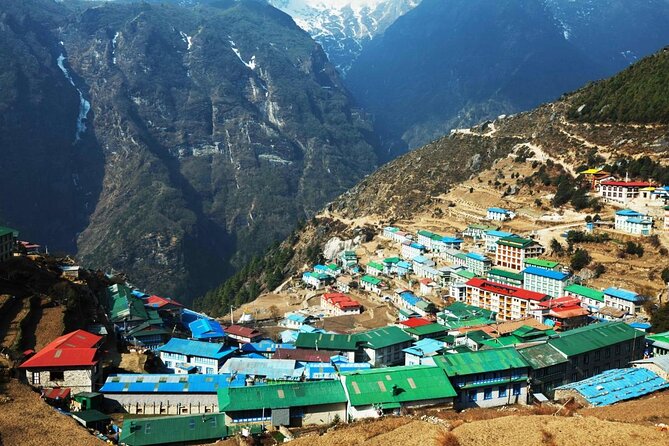
This isn’t a “stroll and snap photos” plan. You’ll spend about two weeks hiking through villages, forests, rivers, and rocky ridges, then hit the classic milestones: Base Camp at 5,364 meters and Kala Patthar at 5,545 meters. The reward is huge—Everest views that feel close enough to touch, plus the culture of the Sherpa communities you pass along the way.
What makes this trek interesting is the mix of human scale and altitude drama. You’ll walk in small, high-altitude towns like Namche Bazaar, then move into quieter, colder sections where every meter matters. You also get a sunrise summit style day, which turns the trip from scenery into a real “I was there” memory.
The trek is guided and structured, with all necessary permits and Sagarmatha Conservation fees included, plus meals and lodge accommodations. That matters because your energy is better spent walking, not negotiating chaos at every checkpoint.
Altitude plan: Namche acclimatization and the Kala Patthar 5,545m moment
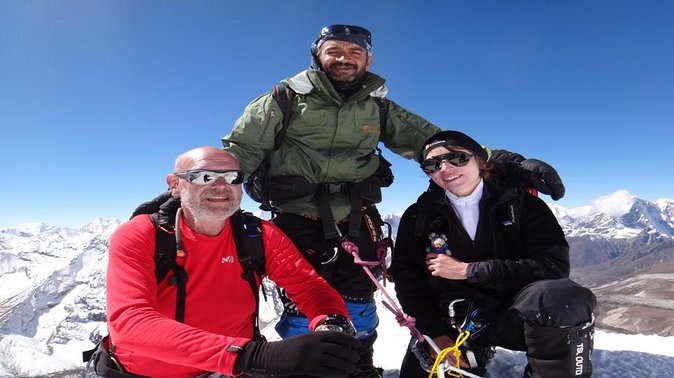
Altitude is the main storyline here, not just the mountain. You reach the higher zones gradually, then deliberately stop to let your body adjust.
- You’ll acclimatize in Namche Bazaar on the fourth day, with time to explore and a short hike option that’s designed for getting your bearings at altitude. This is where the Sherpa Museum and local viewpoint stops help you feel the place while your body does its work.
- You’ll acclimatize again in Dingboche on the seventh day. There’s a scenic hike to Nagarjun Hill (5,100m), which is a smart way to practice being in the thin air without going full-send too early.
Then comes the signature moment: the steep early climb to Kala Patthar (5,545m). This is set up as a sunrise experience, which is exactly what you want if you’re chasing clear views of Everest and the surrounding giants. It’s demanding—morning starts at altitude always are—but this trek builds the days around that effort so you’re not scrambling with no preparation.
One more thing: Everest Base Camp itself is at 5,364 meters, and you’ll reach it after a day that includes trekking toward Gorak Shep and then pushing across rocky terrain and glacier moraines. You’re not just “arriving”—you’re earning it.
You can also read our reviews of more tours and experiences in Kathmandu.



Phakding to Dingboche: Sherpa villages, prayer flags, and river crossings
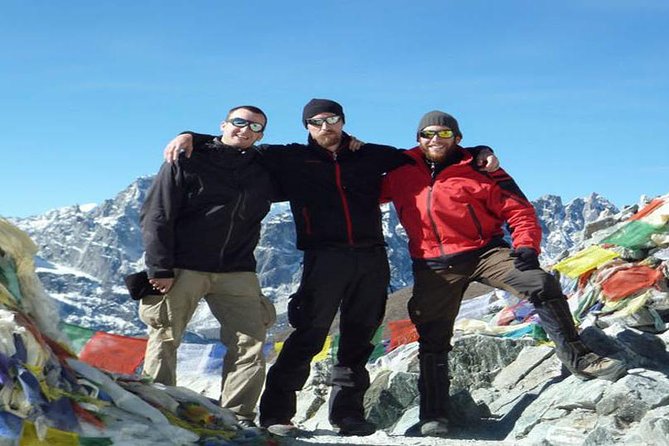
If Everest is the headline, this section is the content. It’s where you see how the route moves from lively valley life up into high, wind-exposed terrain.
Day 2: Lukla to Phakding
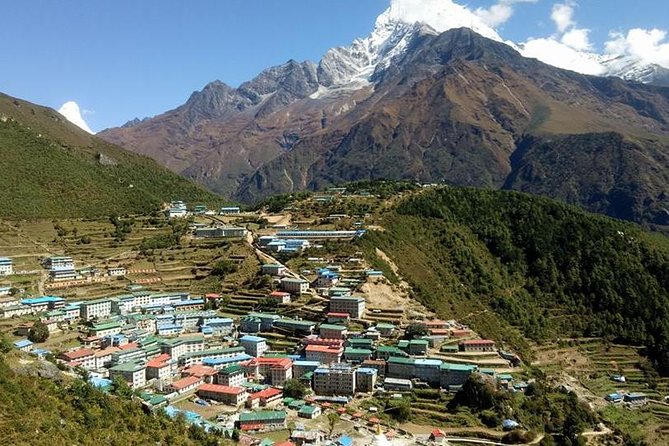
You fly to Lukla early, then start with an easy descent through Sherpa villages. You’ll pass mani walls and prayer wheels, plus colorful trail details that make the trek feel like it has a soul, not just a destination.
Day 3: toward Namche Bazaar
This is a classic river-and-bridge day. The trail follows the Dudh Koshi River with suspension bridges draped in prayer flags, then transitions into Sagarmatha National Park terrain. Expect time on your feet—about 6 hours in the plan—plus plenty of changing scenery as the valley opens and tightens.
Day 4: Namche acclimatization
Namche Bazaar is where the trek feels social. Markets, bakeries, and a museum give you a chance to keep your mind busy while you acclimatize. The option to hike toward places like the Everest View Hotel area or Khumjung village is the kind of structured freedom that keeps a trek from feeling like a treadmill.
Day 5: Namche to Tengboche
You climb out with big views of Everest, Lhotse, and Ama Dablam, then walk through rhododendron and pine before descending again. This day is often the bridge between “easy to love” trekking and the more serious days ahead.
Day 6 and Day 7: Dingboche
You’ll head toward Dingboche, crossing the Imja Khola and passing through areas like Debuche and Pangboche (described as the highest permanent settlement in the region). Then you get the second acclimatization day in Dingboche with the Nagarjun Hill hike and time to rest.
Here’s the practical takeaway: these middle days are where you learn how your breathing feels, how your legs respond, and how much warmth you need before you set out each morning.
Lobuche to Gorak Shep to Base Camp: the 5,364m payoff
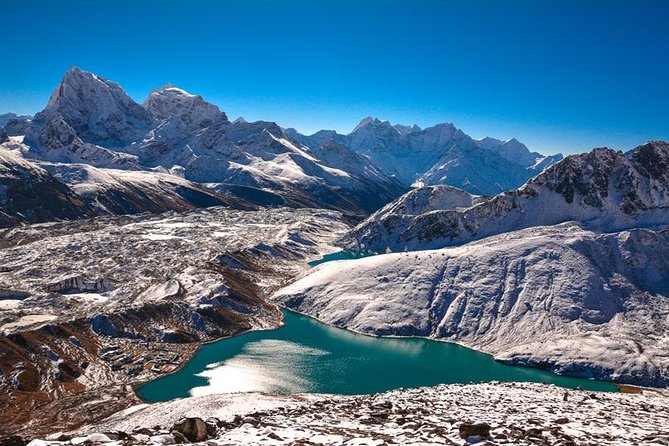
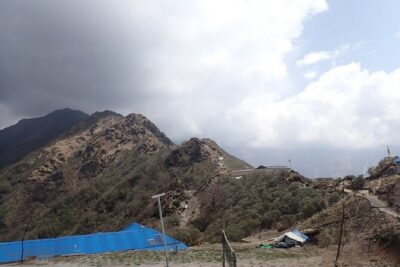
The last approach to Base Camp has a different tone. Less vegetation, more rock, more cold air. It feels more “high Himalaya” and less “village trek.”
Day 8: toward Lobuche
The plan takes you through a rocky landscape with sparse vegetation, passing Dughla and then the memorial ridge honoring climbers who lost their lives on Everest. It’s one of those moments that slows you down in a good way. You’re not just chasing photos; you’re walking through the reality behind the myth.
Day 9: Gorak Shep and Everest Base Camp
You’ll trek to Gorak Shep, then hike across rocky terrain and glacier moraines to reach Everest Base Camp at 5,364 meters. This is the day where the views usually feel the most dramatic, because you’re right at the edge of the Everest story. Even if your legs are tired, you’ll feel the “now it’s real” effect as you arrive.
One practical note: the day structure matters here. You’re walking, then you’re still walking. Don’t plan to treat this as your “rest and then stroll” day. Pace yourself early so you can actually enjoy the arrival.
Kala Patthar sunrise and the trek back through familiar passes
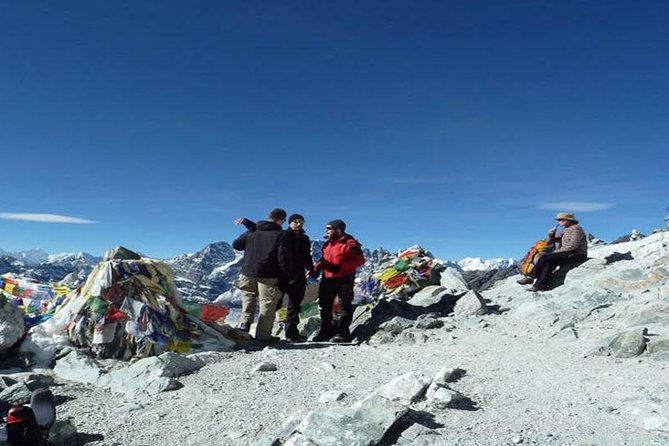
After Base Camp, the trip turns into a mix of adrenaline and recovery. The good news: your return route takes you back through places you’ve already seen, which makes the trail feel easier mentally even when the body is still working.
Day 10: Kala Patthar in the dark, then down toward Pheriche
You start early for the steep push to Kala Patthar for sunrise views. After you take in the scene, you descend back toward Gorak Shep and then continue down to Pheriche. This is a long day, but it’s one of the most memorable ones because sunrise at altitude hits differently than sunrise at sea level.
Day 11: Pheriche back toward Namche
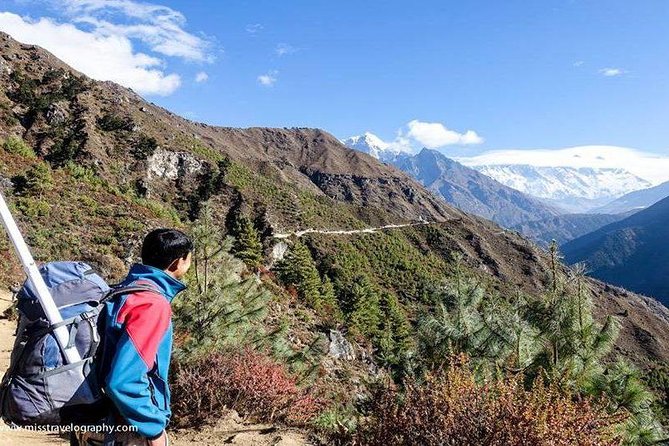
You retrace your steps through Pangboche and Tengboche, with new perspectives as the light changes. This day also includes forest sections and suspension bridge crossings over the Dudh Koshi.
Day 12: Namche down to Lukla
Downhill through pine forests and high suspension bridges brings you back to Lukla. It’s still work, but it often feels like a finish line day—especially if you keep your pace steady and don’t rush.
Flights, buffer day, and how the finish in Kathmandu works
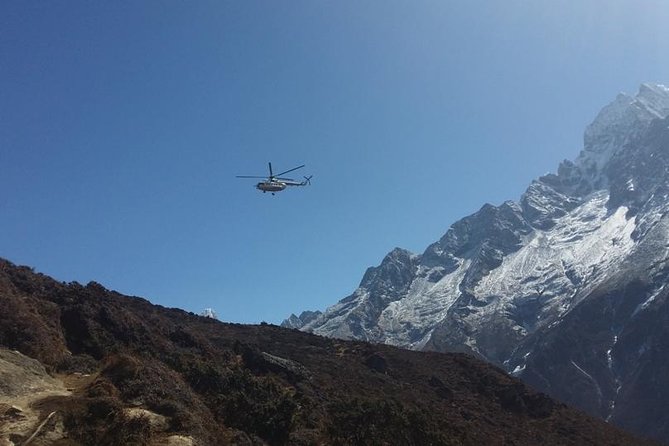
The trek wraps with the Lukla flight and then a little breathing room in Kathmandu.
Day 13: Lukla to Kathmandu
You take a morning flight from Lukla to Kathmandu for one last look at the Himalayas. Then you transfer to a hotel and get time to rest and reset.
Day 14: buffer day
This extra day is kept specifically in case flights between Lukla and Kathmandu are delayed or canceled due to mountain weather. If the flight runs on schedule, you can spend the day as you like—but the key value is reduced stress. When you’re dealing with Lukla, you want a plan that doesn’t treat weather like it’s optional.
Day 15: depart
After breakfast, you’re transferred to Tribhuvan International Airport for your onward flight.




Logistics, gear, and group size: what you’re really paying for
This trip is priced at $1,800 per person and includes a lot of the moving parts that usually cause stress in Nepal treks.
Here’s what stands out on the logistics side:
- Max group size: 12 travelers. Smaller groups usually mean smoother pacing and less waiting at key points.
- Porter support: for between 2 trekkers. That’s a big deal when you’re hiking at altitude. You still carry what you need, but the heavy lifting isn’t all on you.
- Trek equipment included: a sleeping bag, duffel bag, and walking pole. Not every operator includes gear like this, so it can be a clear cost saver.
- Kathmandu nights and lodge nights included: 3 nights in Kathmandu plus 11 nights in trekking lodges.
On the people side, the winter feedback is telling. In December, the cold can get real fast, and one winter trek experience highlighted how guide Krishna helped keep things handled so the hikers could stay focused on the hiking itself. Another team leader named Babu was also praised, which points to the operation being more than just a ticket seller.
Price in context: included items and what to budget extra
Let’s talk value without pretending this is cheap.
Included (major items):
- Meals: three meals a day during the trek (breakfast, lunch, dinner) in the plan.
- Permits and fees: all necessary trekking permits plus Sagarmatha Conservation fees.
- Lodge accommodations during the trek, plus hotel nights in Kathmandu.
- Flights: Kathmandu to Lukla and return.
- Ground transportation within the plan.
- Trek gear: sleeping bag, duffel bag, walking pole.
- Porter: for between 2 trekkers.
Not included (budget items you should plan for):
- International airfare and Nepal visa fees.
- Personal travel insurance.
- Tips for guide and porter.
So when you look at the total, the price covers the stuff that’s hard to organize on your own: permits, food, sleeping arrangements, the Lukla flights, and the trekking support setup. The remaining costs are mostly about getting to Nepal and taking care of your own insurance and tipping.
If you hate last-minute sourcing in Kathmandu, this kind of package can feel worth it.
Should you book in winter? What minus weather changes
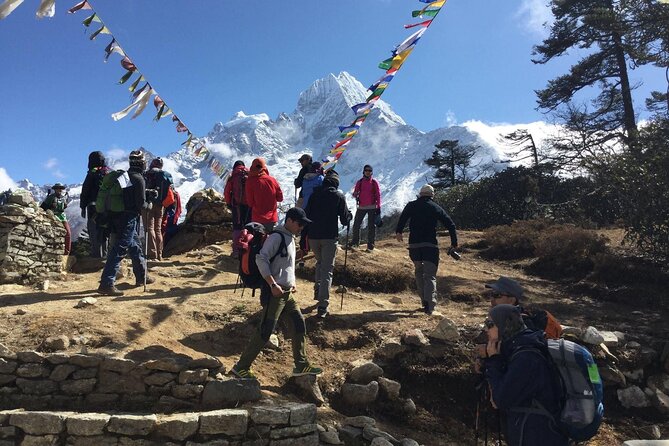
Winter trekking to Everest Base Camp can be stunning—and cold in a way that affects your decisions day to day. One winter experience specifically called out minus weather and praised the guide for keeping the trek organized so you could focus on moving.
That doesn’t mean winter is a bad idea. It means you should prepare like winter matters:
- Pack for cold, not just chilly.
- Expect slower mornings and a bigger need to stay warm before you start walking.
- Rely on the guided structure so you don’t have to second-guess logistics mid-trek.
If you’re the kind of traveler who likes clear priorities—start when planned, follow the pace, trust the acclimatization rhythm—this trek fits your style.
Bottom line: who this Everest Base Camp trek suits best
I’d point you toward this tour if you want a guided Everest Base Camp trek with the practical parts handled: permits, meals, lodge stays, porter support, and Lukla flights. The itinerary also gives you built-in altitude sanity checks in Namche and Dingboche, plus the big Kala Patthar sunrise payoff.
I’d hesitate if you’re not comfortable with a tough hike in thin air, or if you’re hoping for a casual vacation vibe. This is working hard to get somewhere high.
FAQ
How many days is the Everest Base Camp trek?
It runs for about 15 days, combining trekking days and acclimatization days, with a buffer day included.
What is the highest altitude on this trek?
The maximum altitude listed is 5,545 meters at Kala Patthar.
Where does the tour start and what time?
The start point is Tribhuvan International Airport in Kathmandu, with a start time of 7:15 am.
Are meals and lodging included?
Yes. The tour includes meals (breakfast, lunch, dinner during the trekking portion) and lodge accommodations during the trek, plus hotel nights in Kathmandu.
Are Kathmandu–Lukla flights included?
Yes. Flights from Kathmandu to Lukla and return to Kathmandu are included in the tour.
What trekking gear is provided?
A sleeping bag, duffel bag, and walking pole are included.
Is there a backup day for flight delays?
Yes. The itinerary includes an extra day kept as a buffer in case flights between Lukla and Kathmandu are delayed or canceled due to mountain weather.