REVIEW · KATHMANDU
Everest Base Camp Trek and Kathmandu Tour: 15 Days
Book on Viator →Operated by Attractive Travels and Tours Pvt. Ltd. · Bookable on Viator
Up to the top of the world, with warm Kathmandu days first. This 15-day Everest Base Camp trek plus Kathmandu cultural loop mixes big Himalayan visuals with UNESCO sites like Swayambhunath and Pashupatinath—then it brings you back with a real city ending instead of rushing straight home.
I especially like how the package handles the big moving parts for you: airport transfers, flights to Lukla (from Kathmandu or Ramechhap), and a licensed guide plus a porter setup for your baggage. In the experiences shared, the guide Mr. Rajan for the mountains and his team support are called out as a key reason the trek felt smooth and memorable.
One thing to consider: this is an altitude trek. The route gets more serious after Lobuche, and you’ll need a moderate fitness baseline plus your own trekking gear.
In This Review
- Key highlights you’ll feel fast
- The real value of bundling Everest Base Camp with Kathmandu
- Kathmandu Valley: Swayambhunath to Boudhanath and Pashupatinath
- Swayambhunath (Monkey Temple)
- Patan Durbar Square
- Pashupatinath Temple and the Bagmati River
- Boudhanath Stupa
- Day 3’s flight to Lukla: the roller-coaster part
- Namche Bazaar: where acclimatization becomes strategy
- Day 4: the push to Namche
- Day 5: your built-in rest day
- Tengboche and the monastery day that changes your mood
- Dingboche to Lobuche: views, then reality at higher altitude
- Day 7: Dingboche and big-name peaks
- Day 8: Lobuche and memorial stupas
- Gorak Shep to Everest Base Camp: the glacier-path feel
- Kala Patthar at 5,644m: your sunrise payoff
- Heading down: Namche, Dudh Koshi, and the day air gets warmer
- Day 12: down through bridges and rhododendron
- Day 13: Lukla day and the warmer-feeling air
- Lukla flights back to Kathmandu and a final Kathmandu explore day
- What you should pack and bring (because the tour doesn’t)
- Who this Everest Base Camp + Kathmandu plan fits best
- So, should you book this 15-day tour?
- FAQ
- How long is the Everest Base Camp and Kathmandu tour?
- What is the price per person?
- Are flights to Lukla included?
- Is a guide included, and do I get porter support?
- Is travel insurance included?
- Are Kathmandu UNESCO entrance fees included?
- Do I need to bring my own trekking equipment?
- Does the itinerary include acclimatization time?
- What happens if the trek is canceled due to poor weather?
Key highlights you’ll feel fast
- Licensed guide and group size max 15 people keep things organized on busy days
- Flights to Lukla and back remove the hardest logistics so you can focus on the trek
- Kathmandu UNESCO circuit covers Monkey Temple, Patan, Shiva at Pashupatinath, and Boudhanath
- Acclimatization in Namche Bazaar (rest day built in) helps you handle the climb better
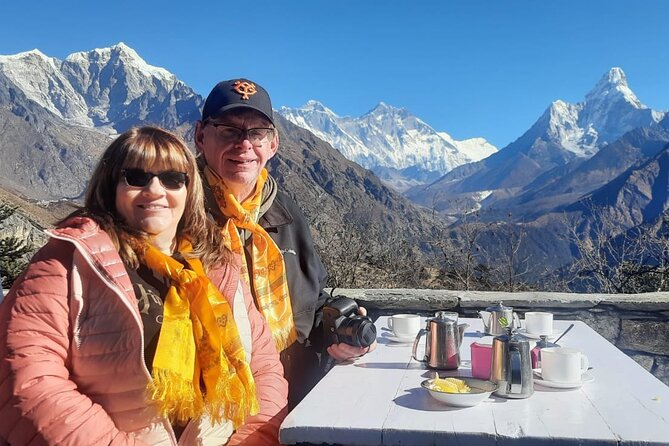
- Kala Patthar payoff at 5,644m for dramatic summit views of Everest and the range
The real value of bundling Everest Base Camp with Kathmandu
Let’s talk value, because Everest treks can get pricey in a hurry once you add permits, flights, guides, and a bunch of small fees.
For this $1,799 per person package, you’re paying for the core infrastructure:
- airport arrival and departure support
- Everest National Park permit
- flights from Kathmandu or Ramechhap to Lukla and return
- a government licensed trekking guide
- a porter arrangement for baggage (not one porter per person; it’s set up as 1 porter for 2 guests)
- hotel nights in Kathmandu with breakfast
- Kathmandu UNESCO world heritage site tour
- most meals during the trek (breakfast 13, lunch 11, dinner 11)
That matters. When you bundle the big costs, you reduce the chance of surprise expenses mid-trip, and you spend more energy walking and taking in the views instead of chasing paperwork.
Still, budget planning needs a small reality check. The tour doesn’t include:
- travel insurance
- Nepal visa
- the UNESCO entrance fees in Kathmandu (listed as $20 per person)
- trekking equipment (you bring your own)
- alcohol and non-tea drinks
So this is “good value” if you already know you want the flight-based Everest route and the Kathmandu heritage add-on. If you’re trying to do everything as cheaply as possible by skipping guides or re-routing plans yourself, you may compare other styles of trekking.
You can also read our reviews of more tours and experiences in Kathmandu.



Kathmandu Valley: Swayambhunath to Boudhanath and Pashupatinath
Your trip starts in Kathmandu with an easy first rhythm: land, meet your representative, and check into your hotel. You’re given time to rest before you hop into the heritage days. That first day sounds basic, but it’s smart. Kathmandu can make jet lag feel worse, especially once you have an early flight later.
Swayambhunath (Monkey Temple)
On Day 2, you visit Swayambhunath—also known as the Monkey Temple. This is one of those places where you feel the city’s spiritual layering immediately: temple space, prayer movement, and that playful monkey energy (you’ll see plenty of people taking photos and careful steps around the stairs).
Patan Durbar Square
Next up is Patan Durbar Square, a compact route filled with temples and monuments. Patan is often described as a city of fine arts, and that shows in the details and craftsmanship you’ll notice if you slow down.
Possible drawback: entrance fees are not included here. If you’d rather not track small payments, budget for the ticket costs at the sites where they apply.
Pashupatinath Temple and the Bagmati River
Then you reach Pashupatinath Temple, dedicated to Lord Shiva, one of Nepal’s most important Hindu temples. Close by is the Bagmati River, where you may see the Hindu open cremation ceremony on the riverbank.
This is the part of the Kathmandu tour that can feel emotional and intense. It’s also one of the most culturally meaningful stops in the itinerary, because it connects religion to daily ritual and landscape. If you’re sensitive to heavy sights, plan how you’ll handle it before you arrive.




Boudhanath Stupa
You finish the day at Boudhanath Stupa, described as Nepal’s biggest Buddhist temple and second biggest in the world. You can usually feel the atmosphere shift here—less temple intensity, more slow prayer and quiet focus.
Again: entrance tickets for some of these sites aren’t included, so take a small “pay as you go” mindset into Kathmandu.
Day 3’s flight to Lukla: the roller-coaster part
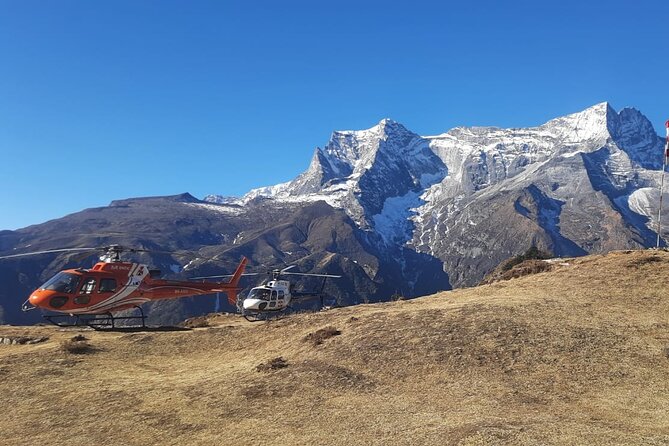
Day 3 is your big transition day. You fly from Kathmandu or Ramechhap to Lukla, then begin trekking toward Manjo.
This is a classic Everest moment: a short flight that changes the entire feel of the trip. The mountain air feels different almost instantly. The track from Lukla onward is your first taste of the Khumbu region’s rhythm—trail time, small climbs, and that steady “one step at a time” style of trekking.
What I like here as a traveler plan: you’re not forced to do a long technical warm-up before you reach real trekking days. You’ve already worked your way into the route.
Namche Bazaar: where acclimatization becomes strategy
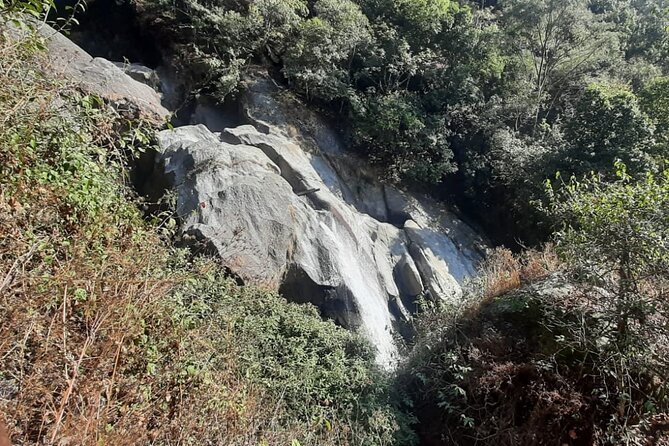
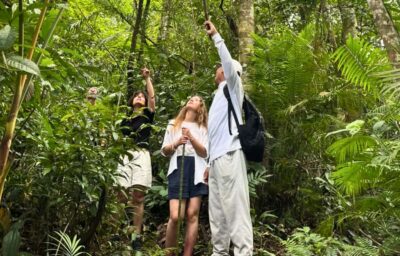
From your first trekking day into Namche, the trail passes through wooded sections—rhododendron, magnolia trees, and huge firs—so you don’t just walk in rock and dust. Bridges also appear along the way, which helps break the long stretches.
Day 4: the push to Namche
You walk from Manjo across bridges and into Namche Bazaar. Even when it’s challenging, this day doesn’t feel like a straight grind. Forest sections and repeated trail features keep your attention in the right place.
Day 5: your built-in rest day
Then you rest properly in Namche Bazaar. This is huge. The altitude makes a difference fast here, and a rest/acclimatization day can save you later.
Namche is set in a bowl-shaped area, and it tends to feel like a hub you can breathe in. This stop isn’t just for comfort; it’s for survival. You’ll be in better shape for the days after, when the route ramps up.
Tengboche and the monastery day that changes your mood
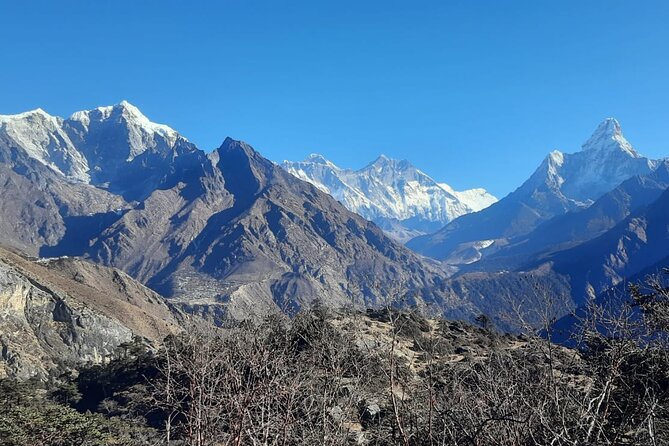
Day 6 turns more “Everest region” in feel. You climb toward Tengboche village and can visit the famous Tengboche monastery, highlighted as the biggest monastery in the Everest region.
This is one of those days where the trek becomes more than meters gained. Even if you’re focused on views, you’ll remember the monastery atmosphere—quiet, grounded, and very tied to the Sherpa culture of the Khumbu.
You also get an easy-walk mention earlier in the day’s description (to Phunki) before you climb toward Tengboche. That pacing is good. It helps you avoid going too hard before the higher-altitude days.
Dingboche to Lobuche: views, then reality at higher altitude
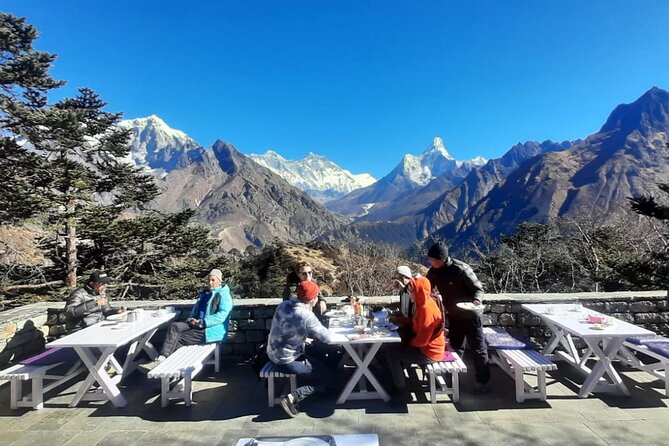
Day 7: Dingboche and big-name peaks
On the way to Dingboche, the itinerary describes birch forests and rhododendron trees. The day also calls out views of Mt. Everest, Lhotse, and Ama Dablam along the trek.
This is a good day to slow down whenever you get a window for photos. The mountains here can look close but still feel far away. Enjoy the sight lines, because later days can be more about breathing and pacing.
Day 8: Lobuche and memorial stupas
Day 8 brings you into Lobuche, and the pace becomes more challenging due to altitude. You pass Dungla and see memorial stupas on the trail—small but powerful reminders of why people come to these mountains and what can happen.
This day is where you start feeling the consequences of every step you’ve already taken. If you’re the type who pushes to “finish strong,” try to shift that mindset. Strong in Everest land often means steady and controlled.
Gorak Shep to Everest Base Camp: the glacier-path feel
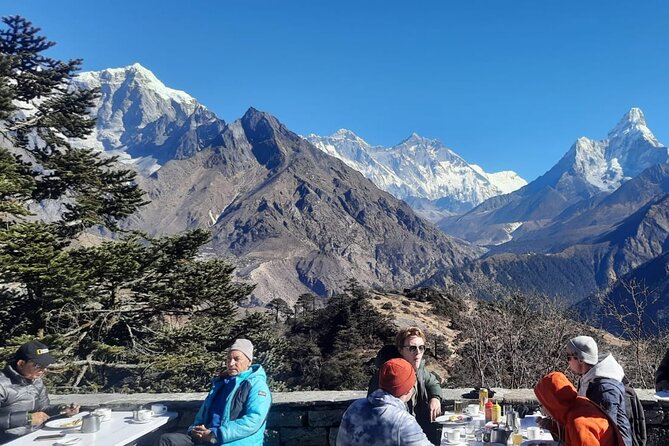
Day 9 takes you to Gorak Shep, and then onward to Everest Base Camp.
The itinerary describes the route as ascending and descending on mostly glacier path, with lots of rough terrain and meandering. That’s the key word: meandering. On Everest treks, “straight ahead” is rare. You’ll be adjusting constantly—small turns, uneven ground, and careful steps.
Then you reach Base Camp and get the “incredible” experience of standing at Everest’s doorstep. Even if you’ve seen photos, the real thing feels different. The scale is harder to photograph than it is to feel.
One note for your planning: this is a long-feeling day. If you’re carrying any heavy frustration in your body, the terrain tends to make it louder. Keep your pace calm and let the day unfold.
Kala Patthar at 5,644m: your sunrise payoff
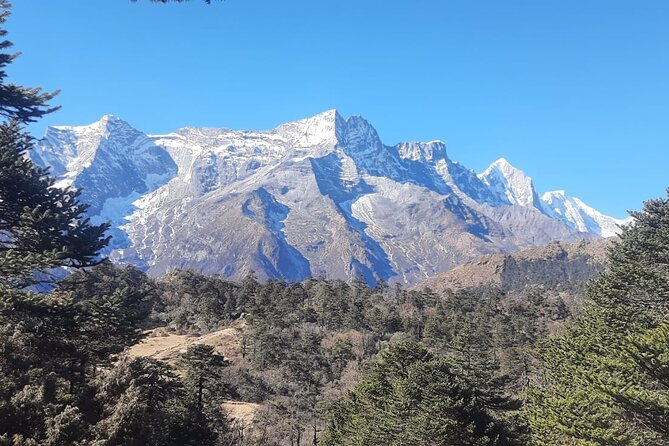
Day 10 is built around Everest Base Camp and Kala Patthar. The route describes a steep trail at a comfortable pace to Kala Patthar, with views of Lingtren, Khumbutse, and Changtse as you ascend.
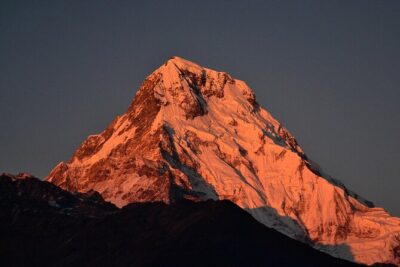
Day 11 adds another layer: you hike for sunrise at Kala Patthar from the vantage point. The description says the sun rises from behind the Mount Everest massif, making the peaks appear golden.
Two thoughts I’d put in your pocket before going:
- Sunrise hikes usually feel harder than daytime hiking because your legs are colder and your breathing gets tighter in early hours.
- The payoff is often not just the color—it’s the sense that the whole mountain wall is waking up at once.
Also, the itinerary mentions a morning hike from Pheriche, which signals you’re not just doing one big push and calling it done. You’re building in rhythm: Base Camp experience, then the classic viewpoint moment.
Heading down: Namche, Dudh Koshi, and the day air gets warmer
Days 12 and 13 focus on descent. You return from the Everest Base Camp area toward Namche, and the description notes losing nearly 2,000 feet in altitude along the route.
Day 12: down through bridges and rhododendron
You walk on a trail with ups and downs, then cross a bridge over the Dudh Koshi River. After that, you descend through rhododendron areas back toward Namche.
Here’s the practical reality: descending feels easier than climbing, but it can be harder on knees and ankles. Short steps help. Trek poles can be a lifesaver if you brought them.
Day 13: Lukla day and the warmer-feeling air
Day 13 drops you down to Lukla. The description notes rocky paths, suspension bridges, and then walking on a surfaced path. You’ll feel the air warmer as you reach Lukla again.
That warmer air is a morale boost, not just comfort. After days of cold and altitude pressure, it helps your body start resetting.
Lukla flights back to Kathmandu and a final Kathmandu explore day
Day 14 is flight day. You depart for Kathmandu early in the morning, then you’re escorted to your hotel. The rest of the day is left open for you to explore around Kathmandu and join a farewell dinner.
This is a good moment to do light sightseeing rather than long walks. Your trek legs will be tired, and the altitude will have your balance a bit “new” for a day or two.
Day 15 finishes with a thank-you and airport drop-off, with a reminder to arrive at least 3 hours before your scheduled flight time.
What you should pack and bring (because the tour doesn’t)
The package specifically says trekking equipment is not included, so you’ll want to plan your gear before you go.
What I’d prioritize, based on the route type described (steep trail sections, rough glacier-path terrain, sunrise hikes, cold mornings):
- proper layered clothing (warm base layer plus insulation plus shell)
- waterproof outer layer
- traction-friendly footwear suitable for uneven paths
- gloves and a hat for cold starts
- sunglasses and sunscreen (you’re high up)
- a headlamp or reliable light for early hours
- trekking poles if your knees tend to get cranky on descents
And yes: bring what you need for Kathmandu site visits too—comfortable walking shoes help a lot.
Who this Everest Base Camp + Kathmandu plan fits best
This trek works best if you:
- can handle a moderate physical fitness level
- like a structured plan that manages flights, guide, permits, and core logistics
- want the cultural side of Nepal before and after the mountains
- prefer a group format with a maximum of 15 people
It might not be your best fit if:
- you’re looking for a super flexible itinerary with lots of free days in the mountains (this is more set-route)
- you don’t want to deal with altitude discomfort as the route climbs and gets more challenging after Lobuche
- you’re not ready to bring your own trekking equipment
So, should you book this 15-day tour?
If you want a classic Everest Base Camp experience with the major viewpoint moment at Kala Patthar (5,644m), plus a Kathmandu UNESCO introduction that covers both Buddhist and Hindu landmarks, this package is a sensible match. The biggest reason: the “hard-to-organize” parts—Lukla flights, permits, guide, and meals—are already built in.
Book it if you’re comfortable doing a real altitude trek, you’re willing to bring your own gear, and you understand that Kathmandu site entrance fees and visa/infrastructure costs still exist outside the base price.
Don’t book it if you’re hoping the package includes everything you might need on the trail or if you want to avoid altitude and steep days altogether.
FAQ
How long is the Everest Base Camp and Kathmandu tour?
It’s about 15 days.
What is the price per person?
The price is $1,799.00 per person.
Are flights to Lukla included?
Yes. The package includes flight tickets from Kathmandu or Ramechhap to Lukla and return.
Is a guide included, and do I get porter support?
Yes. You’ll have a government license holder trek guide, and porter support is included to carry your baggage (set up as 1 porter for 2 guests).
Is travel insurance included?
No. Travel insurance isn’t included.
Are Kathmandu UNESCO entrance fees included?
No. Entrance fees for Kathmandu UNESCO world heritage sites are not included and are listed as $20.00 per person.
Do I need to bring my own trekking equipment?
Yes. Trekking equipment is not included, so you should bring your own.
Does the itinerary include acclimatization time?
Yes. There’s a rest/acclimatization day in Namche Bazaar, and the plan also notes that the trek becomes more challenging from Lobuche onward.
What happens if the trek is canceled due to poor weather?
The experience requires good weather. If it’s canceled due to poor weather, you’ll be offered a different date or a full refund.