REVIEW · KATHMANDU
Ghorepani Ghandruk Wellness Yoga Trek
Book on Viator →Operated by Places Nepal Trek & Tours · Bookable on Viator
Early mornings, better breathing.
This Ghorepani Ghandruk Wellness Yoga Trek pairs a classic Annapurna-area hike with daily yoga and meditation, so you’re not just walking—you’re learning how to move with your breath. Two standouts for me: the structured yoga routines each day, and the Poon Hill sunrise hike with big views over the mountains. One consideration: the schedule starts early, and Day 4 is described as the hardest hiking day, so you’ll want to be ready for a tougher leg before you settle into the rhythm.
I also like that the trip is set up to reduce stress. You get a team meeting you after arrival, guided sightseeing in Kathmandu, and all the key ground transportation and trekking permits handled. Add in the included yoga expert and a local licensed guide, and it feels more like a supported wellness retreat that happens to include trekking legs.
The wellness side is the headline, but the real win is how practical it is. You’ll do prayer, stretching, sun salutations, yoga poses, breathing work, and mantras as a daily anchor—then hit trail time with a clear head. Just note: if you have certain dietary needs, this isn’t recommended based on the tour info.
In This Review
- Key things I’d bank on before you go
- Wellness yoga meets the Annapurna trail
- Price and what makes it feel like value
- Day 1: getting oriented in Kathmandu (before your legs get busy)
- Day 2: Kathmandu temples and shopping for the trek ahead
- Day 3: Pokhara warm-up yoga and breathwork
- Day 4 to Ghorepani: the hardest hiking day, paired with daily routine
- Day 5: Poon Hill sunrise at 3210 meters, then Tadapani at 2700
- Day 6: Ghorepani to Ghandruk with village recovery time
- Day 7: Jeep rides back to Pokhara (and a calmer kind of travel day)
- Day 8: Kathmandu yoga rhythm and the final unwind
- Day 9: airport transfer and optional monastery time
- How the wellness part actually works (not just as a slogan)
- Trek pacing, altitude reality, and what to bring
- Who should book this trek?
- Should you book the Ghorepani Ghandruk Wellness Yoga Trek?
- FAQ
- FAQ
- How long is the Ghorepani Ghandruk Wellness Yoga Trek?
- Do you get airport pickup and drop-off?
- Is a domestic flight included?
- What meals are included during the trek?
- Does the trip include yoga instruction and equipment?
- What’s not included in the price?
Key things I’d bank on before you go
- Daily yoga and meditation built into the trek schedule, not added as an afterthought
- Poon Hill sunrise at 3210 meters, plus a sunrise hike that’s about an hour
- A supported trek with a local licensed guide and oxygen checks using the provided oximeter
- Kathmandu + Pokhara balance: temples and UNESCO sites before you climb, and recovery time after
- Wellness extras like an Ayurvedic massage in Pokhara and time referenced for natural hot springs
- Private feel since it’s only your group, even though it runs on a set itinerary
Wellness yoga meets the Annapurna trail
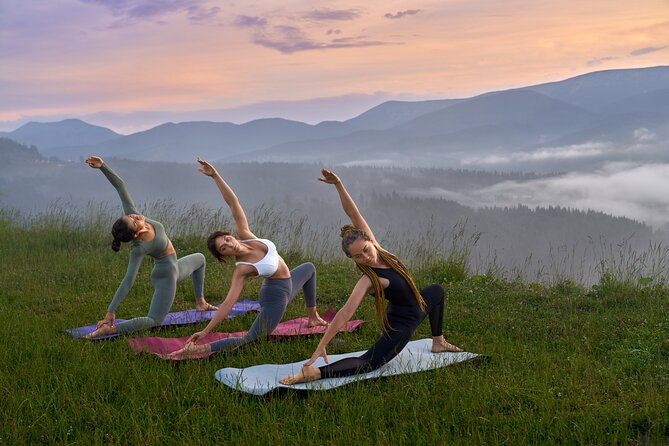
This trek is designed for people who want movement, fresh mountain air, and a calmer mind. The yoga portion isn’t just a couple of stretches on a mat in the guesthouse—it’s a repeated routine. That matters because altitude days and long descents can mess with your focus. When your breathing and body cues are already familiar, the hike feels more manageable.
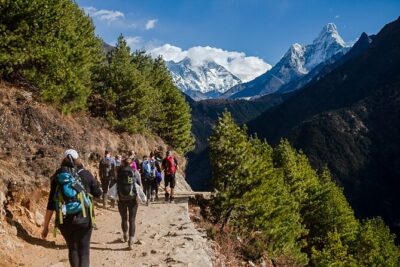
You’re also traveling through a well-known route, which helps keep expectations realistic. The big moments are built in: Kathmandu’s temple circuit early on, then the gradual shift toward the Annapurna and Dhaulagiri viewpoints, culminating in Poon Hill for sunrise.
You can also read our reviews of more tours and experiences in Kathmandu.



Price and what makes it feel like value
The price is $1,979 per person for an ~9-day journey. That’s a serious chunk of money, so I looked hard at what you actually get.
Here’s the value case in plain terms:
- Hotels and key stays: 2 nights in Kathmandu (4-star) and 1 night in Pokhara included.
- Flight + transport: one-way domestic flight to Pokhara plus ground transportation throughout the itinerary.
- Food on the trek: daily standard meals during trekking days (breakfast, lunch, dinner counts are included for those trek portions).
- Guides and permits: a yoga expert and local licensed guide throughout the trek, plus admissions, government taxes/services, and trekking permits.
- Wellness package: Pokhara Ayurvedic massage, yoga sessions, and materials like yoga mats and a blanket (returned at the end).
- Gear and safety support: a duffle bag, sun cap, and a T-shirt, plus an oximeter for checking oxygen level.
What’s not included is also clear: lunches in Kathmandu and Pokhara, bar bills, personal expenses, and tips (tipping is expected).
So, if you want someone else to handle logistics, permits, and the wellness structure, this price can make sense. If you’re the type who likes to DIY every leg and skip organized yoga, you’ll feel like you’re paying for a framework you might not use.
Day 1: getting oriented in Kathmandu (before your legs get busy)
On arrival, the tour team meets you and transfers you to your hotel. Before you check in, you’ll get a quick rundown of what’s coming next—helpful when you’re tired from flights and want your brain to stop spinning.
This day is really about getting your bearings and settling in. You’re also near public transportation, which can be useful if you want a little freedom once you’re not on a strict schedule.
Day 2: Kathmandu temples and shopping for the trek ahead
Your second day is a guided temple and heritage loop, with tickets included for each stop:
- Kathmandu Durbar Square (UNESCO): a classic start that sets the tone for Nepal’s cultural depth.
- Swayambhunath Stupa (Monkey Temple): expect city views and the famous monkey-temple vibe.
- Boudhanath Stupa: one of the biggest stupas in the world, with a scale that’s hard to grasp until you’re there.
- Pashupatinath Temple: a major Hindu site where traditional rituals are part of what you’ll see.
By the end, there’s time for last-minute shopping for the trek. That’s practical: you can sort out anything you forgot—snacks, small supplies, or gear you’ll want once the mountain routine begins.
Day 3: Pokhara warm-up yoga and breathwork
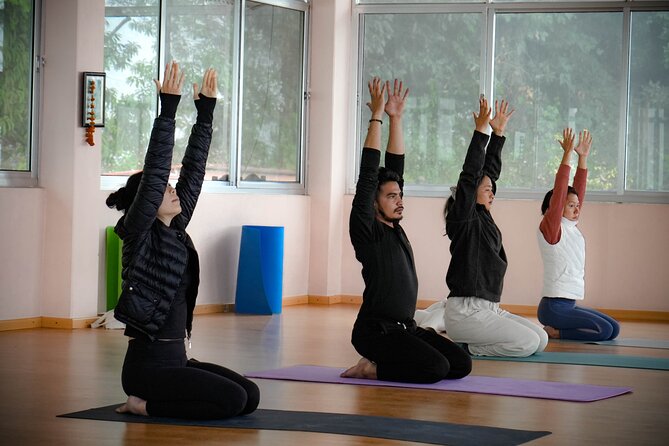
Day 3 brings you to Pokhara, and it starts with a yoga-and-breath focus before you even think about trail time. You’ll do stretching and breathing exercises, sun salutations, and breathing techniques designed to calm your mind. There’s also a peace mantra component, which becomes a repeated theme.
This day matters more than it sounds. Pokhara is where you shift from city energy to mountain pacing. If you’re new to yoga routines, this is also a good “practice rehearsal” before the trek gets real.




Day 4 to Ghorepani: the hardest hiking day, paired with daily routine
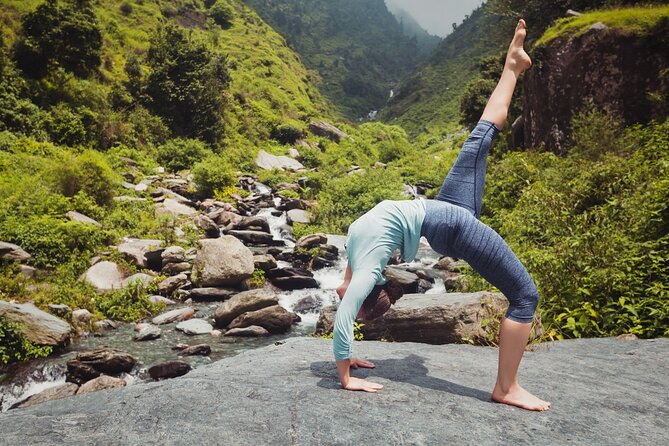
You start the morning with your usual yoga sequence: morning prayers, stretching, sun salutations, yoga poses, breathing exercises, and a peace mantra. Then breakfast comes, and the trek begins.
This is likely the hardest day of the trek. The schedule notes it as the tough leg, so plan your expectations around effort, not speed. The best way to make that day feel better is to lean into the breathing work you practiced earlier—especially when your body wants to rush and your lungs feel like they’re behind.
There’s also a safety detail that I really appreciate: an oximeter is included for checking oxygen level. It won’t magically remove altitude effects, but it gives you real numbers instead of guessing.
Day 5: Poon Hill sunrise at 3210 meters, then Tadapani at 2700
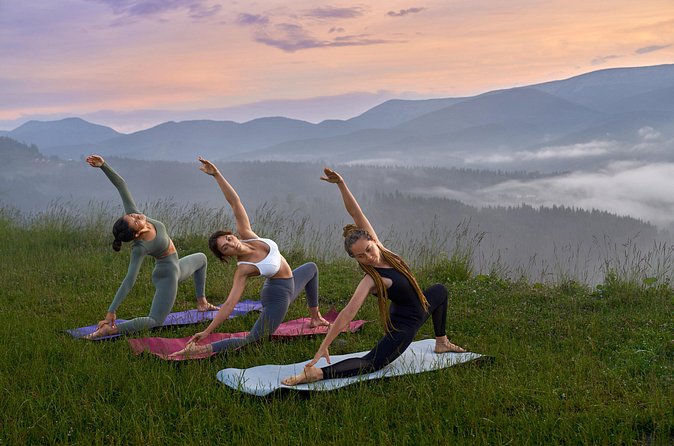
Day 5 is the big wow day.
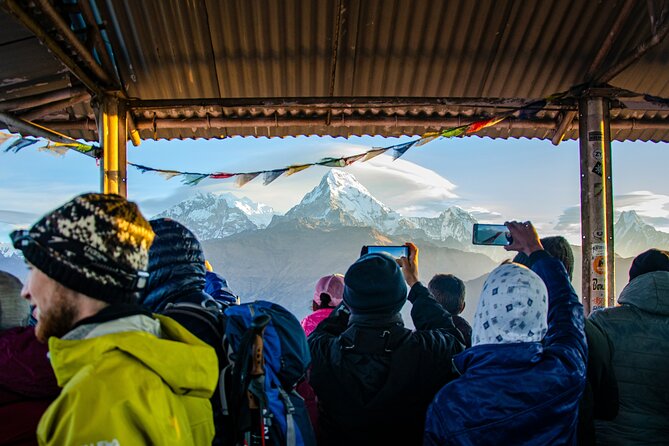
First, you hike early to Poon Hill, at 3210 meters. The hike is about an hour, and the promise is sunrise plus views of 10 different mountain peaks. Whether the sky is perfectly clear or just “good enough,” the early climb is usually the moment that snaps everything into focus.
After the Poon Hill stop, you come back down to Ghorepani for a light mountain breakfast. Then you trek to Tadapani and sleep in a guesthouse at 2700 meters. That night includes meditation time and dinner, keeping the wellness theme consistent instead of letting the day turn into pure fatigue.
Day 6: Ghorepani to Ghandruk with village recovery time
Morning starts again with the same prayer/stretch/sun-salutation/breathing/mantra routine. Then you trek toward Ghandruk.
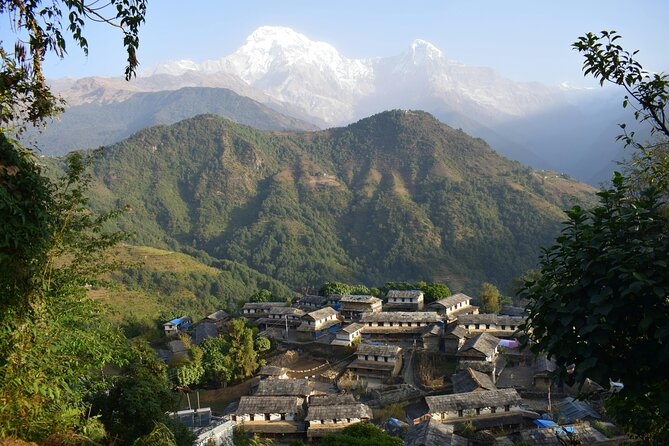
Once you arrive, there’s a break to relax, and then a visit that’s focused on the village area. This is where the trek shifts from “climb and conquer” into “slow down and notice.” Ghandruk-area time is valuable because it gives you a human scale—houses, paths, faces—so you don’t only experience the mountains as views through the fog.
The wellness program also references natural hot springs and Ayurvedic care as part of the broader recovery approach. You’re not just moving—you’re being guided toward calming after effort.
Day 7: Jeep rides back to Pokhara (and a calmer kind of travel day)
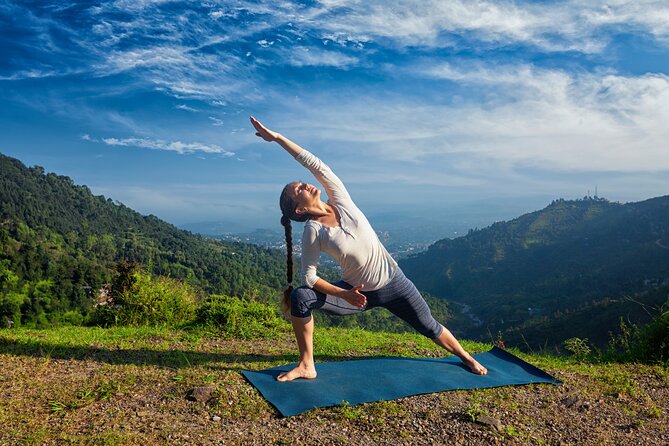
Day 7 keeps the daily yoga routine in the morning: prayers, stretching, sun salutations, yoga postures, breathing exercises, and a peace mantra. Then it turns into travel.
You’ll take a jeep ride to Nayapul, and then another ride to Pokhara. Jeep days can be bumpy, so it’s the kind of day where you’ll appreciate the structure of yoga earlier in the day. It also breaks up the trip back from the trail so you’re not doing long walks on tired legs.
Day 8: Kathmandu yoga rhythm and the final unwind
After your mountain days, Day 8 returns you to Kathmandu and keeps the yoga schedule going. The routine includes Suryanamaskar (sun salutation), Yogasana (yoga postures), Pranayama (breathing exercises), and Shanty Path (peace mantra). This is a nice reset day—your body gets movement without the pounding of uphill trekking.
The plan also hints at time to finish up with practical tasks, like any last-minute shopping you still want to do before your final day.
Day 9: airport transfer and optional monastery time
Your last day ends with an airport transfer to Tribhuvan International Airport. There’s an airport representative to pick you up from your hotel.
If you have extra time, there’s an option for a retreat in the monastery or other activities. This is one of those “only if it fits” choices—worth considering if you want the wellness tone to keep going even after the trekking ends.
How the wellness part actually works (not just as a slogan)
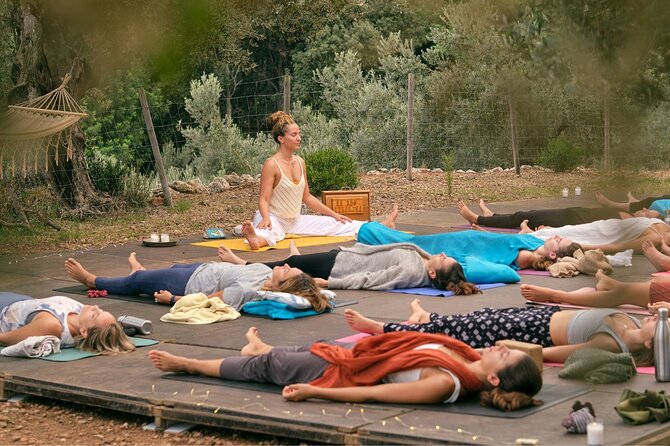
The trip is built around a repeatable sequence: prayers, stretching, sun salutations, yoga poses, breathing exercises, and a peace mantra. Daily practice keeps it from feeling random, and it gives you something to do even on travel or rest days.
You also get yoga and meditation sessions according to the schedule, plus yoga mats and a blanket for use (you return them). That matters because the trek includes real logistics; having basics handled keeps you from hunting for gear in Kathmandu last minute.
Two wellness extras deserve special mention:
- Ayurvedic massage in Pokhara is included.
- Natural hot springs are referenced as part of the wellness experience, which fits perfectly after hiking days.
I’d also watch for how your body responds to the breathing work on longer walking days. If you’re already doing yoga or mindful breathing, you’ll probably feel at home quickly. If you’re new, it’s still structured enough that you shouldn’t be totally lost.
Trek pacing, altitude reality, and what to bring
I can’t promise the mountains will be easy, but the structure here helps. The route includes an early sunrise hike day and a couple of longer walking segments, and Day 4 is flagged as the hardest.
Altitude is always part of this kind of trek. The good news: you’re not relying on vibes alone. The provided oximeter supports oxygen-level checking, which is a practical safety layer.
For packing, the tour includes a sun cap and a T-shirt plus a duffle bag, so you won’t need to bring those exact items. Beyond that, I’d focus on comfort and layering—think clothes you can adjust as mornings start cool and later get warmer, plus footwear you trust for uneven trail.
Who should book this trek?
This is a strong fit if:
- you want a guided, structured trip with a local licensed guide and expert yoga support
- you’re excited about Poon Hill sunrise and mountain viewpoints
- you like the idea of recovery built into the schedule (meditation, massage, hot-spring time referenced)
- you prefer a private tour so it’s just your group
It’s less of a fit if you have certain dietary needs, since the info specifically says it’s not recommended for those cases.
Also, if you hate early mornings, be honest with yourself. Sunrise hiking is a core moment here, and the daily yoga routine starts early too.
Should you book the Ghorepani Ghandruk Wellness Yoga Trek?
Book it if you want more than a trekking checklist. This one gives you a daily wellness rhythm, real structure, and a supported way to experience the Annapurna area—plus the Kathmandu-to-Pokhara cultural arc that makes the whole trip feel connected.
Skip it (or consider another style of trip) if you prefer total freedom, dislike organized yoga routines, or you’d rather not pay for built-in logistics and included admissions. This tour is for people who like their mountains with a schedule, a guide, and a plan to help your mind stay calm while your legs work.
FAQ
FAQ
How long is the Ghorepani Ghandruk Wellness Yoga Trek?
It’s listed as 9 days (approx.).
Do you get airport pickup and drop-off?
Yes. The tour includes airport pickup and drop-off, with a representative picking you up at your hotel for the transfer to Tribhuvan International Airport on the last day.
Is a domestic flight included?
Yes. A one-way domestic flight to Pokhara is included.
What meals are included during the trek?
Standard meals during the trek are included, including breakfast, lunch, and dinner on the trek days listed in the package (lunch in Kathmandu and Pokhara is not included).
Does the trip include yoga instruction and equipment?
Yes. You’ll have a yoga expert and local licensed guide throughout the trek. Yoga mats and a blanket are provided for use (returned at the end).
What’s not included in the price?
Lunch in Kathmandu and Pokhara is not included, along with bar bills and personal expenses. Tipping for the staff is expected.