REVIEW · TA VAN
SAPA 2 Day trekking & 1 night Homestay with LOCAL PEOPLE
Book on GetYourGuide →Operated by Do Sung Sapa Trekking and Homestay · Bookable on GetYourGuide
The best part is getting a village welcome. This 2-day trek in Dong Bac pairs big mountain views with real daily life in Black Hmong and Red Dao communities, guided by Do, an English-speaking local with 10 years of experience. I love the fast payoff early on: you climb up for Fansipan views and Sapa’s valley views, then spend the day walking through rice-terrace country. I also like how the homestay side feels family-run, with dinner and time to chat. One drawback to plan for: the trail has plenty of uphill/downhill, and if it rains the path can get slippery, so you’ll want solid shoes and decent fitness.
The next thing that makes this trip feel different is the rhythm. Day 1 mixes mountain trail, village stops, and a countryside lunch, then Day 1 ends with a real homestay routine (hot shower, dinner, and local drinks like rice wine). Day 2 keeps the momentum with bamboo forest walking and more village life—still at a human pace, not a sprint.
If you want a “check the boxes” tour, this is not that. You’re walking natural paths and sharing meals with locals, so you should show up ready to be flexible with timing and weather.
In This Review
- Key things that make this trek worth your time
- Getting oriented in Sapa: viewpoints first, then village trails
- Day 1: Dragon Mountain views, Hang Da village, and a Hau thào homestay night
- Climb for the big views (about 5–6 hours overall, around 14 km total on Day 1)
- Down to Hang Da (Black Hmong community) for village life and animals
- Lunch with a family-run restaurant
- Continue to Hầu thào and settle into your homestay
- Day 2: Red Dao waterfall stop, bamboo forest walking, and more village steps
- Giang tả chải (Red Dao) and the small waterfall
- Bamboo forest section to Ta Van village
- Lao chải village lunch and the end of the trek
- What you’ll actually get: value beyond the price tag
- The guide makes the experience: Do, plus a family team feel
- Homestay comfort: hot shower and family dinner (with local drinks)
- Pace and trail reality: what to watch for on rainy days
- Where this tour fits best (and who should skip it)
- Practical logistics: meeting, ending, and getting back to Sapa
- Should you book this Sapa 2 Day trekking & 1 night Homestay?
- FAQ
- FAQ
- Where does the trek start?
- When does it end?
- How long is the experience?
- What villages and communities will you visit?
- What time is breakfast on the second day?
- What food is included?
- What’s included in the price?
- What’s not included?
- What should I bring?
- Is cancellation flexible?
Key things that make this trek worth your time
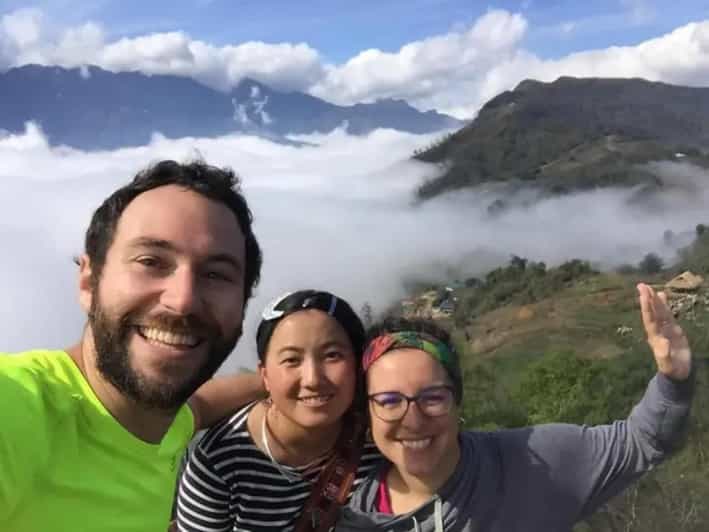
- English-speaking local guide (Do) with 10 years’ experience to translate village life and history in plain terms
- Fansipan and Sapa town viewpoints early in Day 1, plus Muong Hoa valley rice views
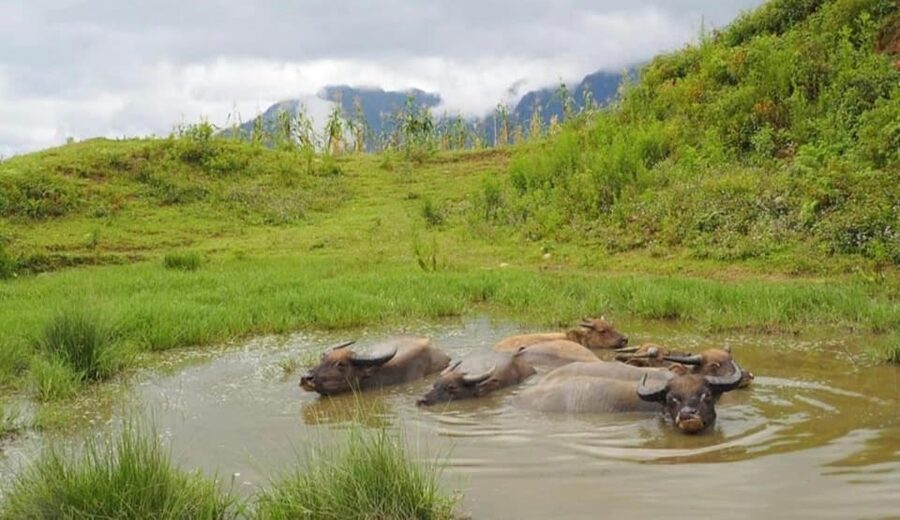
- Black Hmong villages (Hang Da and Hầu thào) with chances to see daily farm work and animals like buffaloes and pigs
- Day 2 mix of Red Dao + bamboo forest with a small waterfall sighting near Giang tả chải
- 1 night homestay with family dinner where you’ll likely try local rice wine (happy water)
Getting oriented in Sapa: viewpoints first, then village trails
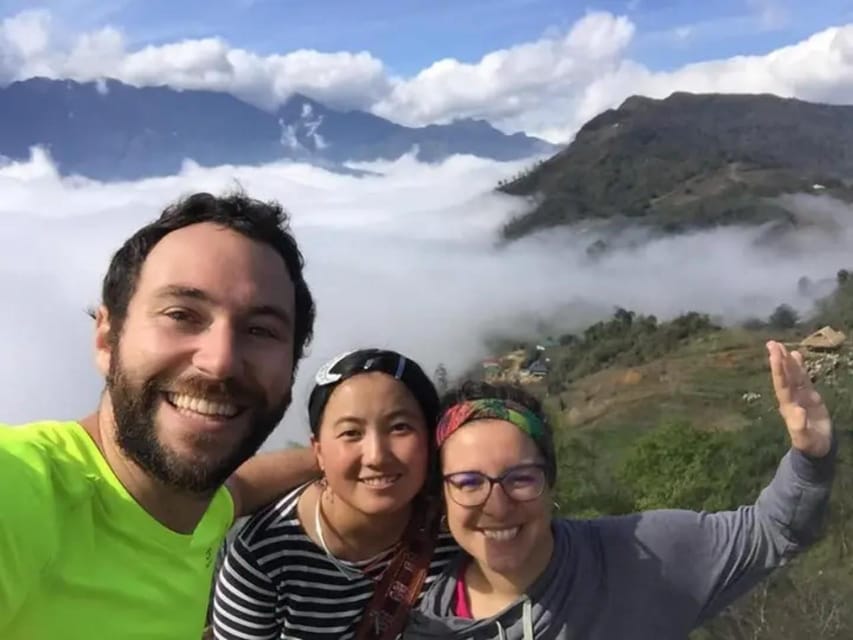
This Sapa 2 Day Trekking & 1 Night Homestay starts in the center of town—either your hotel in Sapa or in front of Sapa’s main church. Your guide then takes you into the walking rhythm: you cover about 1 km through the town area, then head onto a small trail for roughly 2 km up toward the mountain views.
Why I like this approach for you: the first climb gives you context fast. You’re not hiking all day with zero sense of where you are. You get a wide look at Sapa town and toward Fansipan (3,143 m), which is the big-name landmark in the region. Even if you don’t climb any peak, seeing Fansipan in the distance helps you understand the shape of the valley and why the trails follow certain ridges.
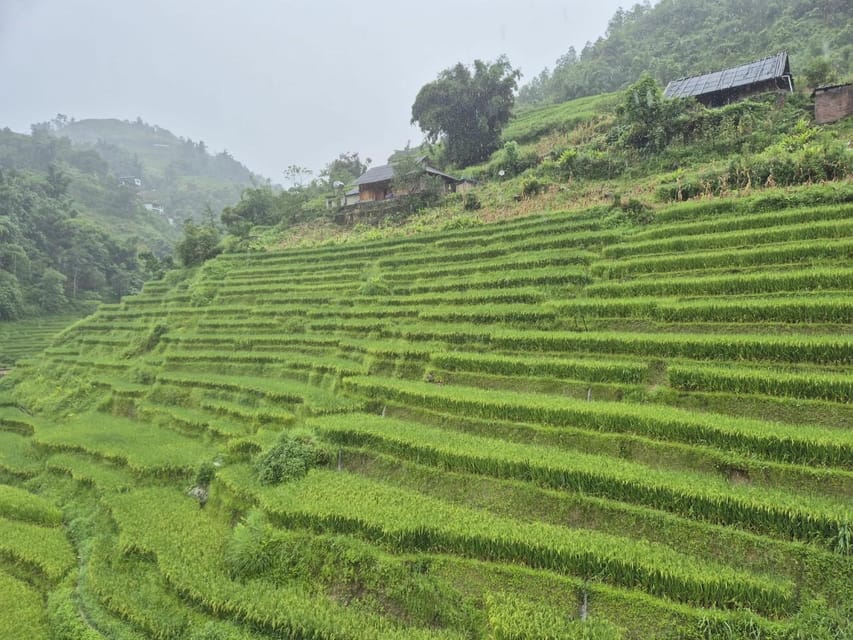
Once you’re done catching your breath and your bearings, you move away from town and into the rice-terrace world of the Muong Hoa valley. This is where the walk starts to feel like more than exercise.
You can also read our reviews of more tours and experiences in Ta Van.
Day 1: Dragon Mountain views, Hang Da village, and a Hau thào homestay night
Day 1 is built around a classic Sapa mix: viewpoint → village → countryside lunch → more village walking → homestay.
Climb for the big views (about 5–6 hours overall, around 14 km total on Day 1)
After meeting your guide in Sapa, you’ll hike up to mountain viewpoints where you can see Fansipan and a wide panorama over Sapa town. From that vantage, you also look out over some of the famous rice terrace fields in the Muong Hoa valley, along with the main river and valley features.
A small warning you’ll be glad you took seriously: this portion involves uphill and uneven ground. You don’t need to be a mountaineer, but you do need stable footwear and comfort walking on paths that aren’t paved.
Down to Hang Da (Black Hmong community) for village life and animals
Next you hike down mountainside toward Hang Da, a village of the Black Hmong minority. This stop matters because it’s not just a photo stop. You pass through the kinds of routes people use in everyday life, so you get a stronger sense of how the villages connect to the surrounding hills.
Along the way, you might also see farm animals such as buffaloes, cores (as listed in the tour description), and pigs. Seeing animals in the open is one of those small details that makes the countryside feel real, not staged.
Lunch with a family-run restaurant
After your morning walking, lunch is at a small restaurant run by a local family. This is one of the practical reasons the tour is good value: your meal isn’t an optional add-on you have to hunt for mid-hike. You’re already fed after a long stretch.
Continue to Hầu thào and settle into your homestay
After lunch, you travel on a smaller road down to Hầu thào village (again, Black Hmong). If the timing is right, you’ll see local work in the fields—like harvesting or planting rice—so the village feels active rather than museum-still.
Then comes the homestay night. You’ll get a warm welcome in the village, plus time to rest, a hot shower, and time before dinner. Dinner is a family meal, and this is also where you may get a chance to try rice wine (happy water) with the family.
A note from a real-feeling perspective: several people highlight that the family welcome can go beyond a simple hosting arrangement—like feeling more like friends than “tour customers.” It isn’t guaranteed on every date, but the setup is clearly meant to feel personal.
Day 2: Red Dao waterfall stop, bamboo forest walking, and more village steps
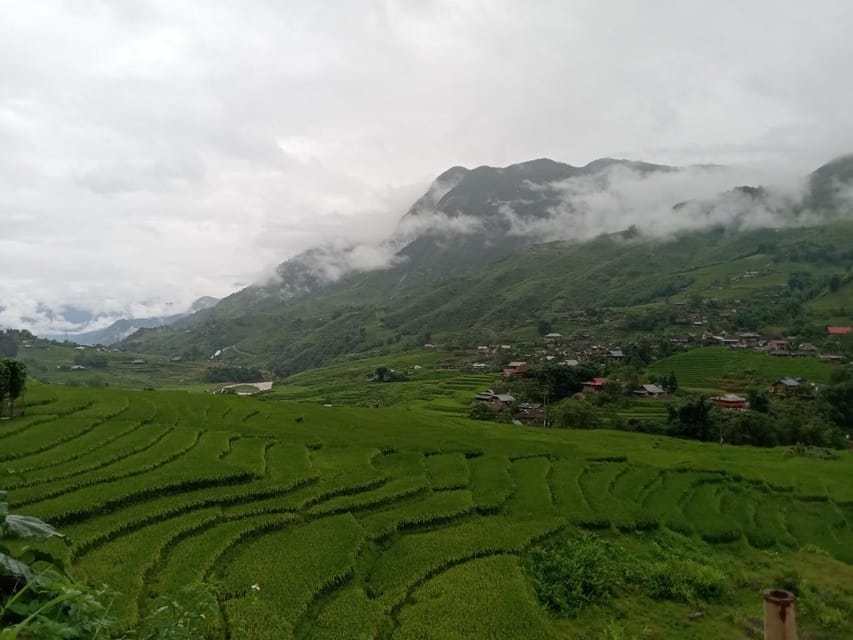
Day 2 runs in the morning and stays lighter than Day 1, but it’s still real trekking. It’s around 3–4 hours total and about 7 km.
You’ll have breakfast at 8:30 am, then start walking again through a series of villages and trail sections.
Giang tả chải (Red Dao) and the small waterfall
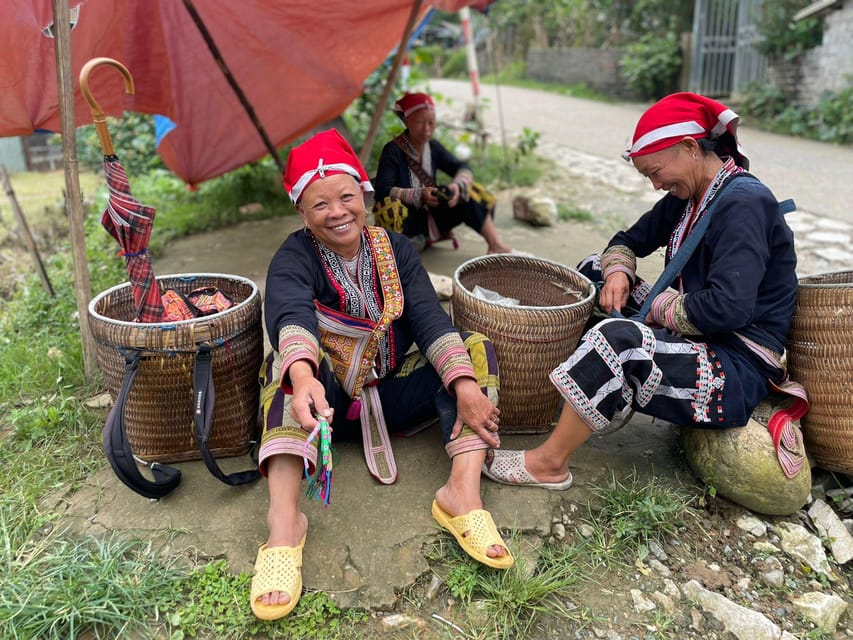
First up is Giang tả chải village, home to the Red Dao people. The tour includes time to see a small waterfall near the village area. This is a nice way to break up the walking—water sounds help you reset your senses when the trail gets steep or repetitive.
Bamboo forest section to Ta Van village
After that, you move into a bamboo forest route. Bamboo forest walking is one of those moments that feels cooler and calmer than open farmland paths. It also helps break the day into segments, so you don’t feel like you’re doing one long straight grind.
Then you reach Tả Van village. On the way, you’ll pass beautiful rice fields, so you get views again, not just walking.
Lao chải village lunch and the end of the trek
After Tả Van, you go to Lao chải village for lunch. Then the trek ends and the pickup happens—either a car or motorbike back to Sapa—so you aren’t stuck trying to coordinate transport after hiking.
This Day 2 structure is what makes the trip work for a lot of people: you get a second set of scenery and culture without the full Day 1 intensity.
What you’ll actually get: value beyond the price tag
The price is $56 per person for two days, including one night homestay. For a Sapa trip that includes a guide, meals, village access, and return transport, that price is usually competitive. You’re not paying extra for every meal, every entry, and every transfer.
Here’s what’s included, in practical terms:
- Local English guide (Do)
- 1 water per person per day
- Lunch for the 2-day trekking
- Family dinner (homestay night)
- Breakfast for the second day
- Tickets to village
- Car/motorbike back to Sapa
What’s not included:
- Personal travel insurance
- Extra drinks during hiking
Why that matters for your budget: hiking days add up fast when drinks and snacks are extra. Here, you at least get basic hydration each day, and meals that keep you fueled are already planned. Just plan to bring your own extra drinks if you prefer them.
The guide makes the experience: Do, plus a family team feel
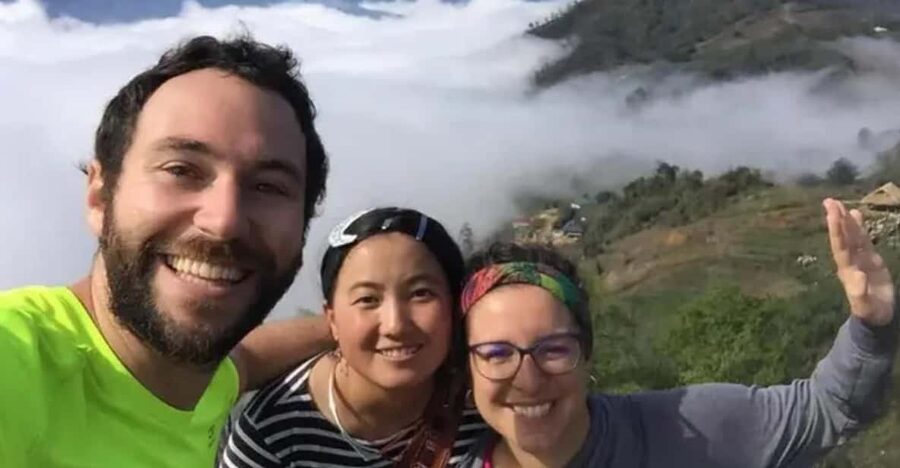
This is one of those tours where the guide isn’t just a person who points directions. Do is described as a local guide from ethnic minority communities in Sapa and speaks English with 10 years’ experience. That’s a big deal on a cultural trek, because the best parts are the “why” behind what you’re seeing: why rice terraces are placed where they are, why villages look the way they do, and how daily work fits the landscape.
There’s also mention of Do’s sister Dinh and a sense of a family-run team. In the best version of this tour, you aren’t pushed through a script. You’re invited to ask questions and get straight answers, with warmth.
Homestay comfort: hot shower and family dinner (with local drinks)
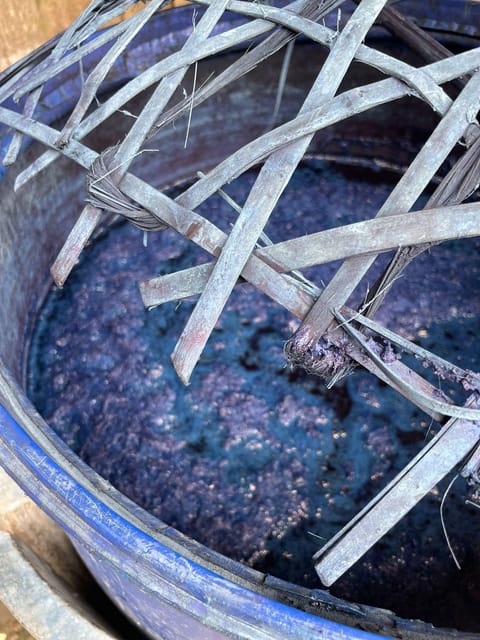
A homestay can mean anything from cozy to chaotic, so I’m glad the tour description is specific about what you get. You’ll have:
- Hot shower
- Time to rest
- Dinner with the family
- A chance to try rice wine (happy water)
This doesn’t mean every homestay setup will match your home comforts. What it does mean is that the parts that matter after a long hike—washing up and eating well—are planned in.
Also, the family welcome can feel genuinely personal. One write-up mentions being welcomed like friends and even attending a birthday party when timing lined up. Don’t count on that exact scenario, but you can expect a warmer, more human vibe than typical group lodging.
Pace and trail reality: what to watch for on rainy days
This trek includes uphill and downhill sections and small mountain trails. The tour notes it directly: before booking, you should be healthy enough for uneven ground and changes in elevation.
If it rains, trails can become slippery, which is when good shoes really matter. Your best move is simple:
- Wear comfortable shoes you trust on uneven paths
- Bring hiking shoes if you have them (flat sandals are a bad idea here)
- Pack a sun hat and sunscreen for exposed sections
- Bring change of clothes
- Consider motion sickness prevention (the tour specifically lists it, which is usually a sign the transport routes can be twisty)
If you’re prone to slipping, slow down on descents. Most accidents happen when people get tired and forget balance.
Where this tour fits best (and who should skip it)
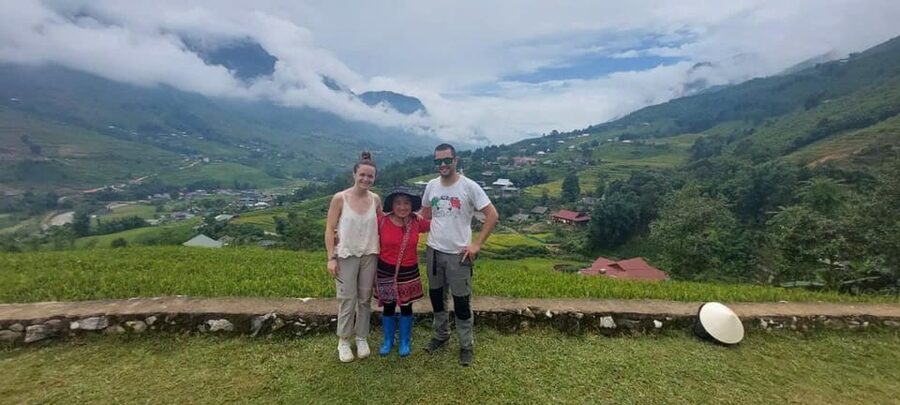
This is a strong match if you want:
- Real village walking, not only viewpoints
- A guide who can explain culture in English
- A mix of Black Hmong and Red Dao community experiences
- A homestay night where you share a family meal
It’s not a match if:
- You can’t handle uphill/downhill trekking
- You’re looking for a fully paved, easy walk
- You’re outside the tour’s stated limit (it’s listed as not suitable for people over 95 years)
You’ll also enjoy it more if you don’t mind being outside for long stretches, weather included. This is nature + people, not a couch tour.
Practical logistics: meeting, ending, and getting back to Sapa
You start either at your hotel or in front of Sapa’s main church. The ending is back at the meeting point. Pickup back to Sapa on the second day is by car or motorbike, which is handy when you’re done and your legs want a break.
Starting times can vary, so you’ll want to check availability for the start slot you want. Duration is listed as 2 days, with 1 night homestay in between.
Should you book this Sapa 2 Day trekking & 1 night Homestay?
Book it if you want a trek that balances big views with actual village contact—guided by a local English speaker and capped with a homestay night where dinner is part of the deal.
Skip it (or pick something gentler) if you’re worried about slippery trails after rain, long walking hours, or you want a totally low-effort day. Also, if you don’t feel comfortable with uneven mountain paths, don’t force it.
If you’re the type of traveler who likes meeting families, eating together, and seeing the countryside up close, this one is built for you.
FAQ
FAQ
Where does the trek start?
Your guide meets you at your hotel in Sapa or in front of Sapa’s main church.
When does it end?
It ends back at the meeting point in Sapa.
How long is the experience?
It’s a 2-day trek with 1 night homestay.
What villages and communities will you visit?
The itinerary includes Hang Da and Hầu thào villages (Black Hmong) and Giang tả chải, Tả Van, and Lao chải villages (Red Dao is specifically mentioned for Giang tả chải).
What time is breakfast on the second day?
Breakfast is at 8:30 am on Day 2.
What food is included?
You get lunch for the trekking days, a family dinner during the homestay night, and breakfast on Day 2.
What’s included in the price?
Included items are an English-speaking local guide, 1 water per person per day, lunches, family dinner, Day 2 breakfast, tickets to village, and a car/motorbike return to Sapa.
What’s not included?
Personal travel insurance and extra drinks during hiking are not included.
What should I bring?
Bring comfortable shoes, sun hat, change of clothes, sunscreen, hiking shoes, and motion sickness prevention.
Is cancellation flexible?
Yes. Free cancellation is offered up to 24 hours in advance for a full refund.