REVIEW · KATHMANDU
Everest Base Camp Trek from Kathmandu 12 Days
Book on Viator →Operated by My Dream Adventure (MDA) · Bookable on Viator
Everest Base Camp starts with a dramatic plane ride. This 12-day trek from Kathmandu pairs Lukla flights and a step-by-step route through Sherpa country, where you’ll spend your days walking toward the world’s biggest peaks and your nights sleeping in simple guesthouses.
I especially like two things: the strong acclimatization pace built into the schedule, and the way the trekking team leadership shows up in real-world details. Guides such as Milan, Bikram, Bishnu, and Sagar are repeatedly described as careful with safety, organized with lodge planning, and genuinely kind.
One consideration: this trek asks for a strong fitness level and altitude patience. If you’re sensitive to altitude or you expect an easy walk, you’ll likely find the later days demanding, even with guidance.
In This Review
- Key highlights worth knowing before you go
- Lukla: the first thrill and the first logistics
- Day-by-day walking: Phakding to Namche Bazaar without rushing
- Namche Bazaar rest day: more than just sitting still
- Tengboche: dusty trail, big monastery views
- Dingboche: the long approach to higher altitudes
- Lobuche and Gorakshep: getting close to the glacier-side route
- Everest Base Camp: the destination day
- Kala Patthar morning: why the early start is worth it
- Coming down with control: Pheriche to Namche to Lukla
- Sherpa culture and monasteries: why this trek feels human
- Guides, guesthouses, and what private means for you
- Price and value: what $1,350 really covers
- Who should choose this Everest Base Camp trek
- Should you book Everest Base Camp from Kathmandu with My Dream Adventure?
- FAQ
- How long is the Everest Base Camp trek?
- What is included in the trek price?
- Are flights included, and how long are they?
- Do I need a passport to get the trekking permit?
- What kind of lodging will I have on the trek?
- Is the guide language English?
- Is this trip private or shared?
- Is personal spending included in the price?
- What are the cancellation terms?
- What fitness level do I need?
Key highlights worth knowing before you go
- Lukla flight timing matters: round-trip domestic flights are included, and past trips note flights running on time.
- Two built-in rest moments: you’ll get days designed for acclimatization, not just nonstop walking.
- Sherpa culture is not side content: you’ll pass through Namche Bazaar, Tengboche, and Dingboche and visit Buddhist monasteries.
- Everest Base Camp plus Kala Patthar: the plan includes time at Base Camp and a morning push for classic viewpoint drama.
- English-speaking guidance + first aid kit: your guide is there for route, safety, and planning choices in real time.
- Private group feel: the trip is set up as private, so your pacing and needs matter more than juggling a big crowd.
Lukla: the first thrill and the first logistics
The Everest Base Camp story kicks off with a domestic flight from Kathmandu to Lukla. That part is included, and it’s not a small detail. The Lukla airport is famous for being weather-sensitive, so having flights built into the package (round trip) makes your days much easier to manage.
On the way back, you’ll fly from Lukla to Kathmandu in about 35 minutes, which is a relief after days of walking. Also, the operator includes hotel pickup and drop-off, so you’re not trying to coordinate transport in Kathmandu while you’re already thinking about altitude.
One more practical perk: you start your trek in the right place. After landing in Lukla, you’re not dealing with long delays or random transfers. You’re basically walking into the Khumbu rhythm right away.
You can also read our reviews of more tours and experiences in Kathmandu.
Day-by-day walking: Phakding to Namche Bazaar without rushing
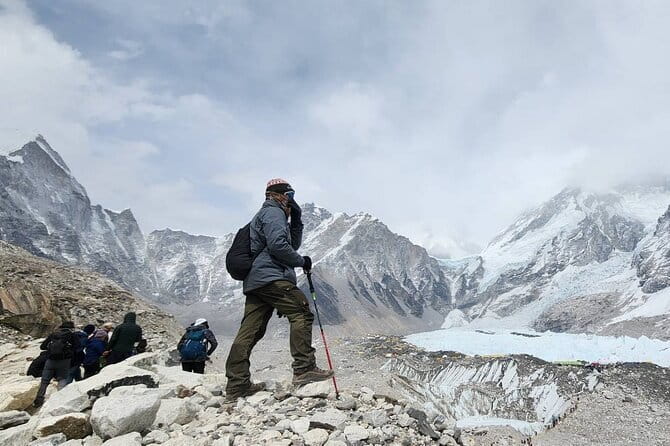
Your first trekking day moves you from the Lukla start toward Phakding. It’s described as a shorter walk to help you get moving without exhausting yourself. That matters, because the body adjusts better when you don’t treat day 1 like day 7.
Then comes the walk to Namche Bazaar. This is the part many people remember for two reasons: you’ll be following the Dudh Koshi River and you’ll pass through pine forest with suspension bridges in the mix. It’s scenic, but it’s also a good warm-up for what’s ahead—solid walking, frequent changes in views, and a steady climb that doesn’t require technical gear.
If you want a simple way to think about it: day 1 and day 2 are about building hiking confidence. You’re learning how to pace, how to breathe, and how to handle the uneven mountain footing that shows up everywhere on this route.
Namche Bazaar rest day: more than just sitting still
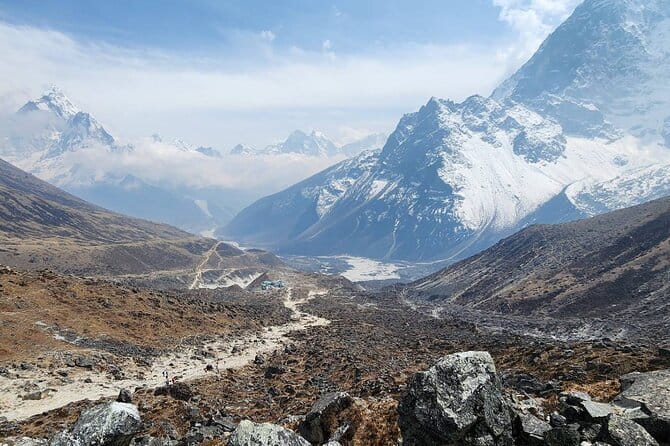
The schedule includes a day in and around Namche Bazaar that is meant for acclimatization. Here’s the smart part: it’s not a free-for-all day of doing nothing. You’ll either do a day hike to Thame or visit Khunde, or simply explore Namche Bazaar.
That “stay active” approach is exactly what keeps a trek like this from feeling like a grind. It gives your body a chance to adjust while your legs keep loose. It also helps you build a better sense of where you are in the Khumbu.
There’s also a big payoff for people who like calm moments: you can slow down, look around, and take in how the mountain villages feel up close. Namche is a hub—busy enough to feel alive, but still rooted in mountain life.
Tengboche: dusty trail, big monastery views
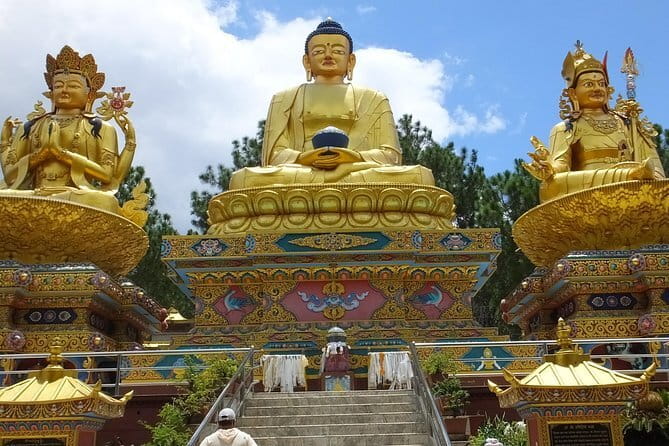
From Namche, the next stretch takes you toward Tengboche. The walking is described as dusty and winding, with panoramic views that make the monastery stop feel worth the effort.
This is where I like the trek’s balance. You’re earning the viewpoint. You’re not just “arriving somewhere.” You’re hiking through the Khumbu terrain—then reaching a place where people have gathered for generations around a Buddhist monastery.
What can trip you up here is expecting perfectly smooth footing. Even when the route isn’t described as having many hard ascents or descents, you’ll still be hiking at altitude with loose surfaces at times. Take it slow, keep your breathing steady, and you’ll enjoy the photography chances without rushing.
Dingboche: the long approach to higher altitudes
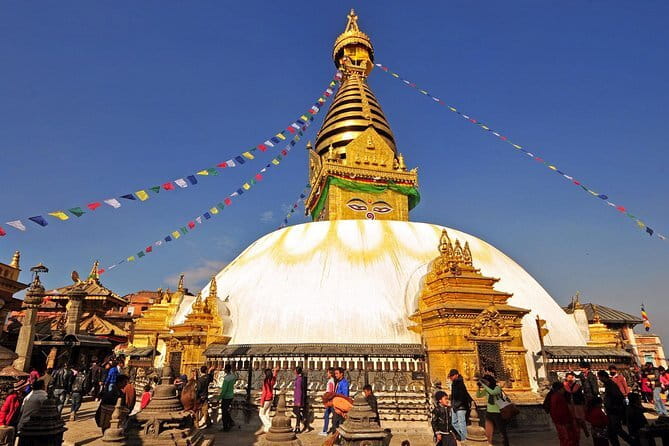
The walk to Dingboche starts with a visit to one of the region’s oldest Buddhist monasteries. After that, the route continues through alpine woods and through settlements like Upper Pangboche and Shomare.
This day tends to feel like a transition: you’re moving deeper into the high-altitude zone. The air is thinner, the scenery starts looking more like high-mountain terrain, and you’ll notice fewer trees and more open views.
Then comes a second acclimatization day in Dingboche. That is a key design choice. You’ll get time to rest, and you might also visit surrounding villages. The goal is simple: you’re preparing your body for the push toward Lobuche, Gorakshep, Everest Base Camp, and Kala Patthar.
If you try to rush this part, the trek can feel harder than it needs to be. Use that rest day like it’s part of the plan, not a break from the plan.
Lobuche and Gorakshep: getting close to the glacier-side route
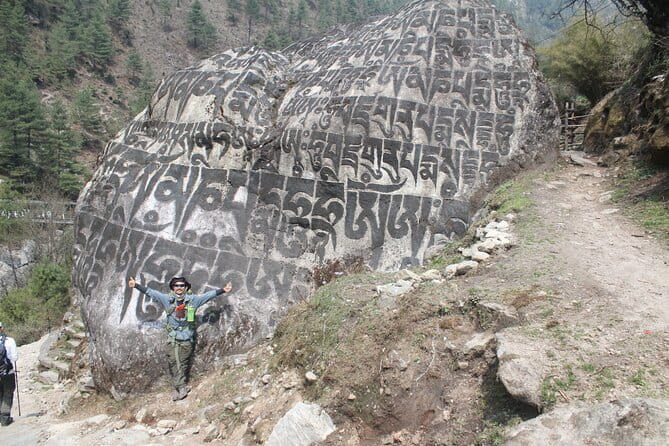
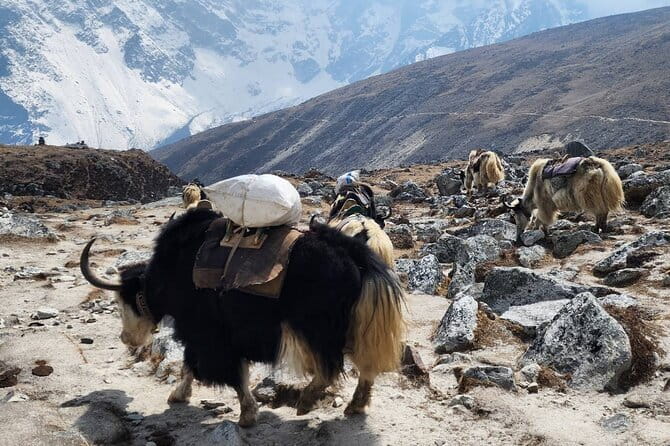
After Dingboche, the walk begins with a climb through the Khumbu Khola valley toward Duglha, then toward Dusa and deeper into the narrower valley. You’re told the route is difficult with massive boulders and even the sight of mountain yaks moving through the area.
This is the day where patience pays off. The terrain isn’t just “up and down.” It can be rocky, slow, and awkward underfoot. Good guidance makes a difference because your guide is watching your pace and your condition, not just your stopwatch.
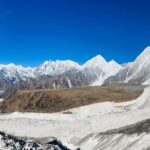
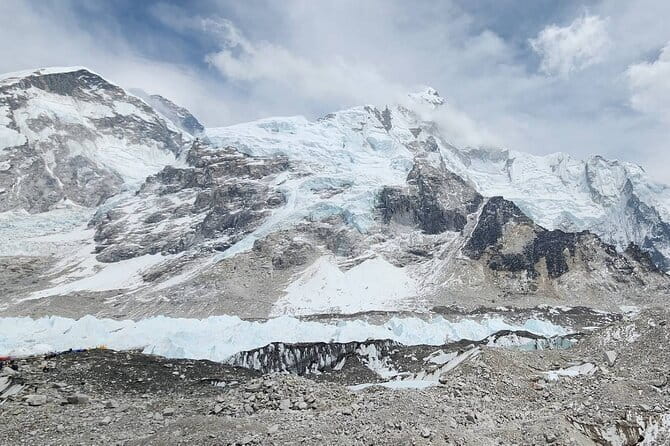
From Lobuche area you reach Gorakshep, and the approach described here goes along the side of the Khumbu Glacier. You’ll pass a pyramid signpost and then ascend toward viewpoints like Thangma Riju. Even if you don’t chase every side view, this section sets your mind on the final goal.
The trekking style here is classic Everest region travel: simple lodges, cold air, and big sky. You’re also nearing the part where you’ll feel the altitude most strongly.
Everest Base Camp: the destination day
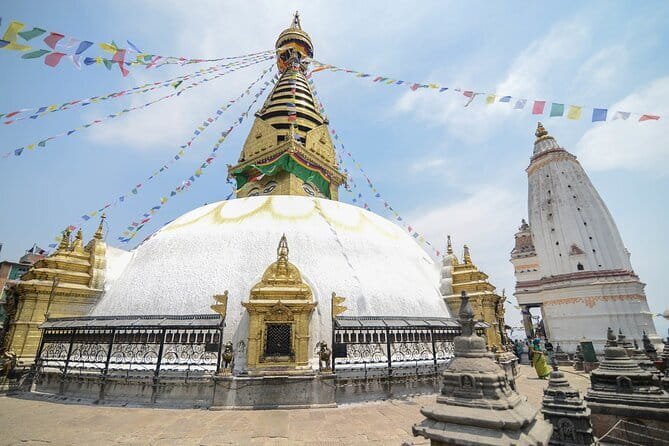
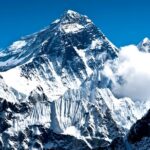
From Gorakshep, you trek to Everest Base Camp. The walk is described as rewarding, with views of Mount Everest and other peaks around your site. And yes, this is the day that people dream about when they start planning Everest.
But the bigger value isn’t just standing at a famous place. Base Camp is where you can feel the whole Khumbu system—the way Sherpa life and mountaineering support intersect with daily trekking rhythms. Even in a simple setting, you get a sense that this is real work happening at high altitude.
After spending time at Base Camp, you return to Gorakshep for the night. That return is important. It helps your body keep functioning and keeps the next day safer and more manageable.
Kala Patthar morning: why the early start is worth it
Your next viewpoint push is Kala Patthar. You’ll start early to catch dramatic mountain views, and it’s widely considered one of the best vantage points in this part of the trek.
This day includes a practical rhythm: climb for the view, then descend back toward Gorakshep and continue down to Pheriche for overnight. From there, you’ll keep moving, because the best way to feel good on the way down is to keep your legs under you and not overexert.
If you’re trying to decide whether to treat this morning as optional, don’t. The early start is part of the package logic. It’s scheduled because the payoff is higher earlier in the day.
Coming down with control: Pheriche to Namche to Lukla
After Kala Patthar, your trek becomes more about careful movement than big climbs. You descend back to the Pheriche area, then continue following the route back toward Namche Bazaar.
This return route passes through Sherpa villages such as Pheriche and Ors. You’ll notice the same trail family—differently lit, different mood, still moving you through the Khumbu culture. And your body will likely feel it: downhill can be harder on your knees than you expect.
Then it’s back toward Phakding and finally to Lukla again. The last walking days are described as steep descents and then more level terrain. That combination matters because steep descents demand control. Slow steps, lots of attention, and a guide who keeps you grounded can make the end feel smoother.
After that, you fly back to Kathmandu. The air changes fast when you go from high trekking altitude back to city elevation, so drink water and take it easy that first evening.
Sherpa culture and monasteries: why this trek feels human
The Everest Base Camp trek is often sold as a peak-chasing trip. But the most memorable moments for me are usually the human ones, and this route builds those in.
You’ll pass through Sherpa communities like Namche Bazaar, Tengboche, and Dingboche. You’re also scheduled for Buddhist monastery visits in places like Tengboche and the Dingboche area, where these traditions are woven into everyday life rather than staged for tourists.
The guide quality also shapes this part. In past experiences with this operator, guides like Bikram and Bishnu are described as having deep familiarity with the region and staying focused on safety and organization. That makes cultural stops feel informative instead of rushed.
Guides, guesthouses, and what private means for you
This trek includes an English-speaking trekking guide and a first aid kit carried with the guide. That isn’t glamorous, but it’s the kind of detail that helps you relax. You’re hiking a high-altitude route, and having competent leadership reduces the stress of making decisions on the fly.
You’ll also stay in guesthouses. That’s not a hotel vacation style. Guesthouses are basic, but they’re part of the trek’s real rhythm: warm up in simple common spaces, plan tomorrow’s walking time, and rest your body for the next day.
The operator also describes the trip as private, meaning it’s organized for your group rather than mixing you into a large, chaotic crowd. That tends to help with pacing, questions, and acclimatization decisions—especially on rest days.
Finally, some of the strongest praise in prior trips mentions the team being organized and even vehicle support on the Kathmandu side. When flights are on time and your ground transport is handled, you start the trek with less friction.
Price and value: what $1,350 really covers
At $1,350 per person, this isn’t cheap in absolute terms, but the value calculation changes fast once you see what’s included.
You get:
- round-trip domestic flights Kathmandu to Lukla and back
- trekking permits including a Trekking permit and TIMS card
- an English-speaking guide
- guesthouse accommodation
- hotel pickup and drop-off
- a first aid kit
- the trip is set up as private
What’s not included is personal expenses. That’s normal for most trekking packages, but it matters because you should budget for daily extras like snacks, hot drinks, and any items you buy along the way.
Here’s the balanced truth: if you try to cobble this together yourself, you’ll often end up paying for flights, permits, guidance, and logistics anyway—and you’ll also carry more uncertainty. Packages like this are expensive for the simple reason that the work is expensive: flights, permits, planning, and on-trail leadership.
If you want the least hassle path to Everest Base Camp, this price structure is designed for that.
Who should choose this Everest Base Camp trek
You should consider this trek if you:
- have a strong physical fitness level and can hike uphill and downhill at altitude
- want a guided route with acclimatization built in, including rest days
- like both big views and meaningful culture stops—Namche Bazaar, Tengboche monastery visits, and Dingboche area monasteries
- prefer a trip organized as private so your group’s needs come first
You might reconsider if you’re looking for a gentle walking holiday with minimal altitude challenge. This is a high country trek, and the route gets tough in the later stages.
Should you book Everest Base Camp from Kathmandu with My Dream Adventure?
I’d book this trek if you want a clean, organized path to Everest Base Camp that balances walking goals with altitude common sense. The schedule’s rest days help you avoid the common mistake of rushing. The guide experience highlighted by names like Milan, Bikram, and Sagar suggests you’re not just buying a route—you’re getting real on-the-ground support.
But be honest with yourself about fitness and altitude patience. If you approach the trek with steady effort, good hydration habits, and respect for the higher days, this package sets you up for one of the most meaningful mountain experiences you can plan.
FAQ
How long is the Everest Base Camp trek?
The trek runs for 12 days (approx.).
What is included in the trek price?
It includes hotel pickup and drop-off, round trip flights Kathmandu to Lukla to Kathmandu, trekking permit and TIMS card, an English speaking trekking guide, guesthouse accommodation, a first aid kit with the guide, and a private trip.
Are flights included, and how long are they?
Yes. Round trip flights from Kathmandu to Lukla and back are included. The flight back to Kathmandu is about 35 minutes.
Do I need a passport to get the trekking permit?
Yes. You need your passport details and a photo (a selfie also works) to issue the trekking permit.
What kind of lodging will I have on the trek?
You’ll stay in guesthouses during the trek.
Is the guide language English?
Yes, the trekking guide is described as English speaking.
Is this trip private or shared?
It’s described as private. Only your group will participate.
Is personal spending included in the price?
No. Personal expenses are not included.
What are the cancellation terms?
You can cancel up to 3 days in advance of the experience for a full refund. If you cancel less than 3 days before the start, the amount paid is not refunded.
What fitness level do I need?
The information states you should have strong physical fitness.