REVIEW · POKHARA
4 Day Poon Hill Trek from Pokhara
Book on GetYourGuide →Operated by Peak to Peak Treks · Bookable on GetYourGuide
Poon Hill feels like a cheat code for mountain views. I love the sunrise hike that turns the Annapurna and Dhaulagiri ranges into a wall of color, and I also like how this route mixes easy-to-follow village walking with real forest scenery. One thing to plan for: you climb lots of steps, so pace yourself and bring shoes that won’t punish you.
This is a classic Annapurna region trek that fits well if you want mountains without spending a week on the trail. You’ll walk through places like Nayapul, Birethanti, Tikhedhunga, Ghorepani, Tadapani, and finish in Ghandruk, with guesthouse nights along the way. The experience is built around a guided schedule, which helps on a route that can feel confusing if you go solo.
I also appreciate the practical side of the package: permits are included, transfers are handled by private car, and you get an English-speaking trekking guide (plus Hindi support). The only real “gotcha” is that meals are not included, so budget for food along the trail.
In This Review
- Quick hits you’ll care about
- Why the Poon Hill Trek Works So Well From Pokhara
- Day 1: Nayapul to Tikhedhunga (1,540m) Along the River and Into Step Country
- Day 2: Tikhedhunga to Ghorepani (2,750m) Ulleri Stairs and Forest Walking
- Day 3: Sunrise at Poon Hill (3,210m) and the Walk to Tadapani (2,630m)
- Day 4: Tadapani to Ghandruk (1,940m) and the Drive Home
- Price and Logistics: Is $272 Good Value?
- Permits, ID, and the Stuff You Should Actually Pack
- Your Guide Makes the Difference More Than You Think
- Guesthouses on This Route: Simple, Effective, and Part of the Plan
- Who This Trek Suits Best (and Who Should Rethink It)
- Should You Book This Poon Hill Trek With Peak to Peak Treks?
- FAQ
- Where does the Poon Hill trek start?
- What are the main overnight stops?
- How long is the trek?
- Is hotel pickup and drop-off included?
- Are trekking permits and the TIMS card included?
- Do I get an English-speaking guide?
- Are meals included in the price?
- Are private trips available?
- Is there a luggage limit?
- Is the trek suitable for wheelchair users or pregnant women?
Quick hits you’ll care about
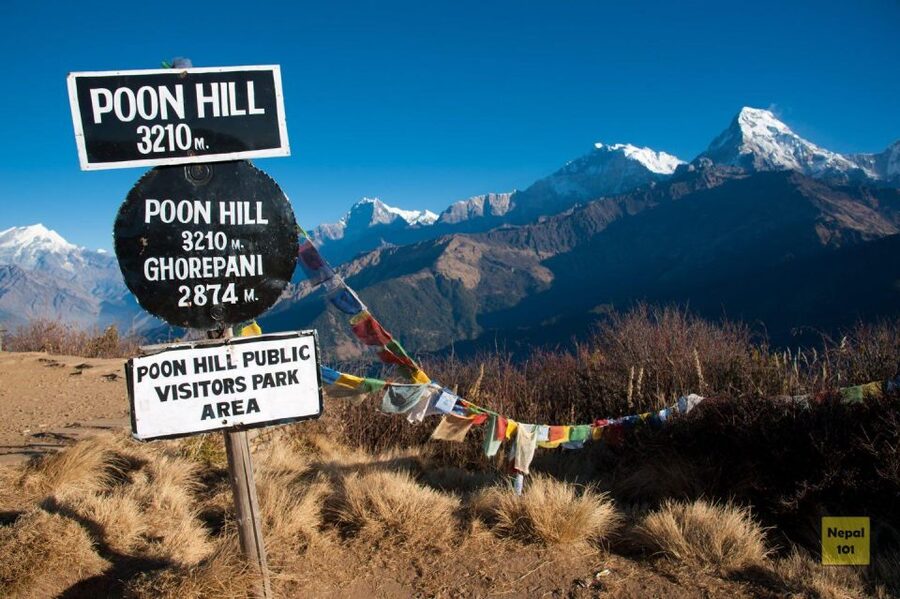
- Early morning Poon Hill sunrise with a short hike up to the viewpoint area around 3,210m
- Guesthouse nights in Tikhedhunga, Ghorepani, and Tadapani for a realistic trek rhythm
- A step-heavy day at Ulleri on the way to Ghorepani, including a stone staircase section
- Forests with rhododendron and oak on multiple days, so the walk isn’t just uphill rocks
- Private trip or small groups with an English, Hindi guide to keep things smooth
- All trekking permits and TIMS card included, so you’re not scrambling paperwork
Why the Poon Hill Trek Works So Well From Pokhara
Pokhara is the launchpad for a lot of Annapurna treks, but Poon Hill is special because it stays relatively short while still delivering dramatic payoff. The route is designed for a steady walking rhythm: you drive out from Pokhara, start hiking, sleep in guesthouses, and keep moving toward the big moment at Poon Hill.
What you’re really buying with a guided 4-day version is fewer logistical hassles. The plan includes round-trip transfer by private car and pickup/drop-off, so you’re not trying to figure out buses and timing after a long travel day. And because permits (including the TIMS card) are part of the package, you can focus on the trail instead of admin.
You also get flexibility in a practical sense. The overall duration is listed as 2 to 4 days, and the exact schedule depends on availability. That means you can choose a time window that matches your fitness and calendar without committing to a long trek.
One more practical benefit: the walking days are spaced so you can handle altitude gradually without feeling like everything is crammed into one brutal push.
You can also read our reviews of more tours and experiences in Pokhara.
Day 1: Nayapul to Tikhedhunga (1,540m) Along the River and Into Step Country
The day starts with an early drive from Pokhara to Nayapul, about 1.5 to 2 hours. This matters more than it sounds. Starting the hike after a short car ride means you’re not burning your energy before the trekking even begins.
Once you begin, you pass through Birethanti, a large, busy village, then walk along the Bhurungdi River. River routes often feel calmer underfoot and mentally easier because the scenery keeps moving and you’re not staring at the trail head the whole time.
The real focus of Day 1 is the ascent to Tikhedhunga (1,540m). Tikhedhunga is where the route starts to feel more trek-like: the air changes, the walking becomes more regular, and the guesthouse night gives you time to reset.
What I like about this first day is that it sets expectations. You get a taste of the route’s rhythm—village walking, a river stretch, and then climbing—without throwing you into a massive altitude jump. The drawback is obvious: you should treat the day as training for your legs, not just an introduction.
Day 2: Tikhedhunga to Ghorepani (2,750m) Ulleri Stairs and Forest Walking
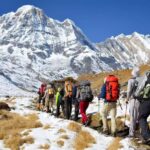
Day 2 is the staircase day. You ascend the steep stone staircase to Ulleri village, which is one of those sections that makes you feel every step even if you’re fit. This is where pacing matters. If you move too fast early, you’ll feel it later.
After Ulleri, the trail transitions into rhododendron and oak forests. This is one of the best parts of the trek because it breaks up the monotony. Forest trekking gives you shade, softer vibes underfoot, and more variety in how your eyes rest between climbs.
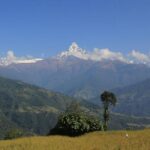
You then reach Ghorepani (2,750m), a village with panoramic mountain views. This is where the trek starts building toward the sunrise day ahead. Even if you don’t get the sunrise moment until the next morning, you’ll feel the difference just from standing in Ghorepani at altitude.
For me, Day 2 is the “quiet work” day. It’s not just about getting to the next bed. It’s about getting your body used to steps, learning your pace, and letting the forests and elevation do the gradual conditioning.
Day 3: Sunrise at Poon Hill (3,210m) and the Walk to Tadapani (2,630m)
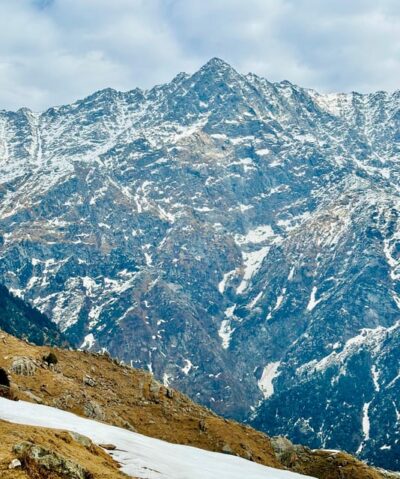
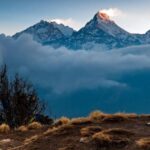
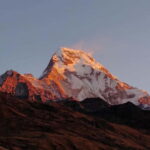
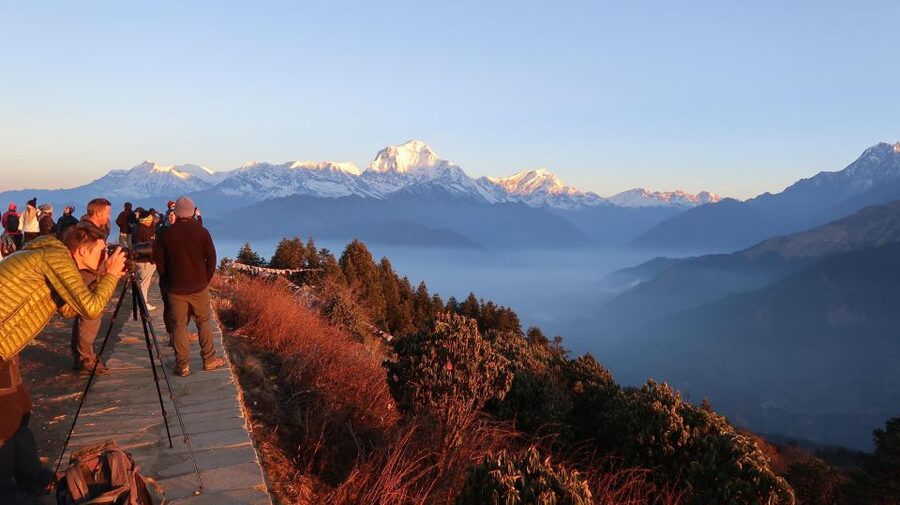
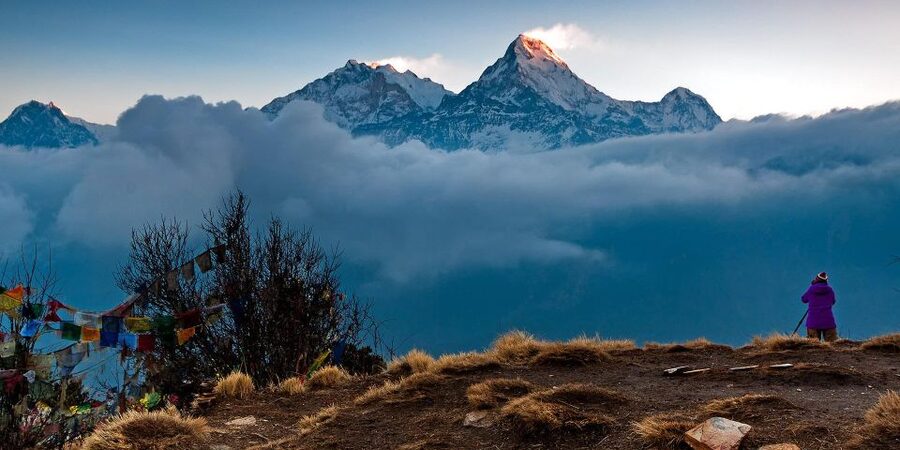
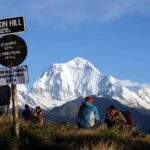
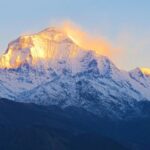
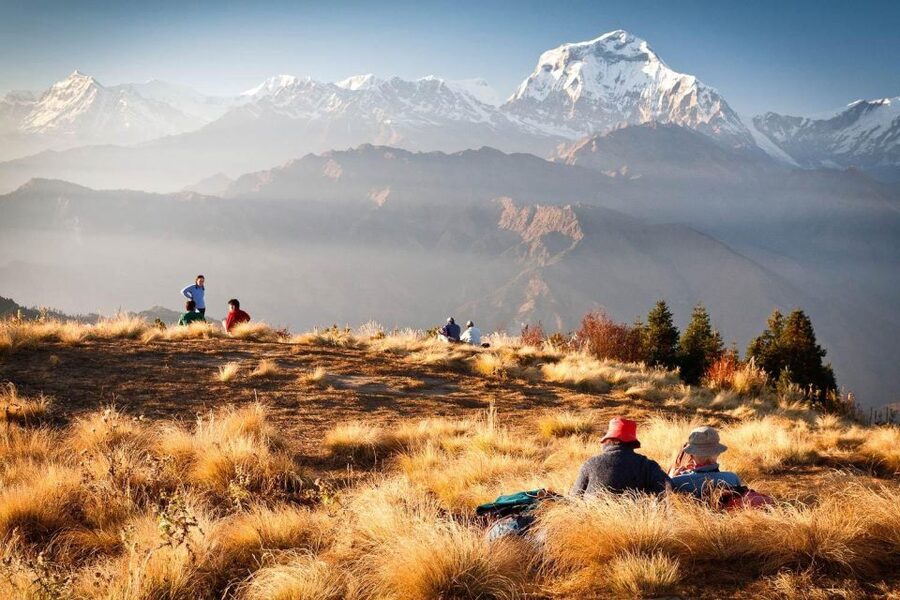
If you want the big memory from this trek, Day 3 is it. You start with an early morning hike to Poon Hill at 3,210m for sunrise over the Annapurna and Dhaulagiri ranges. The whole plan is built around this timing, because views like these don’t wait for daylight.
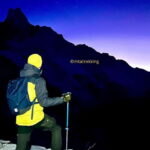
This day is also a good test of your willingness to rise early. You’ll hike early enough that you’ll likely feel the cold at higher elevations, and you’ll want layers you can manage as you start warming up. Once you reach Poon Hill, the payoff is the reason most people pick Poon Hill in the first place: sweeping sunrise views across those major mountain ranges.
After sunrise, you return to Ghorepani for breakfast and then continue trekking toward Tadapani (2,630m). The route keeps you in rhododendron forest settings, and because Tadapani is a bit lower than Ghorepani, the walking can feel more manageable.
What I like about this flow is that sunrise is a focused event, not a whole-day grind. Then you settle back into trekking mode and end the day at Tadapani for the next guesthouse night.
Day 4: Tadapani to Ghandruk (1,940m) and the Drive Home
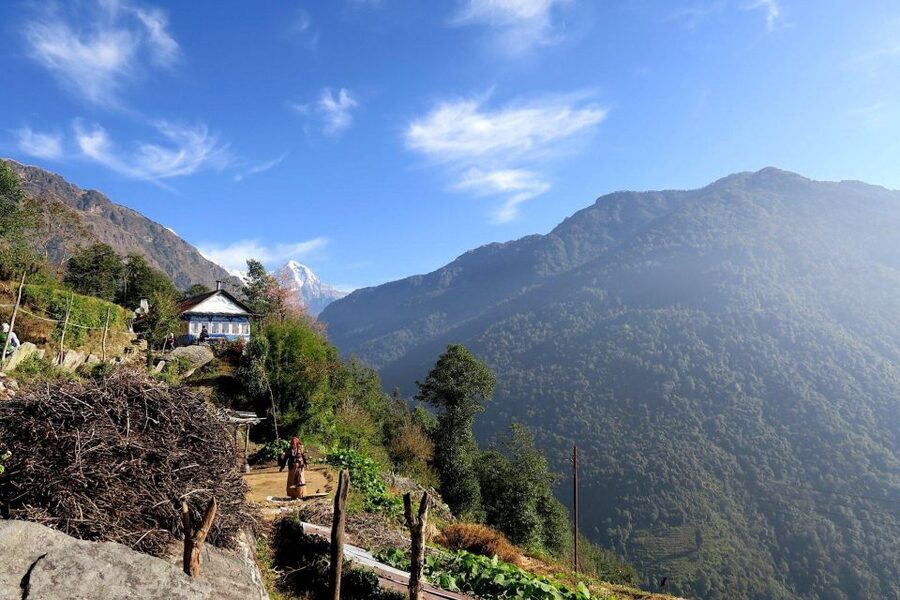
Day 4 is about coming down and finishing in a place with strong local identity. You trek from Tadapani (2,630m) down to Ghandruk (1,940m) through forested sections, then you spend time exploring Ghandruk before heading back to Pokhara in the afternoon.
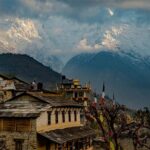
Ghandruk is a Gurung village, which means you’re not just passing through for photos. You get time to walk around and experience the village culture at the end of your trek, when you’re tired in a satisfying way.
This final day can feel surprisingly enjoyable because you’re no longer chasing the next altitude milestone. It’s more like a reward day: you’re descending, you’ve already had the sunrise moment, and you can enjoy the village atmosphere instead of measuring the next steep pitch.
The drive back to Pokhara is typically the clean finish you want after trekking—no extra overnight. Just make sure you plan for some recovery after you arrive, because even downhill days can leave your quads feeling spicy.
Price and Logistics: Is $272 Good Value?
At $272 per person, you’re paying for a package that covers more than just the guide. Included items are substantial: hotel pickup and drop off, an English-speaking trekking guide, trekking permits and the TIMS card, private round-trip transfer by car, guesthouse accommodation, and a private trip format.
That’s the value piece: permits and transfers often become hidden headaches when you plan yourself. Here, those parts are handled.
Meals are not included, and the estimate given is around 3,500 Rs per person per day. That means your true trip cost depends on how you eat. If you typically spend modestly, you might keep this predictable. If you buy extra snacks, hot drinks, or more expensive meal choices, that daily number can climb.
Private car transfers and guesthouse nights also affect value. You’re not just paying for walking; you’re paying to reduce friction before and after the trek.
My practical take: $272 looks fair if you want a guided, handled experience with permits taken care of. If you’re trying to travel ultra-budget and plan every detail yourself, you might find cheaper arrangements. But for most people, the hassle saved is worth something.
Permits, ID, and the Stuff You Should Actually Pack
One of the smartest things about choosing a packaged trek is that you get the permits handled. This includes all trekking permit and TIMS card coverage in the included list. That reduces the risk of showing up at the last minute with missing paperwork.
You also need to bring the right identity documents: passport or an ID card, plus a passport-sized photo. If you forget the photo, that’s the kind of small problem that can ruin a smooth start.
For trekking gear, the list is simple and practical: comfortable shoes and comfortable clothes. That’s it. No complicated shopping list. Since you’ll climb thousands of steps to reach the top of Poon Hill, your shoes matter more than anything else you pack.
There are also rules:
- No luggage or large bags
- No drones
This means you should plan to carry only what you need for the trek. If you overpack, you’ll pay for it on every step.
Your Guide Makes the Difference More Than You Think
This kind of trek lives or dies on how the day is managed. A good guide keeps pacing realistic, helps with route clarity, and makes sure you understand what’s coming next.
From the feedback I’ve seen, the guide experience is a standout. One review highlights that the guide Nir was wonderful and that everything was well organised. Another review notes that the guide was very attentive. That aligns with what you want most on a short trek: calm competence, not guesswork.
Language support is also built in: the guide speaks English, with Hindi support as well. That matters because you’ll be asking questions—how hard a section will be, what to expect that morning at Poon Hill, and how the route timing works.
A guided plan can also help you avoid common pacing mistakes. Steps are a big part of this trek, and if you go out too hard on Day 2’s staircase section, your Day 3 sunrise hike can feel tougher than it needs to.
Guesthouses on This Route: Simple, Effective, and Part of the Plan
Accommodation is included as guesthouse stays. The route specifically includes overnights in Tikhedhunga, Ghorepani, and Tadapani.
Here’s the practical side: guesthouses fit the trek format because you get a predictable place to sleep each night, usually with basic comfort and enough structure to help you recharge. You’re not looking for luxury here. You’re looking for rest, warmth, and a meal before you start walking again.
Because meals are not included, you’ll be working with the guesthouse and nearby options for food. The supplied info states meals are available for purchase, estimated at about 3,500 Rs per person per day. I’d treat that number as your day-to-day food budget baseline.
Also, if you’re sensitive to early mornings, you’ll want to consider how you’ll manage sleep around the sunrise hike. Guesthouse nights are part of this rhythm, so plan for lighter, earlier starts on Day 3.
Who This Trek Suits Best (and Who Should Rethink It)
This is a strong option if you want a meaningful Annapurna experience in a short time. The trek is designed around villages, forest walking, and a sunrise viewpoint at Poon Hill.
It’s a particularly good fit if:
- You can handle steep stairs and lots of steps
- You want guidance for permits, transfers, and route clarity
- You like the idea of guesthouses rather than camping
- You want big views without a long trek commitment
It’s not suitable for pregnant women or wheelchair users. That’s directly stated in the information provided, and it makes sense given the staircase sections and step-heavy route nature.
Should You Book This Poon Hill Trek With Peak to Peak Treks?
If you want a well-managed Poon Hill trek with permits handled, private car transfers included, and a guide who keeps the schedule on track, I’d say this is a solid choice. The guide experience seems to be a highlight, including strong organization and attentiveness from Nir.
Book it if your priority is a smooth, guided route with a clear payoff: sunrise at Poon Hill, then a village-finish in Ghandruk. Skip it if your schedule is so tight that you can’t handle early starts, or if your knees and calves can’t handle thousands of steps.
You’ll get the best value if you pack light, bring shoes ready for stairs, and treat the days as a steady progression rather than a race.
FAQ
Where does the Poon Hill trek start?
It starts in Nayapul after an early drive from Pokhara.
What are the main overnight stops?
You’ll stay in guesthouses in Tikhedhunga, Ghorepani, and Tadapani.
How long is the trek?
The activity is listed as 2 to 4 days. The detailed plan provided runs as a 4-day route.
Is hotel pickup and drop-off included?
Yes, hotel pickup and drop off are included.
Are trekking permits and the TIMS card included?
Yes. All trekking permit and TIMS card are included.
Do I get an English-speaking guide?
Yes. The trekking guide is English-speaking, with Hindi also available.
Are meals included in the price?
No. All meals are not included and are available to purchase (about 3,500 Rs per person per day).
Are private trips available?
Yes. Private trip or small groups are available.
Is there a luggage limit?
Yes. Luggage or large bags are not allowed.
Is the trek suitable for wheelchair users or pregnant women?
No. It is not suitable for pregnant women or wheelchair users.