REVIEW · HANOI
Sapa Trekking & Homestay 2 Days 1 Night
Book on Viator →Operated by Fantasea Tours · Bookable on Viator
Two days, village-to-village walking in Sapa. This Sapa trek and homestay turns the Muong Hoa Valley into something you experience on foot, while an English-speaking local guide keeps things clear and easy.
I love the way the trip mixes proper trekking with real community time. You spend the night with hosts in Y Linh Ho village, and you get a homestay dinner that makes the evening feel like local life, not a performance.
One thing to consider: the long ride is real. The Hanoi–Sapa bus includes stops and can run long, plus Sapa weather can be cold and foggy, which makes paths a little slippery—so good shoes and patience help.
In This Review
- Quick hits before you go
- Why this 2-day Sapa trek is worth your time
- Price and logistics: what the $53.75 really buys
- Hanoi pickup to Sapa: early starts, long roads, real breaks
- Day 1 in Y Linh Ho: fields, Black H’mong culture, and a homestay dinner
- How the Day 2 trek is paced: short segments, more variety
- Lao Chai: first village stop and a feel for everyday culture
- Ta Van: Giay village and wet rice life
- Giang Ta Chai: bamboo forest, a waterfall, and Red Dao details
- Lunch, then back to Sapa: a breather before the ride home
- What the homestay adds (and what you should be ready for)
- Who this tour suits best
- Small practical tips that make the difference
- Should you book this Sapa Trekking & Homestay tour?
- FAQ
- Where do I get picked up in Hanoi?
- How long is the trekking on day 1?
- What villages do you visit on day 2?
- What meals are included?
- Is there an English-speaking guide?
- Do I have the option of a single room?
Quick hits before you go
- Small group (max 15), so the pace feels human instead of rushed
- Y Linh Ho homestay night with breakfast and dinner included
- Village-to-village trekking with short segments on day 2
- Cultural stops in Black H’mong, Giay, and Red Dao areas
- Air-conditioned bus plus van transfers, with insurance during bus time
- One night, two full trek days, with lunch included twice
Why this 2-day Sapa trek is worth your time
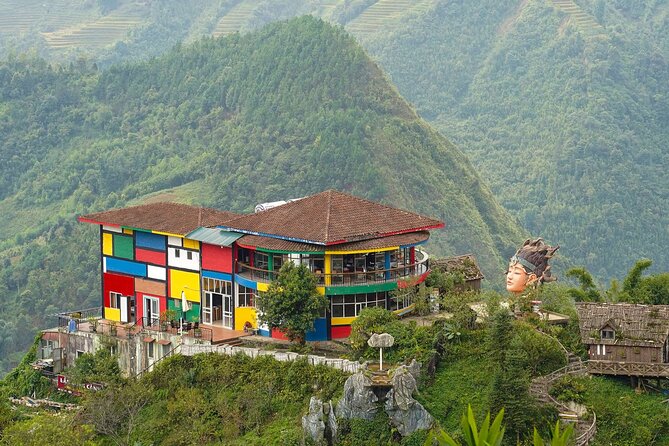
Sapa is famous for views. This tour is more about movement and meeting people than chasing photo spots. You’ll start in Hanoi’s Old Quarter early, ride up to Sapa, then walk through fields toward village life in the Muong Hoa Valley.
What makes it compelling is the rhythm. Day 1 focuses on getting you to Y Linh Ho and giving you a night with a family. Day 2 connects several ethnic villages (Lao Chai, Ta Van, and Giang Ta Chai) through short, manageable treks. You’re not signing up for a huge marathon. You’re signing up for a couple of solid days of walking plus a homestay experience that actually fills the evening.
The tour also hits a practical sweet spot for many budgets. At $53.75 per person, you’re paying for transport (Hanoi–Sapa round-trip), guide time, a homestay night, and multiple meals—not just a walk. That’s where the value comes from.
You can also read our reviews of more tours and experiences in Hanoi.

Price and logistics: what the $53.75 really buys

Let’s break down value in plain terms.
You get:
- Round-trip air-conditioned bus between Hanoi and Sapa
- Van transfer onward once you arrive in Sapa
- 1 night in a homestay in Y Linh Ho village
- Breakfast and dinner, plus lunch included twice
- English-speaking local guide
- Insurance coverage during the time you’re on the bus
- All fees and taxes listed as included
- A mobile ticket, plus group discounts (when applicable)
Not included:
- Drinks and tips
- Travel insurance (the listing calls out that it’s not included)
- A single room surcharge of $10 if you need your own room
- Anything not clearly stated as included
My take: for two days, one homestay night, and multiple meals, this is priced like a tour built to keep you moving and fed. If you already planned to do a guided Sapa trek and wanted a real village night, you’re essentially bundling all the big costs together.
Small group size matters here too. With up to 15 travelers, the trek doesn’t feel like a conveyor belt.
Hanoi pickup to Sapa: early starts, long roads, real breaks
Your day starts at 06:30, ready at your hotel lobby in Hanoi’s Old Quarter. The bus pickup is scheduled early, which is exactly what you want for an overland trip, because you’ll need that daylight once you reach the mountains.
The bus leaves at 07:00 and heads to Sapa with two short breaks along the way. The ride time to Sapa lands around 13:00, and then you’ll do a van transfer to reach your trekking start point.
A review clue worth taking seriously: the bus can feel long, even with comfort. One review noted that the bus had sleeper-style comfort but took a long time due to stops, and that weather can throw curveballs like fog, cold, and slippery conditions.
So here’s the practical approach:
- Bring layers for the bus and for Sapa weather changes
- Expect stops, even if the schedule looks tight
- Plan for a slower day 1 than you’d get from flying
The upside is that the bus ride is part of the experience. You get countryside views on the way up, and your guide handles the handoffs.
Day 1 in Y Linh Ho: fields, Black H’mong culture, and a homestay dinner

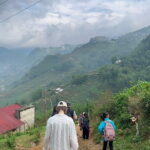
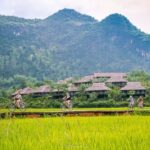
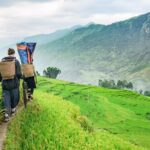
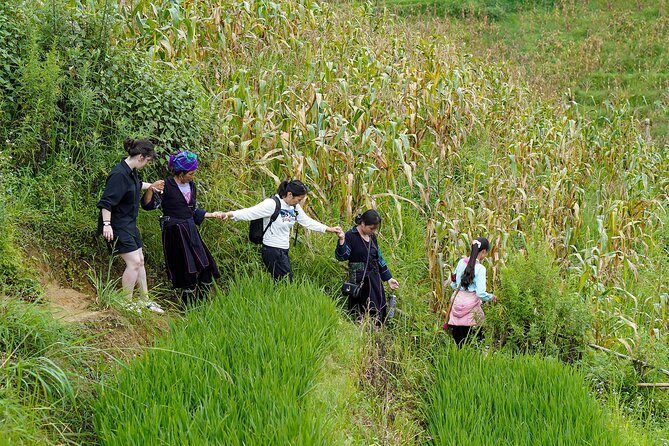
Around 15:00, you start trekking toward Y Linh Ho village, home of the Black H’mong. The walk is about 2 hours, heading through fields and getting you closer to the daily rhythms of village life.
Why Y Linh Ho is the centerpiece on this tour: you’re not just passing through. This is where you slow down. The itinerary is built so that after the afternoon trek, you can settle in, eat, and learn more about customs from your hosts (with your guide helping translate and explain).
You also get the best kind of cultural contact: the kind that happens when you share a normal evening. One review specifically called out that the homestay was great and that the dinner served there was good. That matters, because it usually means the hosts are used to welcoming guests and keeping things simple and satisfying.
Trekking on day 1 has a natural “no stress” feel because you arrive with time to settle. It’s easier to enjoy the walk when you know the reward is a warm homestay night.
How the Day 2 trek is paced: short segments, more variety
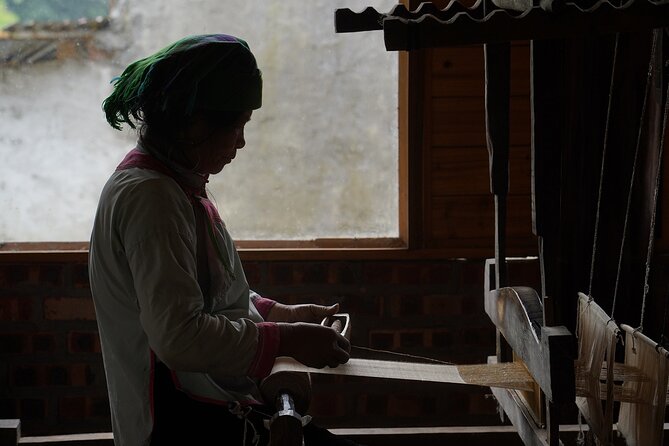
Day 2 starts with breakfast, then you say goodbye to your hosts at 08:00. After that, the trek is split into shorter segments, with village visits built in. Instead of one long hike, you get a chain of walks that keeps things moving without crushing your legs.


Lao Chai: first village stop and a feel for everyday culture
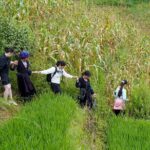
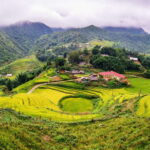
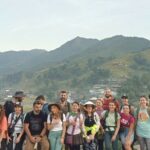
The first trek segment is about 45 minutes to Lao Chai. This stop is focused on learning local culture and customs, with the trail using narrow paths through fields.
What I like about this setup: it gives you early day variety without forcing you into the hardest part right away. You start with a walk that’s long enough to feel like trekking, then you pause to absorb.
Potential drawback: narrow paths can be uneven. Good shoes help, especially if conditions are damp or slippery (and that can happen with fog and cold weather in the area).
Ta Van: Giay village and wet rice life
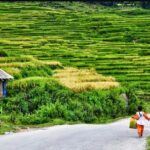
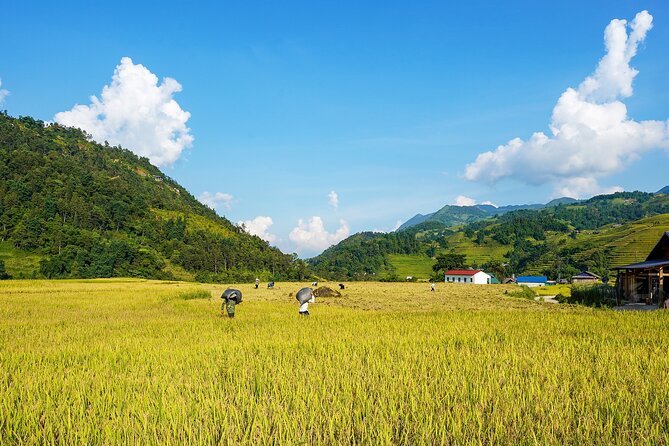
Next, you trek about 45 minutes to Ta Van to visit the Giay people. The itinerary notes that the Giay live in mountain valleys near their fields and cultivate wet rice.
This stop tends to feel practical. You’ll likely connect what you see in the fields with what you hear about daily work and mountain farming. Even if you’re not an agricultural expert, it’s the kind of explanation that makes the scenery make sense.
Giang Ta Chai: bamboo forest, a waterfall, and Red Dao details
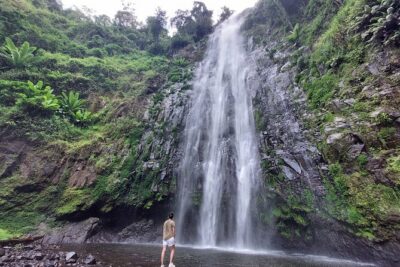
Then you continue to Giang Ta Chai. The trek includes an enchanting bamboo forest and a waterfall before you reach the village, where you’ll see the Red Dao people.
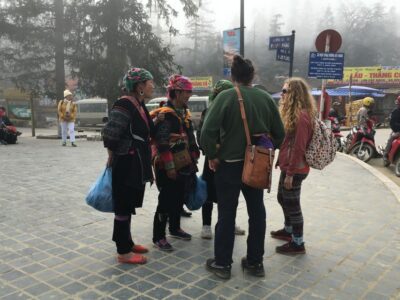
The itinerary also highlights clothing detail: the women’s colorful red embroidery. That’s the kind of visual marker that helps you distinguish communities quickly when you’re moving through multiple villages in one day.
This is often the most memorable part for people who like atmosphere—between bamboo and waterfall, it’s not just straight lines across fields.
Lunch, then back to Sapa: a breather before the ride home
After visiting Giang Ta Chai, you’ll have lunch, then drive back toward Sapa. You’ll stop at the Symphony Hotel in Sapa and have around 1 hour to relax before joining the afternoon bus back to Hanoi.
That short downtime is smart. You finish the trek in the morning, walk through a couple of villages with stops, and then you get a chance to freshen up before the long ride.
What the homestay adds (and what you should be ready for)
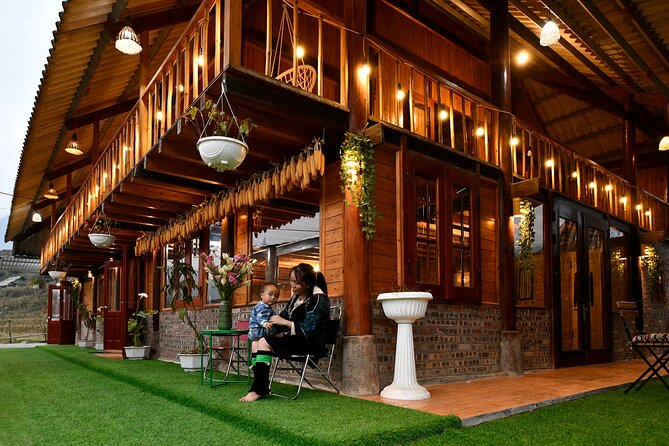
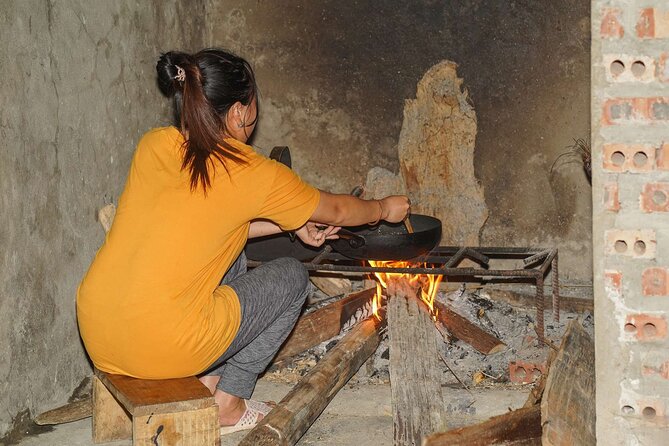
A homestay is the emotional center of this tour, because it’s the moment you switch from visitor mode to participant mode—even if it’s only for one night.
Based on the tour description and what’s been said in feedback, you can expect:
- A family welcome in Y Linh Ho village
- A homestay night arranged by the tour
- Dinner and breakfast included
- A guide who helps you understand customs
What to keep in mind:
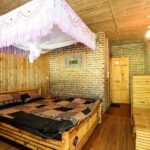
- You’re in a village setting, so comfort won’t match a city hotel standard.
- The weather can be cold and foggy, which may affect how you feel at night and on the trail.
The tradeoff is worth it for many people: you’ll go home with stories that aren’t just about sights.
Who this tour suits best
This is a strong match if you:
- Want a guided trek without needing expert-level fitness
- Like meeting people and learning customs, not just ticking off scenery
- Prefer a small group experience (max 15)
- Want a complete package: transport, guide, homestay night, meals
It may be less ideal if you:
- Hate long bus days, since Hanoi–Sapa includes stops and can feel drawn out
- Get uneasy on uneven, narrow paths, especially in damp or slippery conditions
If you’re traveling solo, it can still work well because the group stays together. If you want extra privacy, the listing notes a single room surcharge of $10, which is worth asking about in advance.
Small practical tips that make the difference
These are the kinds of things that help on a trek like this, where you do multiple short walks and then ride back:
- Wear shoes you trust on narrow paths. The route can be slippery in cold, foggy conditions.
- Bring layers. The trip can shift from city warmth to mountain chill.
- Plan for an early day. Pickup is 06:30, and day 1 starts quickly.
- Budget for drinks and tips. Those aren’t included.
- Keep expectations realistic about rest time. You get a 1-hour break in Sapa before heading back, not a full leisure afternoon.
Should you book this Sapa Trekking & Homestay tour?
I’d book it if you want a two-day Sapa experience that’s built around walking through real village areas and ending the trip with a homestay night in Y Linh Ho.
This tour is especially good value because your big costs—bus transport, a guide, meals, and lodging—are already handled. And the itinerary is paced so you can enjoy culture stops without needing all-day stamina.
I wouldn’t book it if you’re only after comfort and maximum relaxation, or if you strongly dislike long transport days. The road up from Hanoi is part of the deal.
If you can handle an early start and a little cold-and-slip risk, this is one of those simple, friendly tours that gives you more than photos.
FAQ
Where do I get picked up in Hanoi?
You should be ready at 06:30 in your hotel lobby in Hanoi’s Old Quarter for pickup.
How long is the trekking on day 1?
On day 1, you start trekking around 15:00 and walk for about 2 hours to reach Y Linh Ho village.
What villages do you visit on day 2?
On day 2, you trek to Lao Chai, then Ta Van, then Giang Ta Chai village (with a bamboo forest and waterfall along the way).
What meals are included?
The tour includes breakfast and dinner, plus lunch twice during the two days.
Is there an English-speaking guide?
Yes. The tour includes an English-speaking local guide.
Do I have the option of a single room?
A single room surcharge of $10 is listed, so you may be able to request a single room for an extra charge.