REVIEW · HANOI
From Hanoi: 2 Day Sapa Trekking To Village & Bungalow, Meals
Book on GetYourGuide →Operated by DGB - INDOCHINATODAYTRAVEL · Bookable on GetYourGuide
Two days, one big Sapa contrast. This Sapa plan pairs Muong Hoa Valley trekking with a homestay night in Ta Van, plus village culture around Hoàng Liên Sơn.
I like that the hiking is short enough to feel doable, yet you still get real village-to-village walking: Y Linh Ho to Lao Chai on Day 1, then Ta Van to Giang Ta Chai on Day 2. The itinerary also gives you included meals and a proper group handoff back to Hanoi, which makes the whole trip feel cleaner than DIY planning.
The main drawback to consider is fitness and weather. You’re looking at about 9km on Day 1 and 4km on Day 2, and from October to March the area can be foggy—especially in December through March.
In This Review
- Key things worth planning for
- Sapa in Two Days for $87: what you’re really buying
- Hanoi pickup to Sapa arrival: why the morning starts early
- Day 1: Y Linh Ho to Lao Chai to Ta Van homestay
- Starting point: Y Linh Ho and the terrace walking
- Lao Chai: a Black Hmong village stop in the middle of it all
- Ta Van at late afternoon
- Day 1 practicality: clothing, shoes, and the reality of terrace paths
- Day 2: Ta Van to Giang Ta Chai village, through bamboo and viewpoints
- Rice paddies and a photo session
- Bamboo forest walk
- Giang Ta Chai panorama: Red Dzao community connection
- Day 2 schedule and the Sapa Town free window
- Meals, homestay night, and what the culture feels like
- What to watch for: shopping pressure and unclear transfer expectations
- Price value check: does $87 make sense?
- What to pack (and what matters most on this trek)
- Who should book this Sapa trek from Hanoi
- Should you book DGB – INDOCHINATODAYTRAVEL’s Sapa 2D1N trek?
- FAQ
- How long is the Sapa trekking tour?
- How much trekking is involved?
- Where is the homestay located?
- What meals are included?
- What time do you depart Hanoi and arrive in Sapa?
- What kind of guide do you get?
- What ethnic communities does the route mention?
- What should I bring for the trek?
- Should I bring cash?
- Is there a solo traveler extra charge?
Key things worth planning for
- Ta Van homestay night: a real family stay with time in the village life, not just a hotel stop
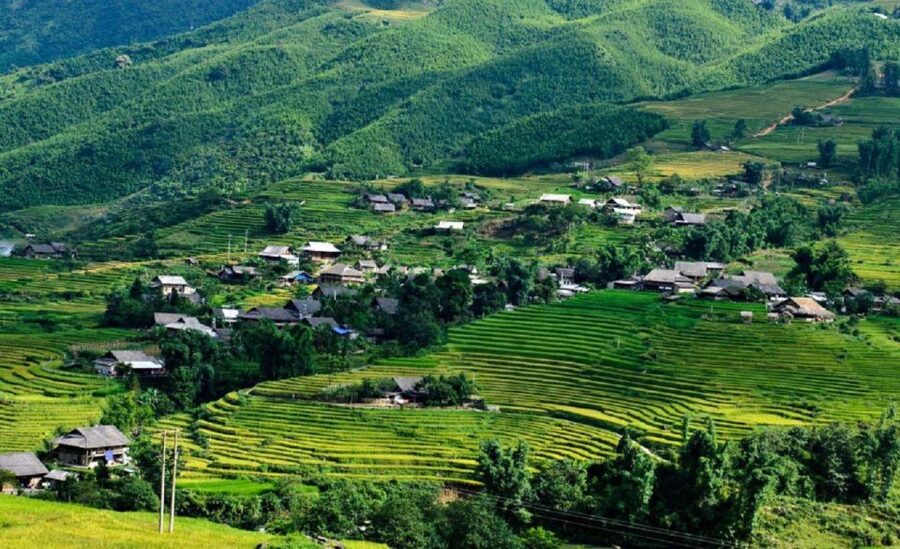
- Two focused treks: ~9km Day 1 and ~4km Day 2, with photo-friendly breaks in rice terraces
- Giang Ta Chai village viewpoint: bamboo forest walk and a panorama view connected to the Red Dzao community
- Ethnic culture on the move: H’mong, Dzao, Tay, Giay, and Black Hmong appear through the route and stops
- Group logistics are tight: early Hanoi pickup, timed meals, and scheduled bus return keep days efficient
Sapa in Two Days for $87: what you’re really buying
At $87 per person (plus a $15 single supplement if you’re traveling solo), this is a value-focused Sapa tour. You’re not paying just for the “scenery.” You’re paying for three practical things: transport from Hanoi, an English-speaking guide, and a structured itinerary that gets you into the right hiking zones for Day 1 and Day 2.
Here’s the trade-off: the days are packed. You’ll spend time on the move—bus rides, check-in timing, and walking segments. If you want long, slow mornings and lots of free wandering, you might feel rushed. If you want an efficient “Sapa taste test” with a homestay night, this is the kind of plan that works.
And the best part for most people is that the homestay is in Ta Van, where daily life feels close and immediate. That matters because Sapa can turn touristy fast in town, but the villages keep it grounded.
You can also read our reviews of more tours and experiences in Hanoi.

Hanoi pickup to Sapa arrival: why the morning starts early
This tour begins with pickup around the Hanoi Old Quarter, typically between 06:00 and 06:30. If your pickup is outside the Old Quarter, you’ll meet at the Hanoi Opera House around 06:00. Then you roll out on a modern bus toward Sapa.
The timeline is built to manage a long road trip:
- Around 09:30 you stop once for a rest
- Around 11:00 there’s a second rest stop at/near Lao Cai
- You arrive in Sapa around 13:30
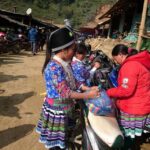
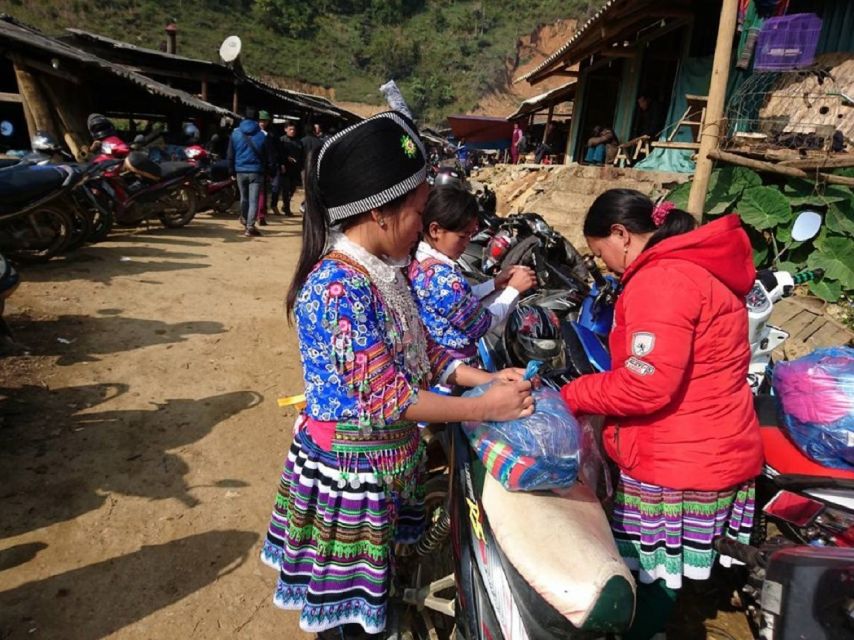
When you reach Sapa Town, you’re hit with what makes Sapa famous: colorful H’mong, Dzao, and Tay costumes and a strong sense of place. You’ll have lunch in town before your first trekking stretch.
Why this matters: landing at 13:30 means you’re not “wasting” an entire day waiting around. You go from road to shoes fairly quickly, then you settle in by late afternoon with Ta Van waiting for you later.
Day 1: Y Linh Ho to Lao Chai to Ta Van homestay
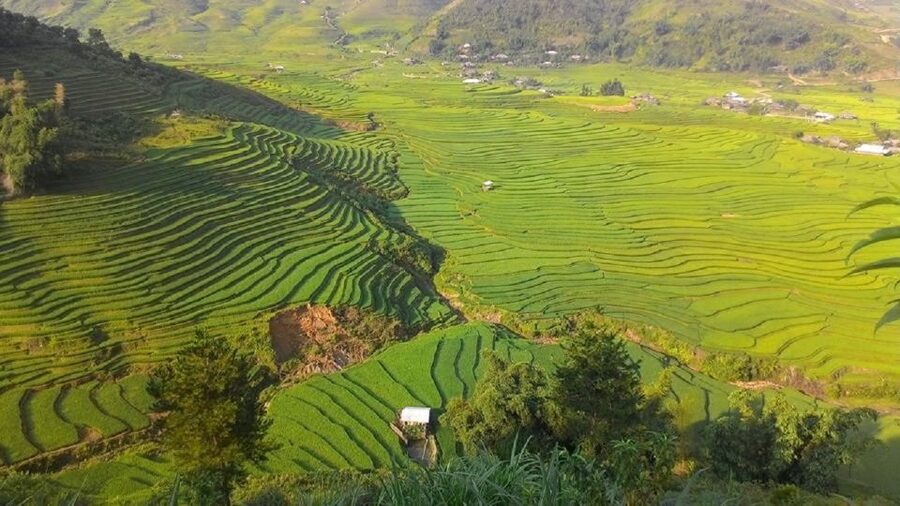
Day 1 is your main walking day, with a trek distance of about 9km (around 3.5 hours). You start after lunch, with the route taking you through Y Linh Ho, down toward the rice terraces, and along the Muong Hoa Stream before reaching Lao Chai and then continuing to Ta Van.
Starting point: Y Linh Ho and the terrace walking
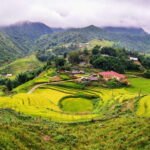
You’ll begin hiking through Y Linh Ho, then move into the rice terrace area. This is one of those parts where the walking itself becomes part of the experience—paths, water channels, and changing views as you climb and descend.
If you like photography, this is where you’ll want your timing right. Take a breath, look back often, and don’t let the pace feel like a checklist.
Lao Chai: a Black Hmong village stop in the middle of it all
The trek includes Lao Chai, described as a Black Hmong village area. In practical terms, this is where you’ll feel you’re not just walking through fields—you’re moving through community space.


Ta Van at late afternoon
You approach Ta Van in the late afternoon, and it’s home to the Giay community. After checking in to your homestay, the plan shifts from walking to village life.
Your day ends with:
- a homestay check-in around 17:45
- getting to know the family
- sunset time to enjoy mountain life
- optional cooking with the family (if the schedule works)
- dinner in peace, then free time nearby if you want it
One extra note: the itinerary says you can join a local bar nearby with music and socialize with other tourists. That’s not essential, but it can help if you like the “third place” feeling after dinner.
Day 1 practicality: clothing, shoes, and the reality of terrace paths
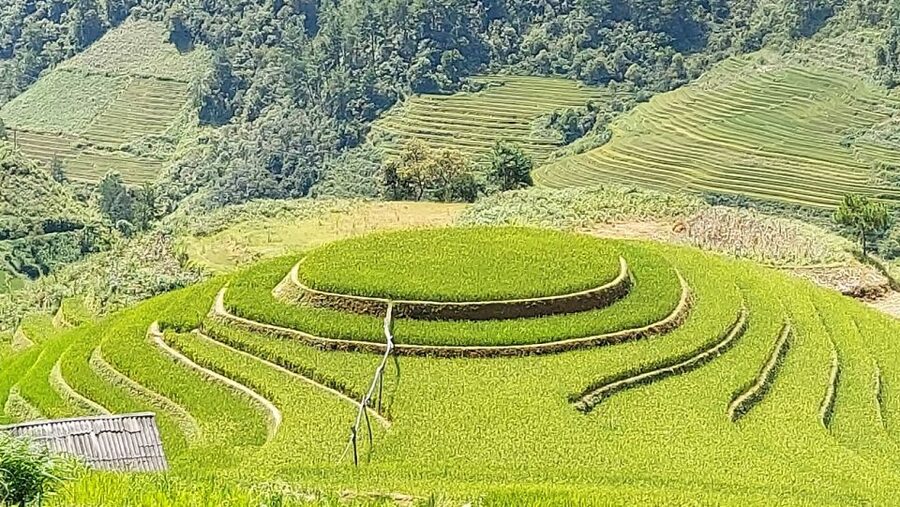
If you do only one thing to prepare, prepare your feet. Hiking shoes are specifically recommended, and for a good reason: terrace paths and stream-adjacent routes can be slippery, uneven, and muddy after weather changes.
Also remember the temperature swings. From October to March, you’ll want warm layers—scarf, hat, and warm clothing—because Sapa’s altitude can feel sharp even when the sun is out.
And yes, fog is possible in December to March. Fog doesn’t ruin the walk, but it changes the experience from big distant views to a more moody, close-up world of steam, trees, and softer edges.
Day 2: Ta Van to Giang Ta Chai village, through bamboo and viewpoints
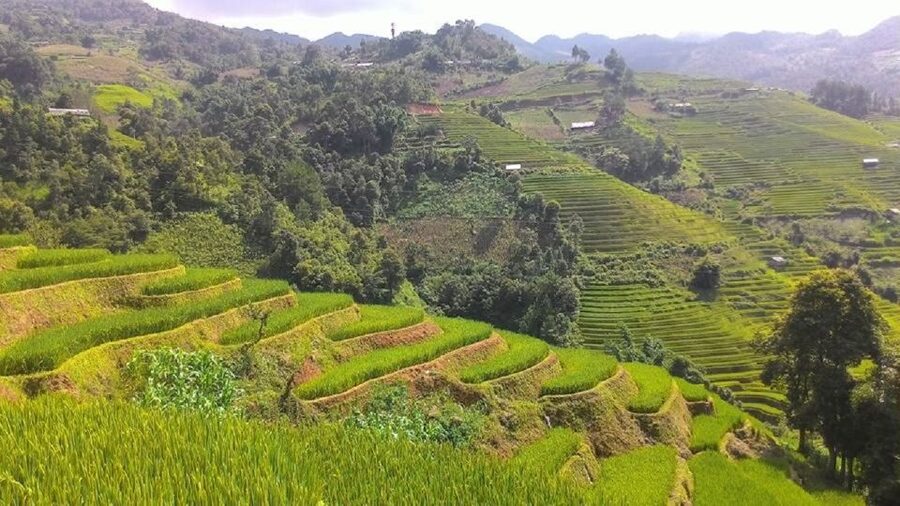
Day 2 is shorter on paper: about 4km (around 2 hours). But it can still feel meaningful because the emphasis is on variety—rice paddies for photos, a bamboo forest stretch, and a viewpoint connected to Giang Ta Chai village.
You start with breakfast prepared by the family around 08:00. Then you head out again.
Rice paddies and a photo session
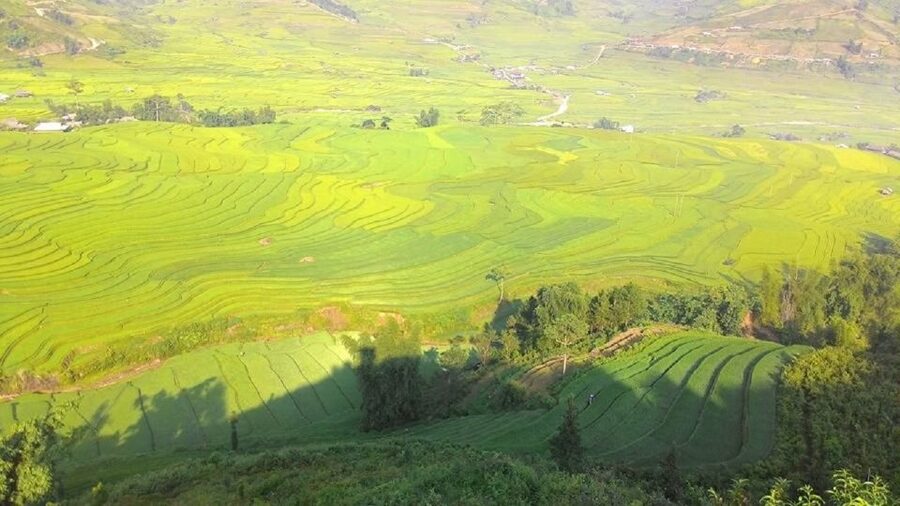
You walk toward the rice paddies, and there’s time for photos with the surrounding scenery. This is the part where you’ll appreciate that Day 1 wasn’t the only terrace moment. It gives you a second chance to catch the light and the angles.
Bamboo forest walk
Then comes the bamboo forest segment. It’s usually cooler and shaded, and it often feels like a different atmosphere from the open terrace paths.
If you tend to get sore in open sun, bamboo forest stretches can be a relief.
Giang Ta Chai panorama: Red Dzao community connection
You’ll stop at a panorama view over Giang Ta Chai village, described as home to the Red Dzao people. This is a key cultural and visual payoff: you’re not just seeing a village—you’re getting a sense of its place in the mountains.
Then you trek onward to cross the Giang Ta Chai Bridge, and eventually return toward the main road.
Day 2 schedule and the Sapa Town free window

After the walk, the plan gets practical:
- You return to the bungalow for shower time
- Lunch runs from about 12:30 to 13:30
- Pickup returns you to the bus station around 13:30
Then there’s a free window in Sapa from about 14:00 to 15:00. You can walk around Sapa Town or shop, depending on your energy.
At 15:00 to 15:30, you meet the group at the bus station and start the return to Hanoi. The bus includes two rest stops, and you arrive in Hanoi around 21:30 to 21:45.
That timing is useful: you’re not getting stuck overnight in Sapa. You leave with enough time to sleep in your own bed back in Hanoi.
Meals, homestay night, and what the culture feels like
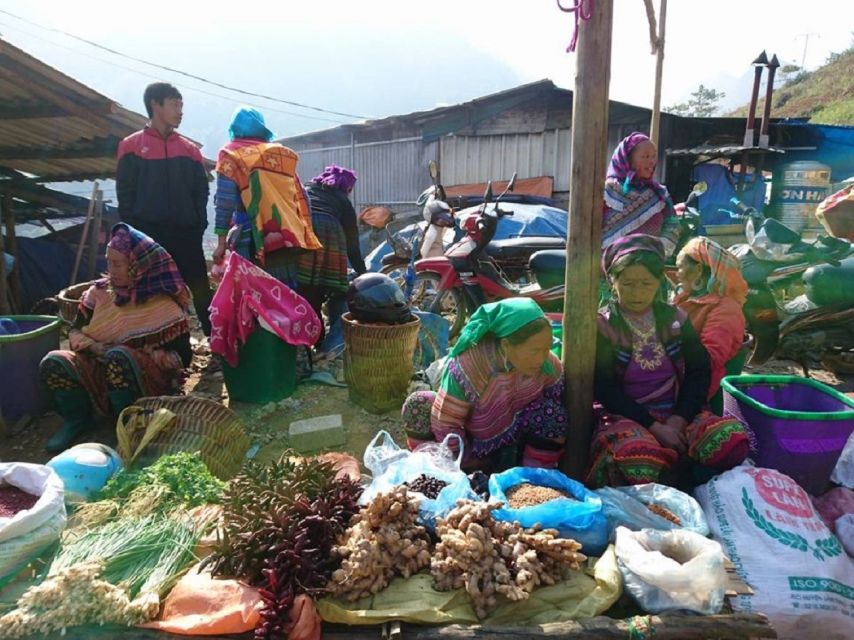
This tour includes meals as follows:
- Day 1: lunch and dinner
- Day 2: breakfast and lunch
- Plus mineral water
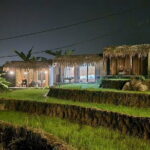
You also get a homestay night in a bungalow at Ta Van, with time to meet the family and settle in during late afternoon and sunset.
The cultural value here is that you’re not just doing a photo stop and leaving. You spend the evening with the family, and you might even join in cooking local dishes if the household schedule allows it.
One more thing: your homestay dinner and the quiet of the village night is usually the emotional highlight of this style of trek. Sapa can be loud in town, but in Ta Van the rhythm shifts to weather, light, and conversation.
Just keep expectations realistic: meals are included, but drinks and anything extra won’t be. The tour doesn’t bundle drinks beyond mineral water, so budget for water beyond that and for any extra items you choose.
What to watch for: shopping pressure and unclear transfer expectations
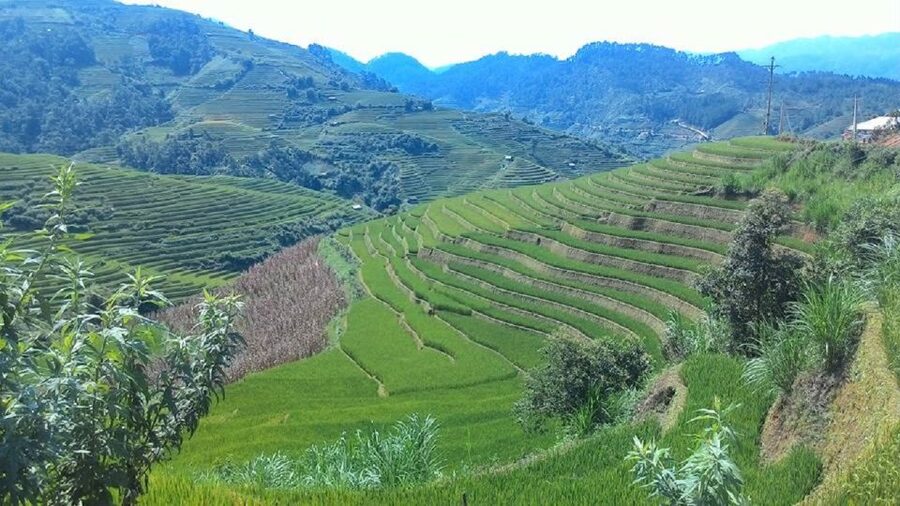
Here’s the part I think you should handle proactively: the human side of trekking.
In the rice-field areas and near village paths, you may encounter people who ask you to buy something. Sometimes they know what they’re selling but not the details you want, and the back-and-forth can turn annoying. The fix is simple: decide your shopping budget before you go, and if you don’t want anything, be clear and move on. Don’t let it slow your pace too much on the trail.
The other issue that can pop up is confusion about included transportation. Even though the tour is described as offering modern bus pickup from Hanoi and the return by bus, one experience I read flagged that they had to pay in cash for the Hanoi–Sapa transfer after booking. So before you pay fully, ask the operator to confirm what’s included in your exact package in writing or by a clear confirmation message—especially the return trip and any cash payments needed.
If you do that, you protect yourself from the most irritating kind of surprise: one that isn’t about adventure, but about money.
Price value check: does $87 make sense?
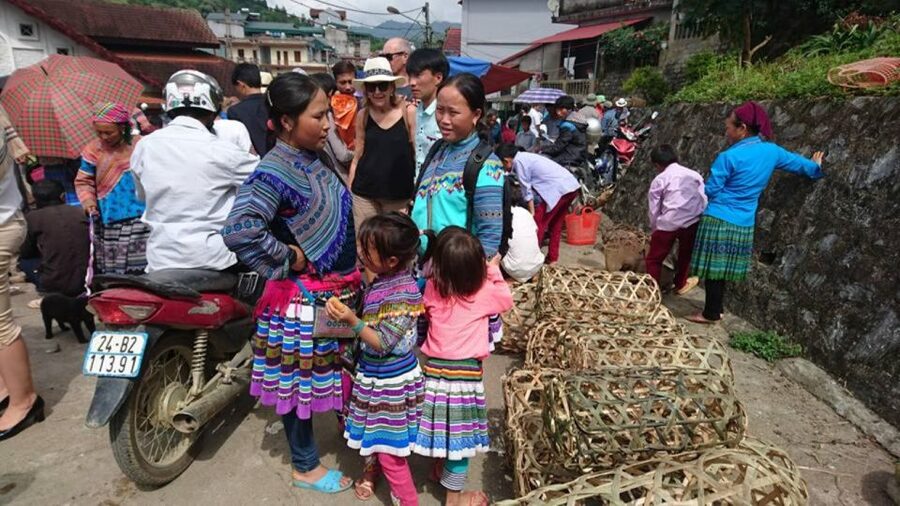
Let’s break it down in the plainest terms.
You pay for:
- 1-night homestay (in Ta Van)
- English-speaking guide
- admissions (labeled as included)
- meals (1 dinner + 2 lunches + 1 breakfast)
- mineral water
- bus transportation between Hanoi and Sapa (as described)
- pickups around Hanoi Old Quarter or Hanoi Opera House
For most travelers, the “value” of this tour is how much is bundled into one organized plan: trekking route, guide, and a homestay night. The alternative—DIY—usually costs you time and coordination, and you’d still need a guide or local logistics to get into these village areas safely and efficiently.
So $87 can feel fair, especially if you’re also trying to avoid transport stress. If you already have your own transport and you only want a short hike, a cheaper option might exist. But if you want the full package, this is aimed at that.
Don’t forget the solo supplement ($15). If you’re traveling alone, it changes the math, and you should weigh whether you want the group pace.
What to pack (and what matters most on this trek)
The essentials are already spelled out, and you should follow them:
- Passport or ID card
- Sunglasses
- Sun hat (a real one, not a floppy souvenir cap)
- Hiking shoes
- Sun cream
- Insect repellent
- Warm clothes (especially October to March)
You should also plan for cash. The tour notes that you should take cash in Vietnam dong because the banking system in Sapa sometimes doesn’t function well. US dollars, euros, and Australian dollars are accepted in Sapa, but having dong ready is still a smart move for small purchases.
Finally, bring medicine. It’s mentioned directly in the prep notes, and it’s one of the best low-effort safeguards you can carry.
Who should book this Sapa trek from Hanoi
This tour fits best if you:
- want a 2-day, 1-night Sapa experience without extra planning work
- like cultural village walking where the homestay actually matters
- have a decent fitness level and can handle uneven paths
- enjoy ethnic diversity and want to see communities connected to the trek route
You might skip this tour if you:
- want minimal walking and maximum lounging
- get easily bothered by shopping interruptions on trails (you can still handle it, but it’s not zero-pressure)
- are extremely sensitive to schedule-tight days, because this itinerary runs on clocks
Should you book DGB – INDOCHINATODAYTRAVEL’s Sapa 2D1N trek?
I’d book it if you want an efficient Sapa introduction with a genuine homestay night and two distinct village walks—Muong Hoa Valley on Day 1 and the Giang Ta Chai area on Day 2. The included meals help, and the bus return makes it easy to stay one night and still be back in Hanoi the same evening.
I’d hesitate only if you hate early starts, fog and cool mountain weather, or you absolutely need a perfectly hands-off shopping environment. If you do book, go in prepared: confirm exactly what’s included for the Hanoi–Sapa transport in your package, set a firm stance on purchases ahead of time, and wear shoes that won’t betray you on terrace paths.
FAQ
How long is the Sapa trekking tour?
It’s a 2-day trip with 1 night included, starting with pickup in Hanoi and ending with arrival back in Hanoi late evening.
How much trekking is involved?
Day 1 is about 9km (around 3.5 hours). Day 2 is about 4km (around 2 hours).
Where is the homestay located?
The homestay is in Ta Van village, with an overnight bungalow-style stay.
What meals are included?
The tour includes 1 dinner (Day 1), 2 lunches (Day 1 and Day 2), and 1 breakfast (Day 2), plus mineral water.
What time do you depart Hanoi and arrive in Sapa?
Pickup is around 06:00–06:30 from the Hanoi Old Quarter area (or 06:00 at Hanoi Opera House if outside the Old Quarter). You arrive in Sapa around 13:30.
What kind of guide do you get?
You get a professional English guide during the trip.
What ethnic communities does the route mention?
The itinerary references H’mong, Dzao, Tay in Sapa Town, and it includes village areas linked with Black Hmong (Lao Chai) and Giay (Ta Van), plus the Red Dzao community around Giang Ta Chai.
What should I bring for the trek?
Bring a passport or ID card, sunglasses, sun hat, hiking shoes, sun cream, insect repellent, and warm clothes (especially from October to March).
Should I bring cash?
Yes. The tour notes that you should take cash in Vietnam dong because banking in Sapa can be unreliable. US dollars, euros, and Australian dollars are accepted in Sapa.
Is there a solo traveler extra charge?
Yes. There’s a single supplement surcharge for solo travelers of US$15.