REVIEW · KATHMANDU
Annapurna Sanctuary Trek ( 11 Days)
Book on Viator →Operated by KJ Adventure Nepal Private Limited · Bookable on Viator
Annapurna drama starts early. In 11 days you’ll move from Kathmandu’s UNESCO temples to Pokhara’s lakes, then hike into the Annapurna Sanctuary with steady teahouses and jaw-dropping Annapurna Base Camp views. This route also threads through Gurung villages and forests tied to serious biodiversity, so your days feel both scenic and alive.
I love the way this itinerary balances effort with comfort. The trek is supported by an experienced English-speaking guide and porter service (1 porter for 2 clients), which keeps you focused on walking and enjoying the places you stop. I also like the small touches that make the trip feel looked after, including trekking gear like the duffel and map, plus a medical kit.
One consideration: this is a serious trekking schedule, with steep climbs and lots of stone-stair sections. You need moderate physical fitness, and weather can affect conditions, especially at higher elevations like Annapurna Base Camp.
In This Review
- Key points before you go
- Why the Annapurna Sanctuary Trek feels special
- Your 11 days: a route that combines cities and mountain time
- Kathmandu temples and trek prep: a useful start, not just sightseeing
- The flight to Pokhara and the Modi River walk into Jhinu Danda
- Chhomrong and Upper Sinuwa: suspension bridge thrills and first altitude feel
- Hinku Cave, Deurali lunch breaks, and onward toward Machhapuchhre Base Camp
- Annapurna Base Camp at 4,130m: the “wide open” kind of wow
- Downhill return: Chhomrong nights and the Jhinu Danda recovery loop
- Kathmandu again: rest, fresh air, and a farewell dinner
- Price and value: what you get for around $1,300
- Lodges, teahouses, and the practical comfort level
- Guide and porter support: the details that save your energy
- Trek pacing, weather, and what to watch for
- Who should book this Annapurna Sanctuary Trek
- Should you book this trek with KJ Adventure Nepal Private Limited?
- FAQ
- How many days is the Annapurna Sanctuary Trek?
- Where does the trip start and end?
- Are domestic flights included?
- What are the highest altitude details mentioned in the itinerary?
- Will I have a guide and porter?
- Do they arrange trekking permits?
- What kind of accommodation is included?
- Are meals included in Kathmandu and Pokhara?
- Is international airfare or the Nepal visa fee included?
- Is this tour private?
Key points before you go
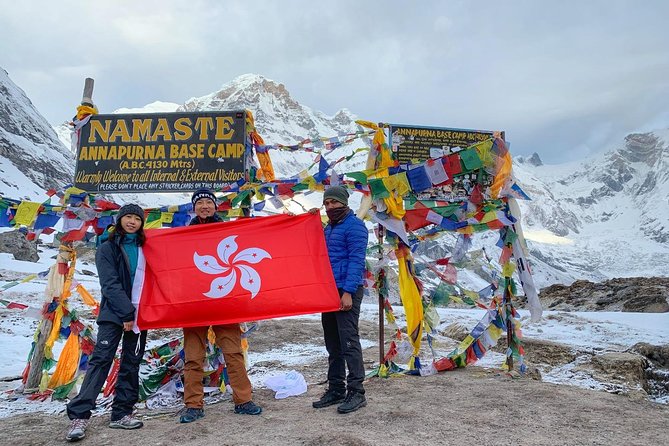
- Annapurna Base Camp at 4,130m with a cluster of major peaks in view, including Annapurna South and Machhapuchhre
- Real village stops in Chhomrong and other communities, where local culture is part of the day
- Hinku Cave landmark on the way toward Deurali and deeper into the sanctuary area
- Teahouse comfort on a popular route, so sleeping and meals aren’t a daily gamble
- Guide and porter support with an English-speaking team and a 1:2 porter-to-client setup
- Kathmandu and Pokhara add-on value via private sightseeing and lakeside time
Why the Annapurna Sanctuary Trek feels special
The Annapurna Sanctuary Trek is popular for a reason, but what you’ll feel on the trail is more specific than just fame. You’re walking through ecosystems that support a huge range of life. The area is described as home to 1,226 species of flowering plants, 105 mammals, 518 birds, 40 reptiles, and 23 amphibians. That matters because the walk doesn’t feel like one long climb through the same scenery.
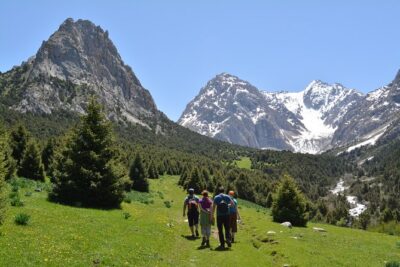
You also get the classic sanctuary magic: as you gain altitude, the Annapurna massif peaks start appearing in layers, until the mountains feel close enough to photograph like they’re right above the path. The route is built for teahouse trekking, so you’re not camping every night. That changes the feel of the days. You can arrive tired, eat well, and actually sleep.
Finally, you get culture without forcing it. The trekking spine runs through settlements shaped by Gurung communities and older Tibetan-influenced traditions. You’re not just passing through; you’re stopping, crossing bridges, and spending nights where people live with the mountains as daily scenery.
You can also read our reviews of more tours and experiences in Kathmandu.
Your 11 days: a route that combines cities and mountain time
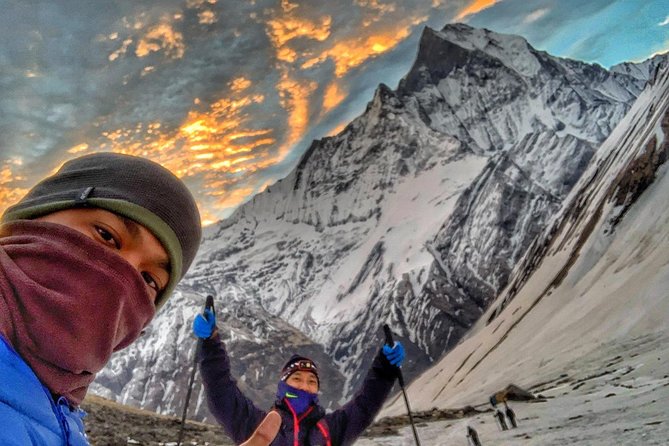
This trek is structured around a Kathmandu-to-Pokhara travel block, then a point-to-point walking circuit that starts from Matkyu and returns the same way. Day 1 and Day 2 are Kathmandu setup and sightseeing. Day 3 moves you from Kathmandu to Pokhara by a short flight, then up to Matkyu to start hiking. Days 4 through 8 are the core trekking days. Days 9 and 10 bring you back down to Pokhara and fly to Kathmandu for the final dinner and rest. Day 11 ends with an airport transfer.
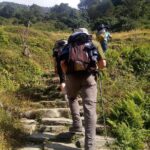
The big practical win here is pacing. You don’t spend your first day on steep trails. You arrive, get orientation, and walk into the trek gradually through forests and stone stair sections. When you do reach altitude, you’re not doing it blind; you’ve already learned the rhythm of carrying your daypack and settling into the teahouse routine.
Kathmandu temples and trek prep: a useful start, not just sightseeing
In Kathmandu, you get a smooth landing and transfer on Day 1 with the K.J. Adventures representative meeting you at Tribhuvan International Airport. From there, you’re taken to your hotel and given a detailed program briefing. That kind of upfront clarity matters when you’ll be dealing with flights, permits, and a multi-day hiking plan.
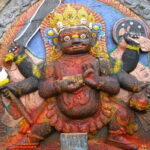
Day 2 is Kathmandu valley time, with visits to major UNESCO World Heritage Sites. The route includes Kathmandu Durbar Square, Swayambunath, Pashupatinath, and Bouddhanath. After sightseeing, you’ll get trekking basics and help configuring your backpack for the next morning. I like this because it’s not just theory. It’s the moment to confirm that your system works: daypack vs. duffel, layers for cold mornings, and what you’ll actually use on trail.
If you’ve never done a Himalayan trek, this prep day is the difference between feeling anxious and feeling ready. You also don’t lose energy to logistics, since private transportation is part of the plan.
The flight to Pokhara and the Modi River walk into Jhinu Danda
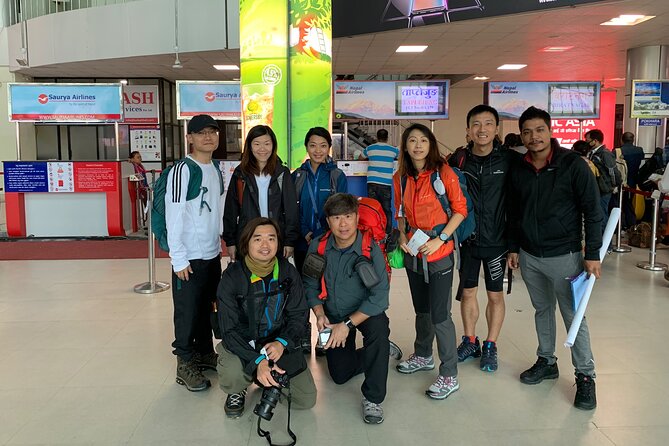
Day 3 moves you from Kathmandu to Pokhara by Buddha Air, a short flight of about 25 minutes. That saves a lot of time and helps you begin hiking without a full-day overland slog.
In Pokhara, you transfer by vehicle (including jeep options) for around 2 hours to Matkyu, where the trek starts. The beginning is a climb through oak and rhododendron forests. A nearby reference is the Modi River, which runs alongside parts of the route and gives you that constant “moving water” soundtrack that makes the first day feel more like travel and less like grind.
You’ll reach Jhinu Danda and overnight there. This is also where the itinerary gives you a bonus: you can enjoy natural hot springs if you want to ease fatigue. That matters because early trekking soreness can last longer when you ignore recovery. Even if you don’t fully soak, the option helps your body downshift.
Chhomrong and Upper Sinuwa: suspension bridge thrills and first altitude feel
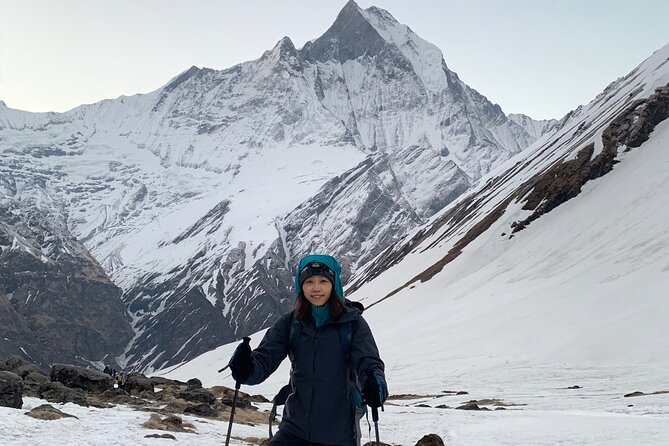
Day 4 is a classic Nepal trekking day shape: uphill first, then a mix of stone stair descents and bridge-crossing moments. You’ll climb for about an hour to Chhomrong village, a Gurung community worth a quick look. You’ll have a brief stop to see local village life and culture, which is one of the reasons this route works even if you’re not into hardcore hiking.
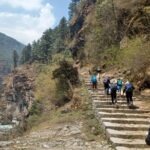
After that, you descend down steep stone staircases to a suspension bridge over Chhomrong Khola. Crossing it gives you views of the fast-flowing river, which is a nice contrast to the high, still air you’ll notice at altitude later.
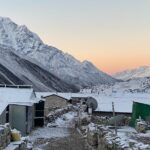
Then you climb again toward Upper Sinuwa, sleeping at about 2,340 meters. This is a good night to benchmark how you feel at altitude. If you manage your pace here, you’ll feel more comfortable when the trail steeps up later.
Hinku Cave, Deurali lunch breaks, and onward toward Machhapuchhre Base Camp
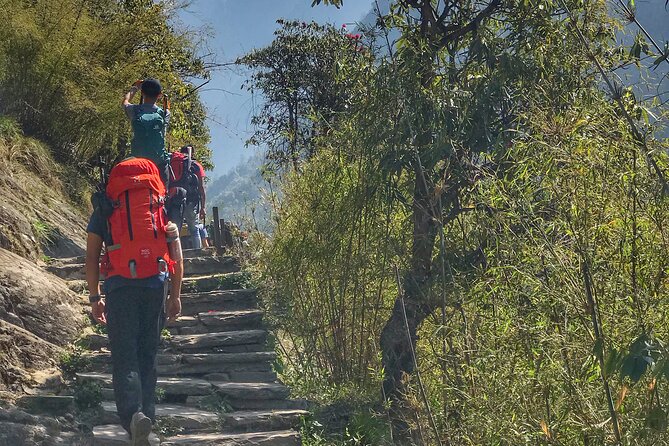
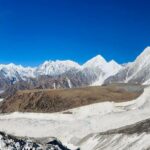
Days 5 and 6 push deeper into the sanctuary world. The rhythm is uphill through dense forests, then a gradual shift to more open forest as you rise. You’ll get glacial river views below at points, and the trail includes stone and dirt sections that can feel strenuous depending on weather and pace.
One highlight here is Hinku Cave, described as an important landmark for Annapurna I expeditions in early days. That bit of context makes your walk feel connected to real mountaineering history, without turning the day into a lecture. It’s also a mental checkpoint: when you see the landmark, you know you’re on the route that serious climbers once used.
Lunch happens around Deurali, and from there you continue toward Machhapuchhre Base Camp (MBC). The itinerary repeats this general pattern across Days 5 and 6, with a night in MBC. If your body likes steady effort, you’ll do well here. If you start too fast, these days can feel long.
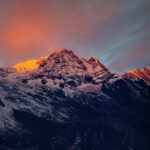
The reward is the big view from Machhapuchhre Base Camp. The trip positions Machhapuchhre and nearby peaks as a key reason you’re working so hard, and that’s the kind of payoff you remember on future hikes.
Annapurna Base Camp at 4,130m: the “wide open” kind of wow
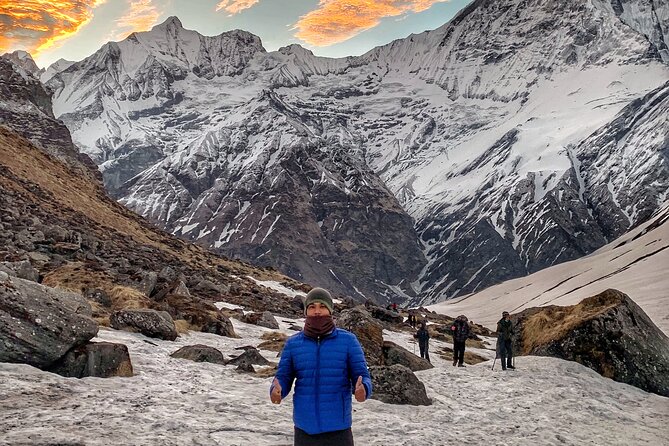
Day 7 is the main moment for many hikers: Annapurna Base Camp. From Machhapuchhre Base Camp, the walk to base camp is around a 2-hour hike, and the trail is described as wide and clear.
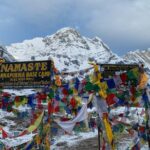
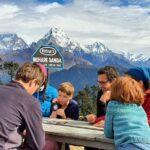
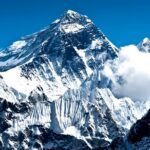
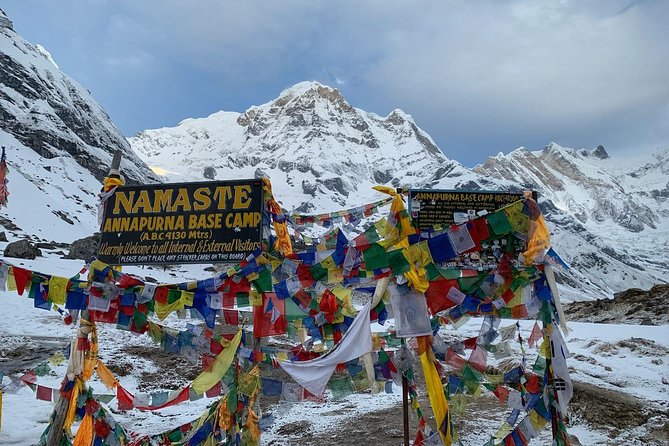
Annapurna Base Camp sits at 4,130 meters. From there you’re facing Annapurna South and a heavy lineup of major mountains, including Annapurna, Dhaulagiri, Machhapuchhre, Hiunchuli, and Nilgiri, plus many other Himalayan peaks listed in the plan. The view is framed as jaw-dropping, and the key detail is that you’re standing at the foot of the Annapurna Massifs, so the mountains aren’t just “over there.” They become your immediate horizon.
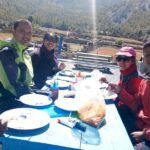
What I find practical to remember: base camp is also about timing and staying flexible. The best experience comes from spending quality time up there, not just snapping photos and rushing. If you can, plan for early mornings because one of the highlights from a past group was getting sunrise from the base camp area and enjoying breakfast with the guide and crew.
After base camp, you retrace your steps back toward Dhovan via MBC, Deurali, and Himalaya. Retracing is not always fun, but it’s usually smoother than inventing a new route. It also gives your body a chance to settle into descents where you can adjust footing and keep your pace controlled.
Downhill return: Chhomrong nights and the Jhinu Danda recovery loop
Day 8 turns mostly downhill. You’ll start after breakfast, move through bamboo forests, and deal with a short ascend back to Upper Sinuwa. Then the trail drops to Chhomrong Khola and crosses the suspension bridge again.
After the bridge, there’s an inclined path for about an hour before you reach Chhomrong for the night. This is one of the nights where culture isn’t an add-on. People in Chhomrong are described as practicing traditional lifestyles and older cultures, and you get a chance to spend the night with indigenous locals. That gives the day meaning beyond distance.
Day 9 brings you back toward Pokhara. You retrace the route to Matkyu via Jhinu Danda, with dense forests, hundreds of stone stairs, and sections along the Modi River. Then you take a jeep to Pokhara and sleep at a lakeside area.
Pokhara is the perfect counterbalance after trekking. You can do boating on Fewa Lake, rent a bicycle, and spend time around the city lights. The trek stops feeling like a single exhausting event and starts feeling like a full Nepal story: mountains, then lakes.
Kathmandu again: rest, fresh air, and a farewell dinner
Day 10 flies you back to Kathmandu after breakfast. When you arrive, you’re escorted to your hotel so you can freshen up. In the evening, K.J. Adventures picks you up for the final day dinner.
That dinner isn’t just a nice meal. It’s also a practical way to process the trip, compare notes with your group, and hear what worked best for other people’s pacing and sleep. If your guide like Prajwol is part of your group, this is a good moment to ask last-minute questions about what to do after the trek.
Day 11 wraps with a farewell and transfer to the airport, timed to your flight.
Price and value: what you get for around $1,300
At $1,300 for an 11-day package, the value is mainly in what’s included that you’d normally pay for separately.
You get two-way domestic flights by Buddha Air between Kathmandu and Pokhara, which is a big chunk of cost and time saved. On top of that, you get accommodation in Kathmandu and Pokhara on a bed-and-breakfast basis, plus twin-sharing teahouse/lodge accommodation on full board during the trek.
You’re also covered for the “support layer” that makes the trip run: an English-speaking trekking guide, porter service throughout with a 1 porter for 2 clients ratio, private transportation, all necessary permits and paperwork (ACAP and TIMS), and even K.J. Adventure items like a duffel, trekking map, and trip completion certificate. Entrance fees for Kathmandu sightseeing are included as well, plus a farewell dinner and a medical kit.
What’s not included is just as important. International airfare, Nepalese visa fee, and lunch/dinner in Kathmandu and Pokhara are not covered. Tips for guides and porters are also excluded, plus personal expenses during the trek. If you budget for those carefully, $1,300 can feel like a well-managed deal rather than a gamble.
Lodges, teahouses, and the practical comfort level
Because this is one of Nepal’s most traveled trekking routes, teahouses and lodges are available throughout. That means you’re not constantly wondering where you’ll sleep or what food options will be like. During the trek, your accommodation is on full board basis in twin sharing setups.
That said, teahouses in the Himalaya are still basic places compared to hotels. The value here is that your package organizes it so you don’t carry extra stress. You get the standard rhythm: hike, arrive, eat, rest, repeat.
This is where good guiding matters. A strong guide keeps you moving at a sustainable pace, helps manage expectations for day length and steepness, and encourages smart stop behavior (like how long to rest before pushing higher).
And based on past experience from this operator, people highlight that they felt looked after, with comfort handled and no major stomach issues reported. That doesn’t mean every body reacts the same way, but it does suggest attention to the everyday details that can make or break a trek.
Guide and porter support: the details that save your energy
One of the most praised aspects is the level of care: the way people felt supported at all times, with a guide who provided the information they needed during the trek.
In one set of feedback, guide Prajwol is specifically named for giving the details hikers want. That’s not a minor point. On a trek like this, your brain needs help with tiny choices: when to rest, how to pace uphill sections, what to watch for on descents, and how to keep your pack manageable.
Porters matter too. The plan uses a porter ratio of 1 porter for 2 clients, so you’re not dragging a heavy load all day. That directly supports comfort and reduces fatigue, especially on days with steep stone stairs and long descents.
Add in private transportation and Kathmandu sightseeing with an experienced tour guide, and the overall setup is smoother than doing any of this on your own.
Trek pacing, weather, and what to watch for
The itinerary is built for travelers with moderate fitness. That doesn’t mean it’s casual. It’s an 11-day trek with multiple altitude days and long hiking windows, including steep climbs and stairs.
Also, this experience requires good weather. That matters because at higher elevations, cloud cover and rain can change trail conditions and visibility. Your best strategy is to treat mountain conditions as part of the plan, not a failure of planning.
Gear notes from a practical standpoint (without guessing what you have): you’ll want layers for cold mornings, shoes you trust on stone stairs, and a daypack system you already set up in Kathmandu on Day 2. The guide briefing and backpack configuration on Day 2 is there for a reason: you’ll use what you packed, not what you wished you packed.
If hot springs at Jhinu Danda are on your checklist, treat them like recovery, not a cure. A quick soak can help, but your body still needs hydration and rest.
Who should book this Annapurna Sanctuary Trek
This is a great fit if you want:
- Big Himalayan views without camping every night
- A well-supported trek with a guide and porter system
- Cultural stops like Chhomrong instead of only trail scenery
- A combo trip that includes Kathmandu temples and Pokhara lakeside time
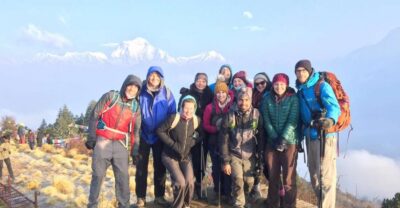
It’s also a strong choice if you’re returning from a busy life and want a reset with clear structure. One past participant described the trek as a break from daily pressure, with sunrise moments from base camp and relaxed mornings shared with the guide and crew.
If you want a gentler first-time trek, start slower and keep your pace steady. If you’re already in great shape and love long days, you’ll still appreciate the organized logistics and teahouse comfort, because it lets you focus on the trail rather than camp planning.
Should you book this trek with KJ Adventure Nepal Private Limited?
If your priority is a supported, organized Annapurna Sanctuary experience with domestic flights, permits handled, and real human help on trail, I think it’s a smart booking. The value comes from the package covering key costs you’d likely piece together yourself: flights, teahouse full board, guide + porter support, permits, private transport, and Kathmandu/ Pokhara planning.
My advice is to book if you’re comfortable with moderate fitness and you can be flexible about weather. Also, budget for what’s excluded, especially Nepal visa fees, international flights, and meals in Kathmandu and Pokhara.
If you want maximum independence and no group structure, this might feel too guided. But for most people planning Annapurna Sanctuary for the first time, the setup is exactly what you want: a solid plan, caring support, and the kind of views you remember long after the stairs.
FAQ
How many days is the Annapurna Sanctuary Trek?
The trek is listed as 11 days (approx.).
Where does the trip start and end?
It starts at the Nepali Ghar Hotel meeting point in Kathmandu and ends back at the same meeting point.
Are domestic flights included?
Yes. Two-way domestic flights by Buddha Air are included (Kathmandu to Pokhara and Pokhara to Kathmandu).
What are the highest altitude details mentioned in the itinerary?
Annapurna Base Camp is listed at 4,130 meters.
Will I have a guide and porter?
Yes. You get an experienced English-speaking trekking guide, and porter service is included throughout with a ratio of 1 porter for 2 clients.
Do they arrange trekking permits?
Yes. The plan includes necessary permits and paperwork, including ACAP and TIMS.
What kind of accommodation is included?
In Kathmandu and Pokhara you get accommodation on a bed-and-breakfast basis. During the trek you stay in twin sharing teahouses/lodges on a full board basis.
Are meals included in Kathmandu and Pokhara?
Lunch and dinner in Kathmandu and Pokhara are not included. During the trek you get full board.
Is international airfare or the Nepal visa fee included?
No. International airfare and the Nepalese visa fee are not included.
Is this tour private?
Yes. It’s a private tour/activity, and only your group participates.