REVIEW · KATHMANDU
20 Days Private Kanchenjunga Circuit Trek
Book on Viator →Operated by Magical Nepal · Bookable on Viator
Two base camps in one tough loop.
This private Kanchenjunga Circuit trek takes you through Eastern Nepal’s far-off Kanchenjunga Conservation Area, with big-altitude camps and classic high passes like Sele Le plus crossings en route to the North and South Base Camps. You’re not just walking to a view. You’re moving through tea villages, glacier country, and small communities that still run on simple rhythms.
I especially like the steady support: you get a guide for 19 days, plus all required permits handled for the trek. And you’ll notice the itinerary respects altitude, with built-in acclimatization nights in places like Ghunsa and Kangbachen that help you adjust before pushing higher.
One consideration: you need strong physical fitness, and while tea houses handle most meals and lodging, hot and cold drinks on the trek are not included, so budget for that extra spend (and for the fact that cold weather makes you want more than you planned).
In This Review
- Key highlights worth caring about
- Why the Kanchenjunga Circuit feels different than most treks
- Getting there: Kathmandu to Bhadrapur, Ilam, and Taplejung
- Into the Conservation Area: Chirwa, Lelep, and Amjilosa set your pace
- Ghunsa and Kangbachen acclimatization: the part you cannot rush
- Pangpema North Base Camp at about 5,140 m: what the high day feels like
- Sele Le and the South Base Camp day trip from Cheram
- Torongding and Yamphudin: the quieter trekking days that still matter
- Ending the loop: toward Fikal/Fickle and the return flight to Kathmandu
- Tea houses, meals, and the part of trekking you should budget
- Private trek logistics: guide time, permits, and pacing for your group
- Price and value: what $2,560 buys on a remote Kanchenjunga circuit
- Who should do this trek (and who should reconsider)
- Should you book the 20 Days Private Kanchenjunga Circuit Trek with Magical Nepal?
- FAQ
- Where does the trek start and end?
- What time does the tour start?
- How long is the trek?
- Is this tour private?
- Does the price include accommodation and meals?
- Are drinks included on the trek?
- Are vegetarian or special diets possible?
- Is a guide included, and for how many days?
- Is pickup offered?
- What is the cancellation window for a full refund?
Key highlights worth caring about
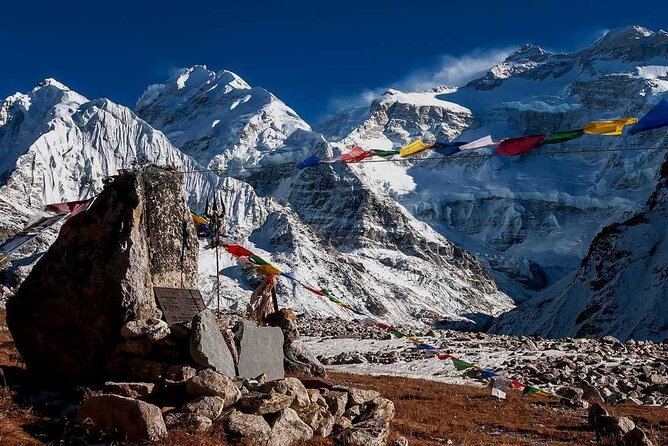
- Two base camp experiences: North Base Camp at Pangpema (around 5,140 m) and a South Base Camp day trip from Cheram (around 3,870 m).
- Altitude management built in: acclimatization stops in Ghunsa (about 3,475 m) and Kangbachen (about 4,050 m) before going higher.
- A high-pass approach: Sele Le is used as a key stop on the route involving passes including Sinion La, Mirgin La, and Sinelapche La.
- Tea-house rhythm: tea house accommodation for 19 days plus breakfast, lunch, and dinner included (19 lunches and 19 dinners; see the meals section).
- Professional guides and route flexibility: guides like Narayan and Dil are noted for being strong on the trail and adjusting plans when weather or health changes.
- Food options on request: vegetarian, vegan, and gluten-free choices are available if you request them.
Why the Kanchenjunga Circuit feels different than most treks
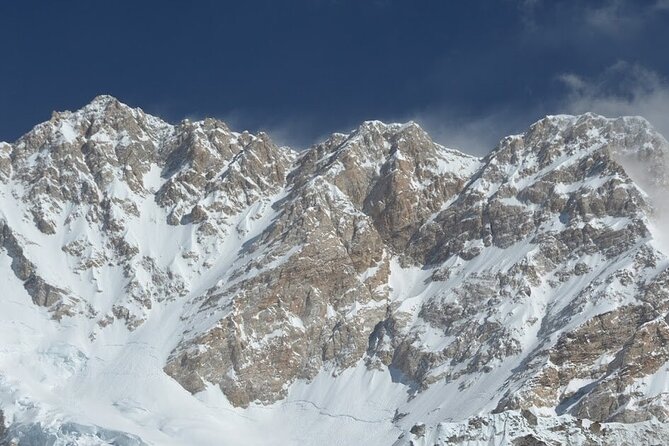
Kanchenjunga Circuit trekking sits in a special category: remote, serious, and a little unsentimental. The big reward isn’t just one peak photo. It’s the slow payoff of moving from village trails to high camps where the air gets thinner and the world gets quieter.
You’ll spend days in settlements like Chirwa, Lelep, Amjilosa, Ghunsa, and Kangbachen before you ever reach the North side. That means your trek doesn’t start at altitude and stress. It starts with roads, transfers, and gradual walking into the Conservation Area.
The itinerary is built around two different base-camp goals. You reach Pangpema (North Base Camp) first, then later return down through villages and head again toward the South Base Camp day trip from Cheram. That loop structure is part of why the trek feels complete.
You can also read our reviews of more tours and experiences in Kathmandu.
Getting there: Kathmandu to Bhadrapur, Ilam, and Taplejung
Your trip starts in Kathmandu with a listed meeting point at Tribhuvan Airport (start time shown as 10:15 am). From there, you take an afternoon 45-minute flight from Kathmandu to Bhadrapur, then a 5-hour drive to Ilam for an overnight.
The next transfer is long and real: Ilam to Taplejung is roughly 240 km (about 150 miles) and typically takes 9 to 12 hours, depending on road conditions. Expect the day to feel like travel day first, trekking prep second.
Why this matters: the Kanchenjunga region is not “close.” You’re paying for time, not just scenery. Those transfers set the tone for the trek: slow logistics, then long walking days.
Into the Conservation Area: Chirwa, Lelep, and Amjilosa set your pace
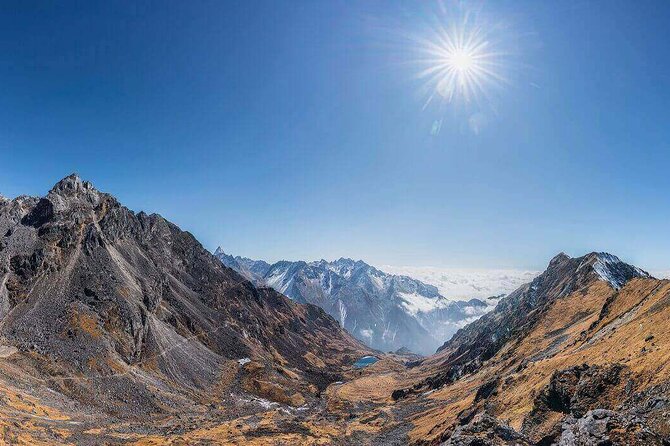
The early days are about settling into the rhythm of the route and letting your body accept altitude before the real push.
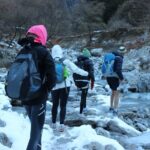
After reaching Taplejung, the circuit moves toward Chirwa, a small spot with tea houses and lodges for trekkers. Then you work deeper into the Kanchenjunga Conservation Area via Lelep, which serves as the headquarters area for the conservation effort. The Chirwa to Lelep section is about 20 km and typically takes 6 to 7 hours, which is a helpful scale for day one of trekking-country walking.
Next is Amjilosa at around 2,310 m (7,578 ft). The Lelep to Amjilosa route is listed as about 13 km and usually around 6 to 7 hours. By this point, you’ve left the main road travel behind and you’re moving on the kind of trails where your guide’s route knowledge actually matters.
A note on the “special”: these early villages aren’t the big base-camp drama, but they’re where you learn what the trek will feel like day after day—tea-house evenings, simple meals, and watching weather patterns shift from morning to afternoon.
Ghunsa and Kangbachen acclimatization: the part you cannot rush
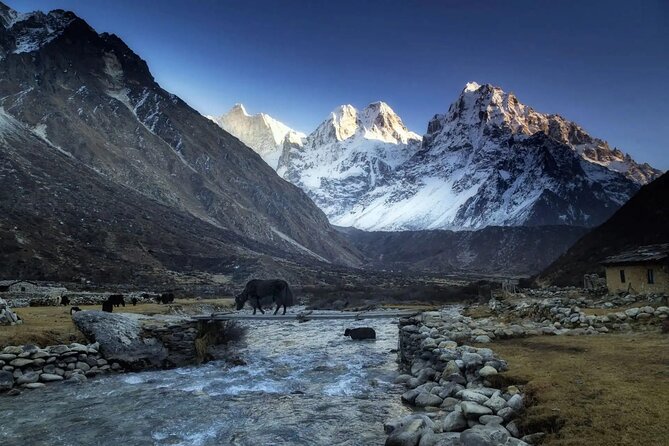
This trek’s best feature is also its hardest lesson: altitude requires patience. The route builds that patience for you with acclimatization days that you’d skip only if you enjoy misery.
First comes Ghunsa, at about 3,475 m. You’ll rest there and spend an acclimatization day, which is often a stop for trekkers on the way to or from Kanchenjunga Base Camps. This is a smart pause point because it gives your body a chance to adjust before you go higher.
Then you move to Kangbachen (Kambachen) at around 4,050 m. You spend another acclimatization night there too. Two consecutive altitude pauses like this are not “extra.” They’re the difference between pushing onward feeling okay and pushing onward feeling broken.
Practical takeaway: treat those days as walking-lite. Don’t plan big side hikes just because you feel fine. The point is to let the altitude climb, not to race it.
Pangpema North Base Camp at about 5,140 m: what the high day feels like
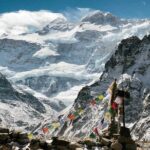
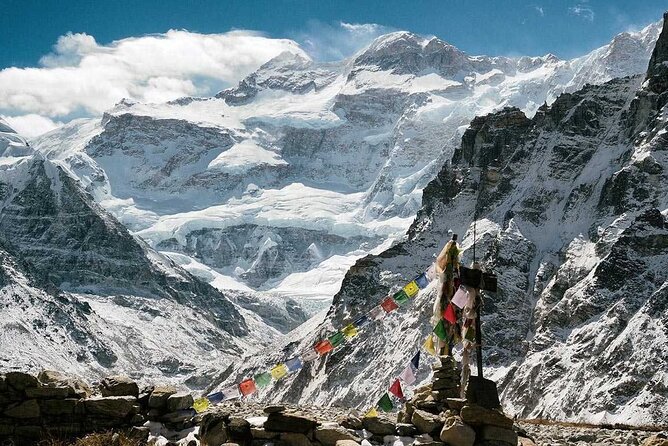
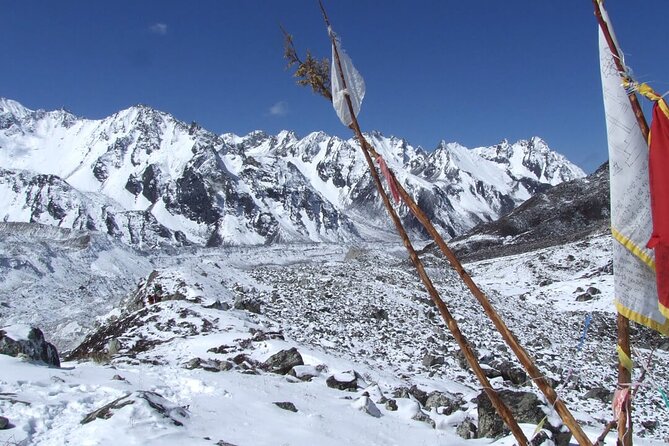
When you reach Pangpema, the Kanchenjunga North Base Camp, you’re going into a true high-altitude zone. The listed altitude is about 5,140 m (16,863 ft), and you’re aimed at views of the north face of Mount Kanchenjunga (about 8,586 m).
Before that big moment, you pass through Lhonak, which is used as a stopover en route to the base camps. Lhonak is described as offering views of glaciers and barren high terrain—exactly the kind of place where the trek shifts from green valleys to stark, dramatic air.
The day at Pangpema is short on comfort and long on impact. Tea-house trekking at lower elevations is already simple; at these heights, you’ll feel the change immediately: colder air, slower pace, more focus on breathing and steady effort.
One more thing I like about this structure: you don’t just go up and disappear. After the North Base Camp day, the itinerary includes descent back toward Ghunsa, which means you’re not lingering forever at the edge.
Sele Le and the South Base Camp day trip from Cheram
After descending from the North side, the route angles again toward the Sele Le high campsite. Sele Le is described as a stopover tied to the passes route—Sinion La, Mirgin La, and Sinelapche La are named in the plan—so it’s basically a staging point for the southward push.
Next comes Cheram, around 3,870 m (12,697 ft). The Sele Le to Cheram segment is listed as about 10 km and typically 7 to 8 hours. That’s a solid long day, but it positions you well for the South Base Camp goal.
Day 16 includes a day trip to the Kanchenjunga South Base Camp, then an overnight in Cheram. A day trip format is important for your planning mindset. It means you can focus on one high effort, then recover in the same base village zone afterward.
Why this is valuable: if you’re chasing both North and South base-camp experiences, a planned day trip can be safer than adding an extra night at South Base Camp altitude—especially in a trek where weather and conditions can shift quickly.
Torongding and Yamphudin: the quieter trekking days that still matter
Once you finish the South Base Camp day, the circuit continues through lower valleys, and this is where the trek turns from “maximum altitude effort” back into “long-distance travel on foot.”
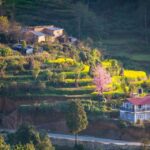
You’ll pass Torongding, described as a small village along a route descending through lush forests, rivers, and settlements. You then move to Yamphudin, which is described as a culturally mixed place with residents from groups including Limbu, Sherpa, Rai, and Gurung.
Those village details matter because the Kanchenjunga trek is not a faceless hike. You’re walking through real communities where people live with the seasons, the trails, and the trade-offs of living near big mountains. Even if your main goal is base camps, these days remind you that the trek is part of a living area—not a staged attraction.
Ending the loop: toward Fikal/Fickle and the return flight to Kathmandu
As you approach the finish, the itinerary includes Fikal, described as a small settlement in the Kanchenjunga region. The plan states you can drive from Yamphudin to Fickle (the naming here is inconsistent, but the intent is clear: you move by vehicle to reach the end-of-trek route).
On day 20 you travel from Fikkle to Bhadrapur by drive for about 2 hours, then take an afternoon flight back to Kathmandu. Your tour ends with a final drop at Tribhuvan International Airport.
This return day is one of those sneaky moments: you’ll feel tired, then suddenly aware you’re back in flights and roads. It’s a good time to reflect on how different your days felt when you were sleeping at tea houses in the mountains.
Tea houses, meals, and the part of trekking you should budget
This tour uses tea house accommodation for 19 days. That usually means simple rooms, shared areas, and meals you can order or choose from in the lodge where you stay.
Food is partially covered:
- Breakfast is listed for 20 days
- Lunch is listed for 19 days
- Dinner is listed for 19 days
What’s not included is important: all hot and cold drinks on the trek are not included. That includes the kind of drinks that become psychologically important at altitude and in cold wind. If you like tea, cocoa, soda, or anything served for purchase, plan on paying for it separately.
Vegetarian, vegan, and gluten-free food are available on request. That’s a real comfort feature on long remote trips, as long as you communicate needs clearly early enough.
Private trek logistics: guide time, permits, and pacing for your group
This is a private tour/activity, so you’re not sharing the experience with random strangers from the other side of the world. That matters on a demanding route like this, because it lets the plan match your group’s pace.
You get a guide for 19 days, and the trek includes all required permits. On a remote conservation-area trek, permits and route approvals are not optional paperwork. They also influence how smoothly your days run.
Based on guide feedback in the available notes, the guides have a reputation for professionalism and strong trail handling. Narayan is named as exceptionally proficient about the trail, and Dil is described as experienced and able to adjust the plan depending on weather and health conditions of participants.
That last part is worth emphasizing: on a route where you’re aiming for high points, flexibility can be the difference between meeting your goal and being stuck. You want a guide who’s calm when the mountain writes a new script.
Price and value: what $2,560 buys on a remote Kanchenjunga circuit
At $2,560, you’re paying for more than a route map. You’re paying for the whole scaffolding that makes a remote circuit possible: the flight from Kathmandu to Bhadrapur, long overland transfers, a 19-day guide, trekking permits, and tea-house accommodation plus meals for most days.
Let’s translate what’s included into something practical:
- You’re not sourcing permits on your own
- You’re not arranging daily logistics in a place with fewer services
- You’re covered for lodging in the mountains for 19 days
- You’re covered for most core meals (breakfast daily; lunch and dinner for 19 days)
The main cost pressures you’ll still own are drinks, plus any personal gear and spending you choose to do along the way. Also, since this trek is physically demanding and remote, your best value comes when you show up ready—meaning training and realistic altitude pacing. It’s the kind of trek where being fit isn’t just a preference; it affects your experience directly.
Who should do this trek (and who should reconsider)
This trek is for people with strong physical fitness and a willingness to handle long walking days plus high altitude. If you’re comfortable with altitude acclimatization and you can stick to a steady effort, you’ll likely appreciate how the itinerary is paced.
It’s also well suited for groups that want privacy and guidance without the stress of organizing permits. The tour notes mention the availability of vegetarian, vegan, and gluten-free options on request, which can help if your dietary needs are specific.
If you’re the type who gets impatient with travel days, this might test you. The long vehicle segments (like Ilam to Taplejung at 9 to 12 hours) are part of the deal here.
Service animals are allowed, based on the tour info, which is worth noting if that applies to you.
Should you book the 20 Days Private Kanchenjunga Circuit Trek with Magical Nepal?
If your goal is a serious Kanchenjunga circuit with both North Base Camp (Pangpema) and a South Base Camp day trip, this is the kind of itinerary that fits. The inclusion of permits, a 19-day guide, and most meals plus tea-house lodging adds up, especially for a remote region where DIY logistics can get messy fast.
I’d book if:
- you’re aiming for a 20-day plan rather than a shorter taste
- you want an itinerary that takes altitude seriously with acclimatization days
- you value guide support that can adapt to changing weather or health needs
I’d rethink if:
- you’re not ready for the demands of high passes and long days
- you’re trying to keep costs ultra-low, since drinks are not included and the trek is remote
- you dislike long ground travel segments before you even start the higher walking days
FAQ
Where does the trek start and end?
The meeting point is at Tribhuvan Airport in Kathmandu, Nepal, and the tour ends with a drop at Tribhuvan International Airport.
What time does the tour start?
The start time is listed as 10:15 am.
How long is the trek?
It’s listed as 20 days approximately, and the trek is described as a 20–25 day adventure.
Is this tour private?
Yes. It’s a private tour/activity, and only your group participates.
Does the price include accommodation and meals?
Tea house accommodation is included for 19 days in the mountain. Breakfast is included for 20 days, and lunch and dinner are included for 19 days.
Are drinks included on the trek?
No. All hot and cold drinks on the trek are not included.
Are vegetarian or special diets possible?
Vegetarian, vegan, and gluten-free food is available on request.
Is a guide included, and for how many days?
Yes. A guide is included for 19 days.
Is pickup offered?
Pickup is listed as offered, though the meeting point is shown as Tribhuvan Airport. Confirm how pickup connects with the airport meeting.
What is the cancellation window for a full refund?
Free cancellation is available up to 24 hours in advance for a full refund.