REVIEW · KATHMANDU
Everest Basecamp Trek: 14 days
Book on Viator →Operated by Iconic Holiday Nepal · Bookable on Viator
If you like big goals, this one delivers. An Everest Base Camp trek turns the Khumbu region into a real place, not a postcard, with Sherpa villages along the way and a final push to world-famous viewpoints. I like that the trip is structured around smart stops for altitude and day-to-day hiking rhythm. I also like that you get real logistics support, including round-trip flights to Lukla, permits, and trained guide help from the start.
Two more things I’m a fan of: the pacing includes an explicit rest day in Namche Bazaar plus another acclimatization-focused day, and the trek uses guesthouse nights with porters (1 for every 2 clients). That takes a lot of stress out of the physical workload so you can focus on walking and taking breaks at the right times. One possible drawback: the Lukla flight is scheduled early and can shift depending on flight status, and Lukla’s airport is considered risky because of the terrain.
In This Review
- Key points before you go
- Kathmandu to Thamel: your first real day in Nepal
- The Kathmandu to Lukla flight plan, and the one thing to respect
- Phakding to Namche Bazaar: suspension bridges and the altitude ramp-up
- Namche acclimatization days: why you don’t skip them
- Tengboche and the Gompa: Sherpa culture isn’t an add-on
- Dingboche to Dughla to Gorak Shep: the Everest corridor begins
- Kala Patthar before sunrise: the viewpoint hike that defines the trek
- The return: descending to Namche and crossing Dudh Koshi again
- Fly back to Kathmandu, then one last day to reset
- Price and logistics: does $1,650 feel worth it?
- Fitness expectations and what the porter system changes
- Who should book this trek (and who should pause)
- Should you book Everest Basecamp Trek with Iconic Holiday Nepal?
- FAQ
- What’s the total duration of the Everest Base Camp trek?
- Are flights included, and how do you get to Lukla?
- How many nights will I spend trekking in guesthouses?
- Does the itinerary include acclimatization days in Namche Bazaar?
- What meals are included, and what should I plan to pay for?
- Do I need travel insurance for high-altitude evacuation?
Key points before you go
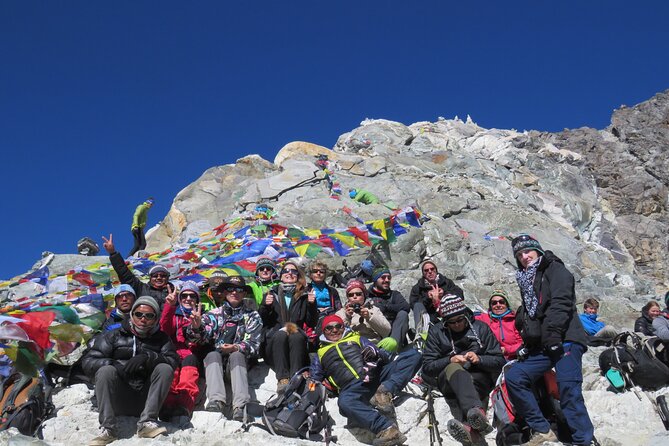
- Kathmandu pickup plus Thamel base: you’re met at Tribhuvan International Airport and transferred to central Kathmandu for a practical start.
- Lukla flights are included: round-trip airfare between Kathmandu and Lukla is part of the package, and timing is tight.
- Acclimatization is built in: rest in Namche Bazaar, a hike to Syangboch, and a separate day tied to first acclimatization.
- Tengboche monastery time: an early visit to Tengboche Gompa adds culture to the altitude game.
- Base Camp and Kala Patthar are both on the route: you reach Everest Base Camp and also climb for the famous panoramic viewpoint.
- Meals and bottled-water gap: breakfast is included each day on trek, but Kathmandu lunch/dinner and beverages (including water) are not.
Kathmandu to Thamel: your first real day in Nepal
Your trip begins with a meet-and-transfer in Kathmandu. On arrival at Tribhuvan International Airport, a team member holds a sign card showing your name and the company name, then you’re transported onward to Thamel, the central tourist hub.
Thamel is handy for a first taste of Nepal: lots of restaurants, travel agencies, hotels, and late-night options. You also get time for last-minute shopping, which matters because once you’re in the trek circuit, you can’t exactly run out for supplies.
You’ll stay in a tourist-standard hotel for 2 nights in Kathmandu, with breakfast included. That’s a good buffer before you jump into early flights and steep days.
You can also read our reviews of more tours and experiences in Kathmandu.



The Kathmandu to Lukla flight plan, and the one thing to respect
On day 2, you fly to Lukla early in the morning. The itinerary notes that whether the flight departs from Kathmandu or Manthali depends on flight status, which is a reminder to stay flexible.
Lukla is described as one of the busiest airports during trekking season. It’s also considered one of the most dangerous airports because of the surrounding terrain. You can’t control that part, but you can control your attitude: arrive early, follow the guide’s instructions, and don’t treat the flight like a casual hop.
This is included as round-trip airfare between Kathmandu and Lukla, so you won’t have to coordinate flight purchases yourself. Just remember that travel days here can feel slightly unpredictable because the flight schedule may vary.
Phakding to Namche Bazaar: suspension bridges and the altitude ramp-up
After landing in Lukla, the trek officially starts with a walk toward the Namche area. The route from Phakding to Namche Bazaar is described as a bit tough at first, with uphill walking, suspension bridges, and views through settlement areas.
This section is where you feel the Khumbu rhythm: enough physical effort to get going, but also frequent chances to pause and look around. The suspension bridges aren’t just scenic props. They also help break the day into bite-size segments so you don’t burn energy too quickly.
You’ll reach Namche Bazaar, a major hub in the Khumbu region with modern hotels, restaurants, and tea houses. The big win here is time. You’re given 2 days in Namche Bazaar, and that’s not wasted time. It’s there so you can adapt to altitude and start the trek with better odds of feeling okay.
Namche acclimatization days: why you don’t skip them
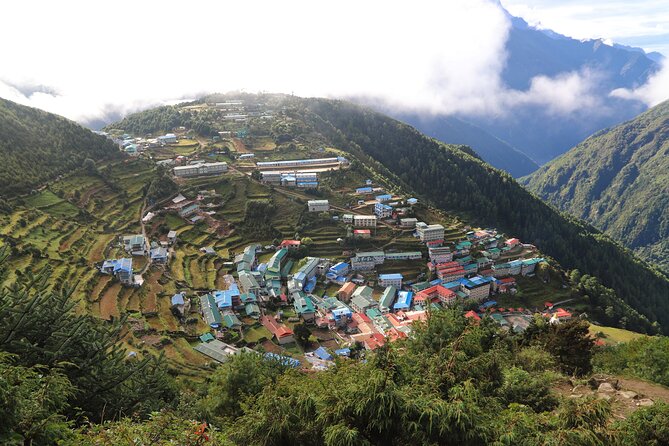
Day 4 is a dedicated rest day in Namche Bazaar. The itinerary calls out that after gaining altitude over the previous two days, acclimatization is crucial for safety and altitude sickness prevention. This isn’t optional sightseeing time. It’s part of how the trip tries to keep you functioning for the higher days.
Early in the morning, you go on a hike toward Syangboch, then return to Namche. That kind of “walk a bit, come back down” pattern is one reason this trek feels more forgiving than routes that rush upward every day.
Then there’s another acclimatization-focused pause later: after your first acclimatization at Namche, you get a rest day tied to Nangkartshang Peak on day 7. The tone here is consistent: the trip wants you to get your body used to altitude in staged steps.
Tengboche and the Gompa: Sherpa culture isn’t an add-on
By day 5, you’re hiking toward Tengboche. The trail ascends through a route that starts with a descent into the Dudh Kosi Valley, reaches Phungi Thanka, then keeps climbing past Imja Khola. It’s a day that builds both elevation and atmosphere.
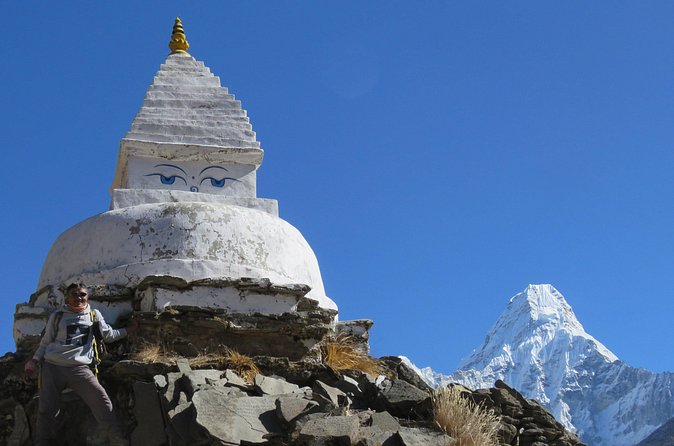
On day 6, you get up early and explore Tengboche Gompa in the morning. That matters because the trek isn’t only about reaching a summit point. You’re also stepping into the religious and community heart of the region.
After breakfast, the route moves on by descending to the Imja River, then trekking past Pangboche village. Prayer flags are specifically mentioned, which is one of those small details that makes the area feel alive instead of empty.
This stretch is also useful training. You’re getting accustomed to changing trails and village-to-village walking before the route narrows toward the Everest approach days.




Dingboche to Dughla to Gorak Shep: the Everest corridor begins
Day 8 pushes you closer. Leaving Dingboche, the walk is described as gentle via bare fields, then gradually steeper as you hike to Dughla along a glacial route.
Bare fields don’t sound like much, but they’re exactly what the approach feels like as you near higher terrain. It’s a visual shift: fewer trees, more open ground, and a sense that you’re moving into a harsher, more exposed zone.
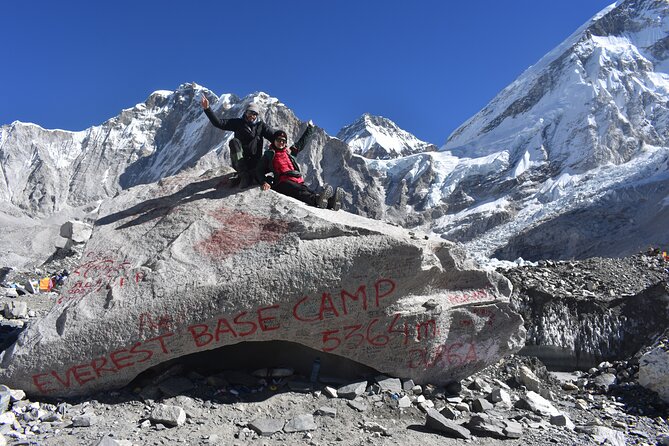
Day 9 is the day you finally connect with Everest Base Camp. The trek goes from Lobuche, with a steep ascent along the Khumbu glacier, then you reach Gorak Shep. The route notes that Gorak Shep used to be the base camp of Mount Everest back in the day, which helps make the place feel historically grounded rather than just a checkbox stop.
From there, you reach Everest Base Camp. This is the day most people dream about, and it’s built into the itinerary with enough structure to make it feel earned instead of rushed.
Kala Patthar before sunrise: the viewpoint hike that defines the trek
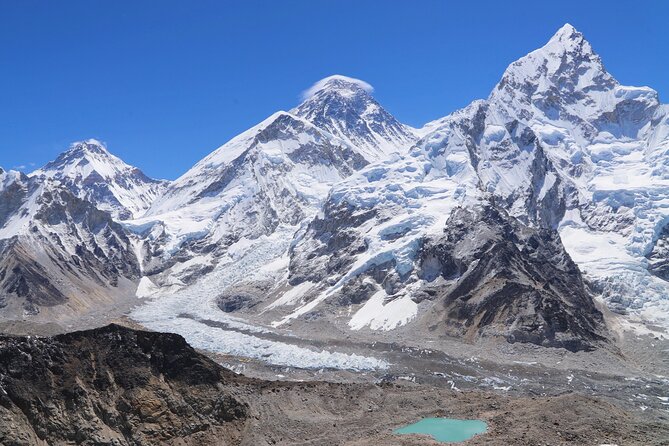
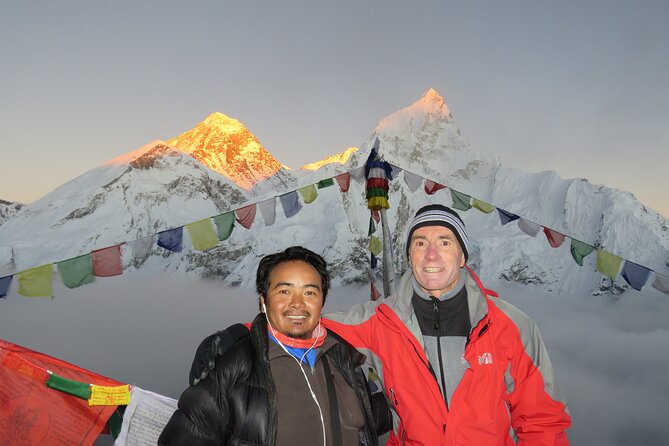
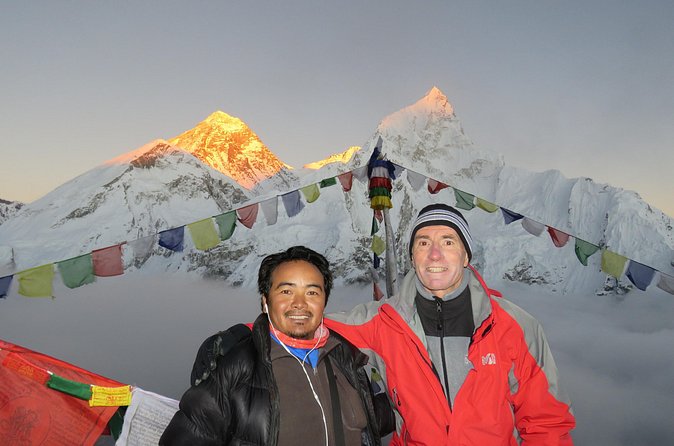
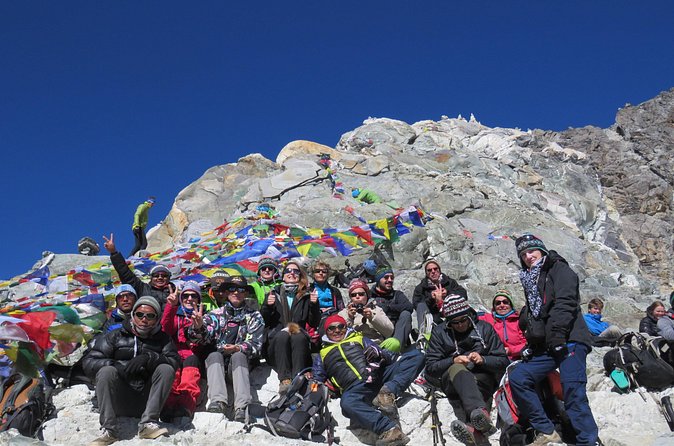
If Everest Base Camp is the goal, Kala Patthar is the moment that often explains why people keep coming back. Day 10 has you hiking to Kala Patthar before sunrise for the nearest views of Mount Everest.
Kala Patthar is described as a famous vantage point above Gorak Shep. The itinerary frames it as a mountain panorama moment, and it’s scheduled right after Base Camp day, when you still have momentum and you know what the area feels like.
One practical thing: you’re doing this as an early push, so keep the rest of your time that day calm and focused. When the schedule asks for an early start, your job is to show up ready.
The return: descending to Namche and crossing Dudh Koshi again
Days 11 and 12 shift gears from “go higher” to “go steady on the way down.” On day 11, you move down to Namche after breakfast, returning along the trail you used earlier. You pass back through Pangboche and Tengboche areas, then cross a suspension bridge and enter Namche’s zone again.
Downhills are where your legs do most of their complaining. The good news is the itinerary has you spread the descent over multiple days, with a lot of “walk, pause, recover” village passing rather than one giant slog.
Day 12 starts with a steep descent, then joins a densely forested path through small settlements. You cross the Dudh Koshi River multiple times on suspension bridges, which makes the day feel active rather than monotonous. It also means you get more chances to reset your pace and take breaks.
By the end of day 12, you’re set up for the final travel day back toward Kathmandu.
Fly back to Kathmandu, then one last day to reset
On day 13, you fly back to Kathmandu. The itinerary mentions the flight is phenomenal with aerial views, and once you land, the team drops you at the hotel. That’s a relief after days of focused trekking, because you can finally stop planning your next step every few minutes.
Day 14 is simply your departure for the next destination, with a representative dropping you at the airport based on your departure time.
Price and logistics: does $1,650 feel worth it?
At $1,650 per person for an approx. 14-day Everest Base Camp trek, this package is priced like a trip that already solved a lot of the hard logistics for you. Here’s what that means in plain terms.
What’s included (and why it matters):
- Permits: you don’t have to sort out permit paperwork alone.
- Round-trip airfare Kathmandu–Lukla: a big line-item on Everest-style routes.
- 2 Kathmandu hotel nights with breakfast.
- 11 nights in guesthouses during the trek, with breakfast daily on the trek (breakfast is listed as 14, which includes more than just the trek days).
- Lunch (11) and dinner (11) while trekking.
- English-speaking trekking guide who’s government licensed and first-aid trained.
- Porters carrying luggage: 1 porter for every 2 clients.
- Airport transfers on a tourist vehicle, plus private transportation.
What’s not included (watch the budget here):
- Meals in Kathmandu beyond what’s listed (lunch/dinner in Kathmandu are not included).
- International flights and airport departure tax.
- Beverages, including bottled and boiled water.
- Travel insurance with high-altitude emergency evacuation coverage.
- Tips for trekking staff and the driver.
For value, the key line is that you’re not just buying a route. You’re paying for the structure: flights, permits, guide, porter coverage, and a built-in pacing plan. If you’ve ever planned an Everest-style trek yourself, you know how quickly time and uncertainty eat your budget.
So yes, it can feel fair—especially if you’d otherwise have to hire guide/porter/permits and also figure out the Kathmandu–Lukla flights. The main cost-risk here is on your side: water and beverages, Kathmandu meals, tips, and insurance.
Fitness expectations and what the porter system changes
The experience calls for moderate physical fitness. That sounds broad, and Everest trek reality is that moderate still means you’ll be hiking uphill, often for hours, at altitude. The flip side is that this itinerary includes pacing breaks, rest days, and a guide who’s trained and licensed.
Porters are a big deal. Since porters carry luggage at a 1 porter for every 2 clients ratio, your pack load should be more manageable than on unsupported treks. You’ll still need to carry your personal items, but the “heavy stuff” is handled.
One more practical note: beverages aren’t included, and even bottled/boiled water is specifically excluded. Plan to budget for water and hydration your way, and don’t wait until you’re thirsty on a cold or high day.
Who should book this trek (and who should pause)
This trek fits you well if you want a guided Everest Base Camp itinerary with permits and flights handled, plus a clear acclimatization plan with Namche rest time. It’s also a strong match if you like having trained support and a porter system rather than “figure everything out” independence.
You might want to pause if you’re highly averse to flight uncertainty, because the Lukla airport is described as dangerous due to the terrain and the itinerary notes that flight departure location can vary based on flight status. You can’t remove that risk entirely, but you can go in with your eyes open.
Should you book Everest Basecamp Trek with Iconic Holiday Nepal?
If you want Everest Base Camp with less scramble and more structure, this one makes sense. The itinerary builds in acclimatization time, includes key cultural stopovers like Tengboche Gompa, and schedules both Everest Base Camp and Kala Patthar for the peak “I did it” payoff.
I’d book it if:
- you want luggage support (1 porter per 2 clients),
- you prefer a licensed, first-aid trained English-speaking guide,
- and you’re comfortable spending your effort on the trail, not on logistics.
I’d hesitate if:
- you know you struggle with the idea of early mountain flights and potential schedule changes tied to flight status,
- or you want meals and beverages fully included (this package leaves water and Kathmandu meals on you).
FAQ
What’s the total duration of the Everest Base Camp trek?
The tour runs for about 14 days.
Are flights included, and how do you get to Lukla?
Yes. The package includes round-trip airfare between Kathmandu and Lukla. Flights are scheduled early, and the itinerary notes that departure may be from Kathmandu or Manthali depending on flight status.
How many nights will I spend trekking in guesthouses?
You’ll have 11 nights in twin-sharing guesthouse accommodation in the Everest region during the trek.
Does the itinerary include acclimatization days in Namche Bazaar?
Yes. You get 2 days in Namche Bazaar, including a rest day with an early hike to Syangboch. There is also another rest-day component tied to Nangkartshang Peak later in the itinerary.
What meals are included, and what should I plan to pay for?
During the trek, you get lunch (11), breakfast (14), and dinner (11). In Kathmandu, lunch and dinner are not included. Also, beverages including bottled and boiled water are not included.
Do I need travel insurance for high-altitude evacuation?
Travel insurance is not included. The trip specifically lists travel insurance with high-altitude emergency evacuation coverage as not included, so you should arrange it on your own.