REVIEW · FEZ
3 Days: Desert Tour from Fes to Marrakech – Nomad Camp & Camel Trek
Book on Viator →Operated by Morocco Getaways · Bookable on Viator
Camel nights and kasbah roads in three days. This 3-day trip carries you from Fez toward the Sahara’s golden dunes near Merzouga, then on through towering gorges and UNESCO kasbahs, ending back in Marrakech. You’ll ride camels alongside Berber camel handlers and sleep in nomad-style tents under a sky full of stars.
Two things I like a lot are how the route squeezes in serious variety and how the people running the tour tend to make it stick. You move from cedar forests and apple country to oasis-filled valleys, then to red-rock canyons and kasbah roads. And you’ll likely get real cultural context from guides such as Ahmad/Ahmed, Aziz, or Mouad, who are known for sharing what you’re seeing and answering questions without rushing you.
One consideration: this is a fast-moving, long-days type of trip. Between driving, mountain passes, and early starts for sunrise in the desert area, you’ll want comfortable shoes and patience for lots of time in the vehicle. Also, monument/Studio entrance fees and drinks/snacks aren’t included, so budget a bit extra once you’re there.
In This Review
- Key highlights worth planning around
- Why this Fez to Marrakech desert route feels worth the rush
- Day 1: From Middle Atlas passes to the first Sahara signs near Merzouga
- The dunes near Erfoud and Merzouga: when the desert starts to feel real
- Erg Chebbi camel trek and the nomad camp night under stars
- Day 2: Leaving the dunes behind for Rissani and Todra Gorge
- The value of the morning timing (and why sunrise matters)
- Day 3: Valley of a Thousand Kasbahs, rose stops, and Aït Benhaddou UNESCO
- Argan and High Atlas turns: how you get to Marrakech without feeling lost
- Price and value: what $469.82 buys you, and what costs extra
- Comfort, timing, and group setup you should expect
- Who this tour suits best (and who should look elsewhere)
- Should you book this 3-day Fez to Marrakech desert trek?
- FAQ
- How long is the desert tour from Fez to Marrakech?
- Is pickup included?
- What’s included in the tour price of $469.82 per person?
- What isn’t included?
- How soon will I get confirmation after booking?
- Can I get a refund if I cancel?
Key highlights worth planning around
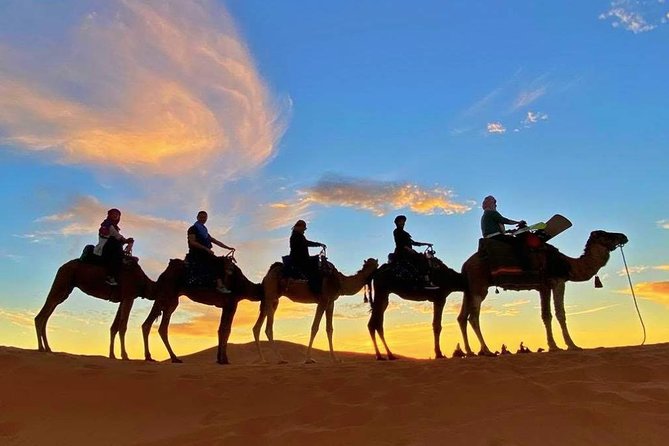
- Erg Chebbi camel trek plus nomad camp night in starlit tents among golden dunes
- Ziz Valley panoramic views with oases, palm clusters, and fortified ksars
- Todra Gorge walking time in a red limestone canyon shaped by the river
- Monkey Fingers rock formations for an odd, memorable stop
- Aït Benhaddou UNESCO kasbah plus optional movie-studio context in Ouarzazate
- High Atlas crossing via Tizi n’Tichka for big mountain views on the way to Marrakech
Why this Fez to Marrakech desert route feels worth the rush
If you’re short on time but want Morocco to feel like Morocco, this type of route is smart. You’re not just checking off one place. You’re stitching together cedar-covered mountains, oasis valleys, desert dunes, and old kasbah architecture in one continuous journey.
What makes it work for many people is that it’s paced for big moments, not just road time. You get a proper look at places like the Ziz Valley (with its ksars and palm clusters), then you hit the iconic Saharan section around Merzouga, where the dunes actually become the focus. After that, the trip shifts gears again—red-rock canyons and UNESCO heritage—before delivering you into the noise of Marrakech.
You should also know what kind of traveler this fits. It’s great if you like day-trip energy and don’t mind sitting in a vehicle to gain ground. If you’re the type who wants a slow, staying-put vacation, you might feel tired by the pace.
You can also read our reviews of more tours and experiences in Fez.
Day 1: From Middle Atlas passes to the first Sahara signs near Merzouga
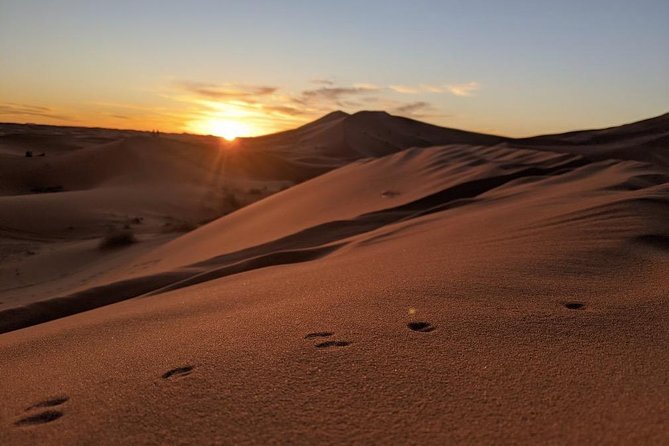
Day 1 has a “curves and altitude” feel. You start south over the Col du Zad and work your way through the Middle Atlas with cedar forests. This matters because it changes what you expect to see: you’re not heading straight into sand. You get a real transition—forests, roadside monkeys, then orchards and valleys.
A good moment here is the stretch around Midelt, often called the apple city. You’ll also see the Moulouya River and apple orchards, which gives the trip a grounded, everyday Morocco stop before the scenery turns desert-like. Then you cross another high pass, the Tizi n’Talremt, and start noticing how the terrain dries out and how oases begin to appear.
As you reach Ziz Valley, the trip leans into classic desert-edge Morocco: palm groves, fortified houses (ksars) built to protect valuable goods, and long views that help you understand why caravans mattered. The trip descriptions call out ksars tied to gold, salt, and spices, which is a useful lens—you’ll be looking at buildings with purpose, not just shapes.
The dunes near Erfoud and Merzouga: when the desert starts to feel real
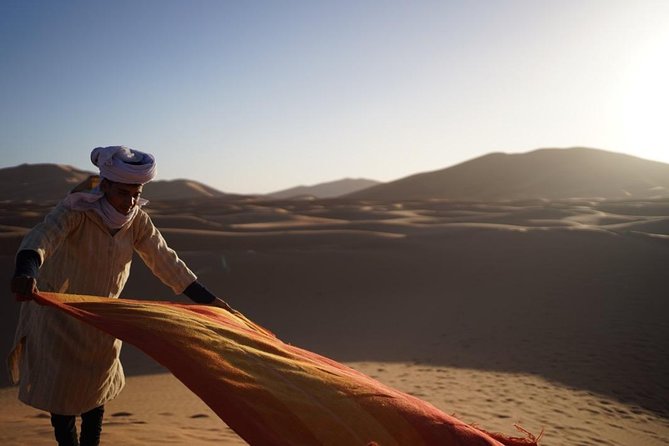
As you get closer to Erfoud, you begin seeing early signs of the dunes. That sounds small, but it’s the psychological shift. The Sahara stops being an idea and starts being a setting. Even if you haven’t reached full desert yet, the scenery cues tell your brain to prepare for a different rhythm—quiet, distance, and that open feeling you only get in sand country.
Why I like this staging: it avoids the shock of going from city pace to pure desert in one jump. By the time you reach Merzouga, you’ve already had time to notice how the valleys and oases line up with the approach to the dunes.
Erg Chebbi camel trek and the nomad camp night under stars
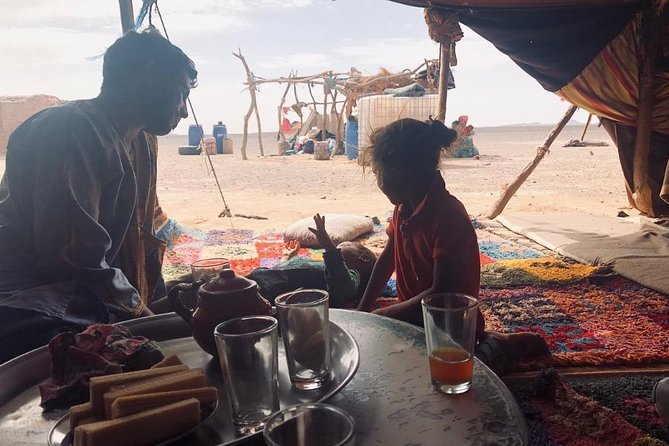
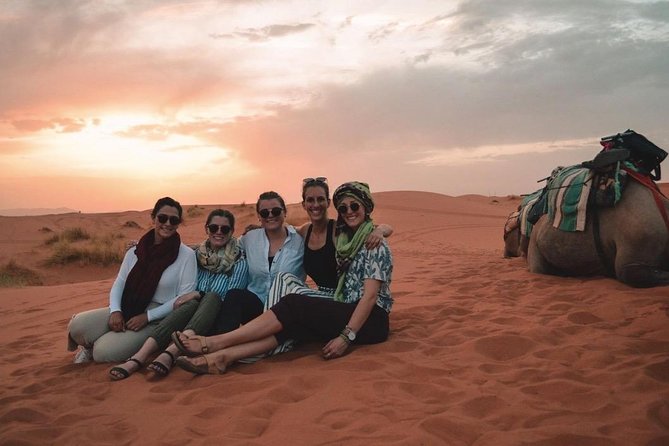
This is the heart of the experience. The trip includes a camel trek with an overnight at a nomad desert bivouac. And it’s not just “sleep somewhere out there.” The description emphasizes starlit tents placed among the dunes, plus you ride alongside Berber camel handlers.
What that night gives you is scale and contrast. During the day, you’re surrounded by villages, valleys, and architecture. At night, you’re in a quiet pocket where the dunes turn into silhouettes and the sky becomes the main event. That starlit element is a big reason this kind of trip is so popular, because it’s the one moment that doesn’t feel like touring.
One practical note: you’ll likely want to pack for temperature swings because you’re moving from mountains to desert conditions. The route includes multiple high passes (Col du Zad and passes like Tizi n’Talremt), so you can expect cooler air at elevation during driving, and you might feel a drop once the sun goes down.
Also, this is a camel trek: you don’t need to be an athlete, but your body should be ready for riding on uneven ground and spending time in the desert outside normal routines. If you’re sensitive to discomfort, plan your mindset as a short adventure, not a spa vacation.
Day 2: Leaving the dunes behind for Rissani and Todra Gorge
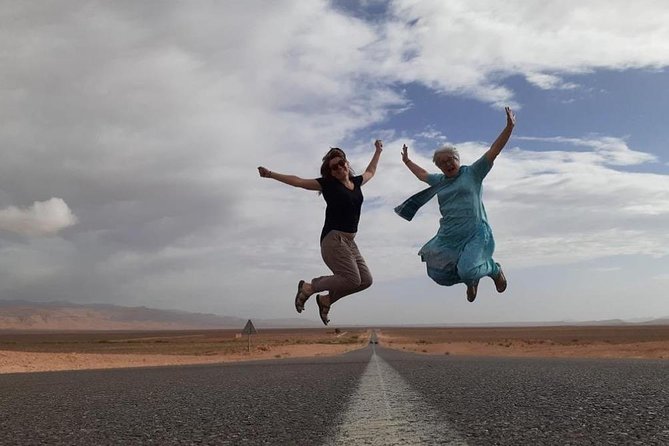
After the desert night, the next day is about colors and rock. The trip includes time near Rissani, a market town known for a livestock auction. You’ll enter through its gate, then continue toward Tinerhir and the Todra Gorge.
This day works because it gives you a change from sand to stone. In Todra Gorge, the river has cut a canyon through red limestone, with cliffs that rise roughly 300 meters (984 feet). You get a leisurely walk in and around the gorge and time to relax by shallow waters. That combination—walk plus rest—is what keeps the day from feeling like a photo sprint.
There’s also a stop tied to a strange natural feature: the Monkey Fingers rock formations. That kind of stop is exactly why I like guided desert trips. Left to your own planning, you might miss the odd, specific things that make the region feel strange in a good way.
The value of the morning timing (and why sunrise matters)
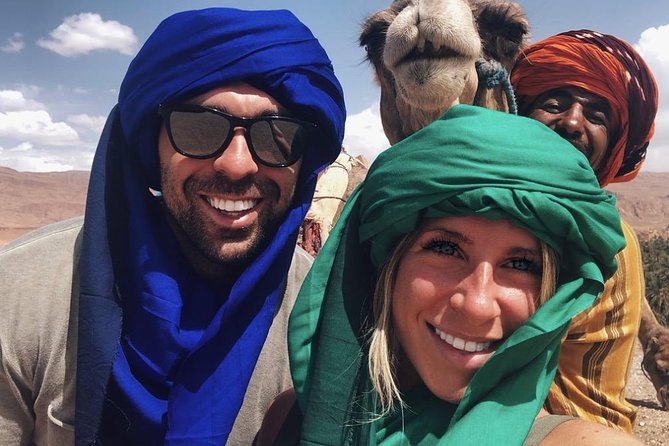
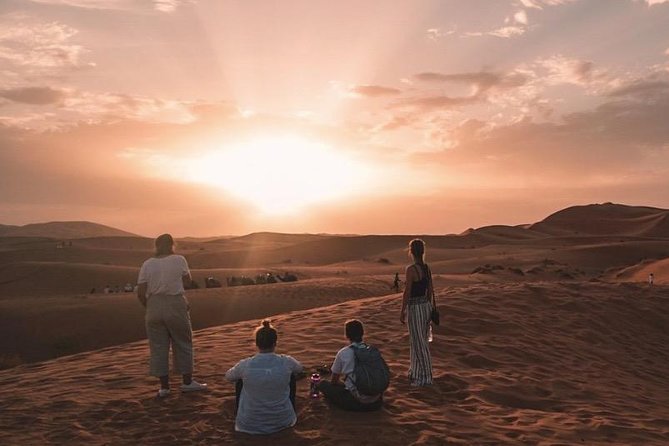
The trip description points to waking early to catch a desert sunrise. Whether you’re a sunrise person or not, this is one of those moments that makes the desert feel earned. Morning light shifts dunes fast, and you’ll see different textures across the sand.
The trade-off is obvious: early start fatigue. If you hate waking up before you feel human, this is your drawback day. If you can handle an early morning, the reward is strong.
Day 3: Valley of a Thousand Kasbahs, rose stops, and Aït Benhaddou UNESCO
Day 3 is all about old Morocco. You travel along the Valley of a Thousand Kasbahs, then stop at Aït Benhaddou, a UNESCO World Heritage site. It’s famous for a reason: an old ksar that dates back to the 11th century, with layers of architecture that look like they grew out of the earth.
Before you reach that main site, the trip includes a stop in Kela’a M’Gouna to admire rose bushes and visit a rose cooperative. The idea here is practical and local: you see how rose petals get processed into rose water and oil. Even if you don’t buy anything, it helps connect the landscape of farmland to what people actually do for a living.
There’s also a stop around Ouarzazate for film connections, including movies such as Lawrence of Arabia, Gladiator, and Black Hawk Down. If you do the studio tour and visit the Musée du Cinema, you’ll understand why this region keeps landing in films—it offers wide open scenery and historic-looking sets in one place.
Argan and High Atlas turns: how you get to Marrakech without feeling lost
After Aït Benhaddou, the trip climbs over the High Atlas Mountains via Tizi n’Tichka. It’s one of the big “moving from desert to city” transitions. The views can be dramatic, and near the top you’re described as spotting Mount Toubkal (the highest peak at about 4,167 meters / 13,671 feet). That’s the kind of reference point that makes a mountain pass feel bigger than just a road.
You’ll also stop in Taddert for an Argan Oil Cooperative, where you can learn and sample how olives are processed for different uses. Even if you’ve seen argan talk before, this kind of stop is useful on a desert-to-city day because it breaks up the long drive with a tangible, local activity.
Then you descend, and the trip ends in Marrakech, where the climate and energy shift quickly. You go from open space to crowds, from quiet horizons to traffic noise. That contrast is part of why this route feels like a complete storyline.
Price and value: what $469.82 buys you, and what costs extra
At $469.82 per person, you’re paying for a lot more than a bus ride. You’re paying for transportation that strings together multiple regions, a camel trek, and an overnight desert camp experience—plus guided stops that include major sights like Todra Gorge and Aït Benhaddou.
What’s not included is important for budgeting:
- Entrance fees to monuments, studios, and kasbahs
- Flights to and from Morocco
- Personal travel insurance
- Extra drinks, snacks, and additional meals
So the value comes from the included “big pieces” (camel trek + desert night + key heritage stops), while the variable costs are things you can plan around once you know where you’ll be buying tickets.
A practical way to think about this: if you tried to DIY this route, you’d still pay for long driving, coordination, and likely a private desert camp setup. Here, those pieces are bundled. The price feels more reasonable if you factor in the camel trek logistics and the overnight.
Comfort, timing, and group setup you should expect
This is described as a private tour/activity where only your group participates, which can be a big deal if you dislike merging with strangers mid-journey. It also includes pickup offered, and you’ll have a mobile ticket.
Duration is about 3 days (2 nights). That’s enough time to feel the regions change, but it’s still tight. Plan for early starts and long seats. Comfortable travel day discipline helps: water, layers, and snacks that you can access quickly (especially because drinks and snacks are listed as extra).
One more timing detail to keep in mind: operating hours are listed as 7:00 AM to 11:30 PM, daily. That’s helpful if you’re trying to coordinate your arrival day in Fez or your departure out of Marrakech.
Who this tour suits best (and who should look elsewhere)
This trip is a strong match if you want:
- A true desert night with a camel trek and nomad-style camp
- Stops that cover Ziz Valley, Todra Gorge, and Aït Benhaddou
- Mountain driving that includes Tizi n’Tichka rather than skipping the High Atlas entirely
- Guided context from people like Ahmad, Aziz, or Mouad, who are noted for being friendly and informative
It may be less ideal if you:
- Hate early mornings (sunrise is part of the desert rhythm)
- Want lots of free time in each town
- Prefer to pay only for one fixed price and nothing else (entrance fees and meals/drinks can add up)
Should you book this 3-day Fez to Marrakech desert trek?
I’d book it if you want one trip that gives you desert magic, famous heritage, and mountain views without complex planning. The best reason to choose it is simple: you’re getting the desert experience (camel trek + nomad camp + starlit night) plus major sights like Aït Benhaddou in just three days.
I’d hesitate only if you’re not comfortable with a packed schedule or you know you’ll struggle with long driving days. If you do fine with that, you’ll likely come away feeling like you saw a lot of Morocco’s “main chapters” in a short time—sand, stone, and kasbahs all in one story.
FAQ
How long is the desert tour from Fez to Marrakech?
It’s about 3 days (approximately 2 nights), running on a Monday–Sunday schedule with operating hours from 7:00 AM to 11:30 PM.
Is pickup included?
Pickup is offered, and the tour is described as private, with only your group participating.
What’s included in the tour price of $469.82 per person?
The tour includes the desert experience with camel trek and an overnight in a nomad camp, plus guided stops such as Todra Gorge and Aït Benhaddou. Entrance fees, drinks/snacks, and meals beyond what’s included are not listed as included.
What isn’t included?
Not included are entrance fees to monuments, studios, and kasbahs; flights to and from Morocco; personal travel insurance; and extra drinks, snacks, and additional meals.
How soon will I get confirmation after booking?
Confirmation is received within 48 hours of booking, subject to availability.
Can I get a refund if I cancel?
You can cancel up to 6 days in advance for a full refund. If you cancel 2–6 days before, the refund is 50%. If you cancel less than 2 days before, there is no refund.