REVIEW · KATHMANDU
Langtang valley trek
Book on Viator →Operated by Outshine Adventure Pvt Ltd · Bookable on Viator
Langtang feels close to the Himalaya. I love how this trek blends forest walking with big, clear mountain moments, and how you get time at Kyangjin Gompa to see monastery life and yak country. One possible drawback: you’re at altitude for multiple days, so you’ll want real stamina and a willingness to feel tired.
What makes it easy to choose is the planning behind the scenes: a government-licensed English-speaking guide, porters for your luggage, and the paperwork you need like Langtang National Park permits and a TIMS card. I also like the responsiveness that Outshine Adventure shows through named organizers such as Gokul and Asmita, so you’re not stuck guessing about logistics.
The included gear is a real value too. You get a down jacket and sleeping bag from Outshine Adventure, which helps if you don’t want to rent equipment on your Nepal trip; just remember that drinks and alcohol are not included.
In This Review
- Key highlights people talk about for Langtang Valley treks
- A route that earns its altitude: why Langtang Valley hits different
- Kathmandu to Syabrubesi: your start matters more than you think
- Day 2 into Day 3: bamboo, rhododendron, and real trail comfort
- Kyanjin Gompa: where monastery life meets Himalayan scale
- Tserko Ri sunrise and the monastery clockwork
- Climb options: Kyangjin Ri viewpoints and Langsisa huts
- Yala Cheese Factory, small lakes, and Chaldang’s airstrip clue
- Retracing the trail: Lama Hotel downhill and Tamang village views
- Syabrubesi hot springs: the perfect way to end the walking
- Day 8 in Kathmandu: a drive day that keeps you human
- Price and what you actually get for $995
- Group size, guide quality, and the feel of the trip
- Packing and fitness: how to make the trek feel easier
- Who should choose this Langtang Valley trek
- Should you book this Langtang Valley trek with Outshine Adventure?
- FAQ
- What permits and cards are included?
- Is a guide included, and what language?
- Do meals and guesthouses cost extra?
- Does the package include trekking gear?
- How long is the trek, and how many people are in the group?
- Can I cancel for a full refund?
Key highlights people talk about for Langtang Valley treks
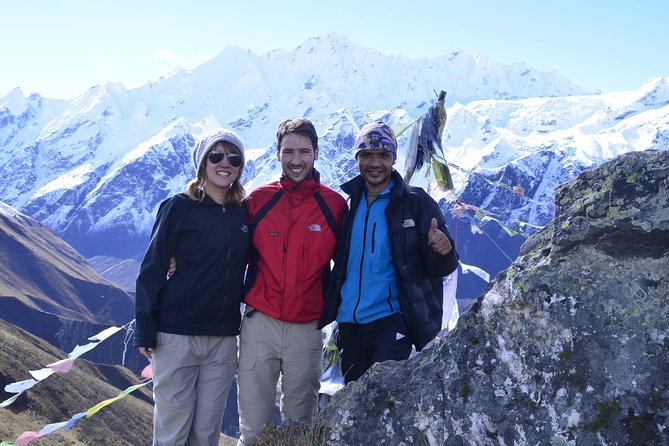
- Kyangjin Gompa in the 3,740 m zone with monastery time and views of Langtang and the glaciers
- Tserko Ri sunrise climb for an early-morning reward and classic Himalayan light
- Yala Cheese Factory and small lakes as a unique cultural-food stop, plus that high-altitude feel
- Down jacket and sleeping bag provided so you can travel lighter
- Small group limit (up to 14) and a licensed English-speaking guide
- Syabrubesi hot springs to wrap the trek with something soothing
A route that earns its altitude: why Langtang Valley hits different
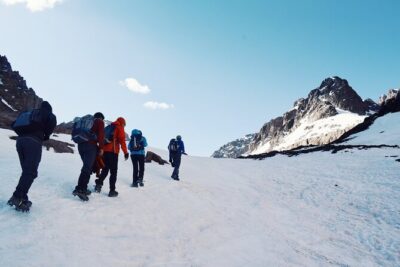
Langtang Valley doesn’t feel like a checklist trek. It feels like a slow ramp up into mountain life—forests, villages, monasteries, and then glaciers starting to show themselves more clearly.
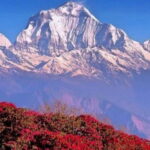
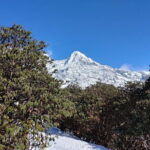
I like that the trek gives you both the outdoors and the human side. You walk through rhododendron and pine forest, reach Tamang village areas, and then spend time around Kyangjin Gompa where you can see the spiritual rhythm of the region.
And because you’re not only chasing a single peak, you get variety. You’ll have viewpoints like Tserko Ri, monastery exploration time, and even a chance to think about higher pastures like Langsisa.
You can also read our reviews of more tours and experiences in Kathmandu.
Kathmandu to Syabrubesi: your start matters more than you think
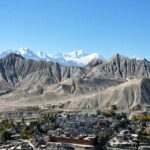
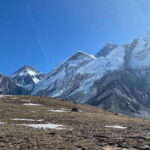
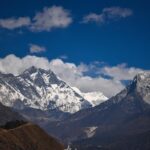
You leave Kathmandu in the morning and drive to Syabrubesi, the classic starting village for the Langtang Valley trek. On a clear day, you can catch outstanding views of Manaslu, Annapurna, and Ganesh Himal before you even begin walking.
This is one of those “small details” that can change how you feel on day one. If you start with mountain views instead of just traffic and crowds, your whole trek mood improves.
Once you reach Syabrubesi, you’re in the right headspace for the trail ahead. You’ll be transitioning from city life to a full-day rhythm—walking at a manageable pace, stopping for meals, and using daylight well.
Day 2 into Day 3: bamboo, rhododendron, and real trail comfort
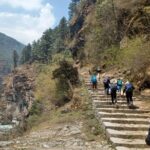
The early walking days are where you build your footing and your breathing pattern. From Syabrubesi, the trek rises through forest for about two hours, then climbs further toward Bamboo village (around 1,850 m) for lunch.
I like this approach because it’s not a sudden shock. You get forest walking first, and the trail is described as well stabilized, which matters if you’re not the kind of hiker who loves loose gravel.
After Bamboo village, you steeply climb through bamboo forest toward Lama Hotel (around 2,560 m). This is also a good day for small nature moments: birds around the bushes and even bee hives hanging on a cliff are part of what you might notice along the way.
On the next day, you keep moving through rhododendron and pine forest, then reach Ghoda Tabela for lunch. Then it continues to Langtang village at about 3,455 m, where you relax for the evening.
That combination—shorter stretches, forest variety, and a village stop at a higher elevation—is exactly what you want for acclimatization without boredom. You’re gaining altitude, but not in one violent jump.
Kyanjin Gompa: where monastery life meets Himalayan scale
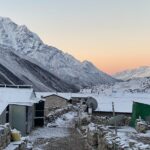
By the time you reach Kyangjin Gompa (around 3,740 m), the trip shifts tone. The trail takes you into the spiritual center of the valley, and the scenery gets bigger in a way that’s hard to fake.
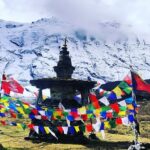
You’ll walk toward Kyanjing village as your destination, passing mountain scenery and cultural richness along the way. When you arrive, you’re visiting Kyanjing Gompa, a sacred Buddhist monastery with serious Himalayan views.
It’s the kind of stop that makes the whole trek feel real. You’re not just passing through; you’re there long enough to look around and soak up the atmosphere—monastery setting, glaciers in the distance, and the lived-in presence of the place.
Tserko Ri sunrise and the monastery clockwork
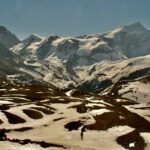
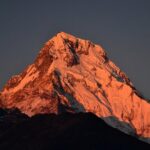
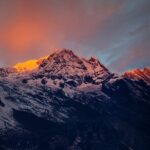
Next you’ll start early and follow the trail through yak pastures before climbing up to Tserko Ri. The sunrise view from the top is described as extraordinary, and that’s believable for this kind of high-altitude ridge.
You don’t just climb and leave. You return to Kyangjin Gompa by late afternoon and spend time exploring the monastery while taking in views of Himalayas, glaciers, birds, and yaks.
That matters for two reasons:
- Sunrise is a different experience than daytime views, but it’s also more demanding. Getting back and having monastery time gives you an easier second act.
- You get to see the place in motion across hours of light, not only during one dramatic moment.
Climb options: Kyangjin Ri viewpoints and Langsisa huts
The trek description also points to an additional viewpoint climb—Kyangjin Ri—for spectacular views of Langtang and other Himalayan ranges. The idea is simple: go up for the payoff, then return to the same hotel base to rest and continue with monastery time.
In the same spirit, you may have chances to reach local huts around Langsisa (about 4,084 m) within roughly a day’s walk from Kyangjin Gompa. That puts you closer to grazing pastures and the edge of glacial terrain.
I’d treat these as “choose-your-own-pace” moments rather than guaranteed highlights. Your energy, group pace, weather, and trail conditions decide how much you can comfortably do.
Still, the fact that the region offers both viewpoints and short cultural walks is a good sign. You’re not trapped in one kind of scenery for eight days.
Yala Cheese Factory, small lakes, and Chaldang’s airstrip clue
One of the most distinctive parts of this trek plan is the Yala Cheese Factory. It’s reached within about half a day from Kyangjin Gompa, and it’s paired with the chance to see small lakes that are described as truly amazing.
This is a great addition if you get tired of only seeing mountains and never learning anything local. A cheese factory is not just a snack stop—it’s a signal of how people turn alpine dairy life into something lasting.
The region also mentions a STOL airstrip at Chaldang, short distance east of Kyangjin. You may not be walking there, but knowing it exists helps you understand why the valley connects to the wider world: even here, there’s a practical route for supplies and movement.
If your group has time and conditions are cooperative, I’d prioritize the cheese stop and the lakes. They offer a different kind of reward than another view point—more surprise, more curiosity, and a calmer pace.
Retracing the trail: Lama Hotel downhill and Tamang village views
On the return day toward Lama Hotel, the trek becomes mostly downhill. The route passes through forests and Tamang villages, and you get different angles of the Himalayas than what you saw on the way up.
This is one of those “you’ll feel it later” walking phases. Downhill can be easier on breathing and harder on knees. If your legs are sensitive, take extra care with foot placement and avoid rushing.
The benefit is real, though. You’re watching the scenery change as you lose elevation—more comfortable walking, and a familiar trail that turns into a memory-maker because you know what’s ahead.
Syabrubesi hot springs: the perfect way to end the walking
Reaching Syabrubesi again feels like closing a circle. You’ll retrace your steps back to the starting village, with the trek described as easier because it’s mostly descending.
Then you get a highlight that’s more than a detail: Syabrubesi hot spring. After days of cold mornings and long walking, warm water is one of the best travel decisions you can make for your body.
It’s also a mental reset. Instead of facing another day of climbing, you’re finishing with something restorative—food, rest, and the chance to stretch out.
Day 8 in Kathmandu: a drive day that keeps you human
On the final day, you drive back from Syabrubesi to Kathmandu. After reaching Kathmandu, you’re taken to your hotel and you can rest.
This matters more than it sounds. Trekking trips can make people forget that you still have to function afterward. A scheduled drive day gives you a clean landing and helps you avoid trying to stack extra plans immediately.
Price and what you actually get for $995
At $995 per person, this trek isn’t cheap in absolute terms, but it’s also not just a guided walk. You’re paying for infrastructure: permits, licensed guidance, staff support, and the core costs of keeping the trip moving.
Here’s what’s included that changes the value:
- Best available guesthouses accommodation during the trek
- A local government-licensed English-speaking guide
- Porters (so your luggage isn’t strapped to you)
- Langtang National Park permits and a TIMS card
- Down jacket and sleeping bag supplied by Outshine Adventure
- Surface transfer from and back to Kathmandu by tourist bus
- Meals: breakfast (8), lunch (8), dinner (7)
- Government taxes are included
- Pickup is offered, and you get a mobile ticket
What’s not included:
- Travel insurance
- Alcohol and drinks
- Laundry
- Tips for staff and driver (tipping is expected)
If you were renting gear and paying for permits separately, the package starts making more sense. The down jacket and sleeping bag alone can reduce the mental load of packing. And full board meals remove a lot of daily decision fatigue.
Still, budget realistically for tips and any drinks you want. Also, plan for travel insurance as a non-negotiable safety item, because it isn’t included.
Group size, guide quality, and the feel of the trip
This tour is capped at a maximum of 14 travelers. That’s a sweet spot: you’re not alone, but you’re not packed into a big moving crowd either.
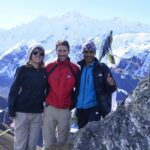
You’ll also be trekking with a licensed English-speaking local guide. If you’ve ever had a guide who makes altitude feel like a lesson, you know the difference. Good guidance helps with pacing, trail choices, and knowing when to push and when to slow down.
In past trips with Outshine Adventure, guides like Bikram have shown up in communications as standout, and that’s consistent with the idea that staff quality is central here. Even if your guide is someone else, the company is set up around licensed, English-speaking leadership.
Packing and fitness: how to make the trek feel easier
This trek is best for people with moderate physical fitness. “Moderate” here means you should be comfortable with long walking days and steep segments, not that it’s a stroll.
A few practical points based on what’s included:
- You’ll have a down jacket and sleeping bag, so you can keep your cold-weather packing lean.
- Guesthouses mean you’ll be sleeping in basic trekking accommodations, so bring a calm, flexible attitude about comfort levels.
- You’ll still want layers for changing temperatures, because mornings near the higher points can feel sharp.
For fitness, think in terms of leg endurance and steady pace. You’ll be going up and then coming back down, and downhill days can be tough even when the route is easier.
Who should choose this Langtang Valley trek
Choose this trek if you want:
- Himalayan views plus monastery and village stops
- A manageable group size with porters and a licensed guide
- Included meals and gear, so you don’t spend extra time sorting logistics
I’d also recommend it to anyone who likes variety: forest days, yak pastures, monastery time, a sunrise climb, and a food-and-lakes side highlight.
If you hate altitude or you’re looking for a mostly flat walk, this probably won’t fit your idea of a good trip. The trek is physically demanding enough that you’ll feel it, even when the days are paced reasonably.
Should you book this Langtang Valley trek with Outshine Adventure?
I’d book it if you value structure. You’re getting permits handled, meals covered, a licensed guide, porters, and cold-weather gear. That’s a strong deal for $995, especially if you’d otherwise spend time and money on separate rentals and paperwork.
I’d think twice if you want a low-effort trek or if you’re not comfortable managing altitude and long walking days. This route rewards people who accept tiredness as part of the deal.
Overall, this is the kind of trek that can feel both moving and practical: mountains in your line of sight, culture you can actually see, and a finish with hot springs that feels earned.
FAQ
What permits and cards are included?
You get Langtang National Park permits and a TIMS card included with the trek.
Is a guide included, and what language?
Yes. The trek includes a local government-licensed English-speaking guide during the trek.
Do meals and guesthouses cost extra?
No. Best available guesthouses are included, along with meals: breakfast (8), lunch (8), and dinner (7).
Does the package include trekking gear?
Yes. Outshine Adventure includes a down jacket and sleeping bag.
How long is the trek, and how many people are in the group?
The duration is approximately 8 days, and the tour has a maximum of 14 travelers.
Can I cancel for a full refund?
Yes. You can cancel up to 24 hours in advance for a full refund. If you cancel less than 24 hours before the start time, the amount is not refunded.